Film & TV
Downton Abbey (TV series, 2010-2015) starring Hugh Bonneville, Elizabeth McGovern, Michelle Dockery, Laura Carmichael, Jessica Brown Findlay, Dan Stevens and Maggie Smith
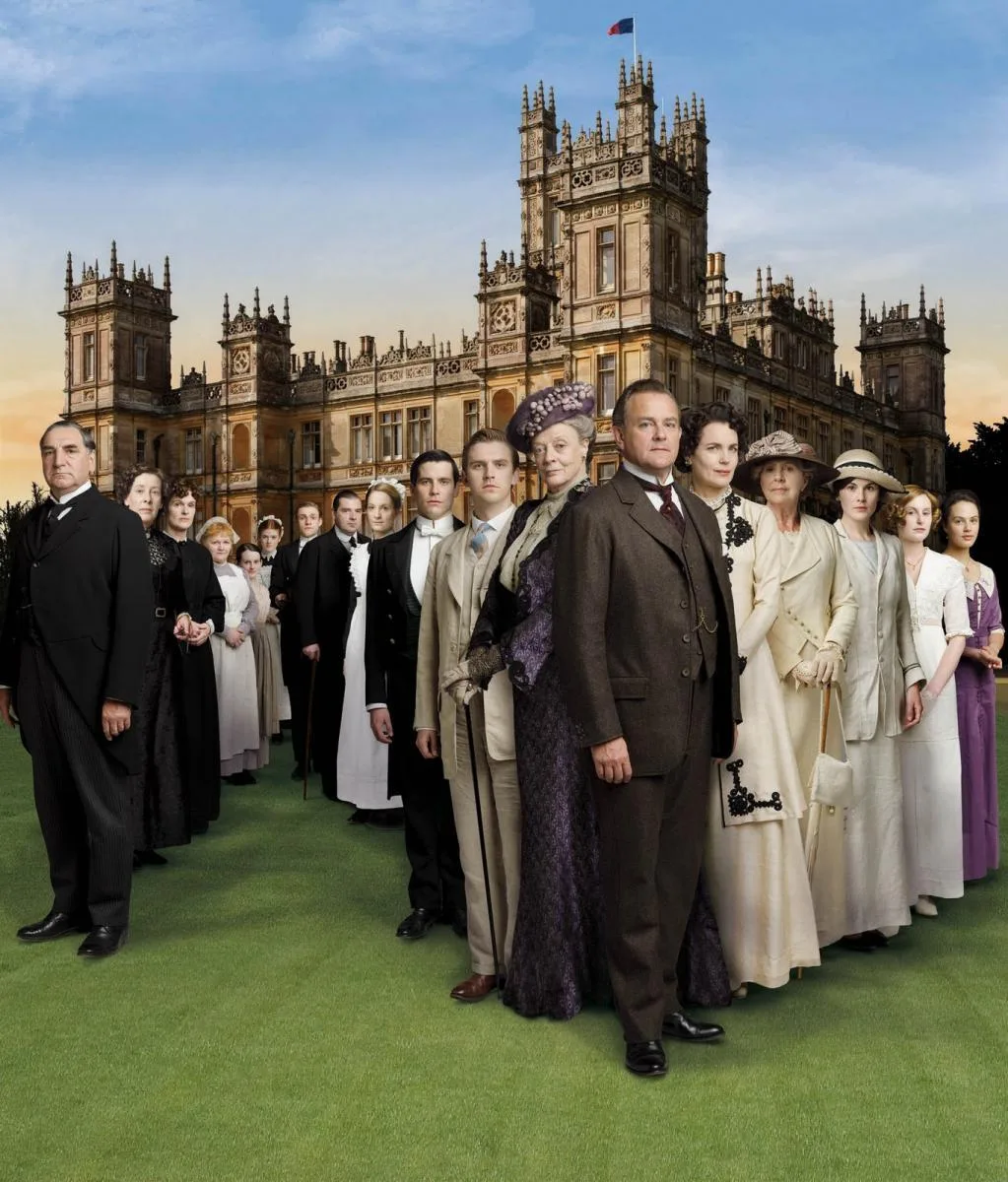
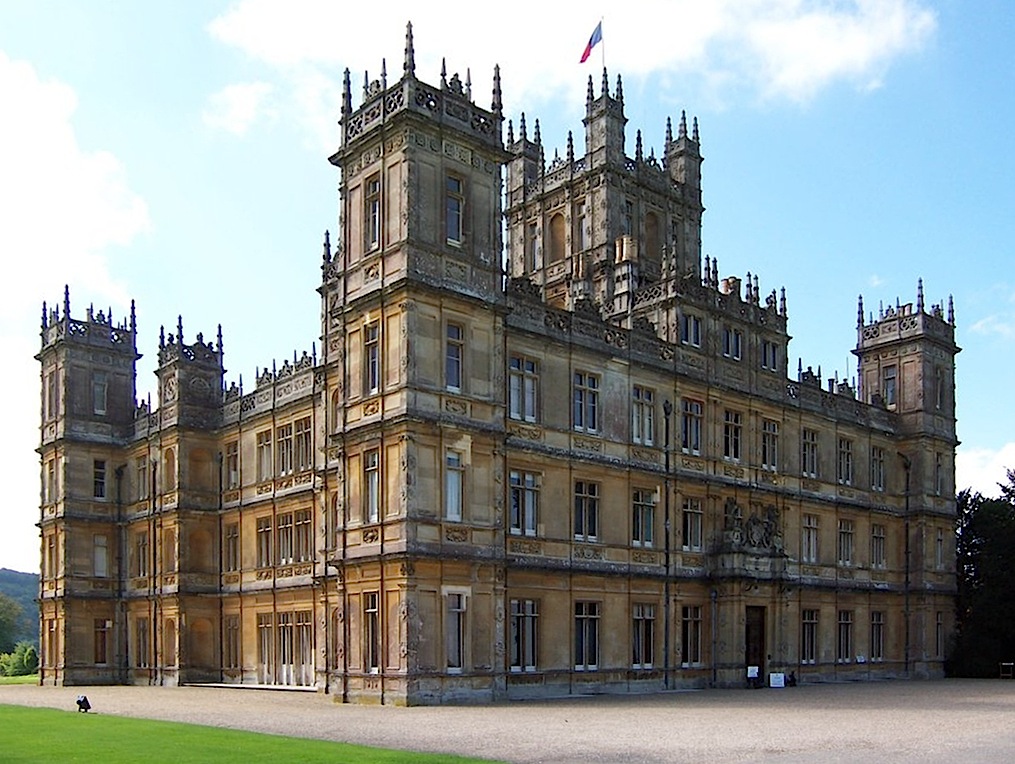
Downton Abbey (2010–2015) is a British period drama created and written by Julian Fellowes, following the aristocratic Crawley family and their servants on a Yorkshire estate between April 1912 and the last night of 1925. It was filmed at Highclere Castle in Hampshire, with the servants' quarters built at Ealing Studios.
The series began as an inheritance crisis and grew into a portrait of an entire social order losing its footing: the sinking of the Titanic, the trenches, the influenza pandemic, Irish independence, death duties, and a middle class arriving at the front door. It became the most watched program on both ITV and PBS and, briefly, the most critically acclaimed television series in the world.
Plot
April 1912. The morning telegrams reach Downton Abbey with the news that the Titanic has gone down, and with it the two men who were to inherit the estate.
Robert Crawley, Earl of Grantham, has three daughters and no son. The house, the title, and the American fortune his wife, Cora Crawley, brought to the marriage are entailed together, and can pass only to a male heir.
The new heir is a distant cousin from Manchester, Matthew Crawley, a solicitor who works for a living and arrives with his widowed mother, Isobel Crawley. Lady Mary Crawley, the eldest daughter, receives him with contempt, and Violet Crawley, Dowager Countess of Grantham, receives him with a raised eyebrow and a line she has clearly been saving.
Below stairs, the butler Charles Carson runs the house like a liturgy. A new valet arrives, John Bates, lame from the Boer War, and the first footman, Thomas Barrow, sets about getting rid of him.
Lady Mary's reputation nearly ends before it begins. A Turkish diplomat, Kemal Pamuk, dies in her bed, and her mother and the head housemaid, Anna Smith, carry the body back along the corridor in the dark.
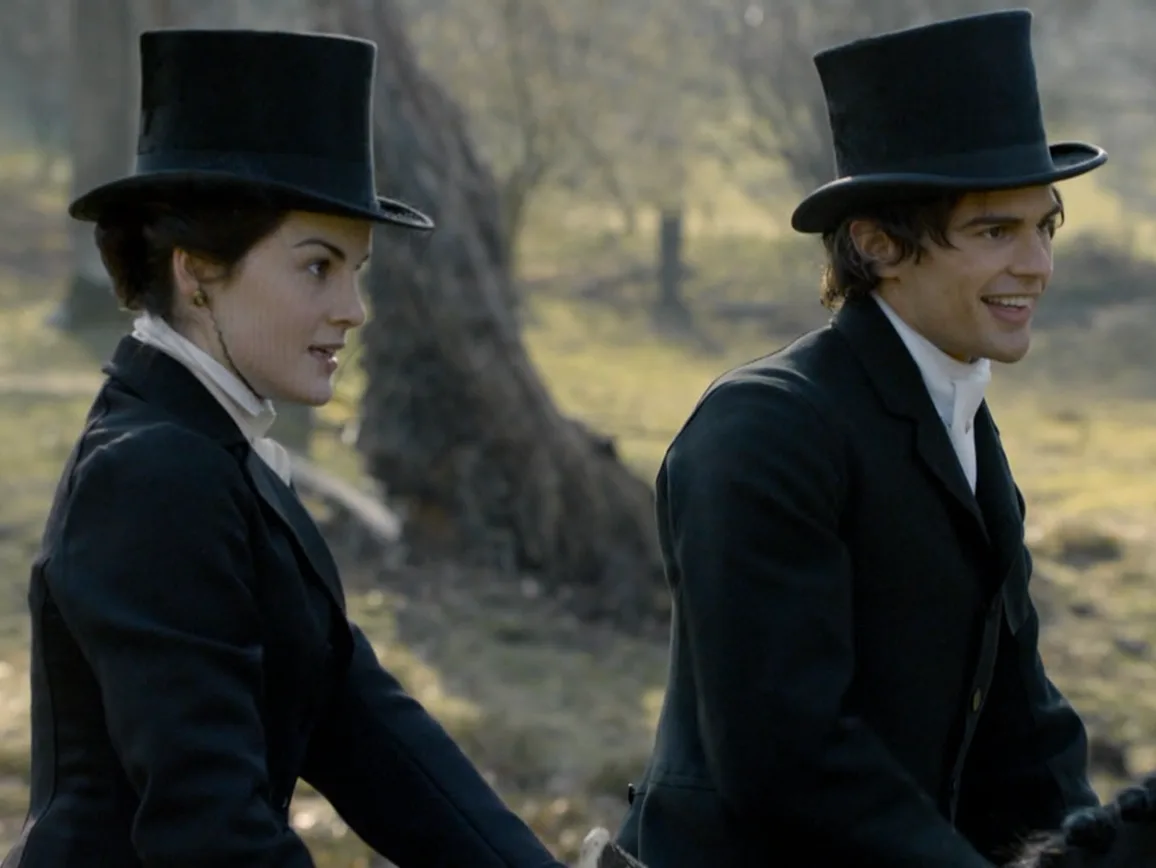
Lady Sybil Crawley, the youngest sister, takes up women's suffrage and notices the Irish chauffeur, Tom Branson. Lady Edith Crawley, the middle one, watches her sisters be loved and writes a letter to the Turkish ambassador out of spite.
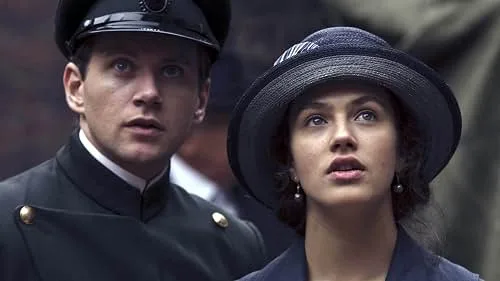
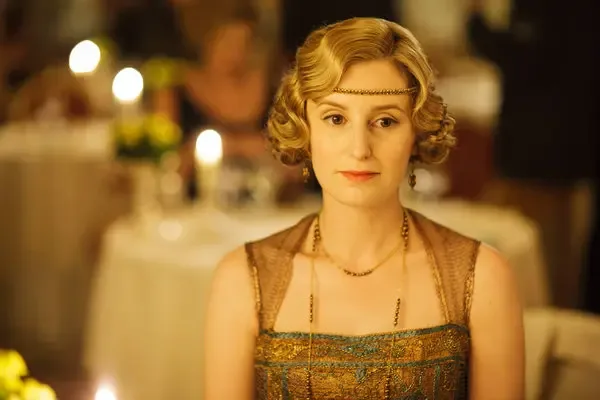
War comes in 1914. Matthew Crawley goes to the Somme, the house becomes a convalescent home for officers, and the footmen enlist one by one.
Matthew is wounded and told he will never walk or father children. He recovers both, but he is engaged by then to Lavinia Swire, and Lady Mary, who has always loved him, is engaged to a newspaper proprietor she does not.
The influenza pandemic settles the matter with terrible efficiency. Lavinia Swire dies in the house, and Matthew and Mary are left guilty and free.
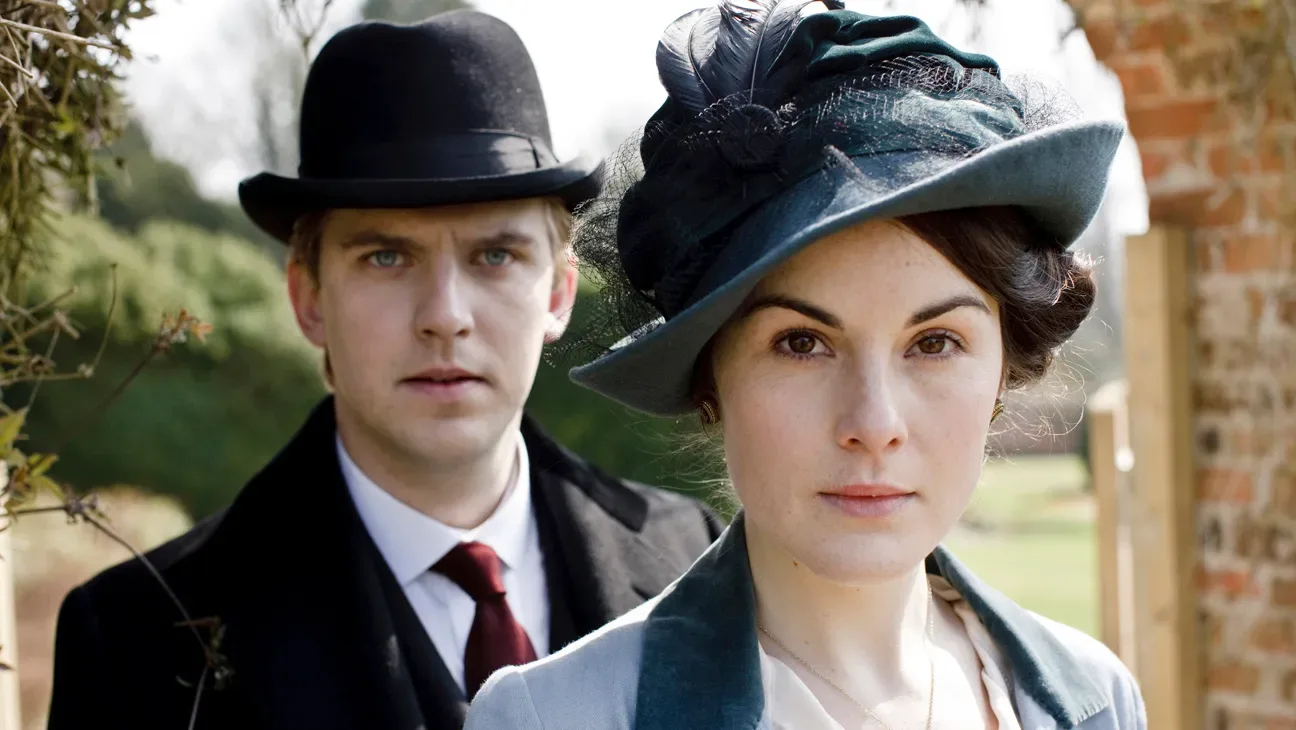
Lady Sybil marries Tom Branson and goes to Ireland. John Bates is convicted of his first wife's murder and taken to prison, but Anna waits.
Year 1920.
Lady Mary marries Matthew Crawley, and the estate is nearly lost through Robert Crawley's investment in a Canadian railway, then saved by an inheritance Matthew did not want.
Lady Sybil comes home to have her baby and dies of eclampsia in the house, in front of her father, who had overruled the doctor who was right.
Lady Mary gives birth to a son. Driving home from the hospital that same night, having seen the boy, Matthew Crawley is killed when a lorry runs him off the road.
The years that follow are quieter and harder. Lady Mary grieves, learns the estate accounts, and becomes better at running Downton than her father. Lady Edith has a child out of wedlock by a man who disappears in Germany, hides her, and slowly stops apologizing for her own life.
Tom Branson stays on as agent, a revolutionary in a dinner jacket. Lady Mary's maid Anna (now Anna Bates, after she married John Bates) is raped by a visiting valet during a house party, and swears the housekeeper Elsie Hughes to silence rather than let her husband find out, certain that John Bates would kill the man and hang for it. The lie, not the assault, is what nearly ends the marriage.
Thomas Barrow, unable to live as what he is, looks for a cure and then for a way out. Charles Carson, after thirty years of propriety, proposes to the housekeeper Elsie Hughes.
Year 1925.
Death duties, wages, and the price of wheat have made the house unaffordable, and the family opens it to paying visitors for an afternoon. Lady Mary marries the racing driver Henry Talbot, Lady Edith marries a marquess, and Violet Crawley concedes almost nothing.
The last episode ends on New Year's Eve, with a baby born downstairs, the servants singing, and nobody in the room quite aware that the thing they have all been defending is already over.
Cast
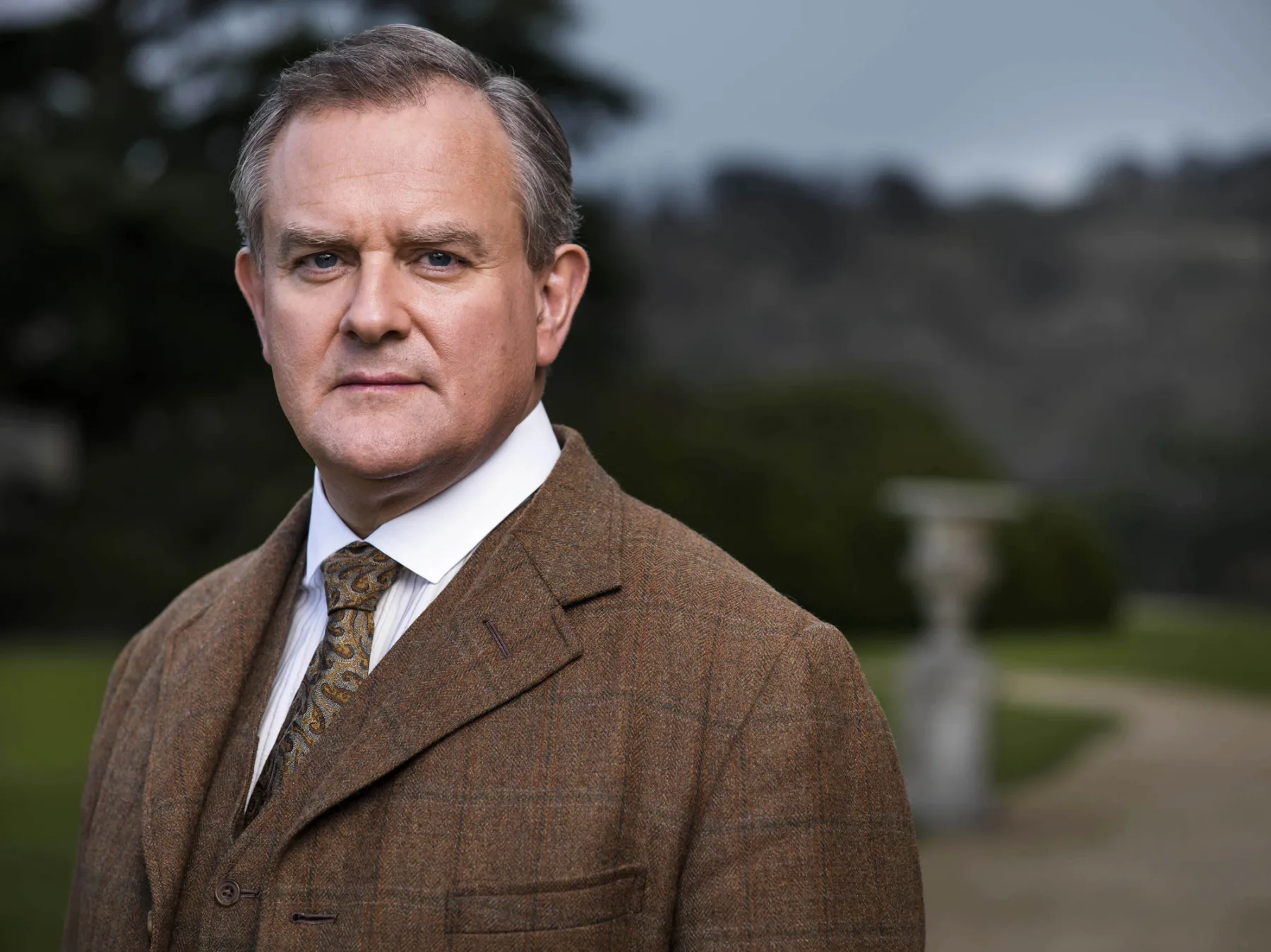
- Hugh Bonneville as Robert Crawley, Earl of Grantham
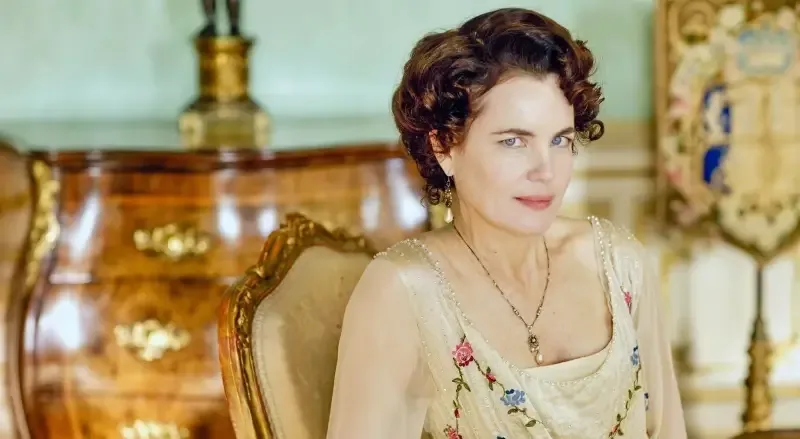
- Elizabeth McGovern as Cora Crawley, Countess of Grantham
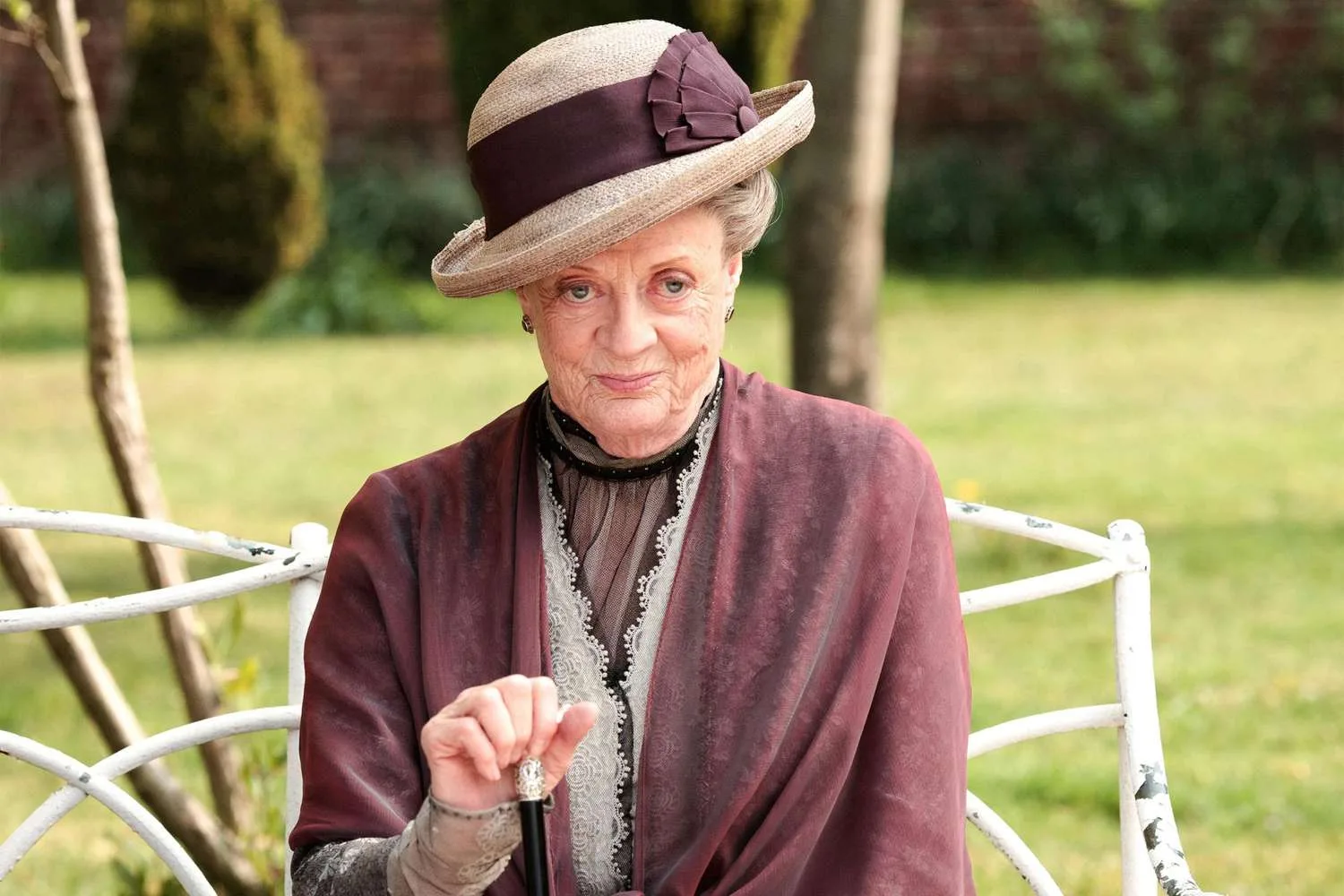
- Maggie Smith as Violet Crawley, Robert Crawley's mother, Dowager Countess of Grantham
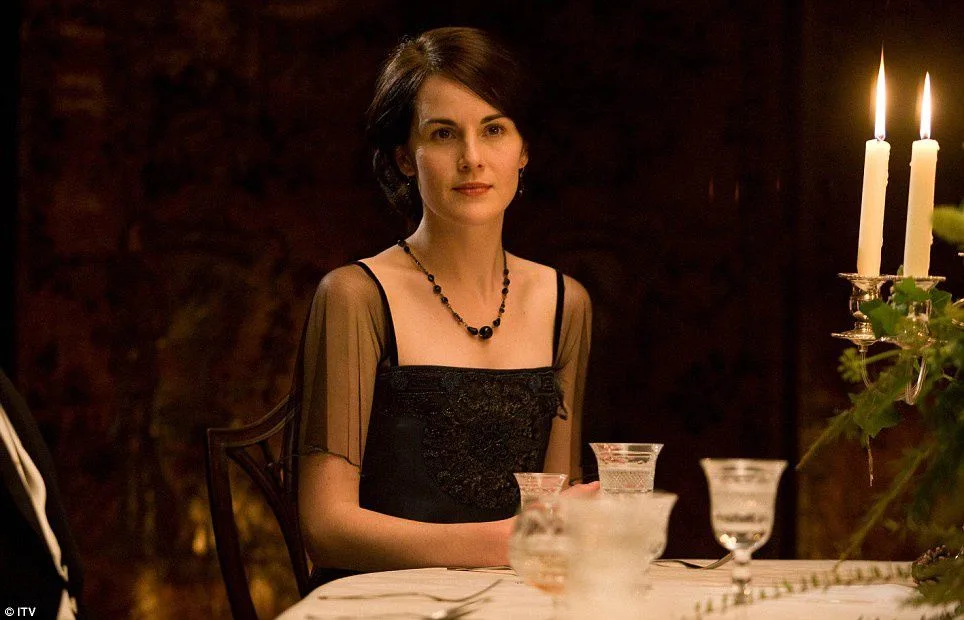
- Michelle Dockery as Lady Mary Crawley
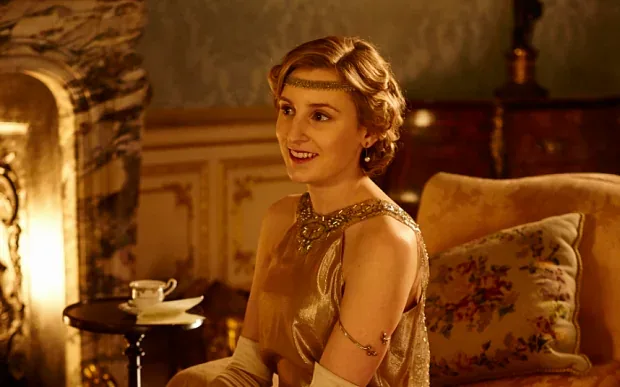
- Laura Carmichael as Lady Edith Crawley
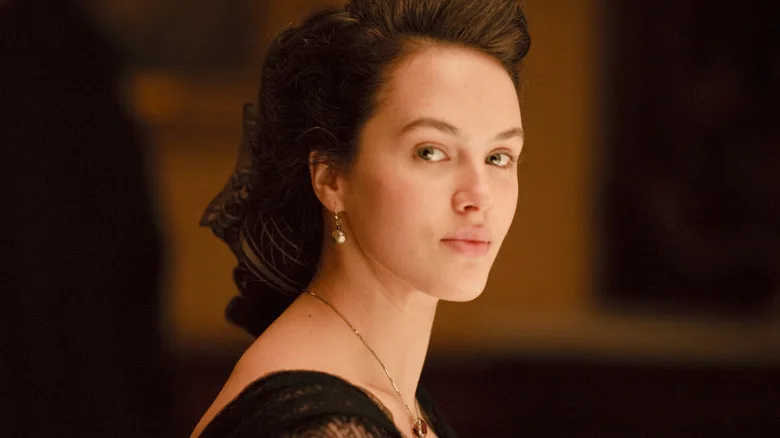
- Jessica Brown Findlay as Lady Sybil Crawley
- Dan Stevens as Matthew Crawley
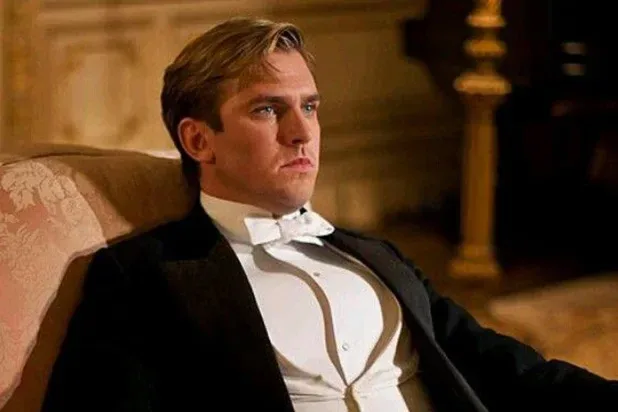
- Penelope Wilton as Isobel Crawley
- Allen Leech as Tom Branson
- Jim Carter as Charles Carson
- Phyllis Logan as Elsie Hughes
- Brendan Coyle as John Bates
- Joanne Froggatt as Anna Bates
- Robert James-Collier as Thomas Barrow
- Lesley Nicol as Beryl Patmore
Maggie Smith took the series' comic architecture and made it her own, delivering Julian Fellowes' best lines with a timing that turned the Dowager Countess into a global export. She won three Emmy Awards for the part, and the writing grew steadily more aware of what she could do with a pause.
Michelle Dockery's Lady Mary is the show's real engine, cold on the surface and unsentimental about her own advantages, and the performance is at its finest in the silences after Matthew's death. Laura Carmichael had the harder, less rewarded job, playing a woman defined by being second, and by the last series Lady Edith has become the character who changes most.
Hugh Bonneville makes Robert Crawley likeable and consistently wrong, a decent man whose instincts ruin things. Elizabeth McGovern gives Cora Crawley an American lightness that conceals how much she notices.
Jim Carter's Carson is the moral spine of the downstairs world and its most rigid inhabitant, and Robert James-Collier's Thomas Barrow moves over six series from villain to the loneliest person in the house. Joanne Froggatt and Brendan Coyle carry the servants' long, patient tragedy, and Lesley Nicol's Mrs. Patmore supplies the kitchen's warmth and most of its noise.
Production
Julian Fellowes had wanted to film at Highclere Castle for years. He had tried to use it for a BBC production of Little Lord Fauntleroy in the 1990s and again for Gosford Park (2001), where Robert Altman preferred a house nearer London.
The production visited it first and loved it, then spent six months looking at country houses across England before the producer Gareth Neame woke up one morning and accepted that Highclere had been right all along. Fellowes compared the process to shopping with his wife, who cannot buy the perfect thing in the first shop she enters until she has inspected four hundred others.
Highclere belongs to the Earl and Countess of Carnarvon, who live in a cottage on the estate for much of the year. The rent helped fund a restoration bill running into eight figures, and the house has been financially secure ever since.
The state rooms and the great hall are the real thing, filmed with the family's furniture. The rooms not cleared for filming were padlocked, and in the early series the Countess of Carnarvon hovered nearby, reminding the crew to wipe their feet and demonstrating how to lift her chairs: you take a girl in your arms and a chair by its bottom.
Everything below stairs was built. Donal Woods, the production designer, found that the servants' kitchens and corridors of English country houses had all been modernized or demolished, so the kitchen, the servants' hall, and the passages were constructed at Ealing Studios with walls three feet thick and almost no light. He kept the palette downstairs deliberately monochrome, against the colored silks and tall windows above.
The bedrooms were shot at Highclere for the first two series and then rebuilt at Ealing as well, because a film crew and a four-poster cannot comfortably occupy the same room. The two locations produced two different atmospheres: at Highclere the cast tiptoed and their posture changed, and at Ealing they ate sandwiches on the set and made noise.
History supplied one of the second series' main plots. Highclere itself was turned into a hospital in the First World War under Almina, Countess of Carnarvon, and the production considered going that far before deciding that audiences would not accept the Crawleys staying in residence, so Downton became a convalescent home for officers instead.
The costumes came largely through the house of Cosprop in London, across four designers: Susannah Buxton and Rosalind Ebbutt for the early Edwardian years, Caroline McCall through the war and into the 1920s, and Anna Robbins for the last two series. Roughly a third of the clothes were made new, while others were restored originals, and Buxton often had vintage beading taken off a ruined dress and applied to a new one.
Buxton described her own favorites as the ones nobody notices, because the clothes belong to the character rather than announcing themselves, and said the aim was people rather than actors in costume. Each woman was given her own color palette, worked out with the director and the production designer, so that Lady Mary's sharp tailoring, Lady Edith's softer and slightly unlucky pastels, and Cora's heavily beaded couture read as character before they read as period.
The wardrobe also charts the decade with some precision: hobble skirts, high collars, and hats the size of tea trays in 1912, uniforms and practical wool through the war, then dropped waists, bias cuts, long ropes of pearls, beaded evening dresses, and finally the sleeveless, unstructured shapes of the mid-1920s. Anna Robbins used original 1920s pieces alongside her own, including gowns in the manner of Jean Patou for the last series.
John Lunn's score is built on a single piano figure that became instantly recognizable, orchestrated grandly for the house and thinned to almost nothing for the deaths.
The series filmed from roughly February to June each year, which made it possible for a large ensemble of British stage and television actors to keep working elsewhere the rest of the time. It also made Dan Stevens' departure at the end of the third series unavoidable, and Fellowes chose to kill Matthew Crawley rather than send him abroad, on the grounds that the audience would otherwise spend years waiting for him to come back.
One piece of set dressing became more famous than any of it. A publicity photograph released for the fifth series showed the Crawley men in evening dress beside a mantelpiece on which somebody had left a plastic water bottle, and the picture went around the world within hours.
Release/reception
The first episode was broadcast on ITV on 26 September 2010 and drew a consolidated British audience of 9.2 million, a thirty-two percent share, making it the most successful new drama on any British channel in eighteen months. It ran for six series and fifty-two episodes, ending with a feature-length Christmas episode on 25 December 2015.
In the United States it was shown by PBS on Masterpiece, where it became the highest-rated program in the network's history and then broke its own record every year. The fourth series premiere drew 10.2 million live viewers and 15.5 million once recorded viewing was counted.
Critics were nearly unanimous about the first series, which averaged 91 on Metacritic. That score won Downton Abbey a Guinness World Record in 2011 for the highest critical review ratings for a television show, beating Mad Men and Modern Family, and it held the title until the fourth season of Breaking Bad passed it later the same year.
Reviews cooled as the plotting grew more melodramatic, particularly in the fourth series, and the show acquired a permanent second audience that watched it for the improbabilities and the anachronisms. Its awards did not cool: sixty-nine Primetime Emmy nominations and fifteen wins, including Outstanding Miniseries for the first series, three for Maggie Smith, and one for Susannah Buxton and Caroline McCall's costumes; three Golden Globes; three Screen Actors Guild ensemble awards; and a special BAFTA in 2015.
It became the most successful British costume drama since the 1981 serialization of Brideshead Revisited, and it did something that surprised everyone involved, turning a story about entail law and servants' bells into a program watched in more than two hundred territories.
Highclere Castle now receives visitors in numbers its owners never anticipated. Three films followed, Downton Abbey (2019), Downton Abbey: A New Era (2022), and Downton Abbey: The Grand Finale (2025), and Maggie Smith, who died in 2024, remains the reason a great many people first sat down to watch.