Film & TV
Mad men (tv series, 2007-2015), one of the most elegant American TV series
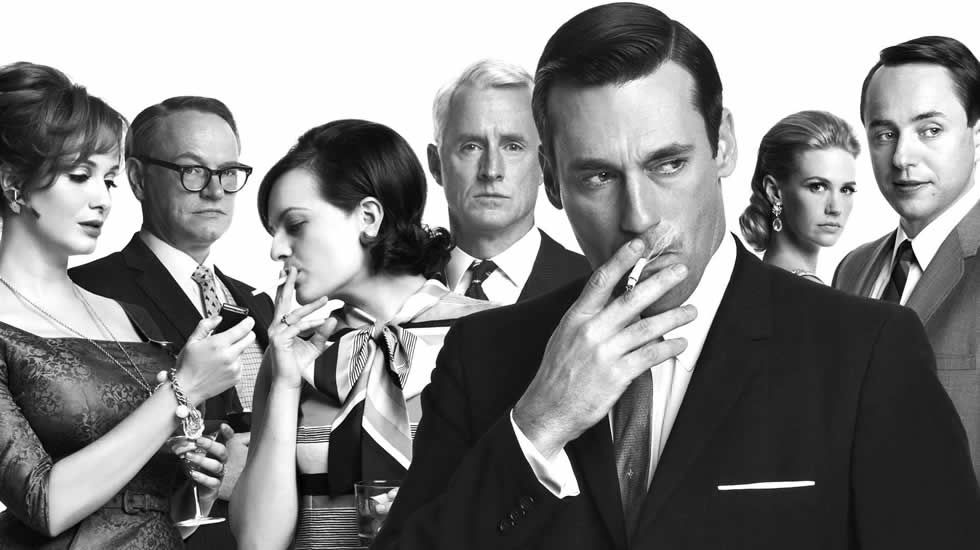
Mad Men (2007–2015) is an American period drama created by Matthew Weiner. Set mainly in New York’s advertising world between 1960 and 1970, it follows the brilliant, secretive creative director Don Draper and the people orbiting him at the Sterling Cooper advertising agency.
Across seven seasons, the series uses advertising, fashion, marriage, work, ambition, and changing American manners to tell a larger story about identity. Its characters sell images for a living, while often struggling to understand the images they have made of themselves.
Plot
In 1960, Don Draper works as the creative director of Sterling Cooper, a prestigious Madison Avenue advertising agency. He is admired for his instinct with words, taste, and human desire.
Don Draper understands what people want to buy because he understands what they want to become. Yet Don Draper’s elegant office, handsome suits, beautiful home, and admired position conceal a past built on reinvention.
At home, Don Draper lives in suburban Ossining with his wife, Betty Draper, and their children. Betty Draper has the appearance of the ideal early-1960s wife. She is graceful, impeccably dressed, and deeply unhappy inside a life shaped by expectations she did not create.
At Sterling Cooper, Peggy Olson arrives as Don Draper’s secretary. Peggy Olson begins with little experience and little social power, but discovers an unexpected talent for advertising. Her progress becomes one of the series’ central stories, as she moves through an industry designed to limit women’s ambitions.
Joan Holloway, later Joan Harris, runs the office with glamorous authority and exact knowledge of how men behave when they believe they are in charge. Roger Sterling brings money, charm, and old-world confidence to the agency. Pete Campbell shows hunger, insecurity, and a relentless wish to be noticed.
As the 1960s unfold, the agency changes its name, location, clients, and internal alliances. The characters face divorce, bereavement, professional reversals, political unrest, and the accelerating social changes of the decade.
The series gradually asks whether reinvention is freedom, deception, or simply the price of surviving in America.
Cast
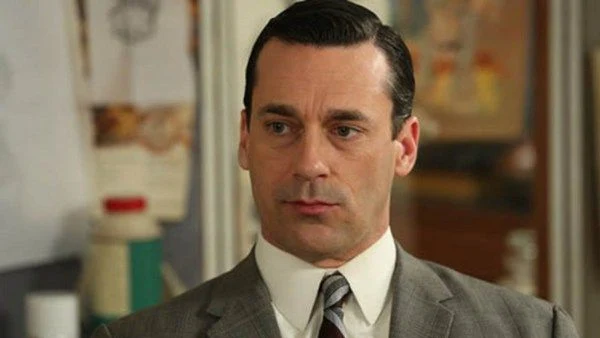
- Jon Hamm as Don Draper
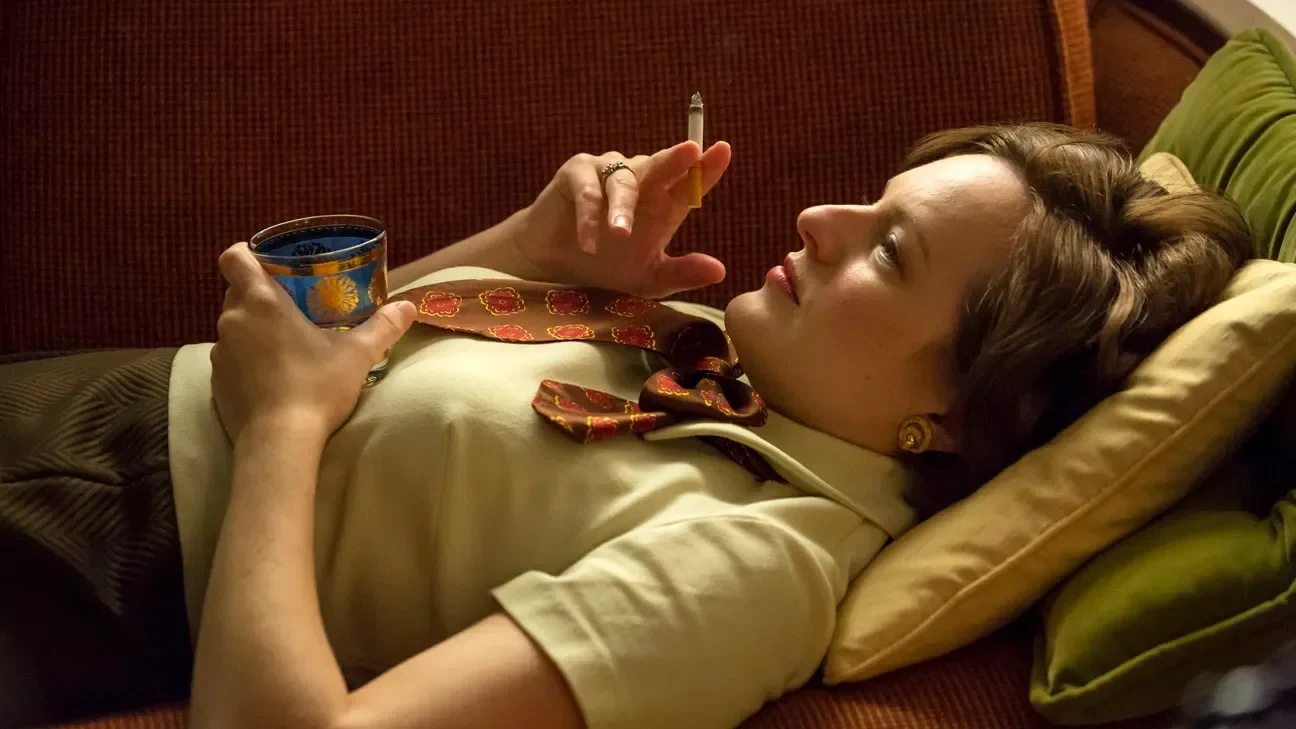
- Elisabeth Moss as Peggy Olson
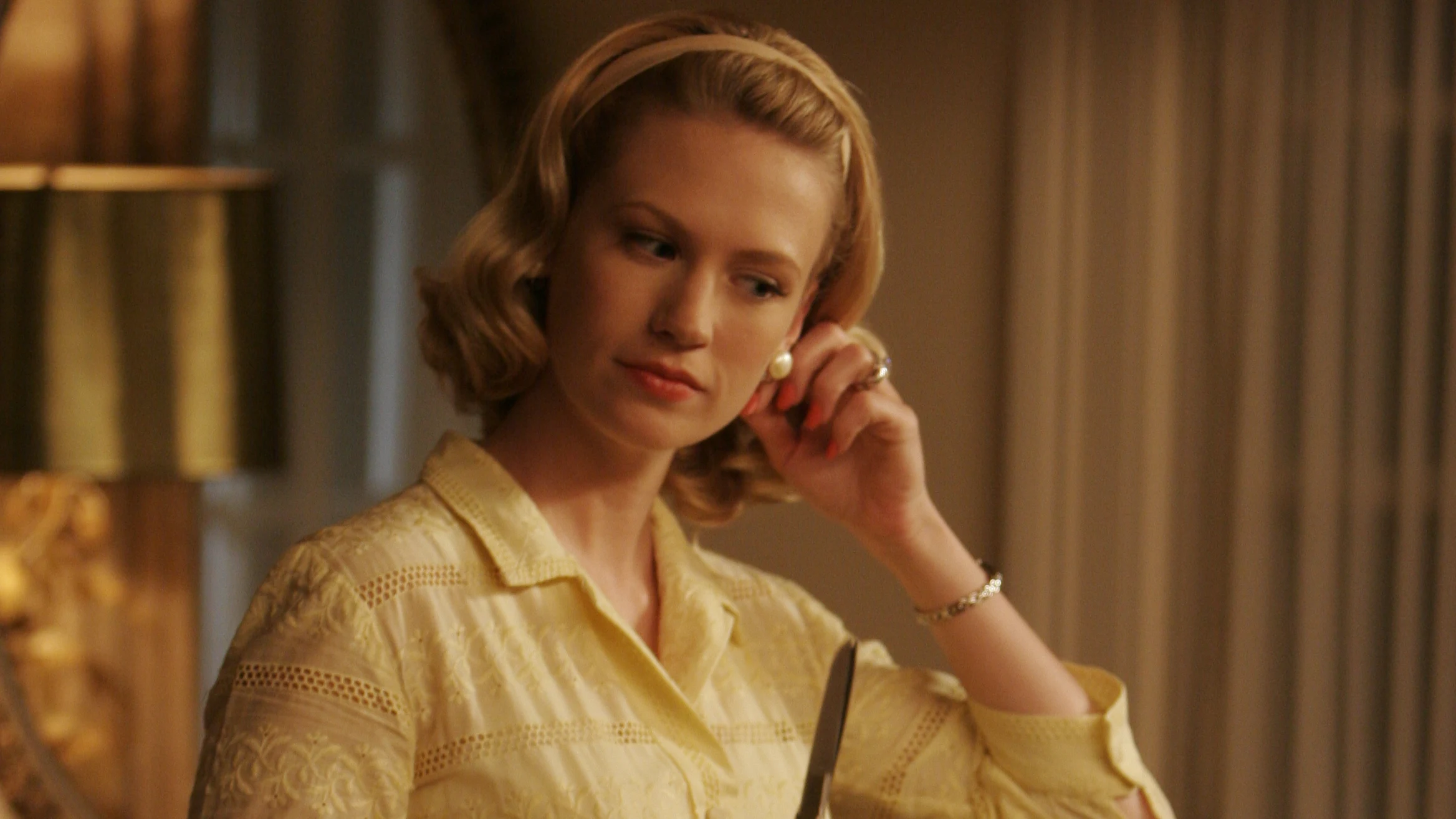
- January Jones as Betty Draper
- Vincent Kartheiser as Pete Campbell
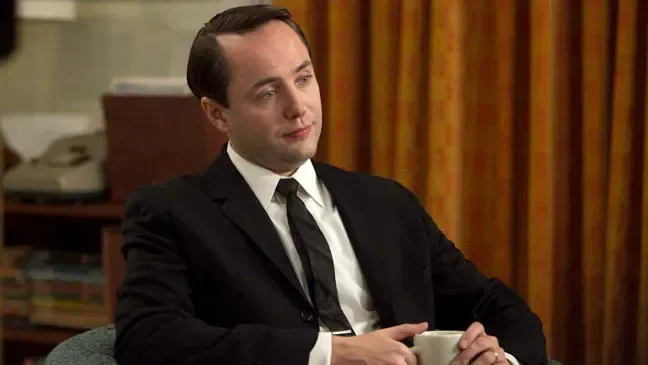
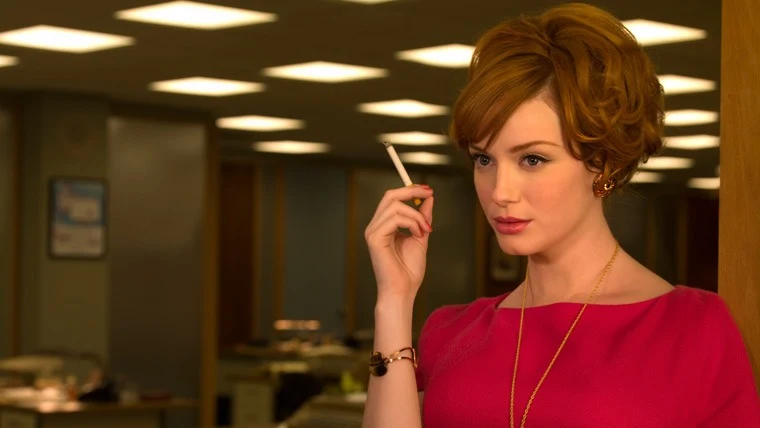
- Christina Hendricks as Joan Holloway Harris
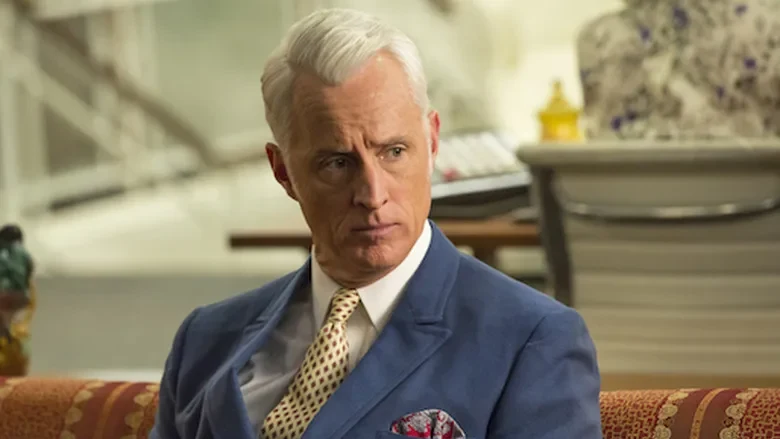
- John Slattery as Roger Sterling
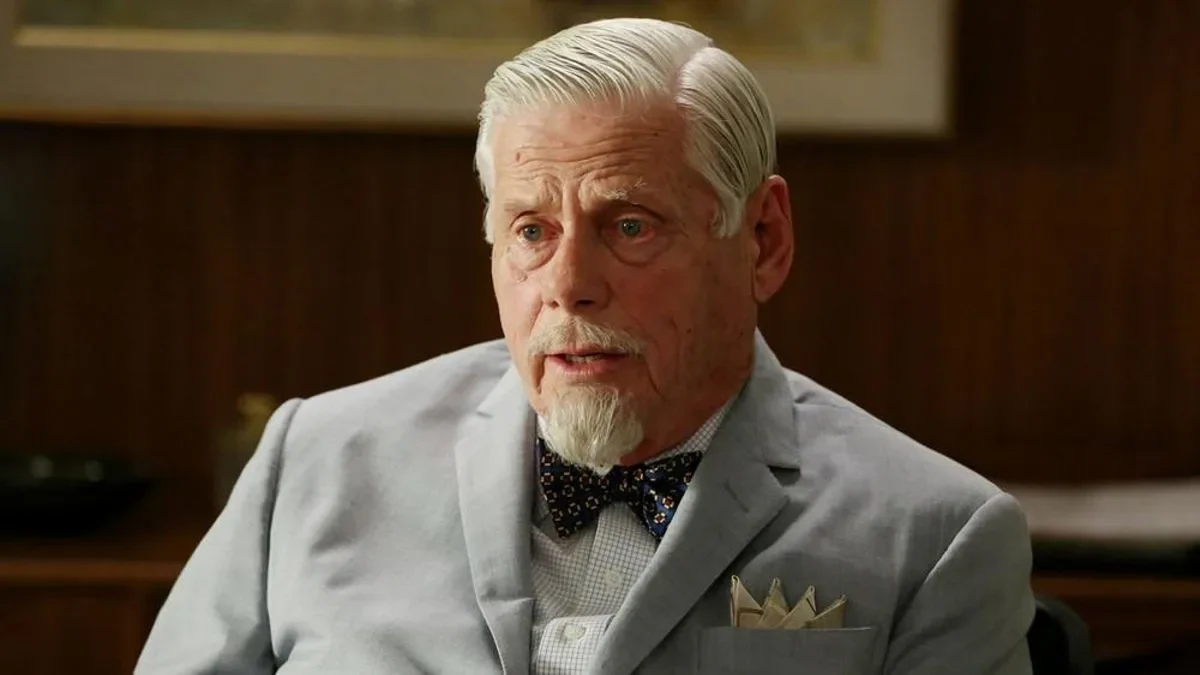
- Robert Morse as Bertram Cooper
- Kiernan Shipka as Sally Draper
- Jared Harris as Lane Pryce
Jon Hamm plays Don Draper with a controlled stillness that makes his private turmoil more striking. Don Draper knows how to enter a room, light a cigarette, make a client feel understood, and turn a sentence into a promise. The performance reveals how exacting he could be to maintain such command.
Elisabeth Moss gives Peggy Olson an extraordinary arc. Peggy Olson learns to speak in rooms where men interrupt her, dismiss her, or take credit for her ideas. Her growing self-possession is never simple, because professional success demands sacrifices that the men around her rarely have to consider.
January Jones makes Betty Draper one of the series’ most haunting characters. Betty Draper can appear icy or childish, but this surface hides a woman trapped in a role that praises her beauty while giving little room for her intelligence, anger, or desire.
Christina Hendricks brings glamour, humor, and pain to Joan Harris. Joan Harris understands the office hierarchy better than almost anyone. The series gives Joan Harris the long and difficult task of deciding how much of herself she is willing to trade for security.
John Slattery’s Roger Sterling is witty, polished, and often cruel. He belongs to an older world of inherited advantages, afternoon martinis, and familiar clubs. Yet John Slattery also lets Roger Sterling show flashes of regret and self-awareness beneath the charm.
Production
Matthew Weiner developed Mad Men after working as a writer and producer on The Sopranos (1999–2007). The original idea came to Matthew Weiner years earlier, when he imagined a man sitting in a bar in 1960 and considering the life he had made for himself.
The series premiered on AMC in 2007. At the time, AMC was best known as a channel for classic films. Mad Men helped transform it into a home for ambitious original drama, soon followed by Breaking Bad (2008–2013) and other acclaimed series.
The show’s title refers to the advertising men of Madison Avenue. The expression is treated less as a nostalgic label than as a doorway into a world built on persuasion. Characters sell cars, cigarettes, lipstick, televisions, airlines, and political dreams. They also sell versions of themselves.
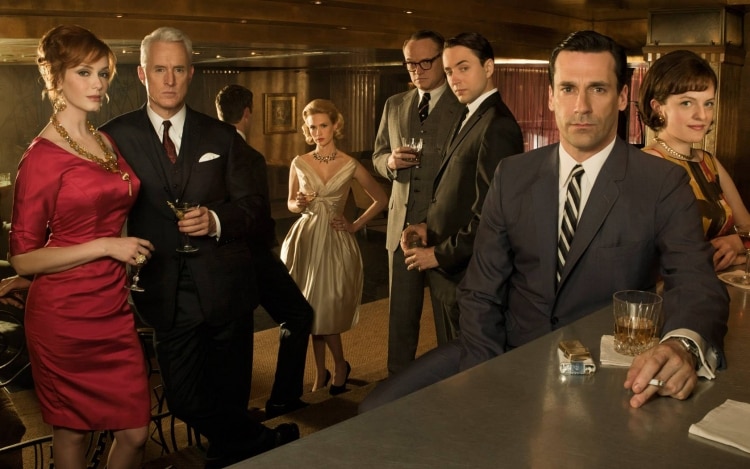
Production designer Dan Bishop created a New York that felt period-accurate without becoming a museum. The Sterling Cooper offices are full of glass, wood paneling, cigarette smoke, cocktail trays, ashtrays, typewriters, and modernist furniture.
Each office tells its own story. Don Draper’s room is masculine and controlled, often framed by blinds and dark wood. Roger Sterling’s spaces suggest inherited money and casual authority. Peggy Olson’s office changes as her position changes, becoming a quiet record of her hard-won advancement.
Dan Bishop and the art department also used the series’ evolving spaces to trace the decade. The early seasons feel contained by gray suits, narrow dresses, formal dining rooms, and suburban order. Later seasons become brighter, looser, and more experimental, with bolder colors, wider lapels, miniskirts, new office layouts, and the visual disruption of the late 1960s.
Costume designer Janie Bryant gave the series one of its most influential visual signatures. Janie Bryant researched magazine advertisements, catalogues, photographs, store records, films, and original garments from the period. The costumes were not simply reproductions. They were designed to show character, status, temperament, and change.
Don Draper’s early wardrobe is built around narrow gray suits, crisp white shirts, restrained ties, and a precise silhouette. As the decade moves forward, his clothing becomes somewhat softer and more colorful, though Don Draper never fully abandons the discipline of his original image.
Betty Draper’s clothes draw on the polished femininity of the early 1960s. Full skirts, gloves, pearls, fitted coats, and carefully arranged hair make Betty Draper seem like a magazine ideal. The same perfection can make her look almost enclosed by her own wardrobe.
Joan Harris wears fitted dresses, rich colors, pencil skirts, and sculpted silhouettes. Her clothing acknowledges the way other characters see Joan Harris, but also reflects her own command of presentation. Joan Harris rarely enters a room unnoticed.
Peggy Olson’s wardrobe changes most visibly. Peggy Olson begins in modest blouses, skirts, and girlish details that reflect her inexperience. As Peggy Olson becomes a copywriter and then a creative leader, the clothes become more assured, more modern, and more individual.
The costumes had a wide cultural influence. Fashion designers and magazines repeatedly cited the show as a source of inspiration, and Janie Bryant’s work was praised for making historical dress feel psychologically alive rather than merely decorative.
Composer David Carbonara created music that moves between jazz-inflected restraint, melancholy, tension, and sleek modernity. The series also used carefully selected period songs, often placing them at the end of an episode. These choices could make a final image feel private, ironic, or quietly devastating.
The opening titles became part of the series’ identity. A silhouetted man falls past advertisements, skyscrapers, women’s bodies, liquor, money, and polished interiors before sitting down with a drink. The image announces the central tension of Mad Men: a man appears to be falling through the dream he helped create.
Release/Reception
Mad Men premiered on AMC on 19 July 2007 and concluded on 17 May 2015. It ran for seven seasons and 92 episodes.
The series became the first basic-cable program to win the Primetime Emmy Award for Outstanding Drama Series. It won the award four consecutive times, from 2008 through 2011.
Its first-season pilot, "Smoke Gets in Your Eyes," immediately established the show’s visual confidence. The episode received acclaim for its production design, cinematography, costumes, and title sequence.
The series was also praised for refusing to treat the 1960s as a simple fantasy of good tailoring and cocktail parties. It showed the beauty of the era’s design and clothes, but also its sexism, racism, homophobia, drinking culture, workplace cruelty, and narrow ideas about family life.
Many viewers came initially for the suits, dresses, office interiors, and stylish atmosphere. They stayed for the characters. Mad Men made the past look intoxicating, then asked what that beauty concealed.
Its final episode, "Person to Person," ends with Don Draper meditating on a California hillside before the series cuts to the famous 1971 Coca-Cola advertisement, "Hilltop." The ending remains deliberately open. It suggests that Don Draper may have found peace, or that he has simply discovered another perfect idea to sell.
Where to watch Mad Men online
Mad Men (2007–2015) is currently available through:
- Disney+
- Lionsgate+ through Amazon Channels
- Amazon Prime Video
- Amazon Video, for digital purchase
Availability varies by subscription plan and can change over time.
