Film & TV
Love Affair (film, 1939) Starring Irene Dunne, Charles Boyer and Maria Ouspenskaya
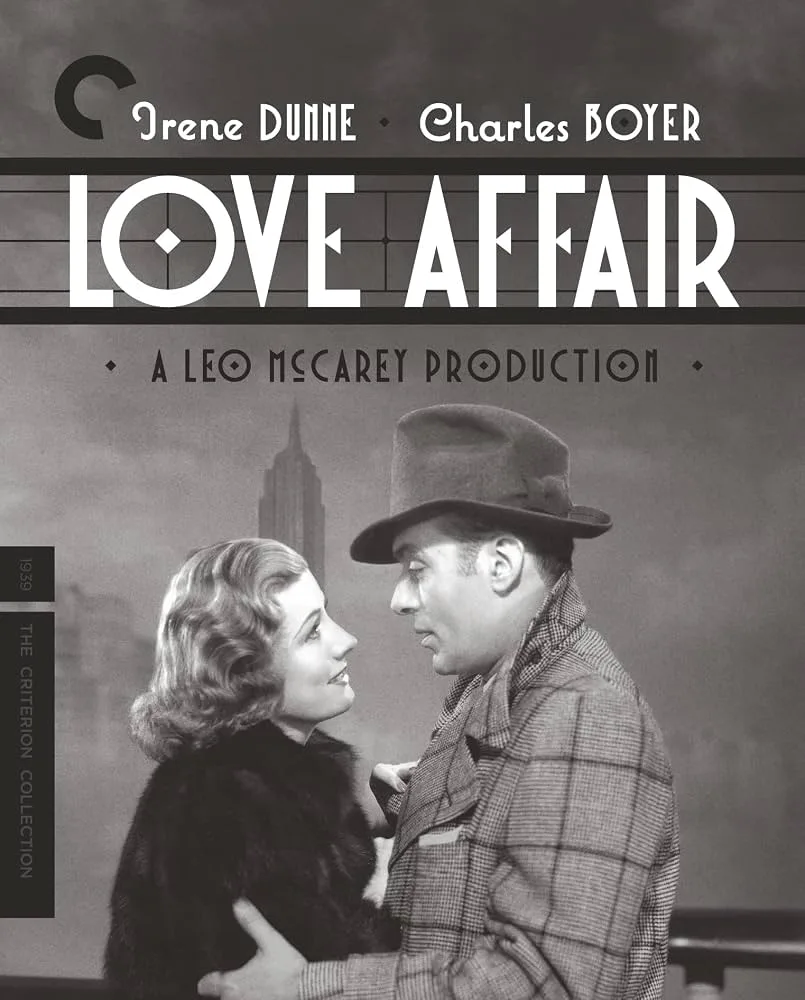
Love Affair (1939) is an American romantic drama produced and directed by Leo McCarey. Irene Dunne and French actor Charles Boyer play Terry McKay and Michel Marnet, two elegant strangers who meet aboard an ocean liner while traveling to New York to marry other people.
What begins as sophisticated flirtation becomes a test of love, pride, time, and courage. The film moves lightly across a ship's deck, pauses in the stillness of a Madeira garden, then arrives at one of classic cinema's most painful missed appointments.
Leo McCarey later remade his own film as An Affair to Remember (1957), starring Cary Grant and Deborah Kerr. Yet the original has an intimacy all its own. Irene Dunne's wit, Charles Boyer's warmth, and Maria Ouspenskaya's brief but unforgettable presence make it less polished than the remake, but perhaps more tender.
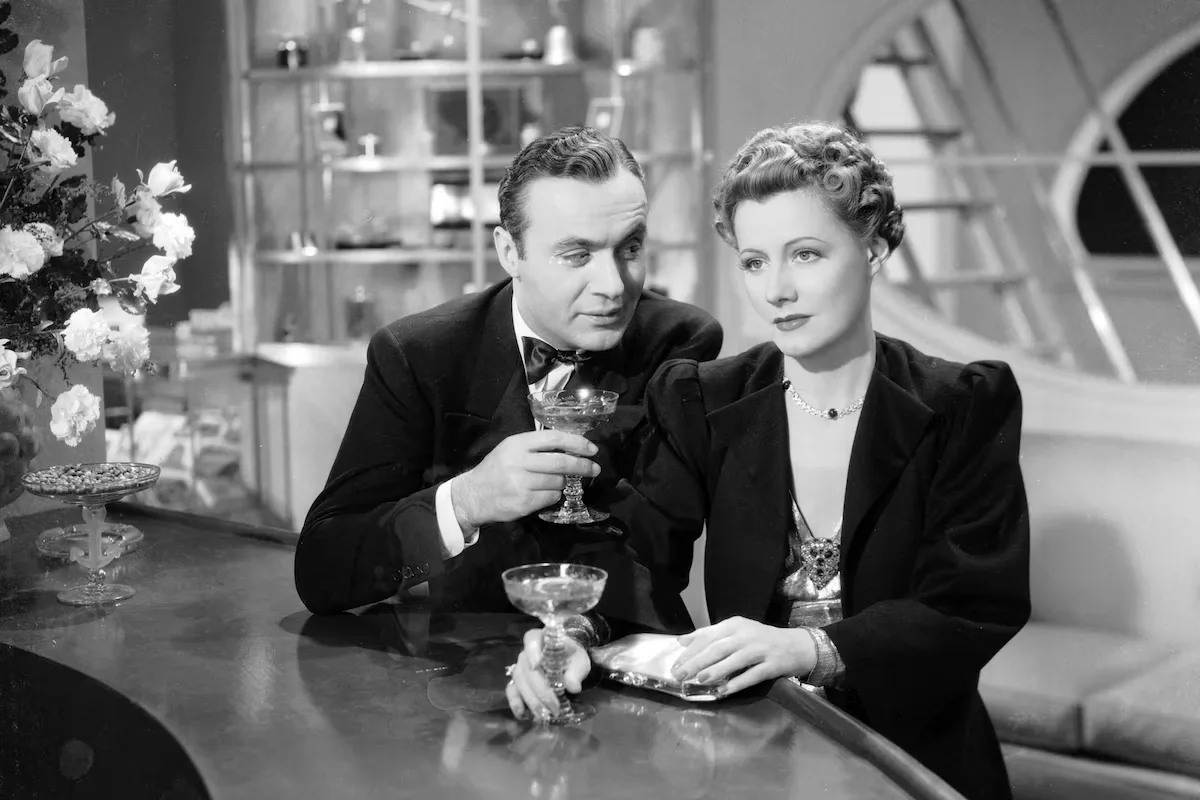
Plot
In December, the French painter and famous playboy Michel Marnet boards an ocean liner bound for New York. Michel is traveling to marry Lois Clarke, a wealthy American heiress. The engagement has made headlines, much to Michel's amusement.
On board, Michel meets Terry McKay, an American former nightclub singer. Terry is returning to Kenneth Bradley, the prosperous man who has supported her and hopes to marry her.
Michel first tries to charm Terry with the easy confidence that has worked on women across Europe. Terry knows his reputation and answers him with teasing skepticism. She is amused, but not impressed enough to surrender immediately.
They dine together and discover how naturally they talk. Their growing attraction soon becomes visible to the other passengers. Uncomfortable under so many curious eyes, Terry and Michel decide to keep their distance.
Their effort lasts only briefly. Even when they sit at separate tables, they remain keenly aware of each other. The ship's public rooms become a stage on which two people pretend not to be falling in love.
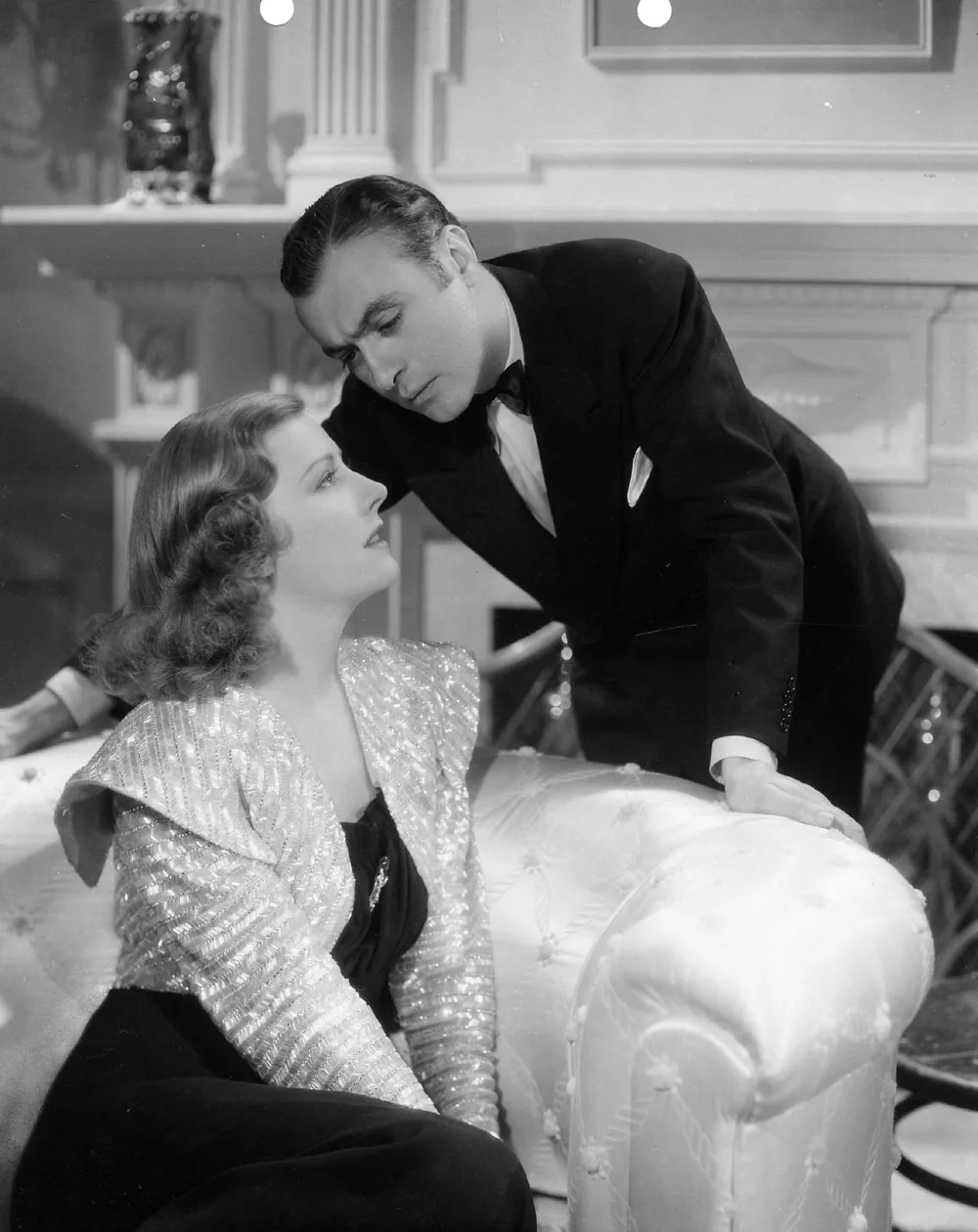
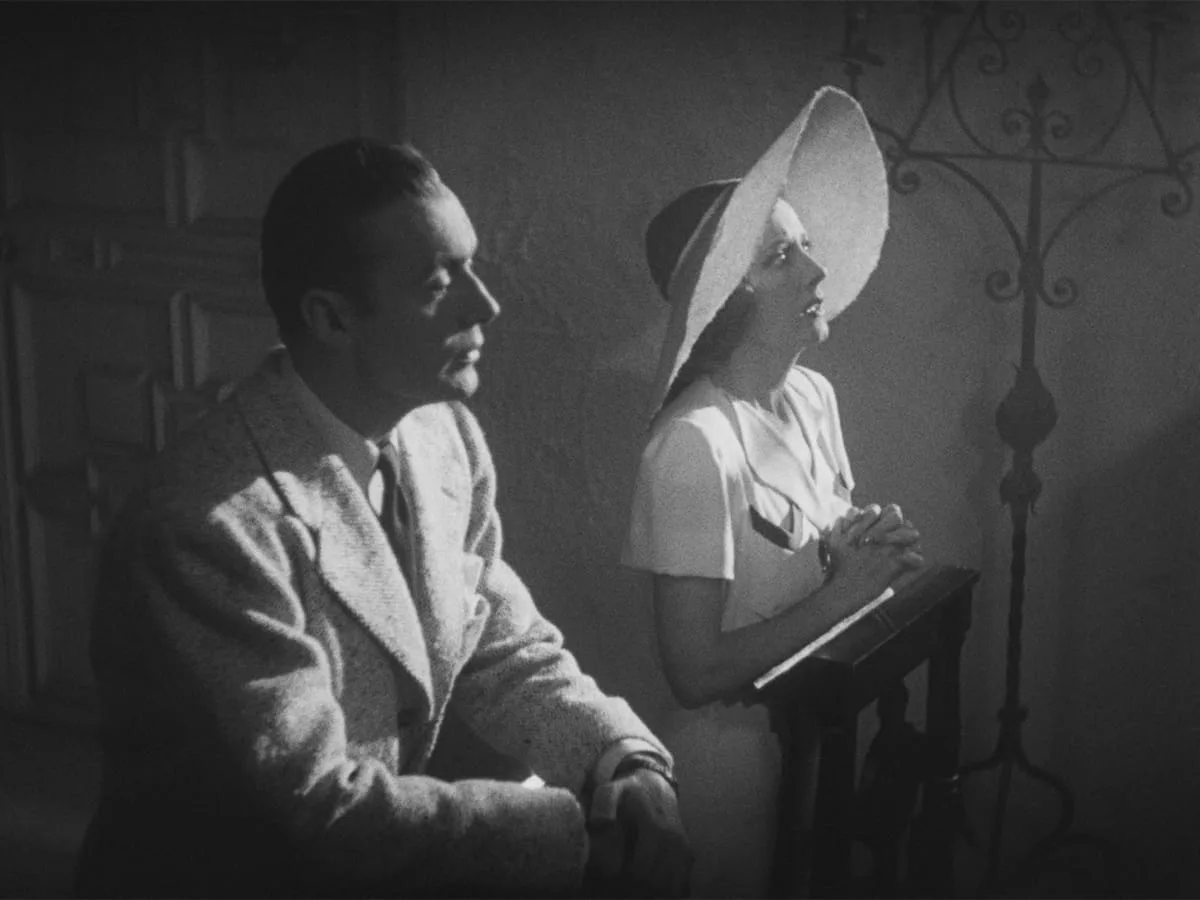
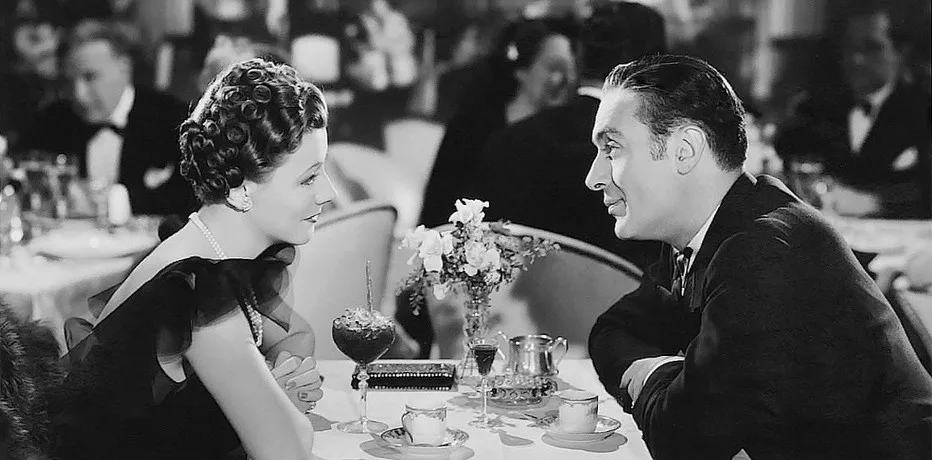
When the liner stops at Madeira, Michel invites Terry to visit his grandmother, Janou. She lives quietly in a white hillside villa overlooking the sea.
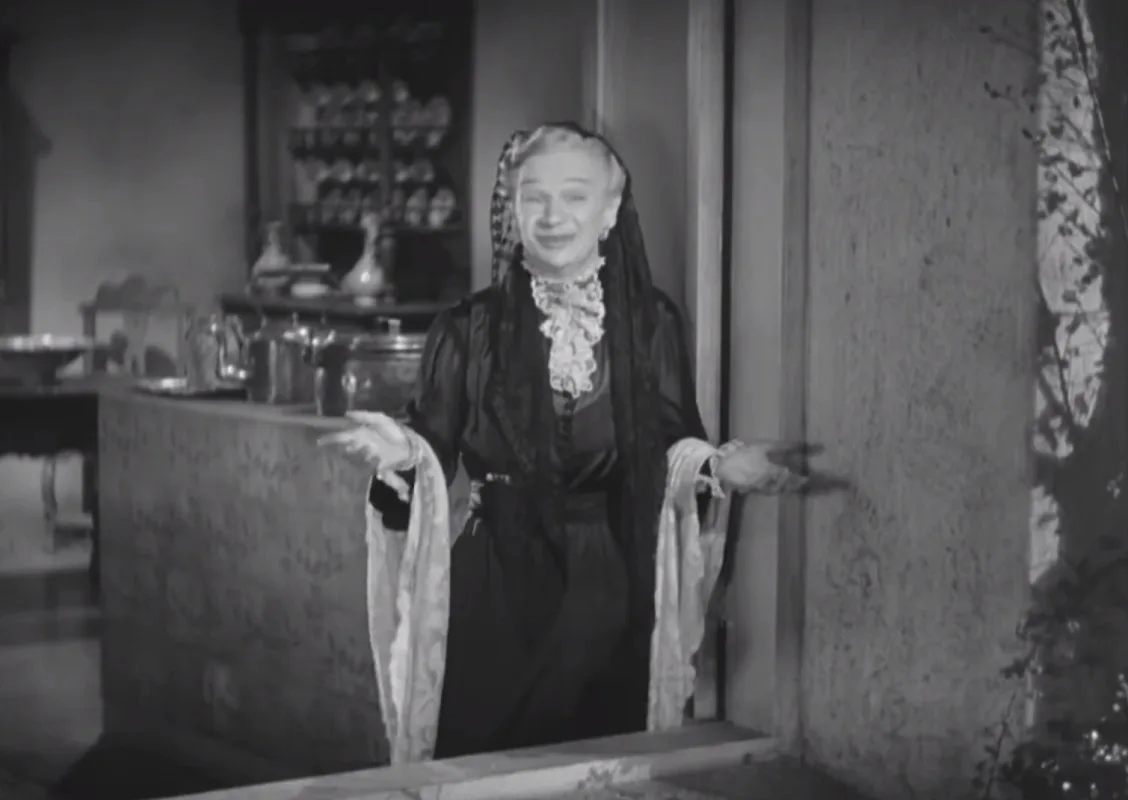
Janou receives Terry with immediate affection. In the older woman's garden, Michel appears different from the charming idler described in newspapers. Terry discovers his tenderness, his talent for painting, and the gentler life he might have led.
Janou recognizes the love developing between them. Before Terry leaves, Janou gives her a delicate lace mantilla that has belonged to the family. The gift makes Terry feel that this meeting has carried her beyond flirtation and into Michel's private world.
Back aboard the ship, Terry and Michel finally admit that they have fallen in love. Both know that emotion alone is not enough. Michel has never supported himself seriously, while Terry is financially dependent on Kenneth Bradley.
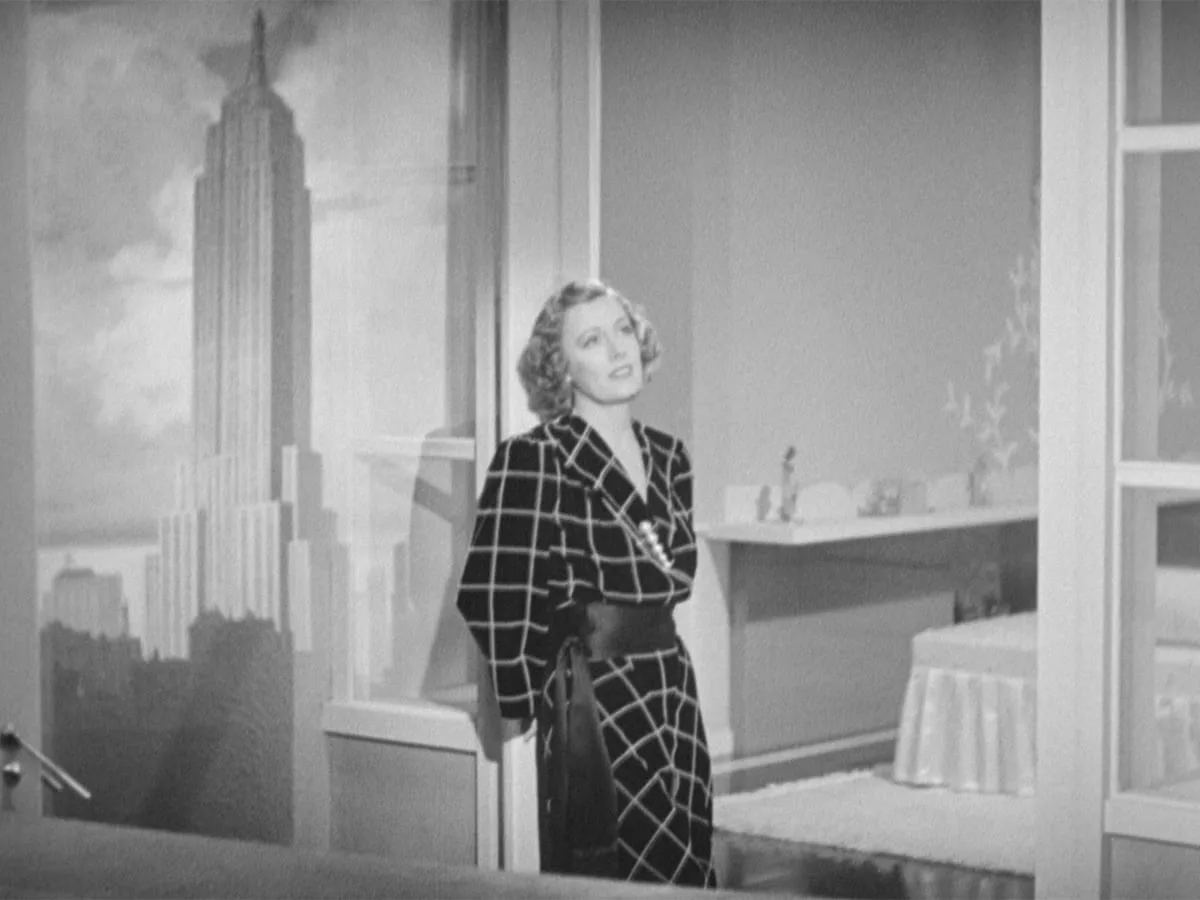
They decide to separate from their current partners and build independent lives. If their love remains unchanged, they will meet six months later at the top of the Empire State Building. Michel calls it the nearest thing to heaven in New York.
At the harbor, Lois Clarke and Kenneth Bradley wait to welcome them. Terry and Michel cannot say goodbye openly. As Kenneth embraces Terry, Michel pauses and gently kisses Terry's hand behind Kenneth's back.
Michel ends his engagement to Lois and begins trying to earn an honest living through his art. He refuses to rely on his celebrated name. When his paintings do not sell quickly, he accepts ordinary work painting advertisements on billboards.
Terry leaves Kenneth and returns to singing. Kenneth understands that she loves someone else, but he remains devoted and does not force her to reveal Michel's identity.
Six months pass. Michel's fortunes begin to improve, and Terry travels to New York for their appointment. On her way to the Empire State Building, she sees Michel waiting above and hurries across the street without watching the traffic.
A car strikes Terry. Michel waits until nightfall, unaware that she lies injured in a hospital. When Terry does not appear, he believes that she has changed her mind.
Terry survives, but loses the use of her legs. Her doctor offers hope that she may walk again, although recovery will require time and difficult treatment.
Terry refuses to contact Michel. She cannot bear the thought that he might return from pity rather than love. Instead, she allows him to believe that she simply failed to keep their promise.
Terry begins teaching music to children at an orphanage. The work gives her a new purpose, while Kenneth quietly pays for her medical care. Terry accepts his help but refuses his renewed proposal of marriage.
Months later, Terry and Michel unexpectedly see each other at a theater. Each is accompanied by the former partner they did not marry. Their exchange is polite, controlled, and painfully brief.
Michel later learns that Janou has died. Before her death, she asked him to give Terry the lace mantilla. Michel visits Terry at her apartment on Christmas Eve, still not knowing why she missed their meeting.
Terry remains on a sofa and carefully hides her disability. She tells Michel that she has been unable to sing and lets him speak of the woman who abandoned him.
Michel mentions a painting he once made of Terry wearing Janou's mantilla. He explains that he gave it to an art dealer, who later presented it to a woman who had no money and used a wheelchair.
The truth comes to him slowly. Michel enters the bedroom and finds the painting hanging there. He now understands that Terry did not reject him. She had been injured on the way to meet him and had hidden herself out of pride.
Michel returns to Terry, no longer angry. When Terry says that she may walk again if Michel will paint, he answers with renewed hope. The missed appointment has cost them months, but not their love.
Cast
Irene Dunne as Terry McKay
Charles Boyer as Michel Marnet
Maria Ouspenskaya as Janou, Michel's grandmother
Lee Bowman as Kenneth Bradley
Astrid Allwyn as Lois Clarke
Maurice Moscovich as Maurice Cobert
American actress and trained singer Irene Dunne gives Terry McKay intelligence, mischief, and emotional discipline. Terry can answer Michel's practiced charm without becoming cold. Later, Irene Dunne lets pain enter the performance quietly, through pauses, unfinished sentences, and the careful way Terry refuses to move from the sofa.
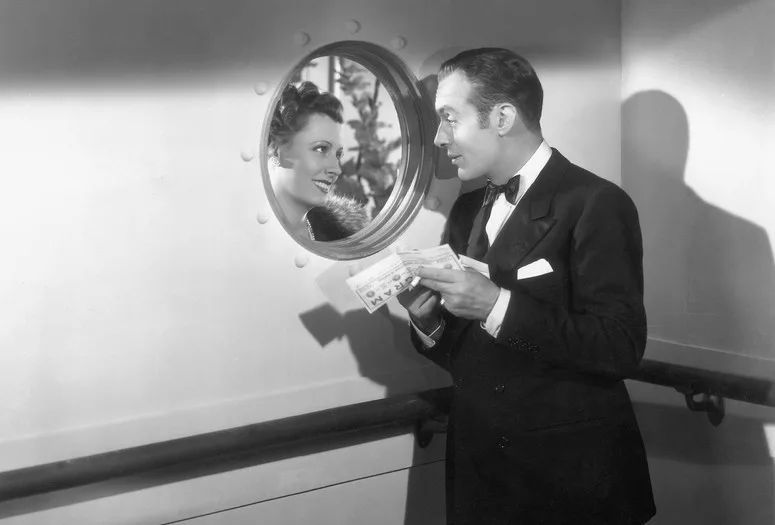
French actor Charles Boyer plays Michel Marnet with a gentleness beneath the playboy polish. Michel begins as a man who treats romance as a pleasant art. Love forces him to discover work, patience, disappointment, and responsibility.
Russian actress Maria Ouspenskaya appears only briefly as Janou, yet her presence changes the film. Janou sees Michel not as the notorious man described in newspapers, but as the boy he once was and the better man he may still become.
American actor Lee Bowman gives Kenneth Bradley unusual dignity. Kenneth could have been written as a convenient obstacle. Instead, he becomes a man whose love is generous enough to help Terry even after he understands that her heart belongs elsewhere.
Production
The idea for Love Affair came to Leo McCarey during an ocean voyage with his wife, Stella McCarey. The director imagined two people meeting aboard a ship, falling in love, and promising to meet again after first putting their lives in order.
Leo McCarey developed the story with American writer Mildred Cram. American screenwriters Delmer Daves and Donald Ogden Stewart then worked on the screenplay, but the script remained fluid during production.
That uncertainty became part of the film's creative energy. Pages were rewritten so frequently that Irene Dunne and Charles Boyer sometimes waited for dialogue to arrive rather than memorizing scenes far in advance. The actors helped shape the rhythm through suggestion and improvisation.
The film's unusual structure caused particular difficulty. Its first half is bright, mobile, and playful. Its second half becomes still, secretive, and painful. Leo McCarey needed a scene that could carry the romance from one emotional world into the other.
Charles Boyer suggested giving greater importance to Michel's grandmother. The visit to Janou in Madeira became the bridge the film needed. It reveals Michel's capacity for tenderness and gives Terry a glimpse of the home, memory, and continuity missing from his public life.
Irene Dunne and Charles Boyer later remembered the production with great affection. Both named Love Affair among their personal favorites. Their ease together explains why even the film's saddest scenes retain a current of wit.
The two stars were well suited to Leo McCarey's spontaneous method. Irene Dunne could move effortlessly from sophisticated comedy to song and melodrama. Charles Boyer understood that Michel's charm would be more persuasive if it seemed amused by itself.
Cinematographer Rudolph Maté photographed the romance in luminous black and white. The ship is made of railings, mist, polished interiors, and open decks. Madeira offers sunlight, flowers, white walls, and a small chapel. New York brings darker rooms, winter streets, and the distant height of the Empire State Building.
Production designer Van Nest Polglase and art director Alfred Herman created elegance without excessive display. The ocean liner suggests luxury, but it never overwhelms the actors. Janou's villa is simpler and more personal. Its garden and chapel feel suspended outside ordinary time.
Set decorator Darrell Silvera completed the interiors with carefully chosen details. Janou's home carries the accumulated grace of a life fully lived. Terry's later apartment is comfortable but enclosed, allowing the final scene to depend on small distances, hidden doors, and the placement of Michel's painting.
Costume designers Howard Greer and Edward Stevenson dressed Irene Dunne in a wardrobe of refined modern simplicity. Terry's shipboard clothes use clean lines, elegant hats, fitted jackets, and soft evening fabrics. She looks cultivated enough to belong in Michel's world, but never ornamental.
The costumes also support Terry's independence. Her clothes are graceful rather than girlish, and practical enough for travel. When she wears Janou's lace mantilla, the heirloom adds a different kind of beauty. For one quiet moment, Terry appears connected to Michel's family and to a future neither lover can yet claim.
Charles Boyer's tailoring establishes Michel before he explains himself. His formal coats, evening clothes, and immaculate day suits belong to a man accustomed to privilege and scrutiny. As Michel begins working, the image becomes less ceremonial. Love has asked him to become useful, not merely attractive.
American composer Roy Webb wrote the musical score. The film also introduced "Wishing (Will Make It So)," with music by Harold Arlen and words by Buddy G. DeSylva. Its simple faith in wishing echoes the lovers' promise, while reminding the audience that hope alone cannot prevent accident or misunderstanding.
Irene Dunne's musical ability becomes part of Terry rather than a decorative interlude. Her singing makes the character's former nightclub life believable, then returns in a more generous form when Terry teaches children. Music becomes the work through which she rebuilds herself.
The Hollywood Production Code initially viewed the story with suspicion because both lovers were engaged to other people. The screenplay had to make their moral choices clear. Terry and Michel do not simply abandon responsibility for pleasure. They agree to separate, earn their independence, and meet only when they can approach each other honestly.
That constraint helped give the romance its shape. Desire leads not directly to possession, but to a six-month test. The lovers must become worthy of the future they imagine before they are allowed to claim it.
Release/Reception
Love Affair opened at Radio City Music Hall in New York on 16 March 1939 and entered wider American release in April. It arrived during an extraordinary year for Hollywood, alongside Gone with the Wind (1939), The Wizard of Oz (1939), Stagecoach (1939), Ninotchka (1939), and Mr. Smith Goes to Washington (1939).
Contemporary critics admired Leo McCarey's blend of comedy and sorrow. The film begins with the polished surface of a romantic comedy, then gradually reveals the emotional weight beneath it. Irene Dunne and Charles Boyer were praised for making the change feel natural.
The film received six Academy Award nominations. These included Outstanding Production, Best Actress for Irene Dunne, Best Supporting Actress for Maria Ouspenskaya, Best Original Story for Mildred Cram and Leo McCarey, Best Art Direction for Van Nest Polglase and Alfred Herman, and Best Original Song for "Wishing (Will Make It So)."
The film won no Academy Awards, but its story proved unusually durable. Leo McCarey remade it in color as An Affair to Remember (1957), with Cary Grant and Deborah Kerr. Warren Beatty and Annette Bening later starred in another version titled Love Affair (1994).
The Empire State Building appointment became one of romantic cinema's most recognizable ideas. It was affectionately revived in Sleepless in Seattle (1993), which introduced the story to another generation and treated An Affair to Remember (1957) almost as a shared language of longing.
The original remains quieter than its descendants. It has no need to announce its importance. Its greatest revelation takes place in an apartment, when a man notices a painting, understands a woman's silence, and lets anger give way to love.
Where to watch Love Affair online
Because Love Affair (1939) is in the public domain in the United States, it is more widely available online than many films of its period. Viewers can watch or download it free through the Internet Archive. Open Classic Cinema also offers access through an embedded YouTube player, subject to regional availability.
Depending on country, the film may also be available through:
Plex
Pluto TV
Tubi
Kanopy
Hoopla
The Criterion Channel
HBO Max
MGM+
IndieFlix
Fawesome
The Roku Channel
Amazon Prime Video
Apple TV Store
Some services offer the film free with advertising, while others require a subscription, rental, or digital purchase. Availability, picture quality, subtitles, and rights vary by country. Restored editions may also carry rights separate from the underlying public-domain film.