People
Marie-Thérèse Reboul (26 February 1735 – 28 December 1805)
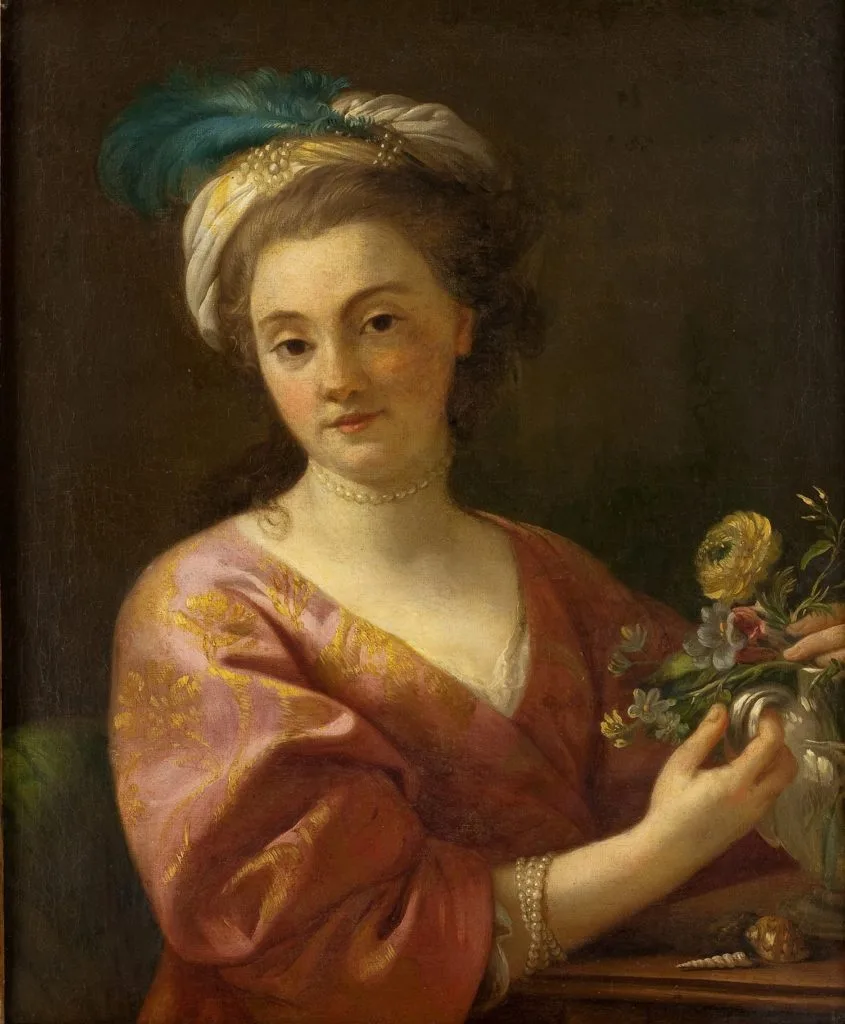
Marie-Thérèse Reboul (26 February 1735 – 28 December 1805), commonly known as Madame Vien after her marriage, was a French painter and engraver specializing in natural history subjects, flowers, and birds. In 1757, at twenty-two, she became only the second woman elected to the Académie Royale de Peinture et de Sculpture — a distinction Anne Vallayer-Coster would match thirteen years later — and one of just fifteen women ever admitted as full academicians across the institution's 145-year history.
Biography
Marie-Thérèse Reboul was born in Paris on 26 February 1735.
Little is known for certain about her formal training. She is thought to have studied, at least informally, with Madeleine Basseporte, the same royal court botanical illustrator who would later help shape a young Anne Vallayer-Coster's education.
Before her marriage, Reboul was already working professionally as an illustrator, engraving natural-history plates for the naturalist Michel Adanson's Histoire Naturelle du Sénégal (1757) and for an antiquarian study of papyrus by the connoisseur and collector the Comte de Caylus.
It was Caylus, in fact, who set the next chapter of her life in motion. Eager both to advance the young artist's career and to end the long bachelorhood of his friend, the painter Joseph-Marie Vien, Caylus took it upon himself to introduce the two.
Vien was nineteen years older than Reboul, and already an established member of the Académie.
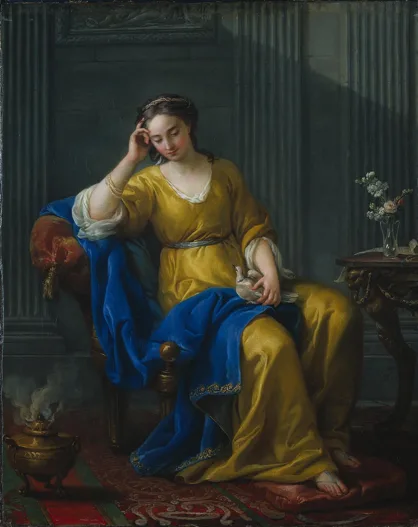
The couple married in the spring of 1757.
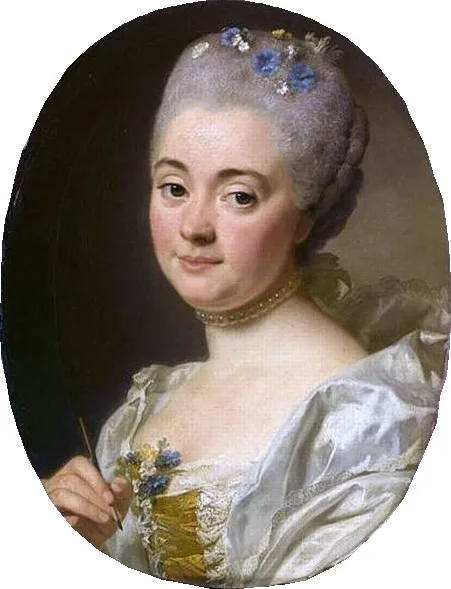
A few months later, on 30 July, Reboul was admitted to the Académie Royale de Peinture et de Sculpture at twenty-two — the first woman elected to the institution in thirty-seven years, since Rosalba Carriera's admission a generation earlier.
Her formal reception piece, Two Pigeons on a Tree Branch, a watercolor, was not completed and accepted until 1762, five years after her initial admission — not unusual, for an institution that often let new academicians take their time.
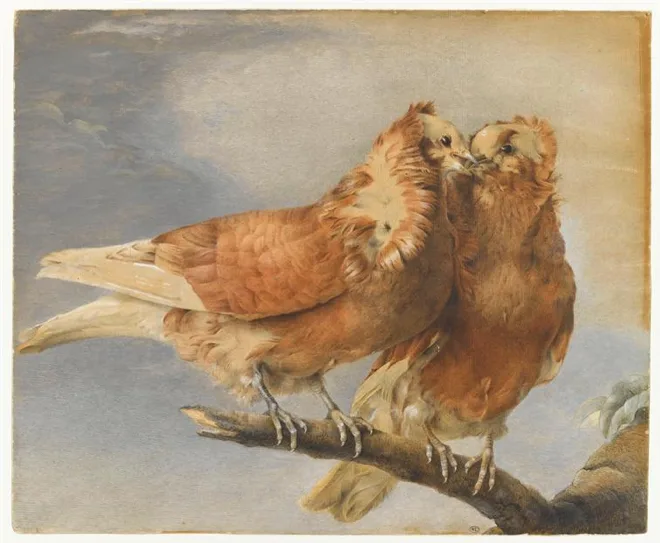
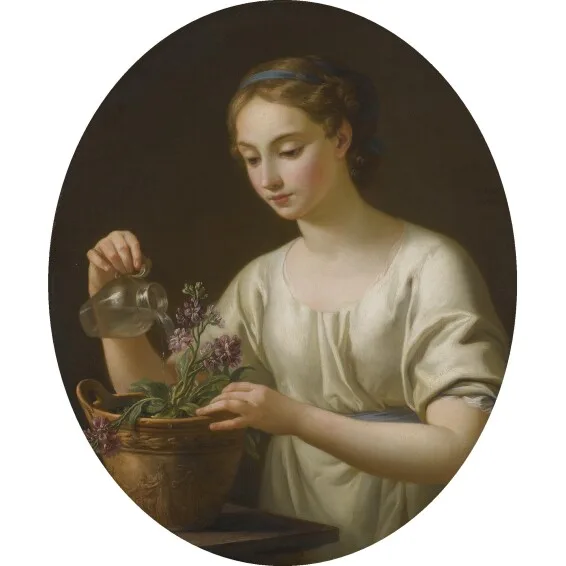
Reboul-Vien exhibited flowers, birds, butterflies, and natural-history miniatures at the Salon from 1757 to 1767.
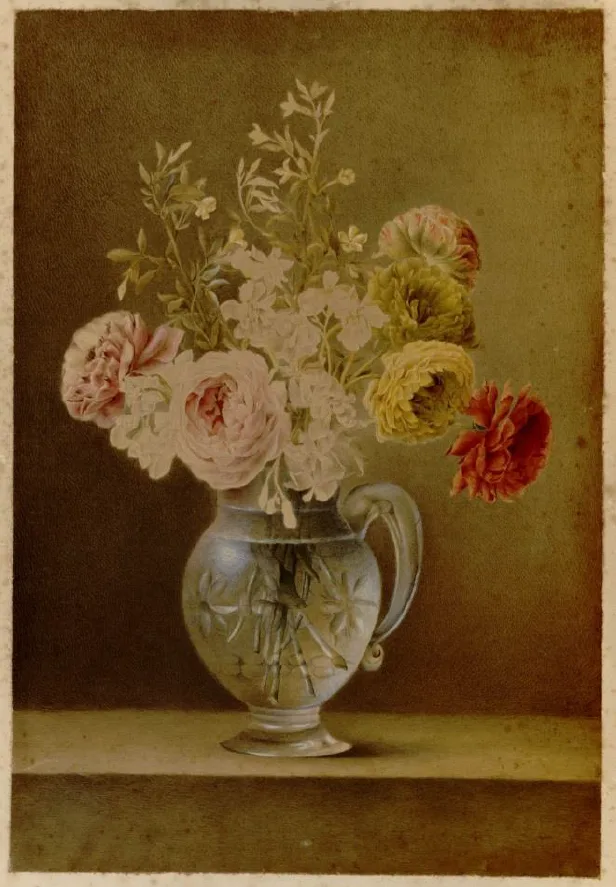
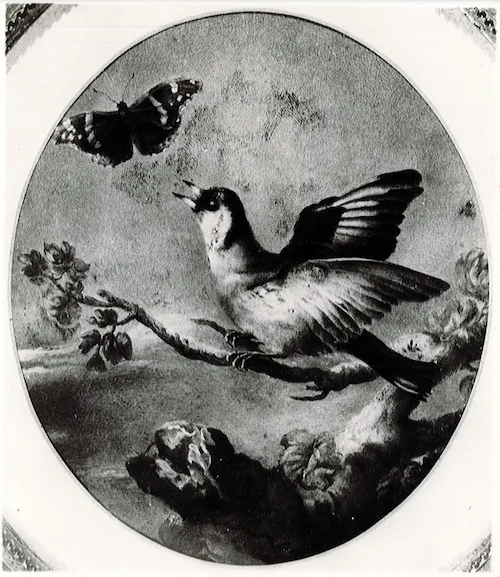
Even during her own lifetime, whispers followed her work: some contemporaries alleged she did not actually paint the pictures shown under her name, implying, without ever quite saying so outright, that credit belonged instead to her far more established husband. The claim was never substantiated, and modern art historians treat it as exactly the kind of accusation women artists of the period were routinely subjected to.
Over their forty-nine years of marriage, the Viens had three children: one died in infancy, another as a young adult, and their eldest son, Joseph-Marie Vien the younger, grew up to become a painter in his own right.
Reboul-Vien stopped exhibiting publicly not long after the birth of her third child, in the late 1760s, and never really returned to public exhibition afterward.
There was, for a while, a real possibility of something larger: surviving correspondence from the late 1760s suggests Reboul-Vien was seriously considered to succeed Basseporte as the Crown's official painter of flowers at the Jardin du Roi. Competing interests among the powerful men who controlled the appointment meant the position never came to her.
She held an honorary membership in Rome's Accademia di San Luca — a recognition, at least, that traveled further than her Paris career ultimately did.
Her husband's career, meanwhile, kept climbing for decades after hers had quietly stalled. Joseph-Marie Vien rose to become the last Premier peintre du Roi, First Painter to the King, before the post itself was abolished in the Revolution, and lived to ninety-two — long enough to be buried, eventually, in the Panthéon.
Marie-Thérèse Reboul died in Paris on 28 December 1805, at seventy — a date some later accounts push a week or two into January 1806, though archival records confirm the December date. Her husband outlived her by more than three years.
She is remembered today, when she is remembered at all, mostly as a footnote to two other names: her husband's, and that of Anne Vallayer-Coster, the still-life painter who followed her into the Académie thirteen years later and went on to eclipse her completely in fame. But it was Reboul who broke the thirty-seven-year drought first, and opened, however narrowly, the door Vallayer-Coster later walked through.