People
Marilyn Monroe (born Norma Jeane Mortenson; 1 June 1926 – 4 August 1962)
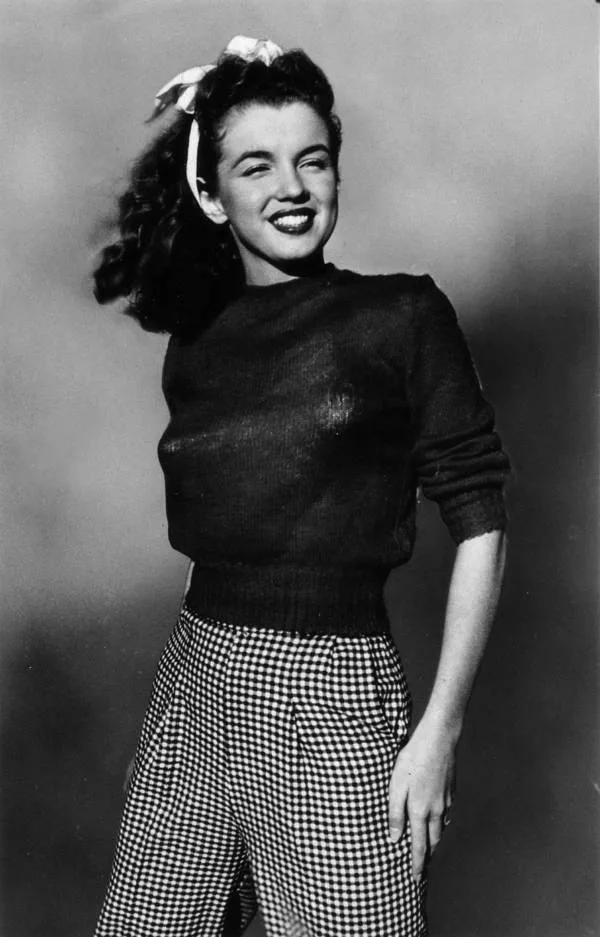
Marilyn Monroe (born Norma Jeane Mortenson; 1 June 1926 – 4 August 1962) was an American actress and model, and one of the defining sex symbols of twentieth-century Hollywood. Famous for Gentlemen Prefer Blondes (1953), The Seven Year Itch (1955), and Some Like It Hot (1959), she built a screen persona so vivid it has outlasted every decade since her death, even as the woman behind it spent most of her short life fighting for a measure of control her fame never quite allowed her.
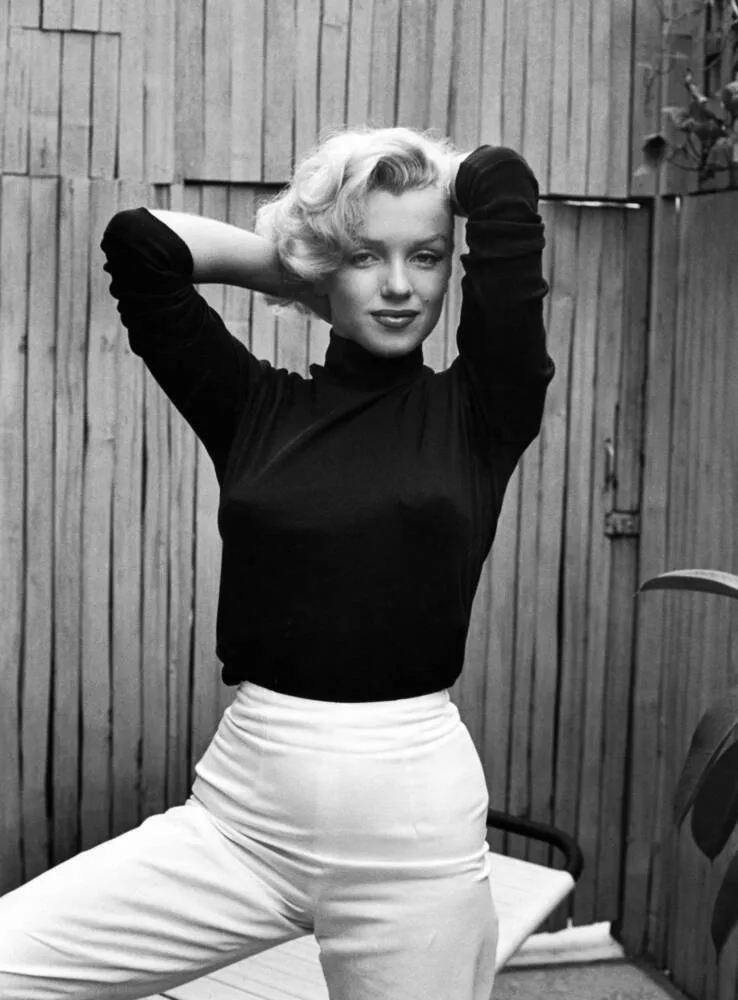
Biography
Norma Jeane Mortenson was born in Los Angeles on 1 June 1926. Her mother, Gladys Pearl Baker, worked as a film cutter. Her biological father, later identified through DNA testing as Charles Stanley Gifford, played no part in her life at all.
Within two weeks of the birth, Gladys placed her infant daughter with foster parents, Ida and Wayne Bolender. Norma Jeane moved back in with her mother briefly at seven, in the summer of 1933. It didn't last.
In January 1934, Gladys suffered a complete mental breakdown. She was diagnosed with paranoid schizophrenia and committed to a state hospital, the first of many. She would spend most of the rest of her life in and out of psychiatric care, rarely in contact with her daughter.
Norma Jeane cycled through further foster homes and an orphanage. Decades later, she said the movies had been her refuge from all of it. "I loved to play," she remembered. "I didn't like the world around me because it was kind of grim, but I loved to play house. When I heard that this was acting, I said that's what I want to be."
At sixteen, facing another move that would have meant an orphanage or a new foster placement, Norma Jeane chose marriage instead. She wed her neighbor, James Dougherty, on 19 June 1942.
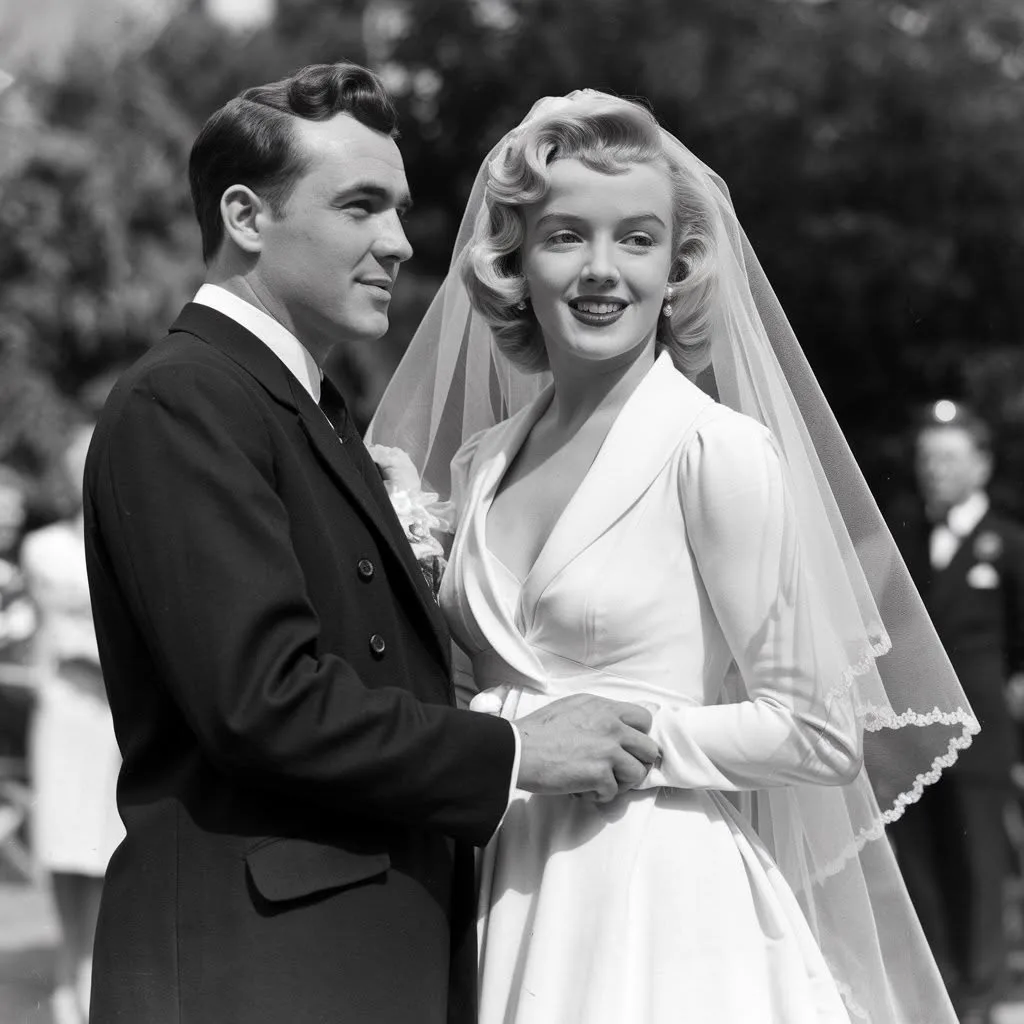
The marriage strained almost immediately once Dougherty joined the U.S. Merchant Marine during the war. Norma Jeane took a job at the Radioplane munitions factory in Burbank, spraying fuselages with plastic sealant.
In 1944, an Army photographer visiting the plant noticed how naturally she lit up in front of a camera, and asked her to model a sweater for a magazine feature. It was the beginning of an entirely different career.
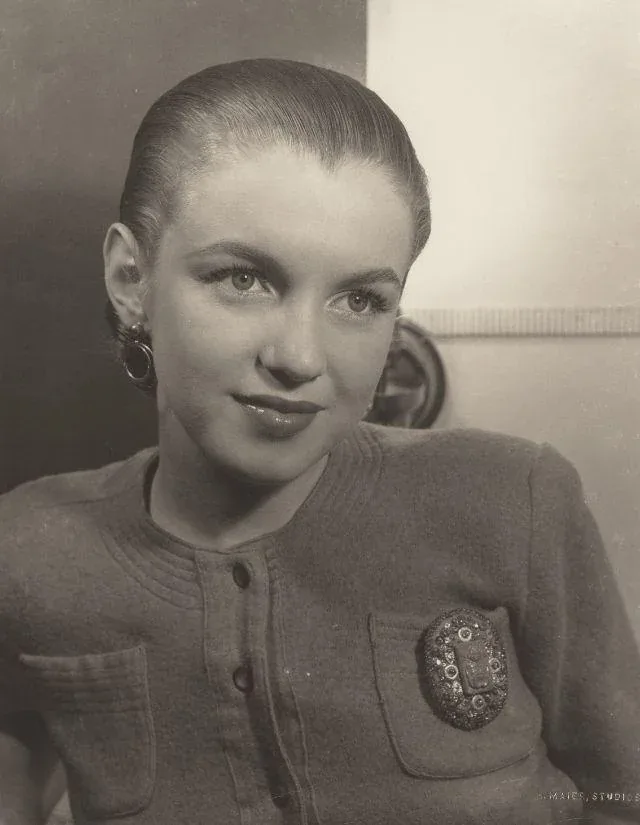
Norma Jeane signed with the Blue Book modeling agency and began appearing on magazine covers around the country.
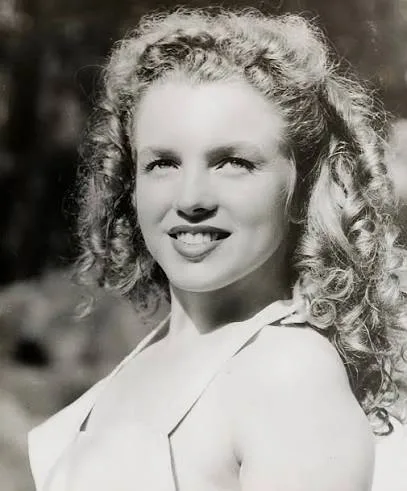
By 1946, her divorce from Dougherty was barely finalized when she signed her first studio contract, with 20th Century Fox. The studio asked her to change her name. She dyed her light brown hair platinum blonde and became, from that point forward, Marilyn Monroe.
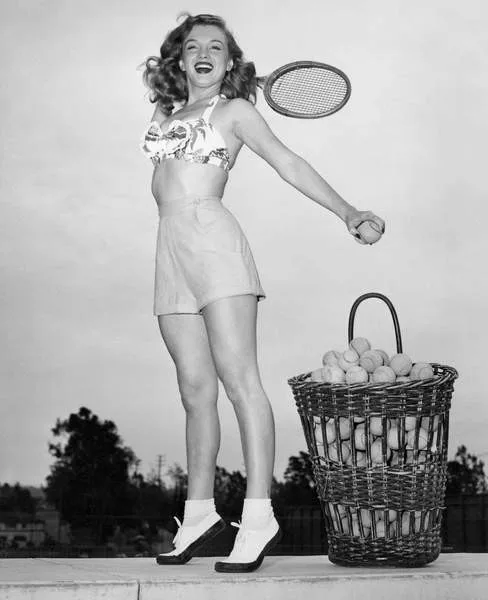
Small, largely forgettable roles followed for several years, alongside a short-lived deal with Columbia Pictures.
Two 1950 films, John Huston's The Asphalt Jungle and Joseph L. Mankiewicz's All About Eve, gave her small but genuinely noticed parts, and by 1953 Marilyn had leading-lady status: Niagara, Gentlemen Prefer Blondes, and How to Marry a Millionaire all came out that same year.
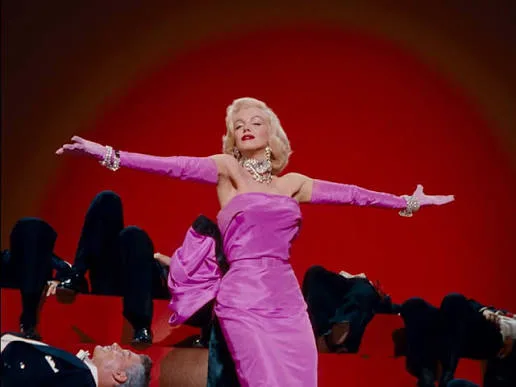
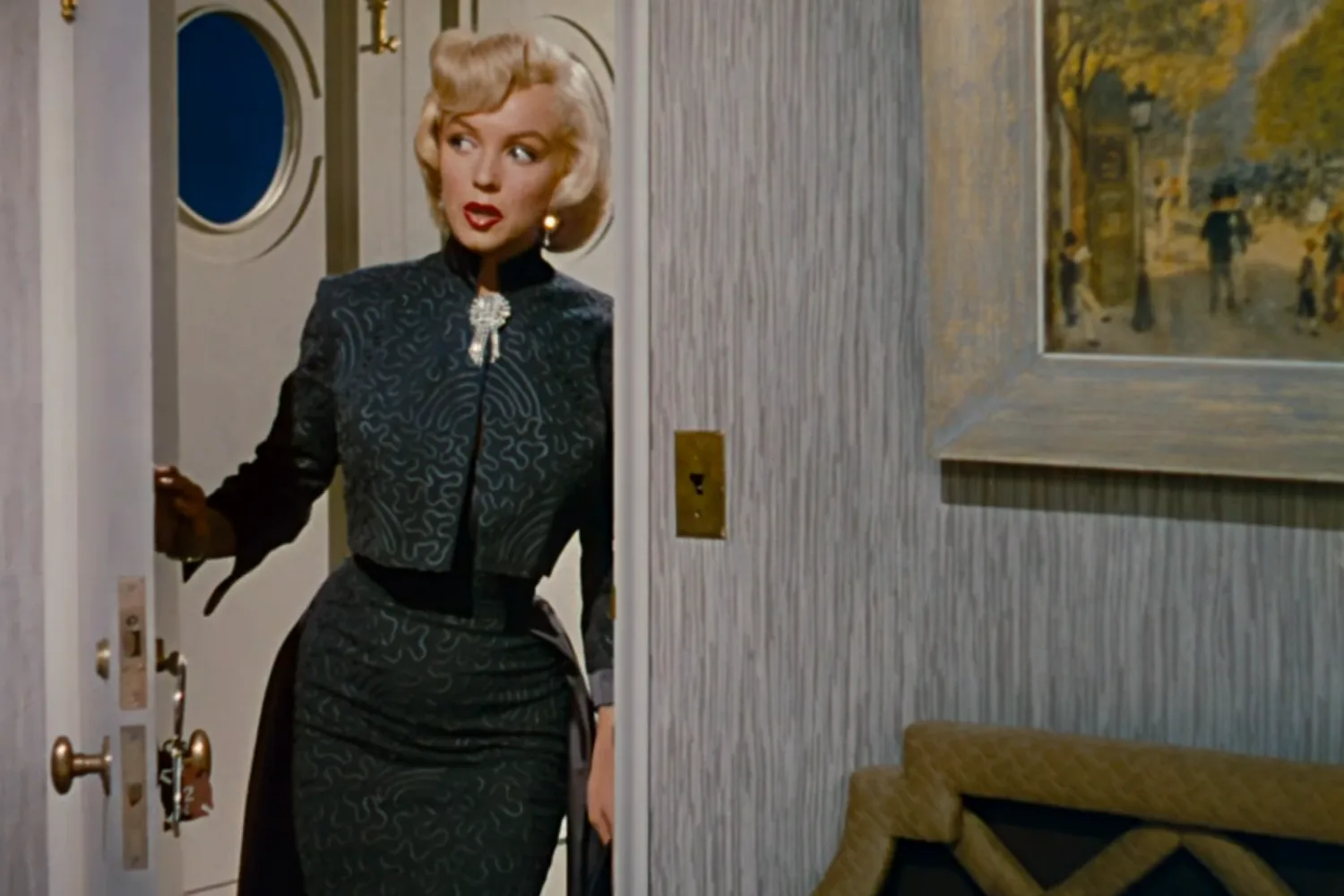
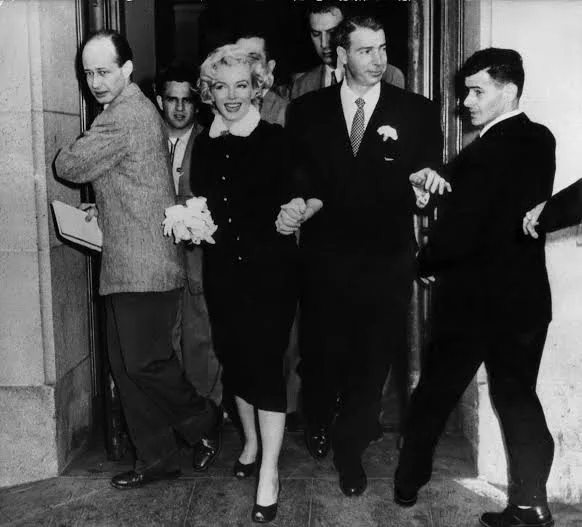
Marilyn began seeing the retired baseball star Joe DiMaggio in 1953. He proposed on New Year's Eve; she reportedly asked him, half in jest, to promise to bring flowers to her grave every week if she died first. He promised. They married at San Francisco City Hall on 14 January 1954.
The marriage did not survive the year. In September, while DiMaggio watched from the crowd, Marilyn filmed the now-iconic subway-grate scene for The Seven Year Itch, her white dress billowing above a passing train as photographers and onlookers cheered.
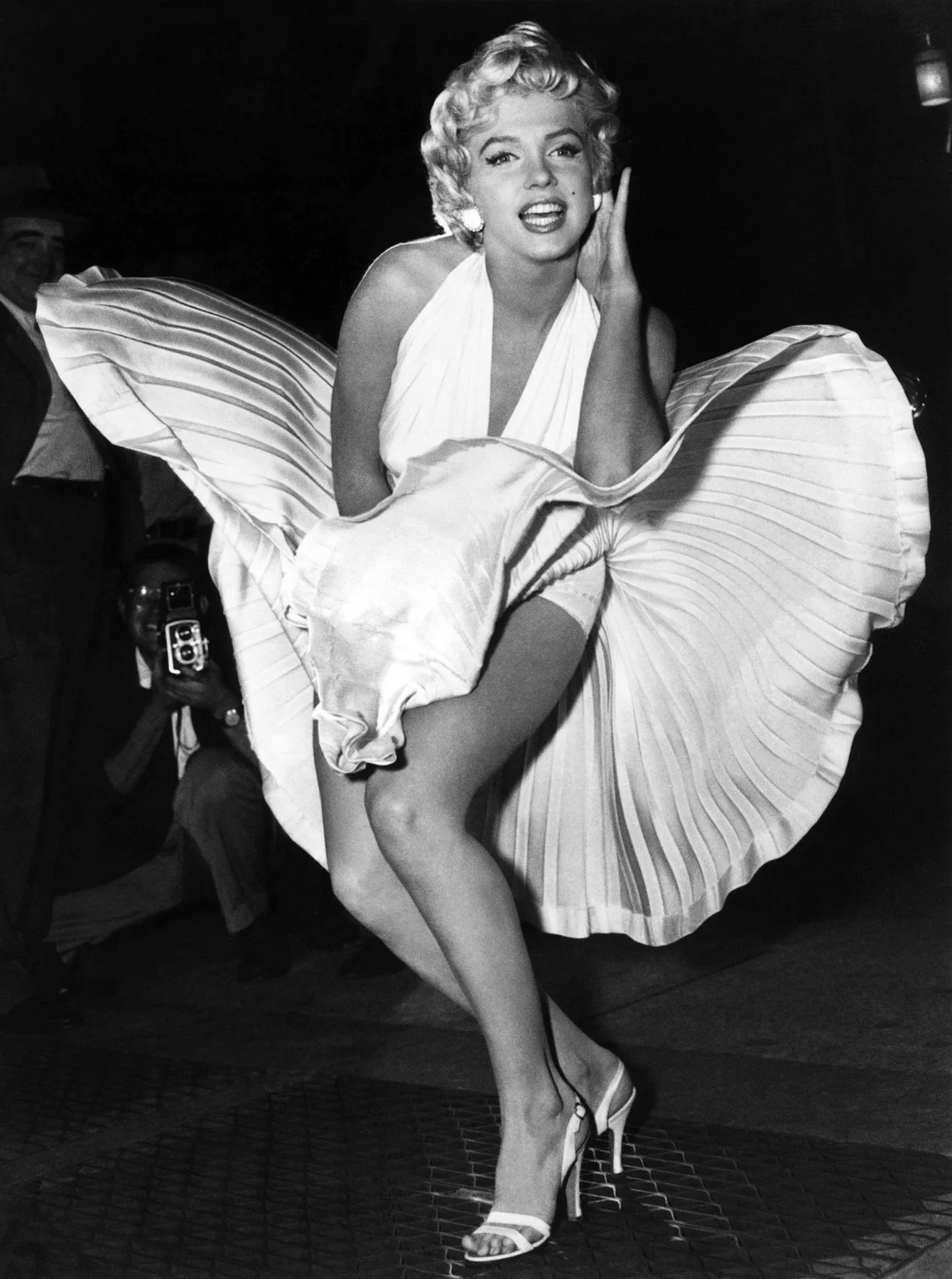
DiMaggio, furious at the public spectacle, filed for divorce weeks later, in October 1954, though he escorted her to the film's premiere the following June regardless.
Marilyn moved to New York and began studying under Lee Strasberg at the Actors Studio, determined to be taken seriously as an actress rather than only as a body. In 1955, she also formed her own production company, Marilyn Monroe Productions, an unusually bold move for any actress of the era, giving her rare leverage over her own studio contract.
That same year, Marilyn renewed an old acquaintance with the playwright Arthur Miller, whom she had first met in 1950. Their relationship deepened once she was in New York; Fox executives urged her to end it, since Miller was under FBI investigation and had been subpoenaed by the House Un-American Activities Committee over allegations of Communist sympathies. Marilyn refused. She married Miller on 29 June 1956.
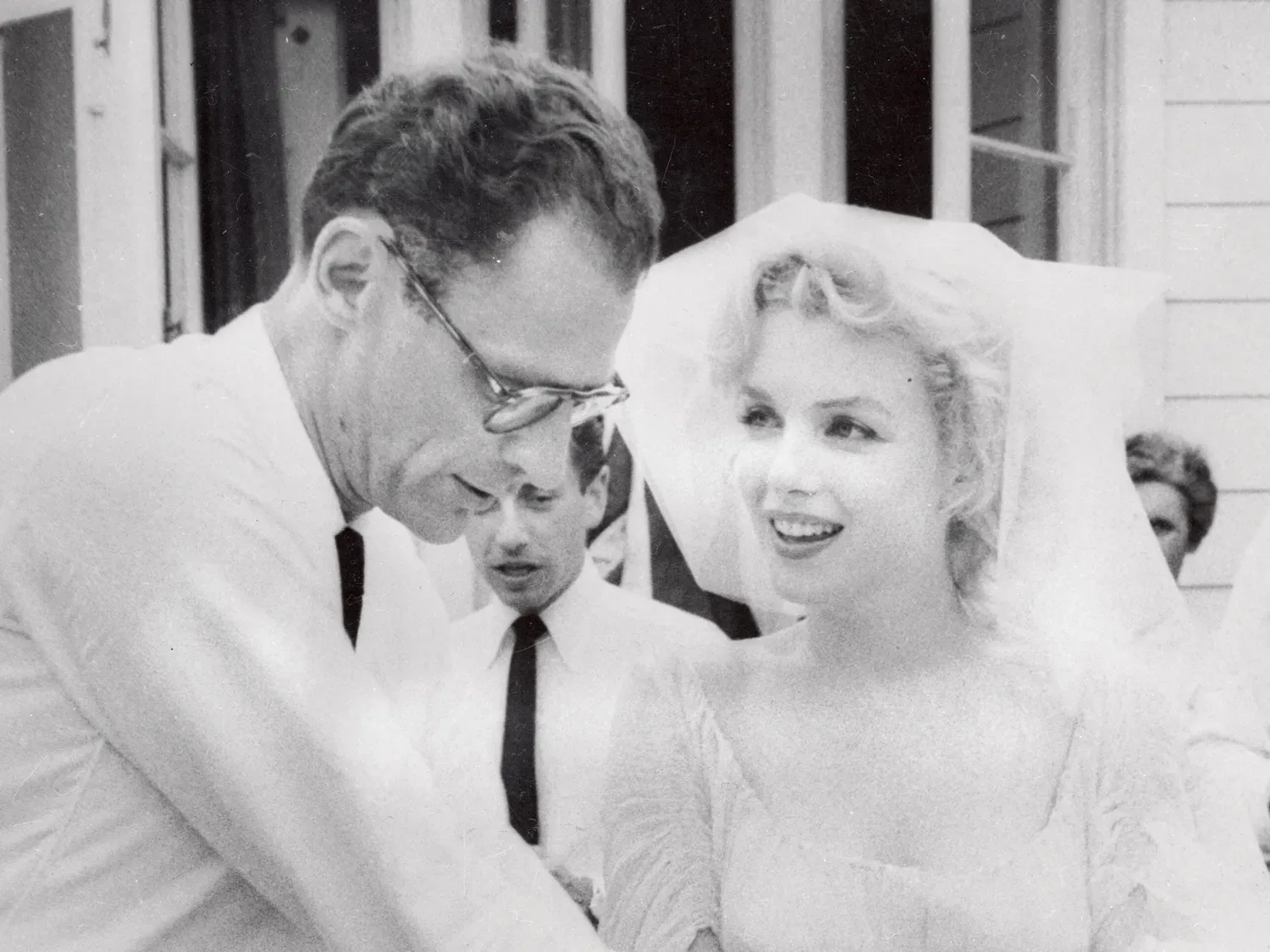
Cracks appeared almost immediately in this marriage too. Marilyn found notes Miller had written expressing private doubts about their relationship while they were still on their honeymoon in England.
She went on to suffer a miscarriage and an ectopic pregnancy over the following years, and leaned increasingly on prescription pills as her moods grew harder to manage.
However, she still delivered two of her most acclaimed performances during these years, in Bus Stop (1956) and Some Like It Hot (1959), the latter shot under conditions so difficult that co-star Tony Curtis and director Billy Wilder both later described it as one of the hardest productions of their careers.
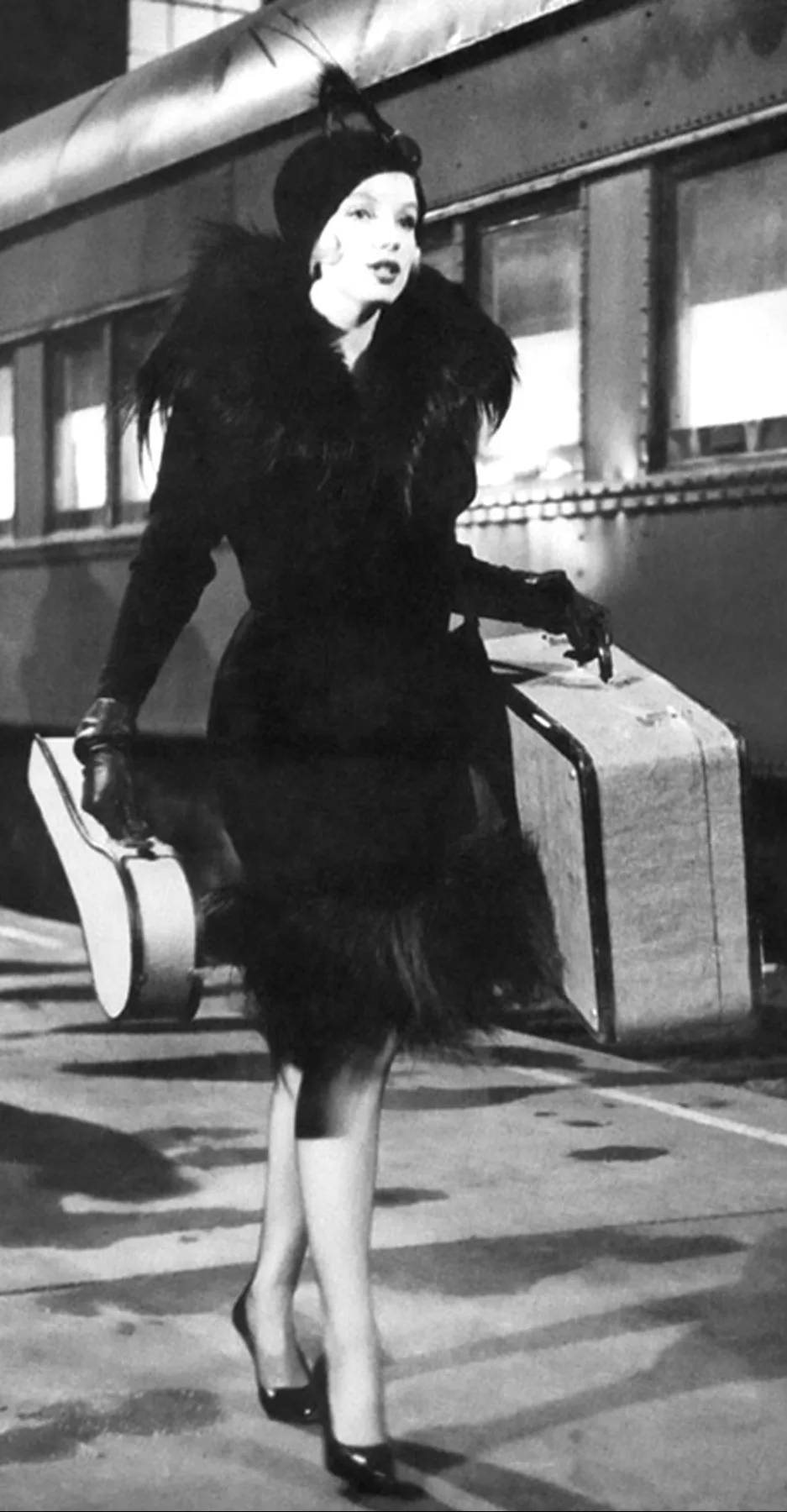
While still married to Miller, Marilyn had a widely reported affair with her Let's Make Love co-star, the French actor Yves Montand.
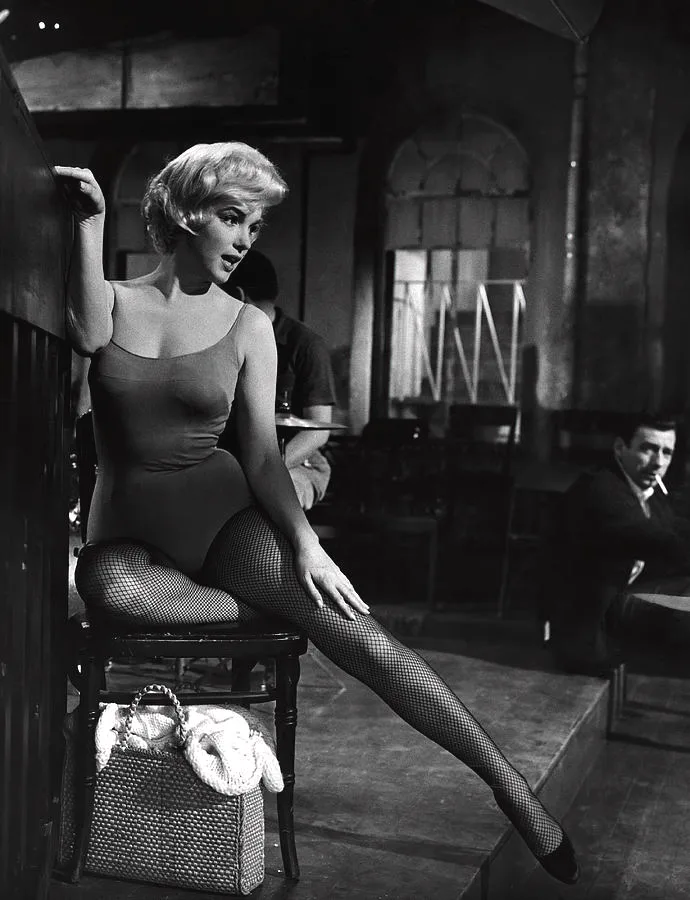
Marilyn and Miller divorced on 20 January 1961, shortly after finishing work together on The Misfits, a screenplay Miller had written specifically for her.
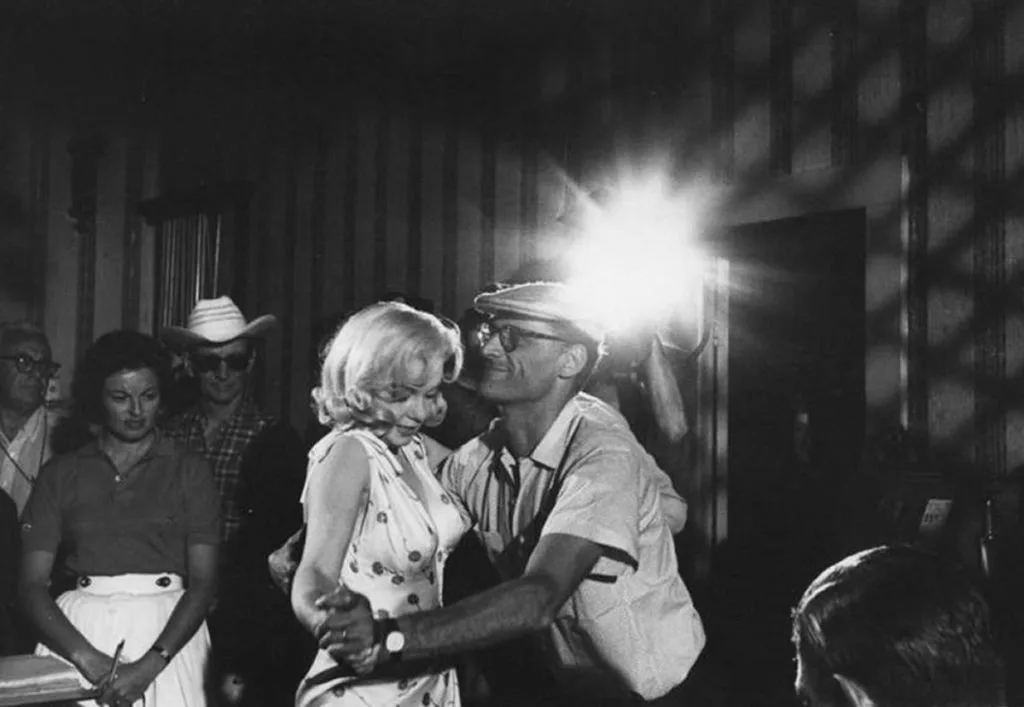
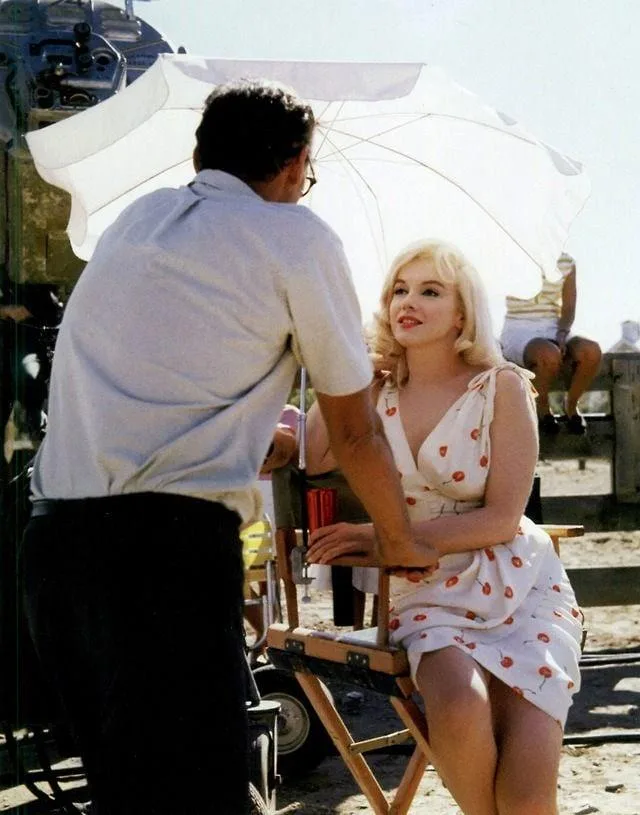
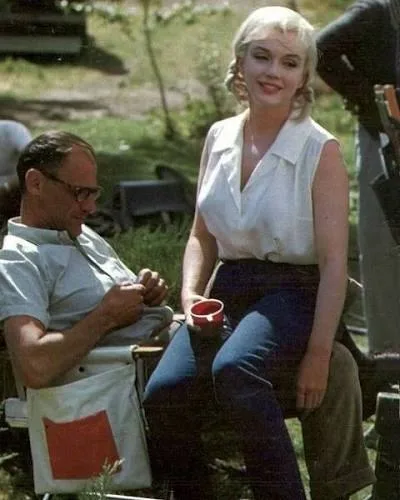
The following month, February 1961, Marilyn was admitted to a psychiatric clinic. It was Joe DiMaggio, by then her ex-husband for six years, who arranged her release and took her to Florida to recover at the Yankees' spring training camp. The two grew close again, and DiMaggio told friends he expected they would remarry.
In the spring of 1962, Marilyn began work on a new film, tellingly titled Something's Got to Give. Her behavior on set grew erratic, and after twelve days of filming, the studio fired her and sued her for half a million dollars, before quietly agreeing to reinstate her so the picture could still be completed.
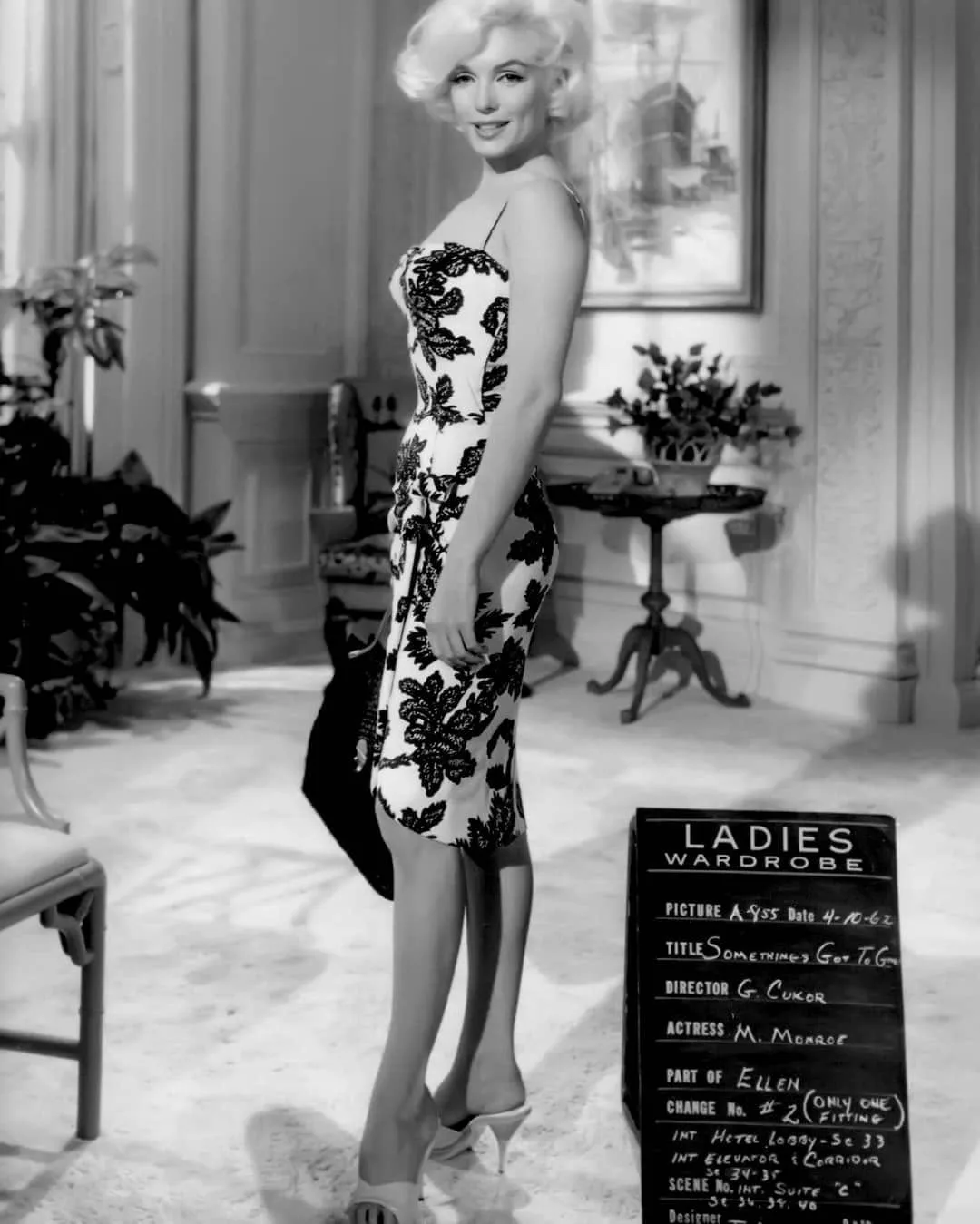
Before shooting resumed, Marilyn Monroe was found dead at her home in Brentwood, Los Angeles, on 4 August 1962, an empty bottle of sleeping pills beside her.
An autopsy found a fatal quantity of barbiturates in her system. She left no note. Her death was ruled a probable suicide, though persistent rumors, including speculation about relationships with President John F. Kennedy and his brother Robert, have kept theories about foul play alive for decades since.
Marilyn had no immediate family able to arrange her funeral, so hospital staff called Joe DiMaggio instead.
He took charge of every detail, and barred almost the entire Hollywood establishment, producers, directors, studio executives, from attending. Asked to justify it, he had a simple answer: "If it wasn't for them, she'd still be here." At the graveside, according to a contemporary newspaper account, he leaned down and said, "I love you, I love you."
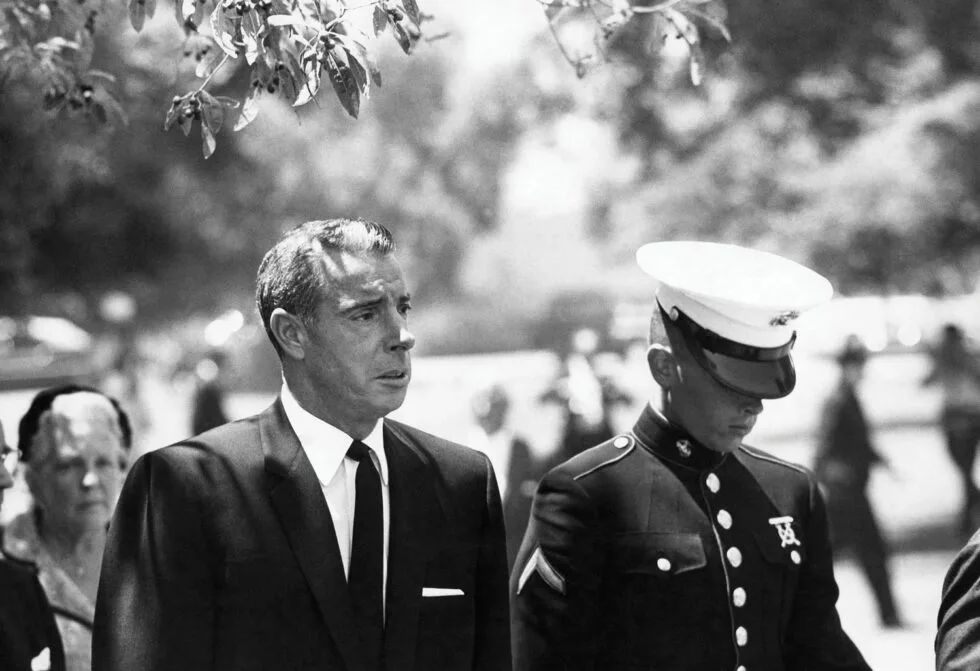
For the next two decades, until his own death in 1999, he had flowers delivered to her grave twice a week, exactly as he had promised on the night he proposed.