People
Olga de Meyer (8 August 1871 – 6 January 1931)

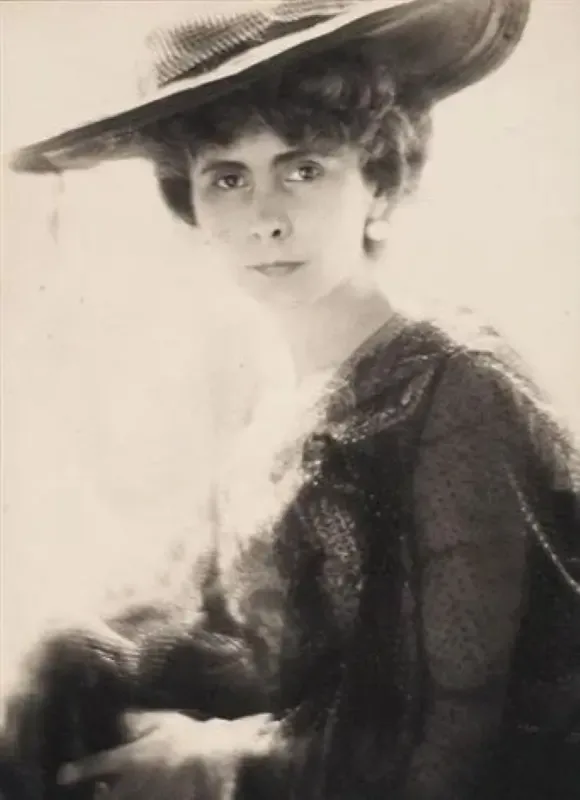
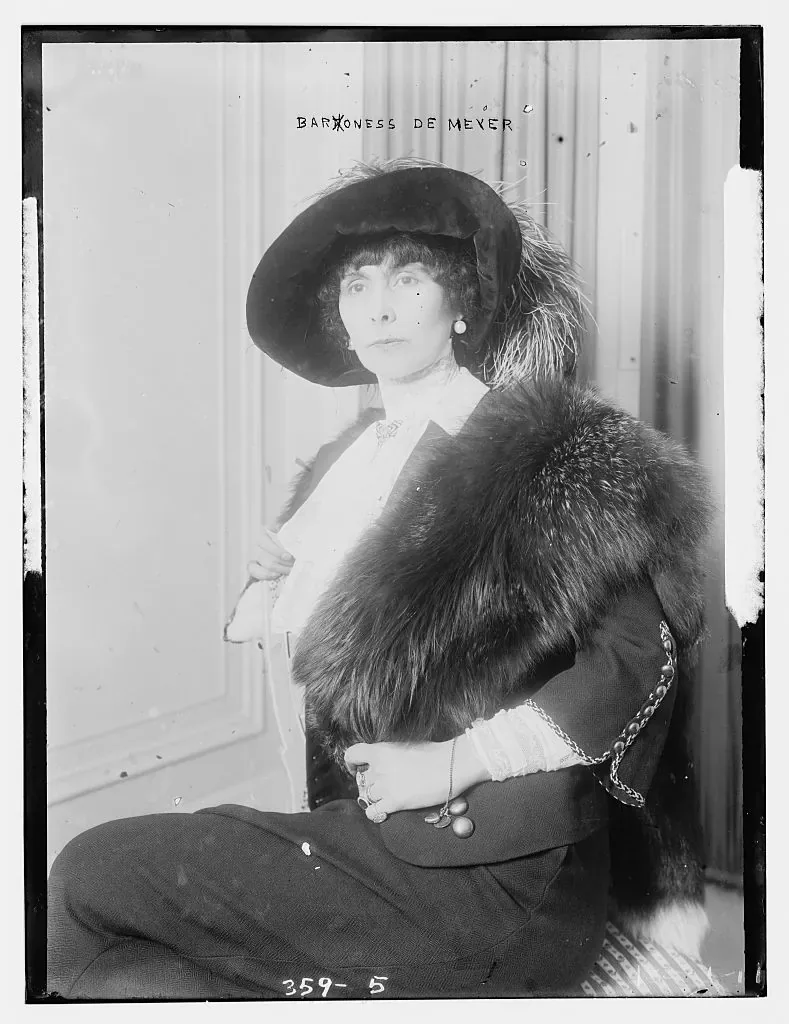
Baroness Olga de Meyer (born Maria Beatrice Olga Alberta Caracciolo; 8 August 1871 – 6 January 1931) was a British-born artists' model, socialite, patron of the arts, writer, and fashion figure of the early 20th century. She was best known as the wife of photographer Adolph de Meyer and goddaughter of King Edward VII, who was also rumored to be her biological father.
Biography of Baroness Olga de Meyer
Baroness Olga de Meyer was born Maria Beatrice Olga Alberta Caracciolo in London on 8 August 1871, the daughter of the Neapolitan nobleman Gennaro Caracciolo Pinelli — eldest son of the 4th Duke of Castelluccio — and Marie Blanche Sampayo, whose own father had served as a French diplomat in Portugal. Through her mother's American grandmother, Margaret O'Neill Eaton, Olga had a distant link to a genuine Washington scandal: Eaton had been the central figure in the "Petticoat affair" that once divided President Andrew Jackson's cabinet.
Her parents separated soon after her birth, and Olga grew up largely at a house called Villa Olga in Dieppe, raised by her mother and maternal grandmother.
It was there, among the artists' colony that gathered on the Normandy coast through the 1880s and '90s, that she met the painters James McNeill Whistler and Walter Sickert — the first of many artists who would want to paint her.
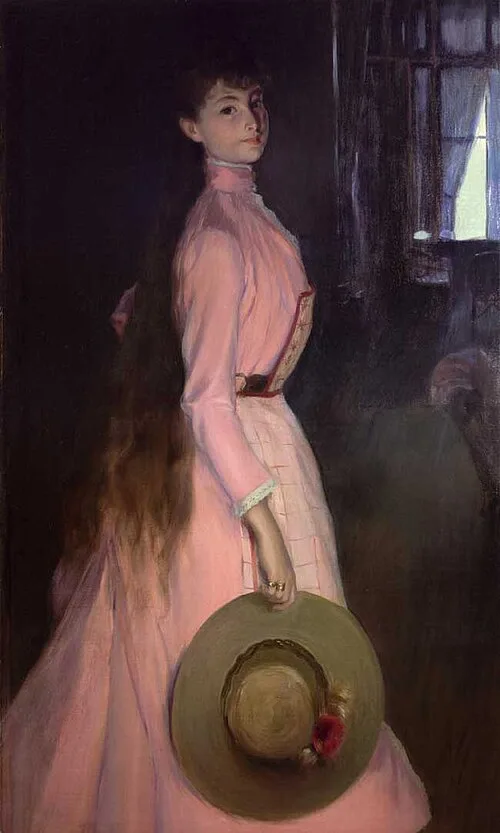
It was never proven, and Olga herself neither confirmed nor firmly discouraged it — an ambiguity that suited a woman who spent her whole life being photographed, painted, and talked about.
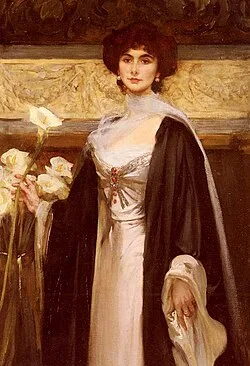
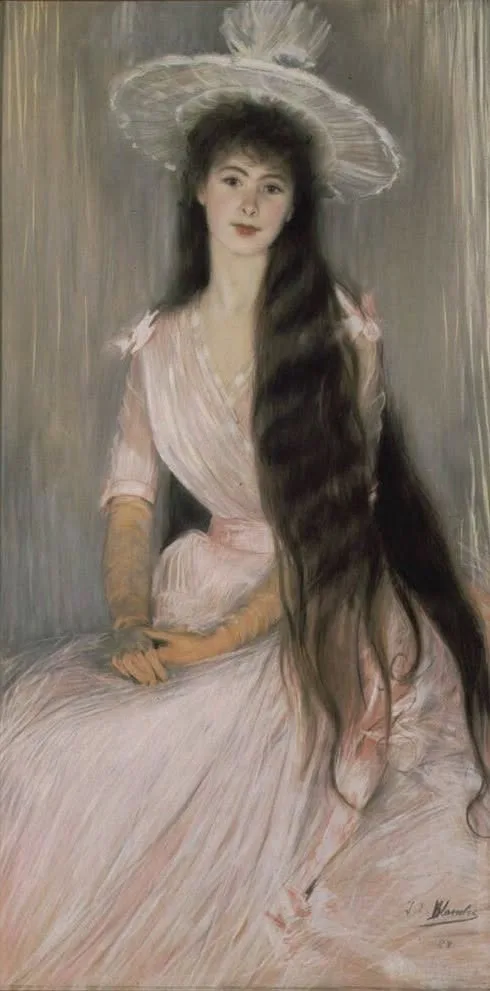
Tall, slender, and known for her Venetian-red hair, Olga sat for a striking number of the era's leading artists — Whistler, Sickert, John Singer Sargent, Giovanni Boldini, James Jebusa Shannon, Paul César Helleu, and her close friend Jacques-Émile Blanche among them.
Contemporaries described her as having "an elusive combination of childlike innocence and soigné charm" — a description slightly at odds with the fact that she was also, rather improbably, a competitive amateur fencer, entering tournaments across Europe.
In May 1892, at twenty, Olga married the Neapolitan nobleman Nobile Marino Brancaccio in Naples — a civil ceremony followed two days later by a religious one. Jacques-Émile Blanche, a family friend, remembered it simply as "a short and most dramatic union." It ended in divorce, in Hamburg, in June 1899.
Seven weeks later, on 25 July 1899, Olga married the photographer Adolph de Meyer at Holy Trinity Church on London's Sloane Street. Within a year he had assumed the title of Baron, and Olga became, officially, the Baroness de Meyer.
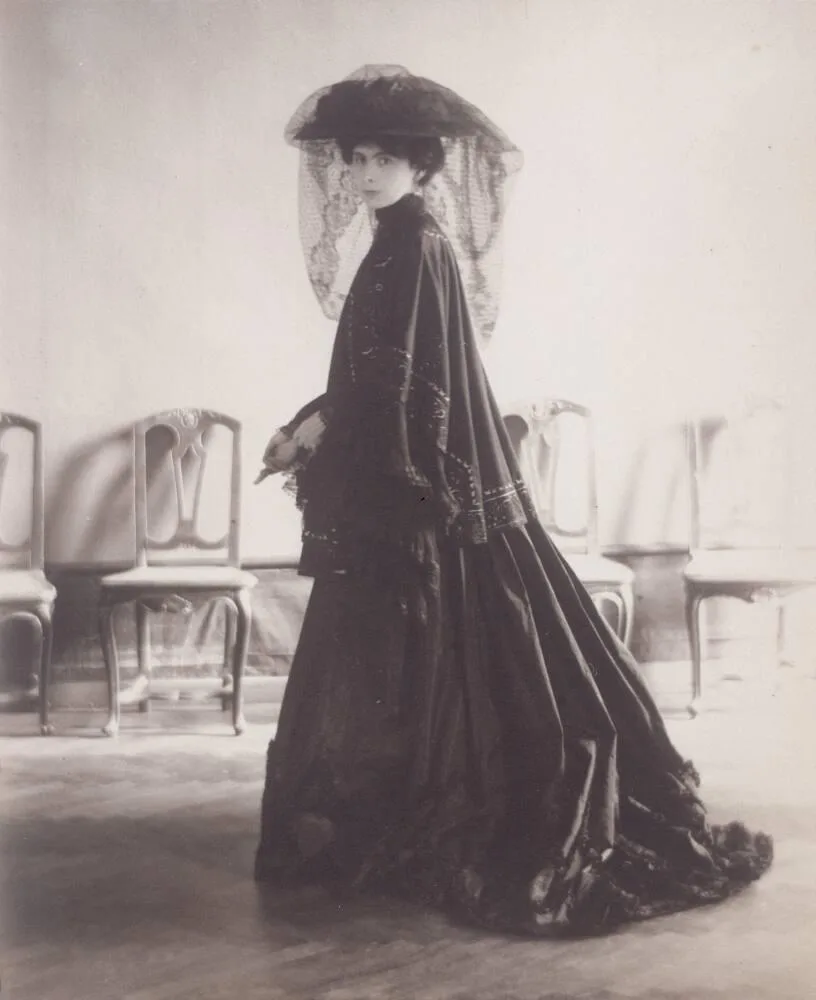
It was a marriage that suited them both without pretending to be conventional. Adolph was homosexual; Olga's own romantic life ran chiefly toward women.
Violet Trefusis — daughter of Alice Keppel, Edward VII's most famous mistress, and for a time one of Olga's own lovers — summed the couple up in a phrase that stuck: Pédéraste et Médisante. "He looked so queer," she said, "and she had such a vicious tongue."
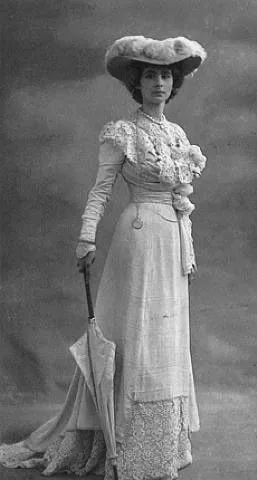
Between 1901 and 1905, Olga carried on a long affair with Princess Edmond de Polignac, born Winnaretta Singer, heiress to the Singer sewing-machine fortune and one of the era's great arts patrons.
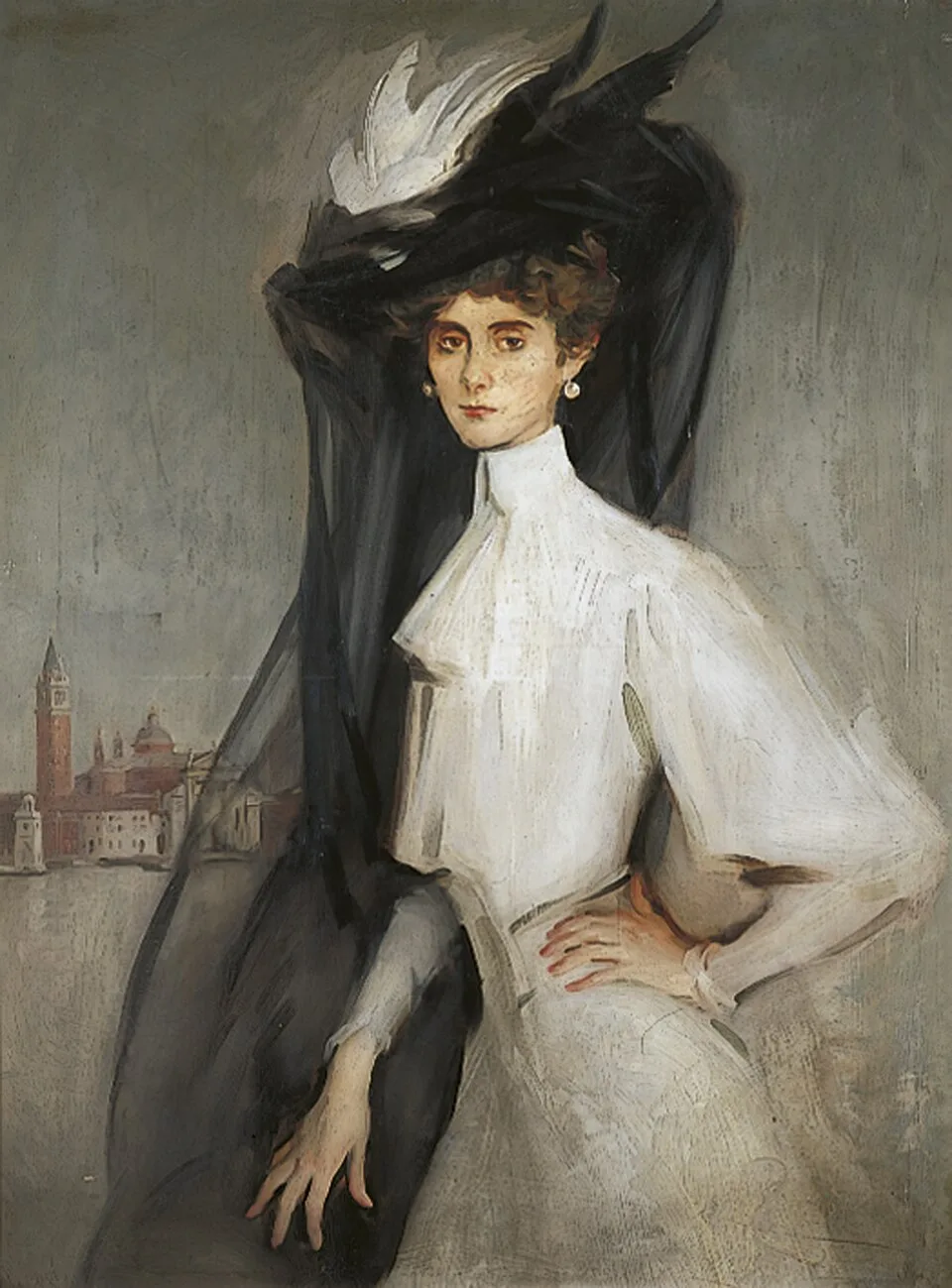
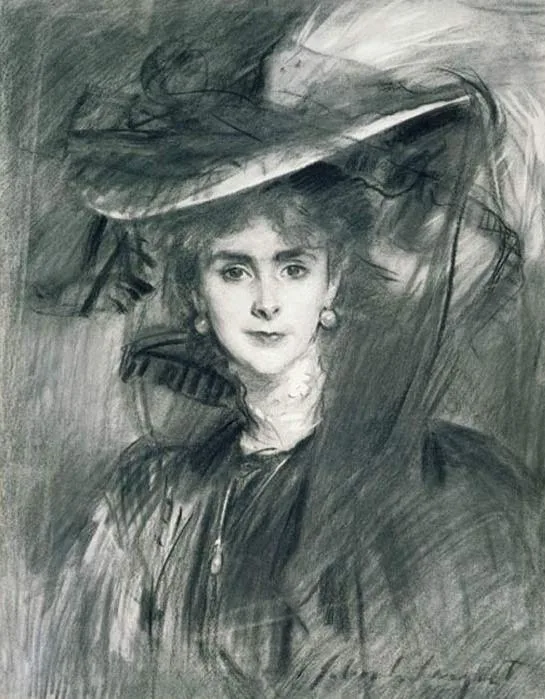
Together the de Meyers entertained lavishly, moving in the circle around the Prince of Wales and, later, into the orbit of Diaghilev's Ballets Russes.
Adolph designed elaborate costumes for Olga to wear to their fancy-dress balls, and photographed her again and again — soft-focus, Pictorialist portraits that made his wife one of the most photographed women in Europe, years before he ever turned his camera on a fashion collection.
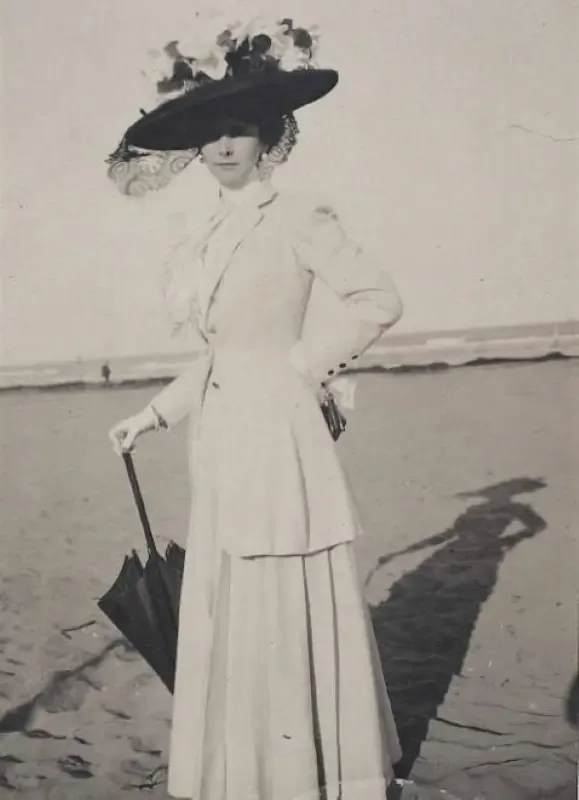
When war broke out in 1914 the couple moved to New York, where Adolph became Vogue's first full-time staff photographer.
In 1916, on the advice of an astrologer, they changed their names: Olga became Mahrah, Adolph became Gayne. Under either name, they remained one of the most-discussed couples on either side of the Atlantic.
In 1922 Adolph left Vogue for Harper's Bazaar, a move that sent the couple back to Paris, where he served as chief photographer and fashion correspondent for the next decade — a role that earned him, from the young Cecil Beaton, the nickname "the Debussy of photography."
The Paris years were glamorous, and increasingly ruinous. By the late 1920s both Olga and Adolph had grown dependent on cocaine and opium. Olga died on 6 January 1931, reportedly of heart failure, at a clinic where she had gone to be treated for the addiction.
Adolph did not stay alone for long. Within months he had taken up with Ernest Frohlich, a seventeen-year-old German he hired as his chauffeur and later legally adopted; Ernest would go on to style himself Baron Ernest Frohlich de Meyer.
Adolph's own career collapsed soon afterward — his soft-focus style read as hopelessly old-fashioned by the 1930s, and Harper's Bazaar let him go in 1932.
He died in Los Angeles on 6 January 1946, virtually penniless, fifteen years to the day after Olga, registered under the name he'd chosen for himself: Gayne Adolphus Demeyer.
Most of Adolph's photographs were destroyed during the Second World War. But Ernest Frohlichhad quietly packed away fifty-two prints of Olga — the wife his adoptive father never stopped photographing — and they resurfaced in 1988, published at last in 1992, decades after everyone in the story was gone.