People
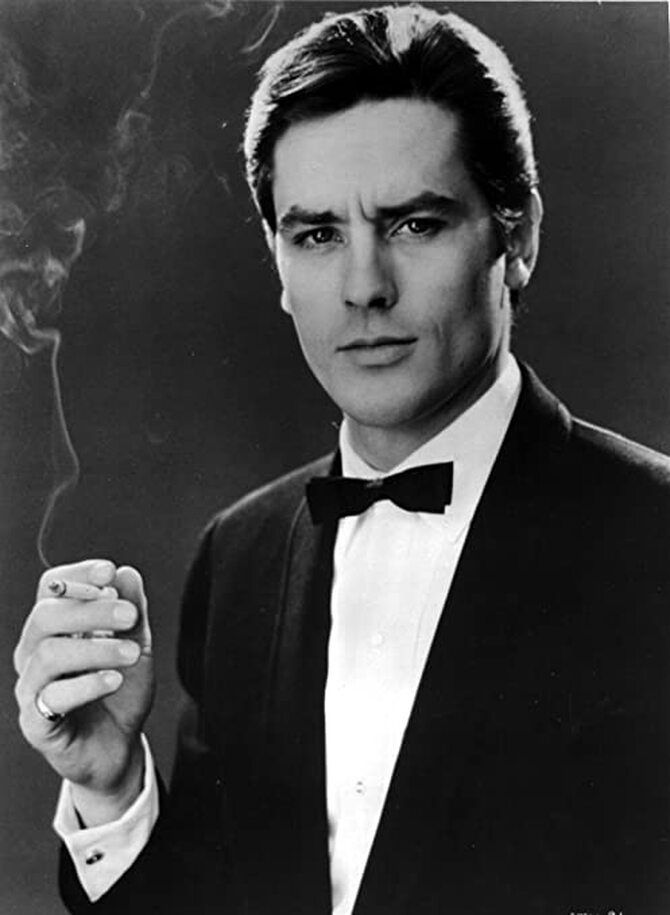
Alain Delon (8 November 1935-18 August 2024)
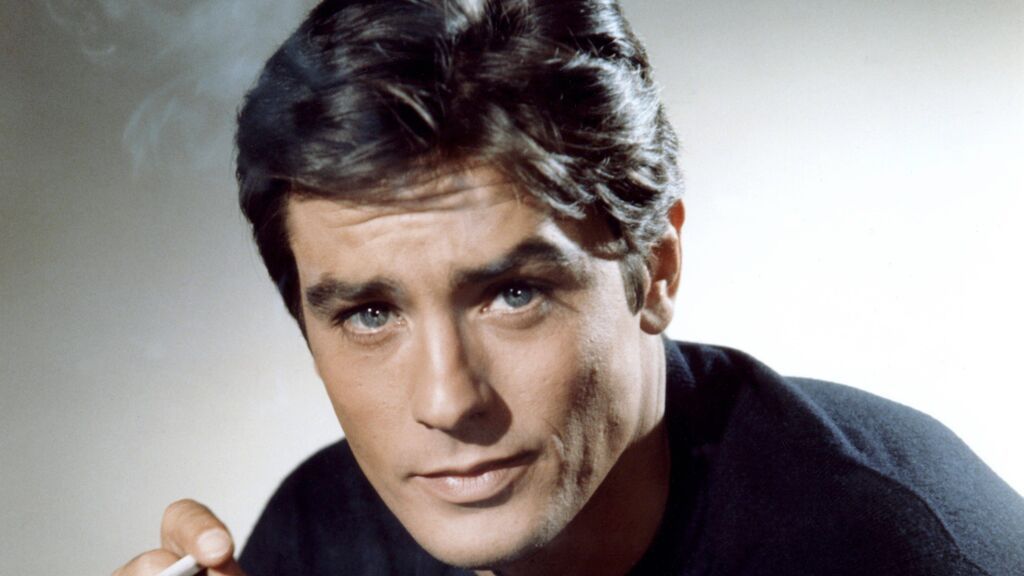
Over the course of his career Delon worked with many well-known directors, including Luchino Visconti, Jean-Luc Godard, Jean-Pierre Melville, Michelangelo Antonioni, and Louis Malle.
In 1985, he won the César Award for Best Actor for his performance in Notre histoire (1984). In 1991, he received France's Legion of Honour. In 1995, at the 45th Berlin International Film Festival, he won the Honorary Golden Bear. At the 2019 Cannes Film Festival, he received the Honorary Palme d'Or.
His personal life was as closely watched as his career, and drew its own share of scandal and controversy.
Biography
Alain Delon was born in Sceaux, on the southern edge of Paris, on 8 November 1935, the son of Fabien Delon and Édith Delon.
His parents divorced when he was four, and both remarried. Delon's childhood that followed was unstable — periods in a children's home, expulsion from six different schools — and he left formal education altogether at fourteen to work at his stepfather's butcher shop.
At seventeen, Delon enlisted in the French armed forces and served in the First Indochina War from 1953 to 1954. His rebellious streak followed him there too: he spent eleven months of his service in a military prison for breaches of discipline, and was dishonorably discharged in 1956.
Back in France, Delon worked a string of odd jobs — waiter, market porter, salesman — before a chance friendship with the actor Jean-Claude Brialy brought him to the 1957 Cannes Film Festival.
There, Delon was seen by a talent scout for David O. Selznick. After a screen test Selznick offered him a contract, provided he learn English. Delon returned to Paris to study the language, but when French director Yves Allégret spotted him, he convinced Delon to stay in France and cast him in his first film role, a young hitman in Quand la femme s'en mêle (1957).

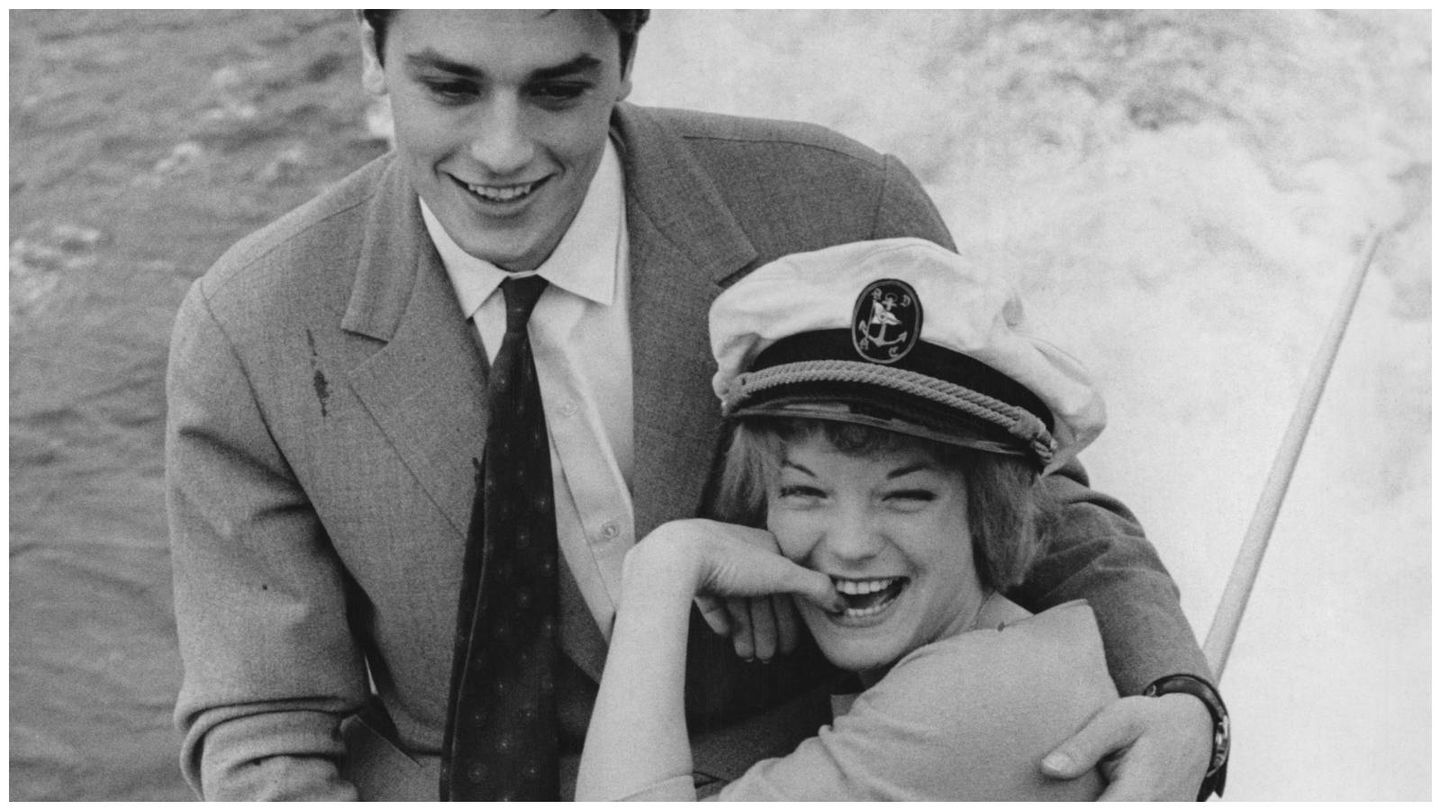
His first starring role came the following year, in Christine (1958), opposite the Austrian actress Romy Schneider.




International fame arrived in 1960. In René Clément's Purple Noon, adapted from Patricia Highsmith's novel, Delon played the murderous con man Tom Ripley with a coolness that impressed even Highsmith herself.

The same year, Luchino Visconti cast him in Rocco and His Brothers, and the two very different performances — one glacially amoral, one openly emotional — announced an actor of real range behind that handsome face.
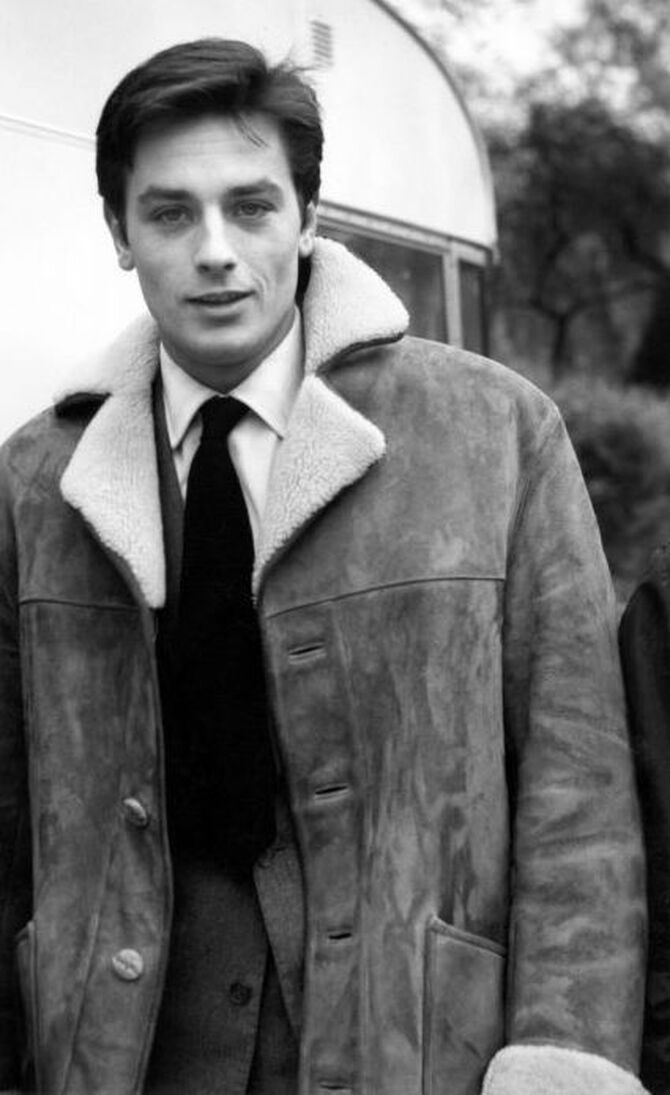
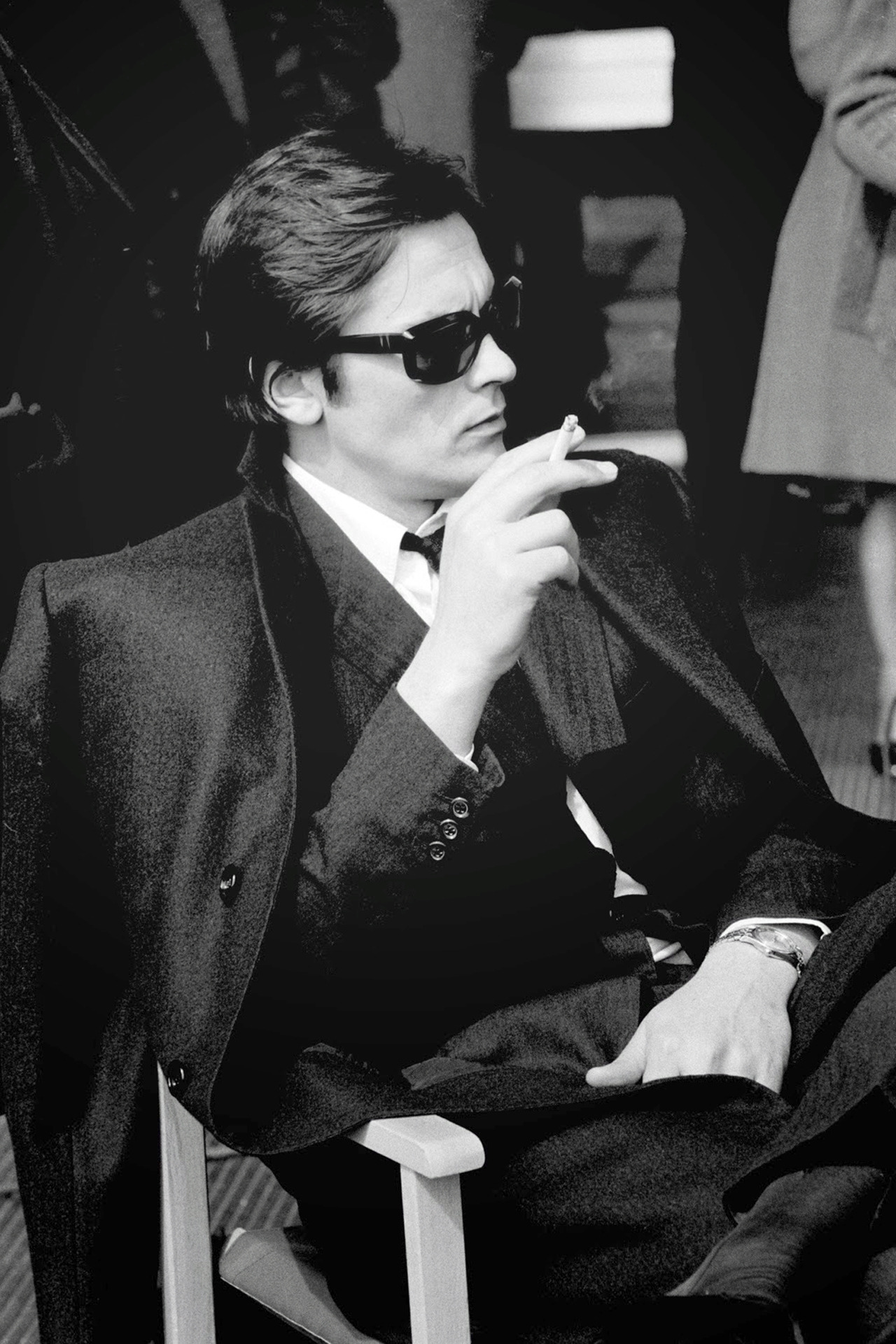
More landmark work followed through the 1960s: Michelangelo Antonioni's L'Eclisse (1962), Visconti's sweeping historical drama The Leopard (1963), and, in 1967, the role critics still point to first: Jef Costello, the nearly silent, ritual-bound hitman of Jean-Pierre Melville's Le Samouraï — a performance built almost entirely out of stillness that became, for many, the benchmark of screen cool itself.

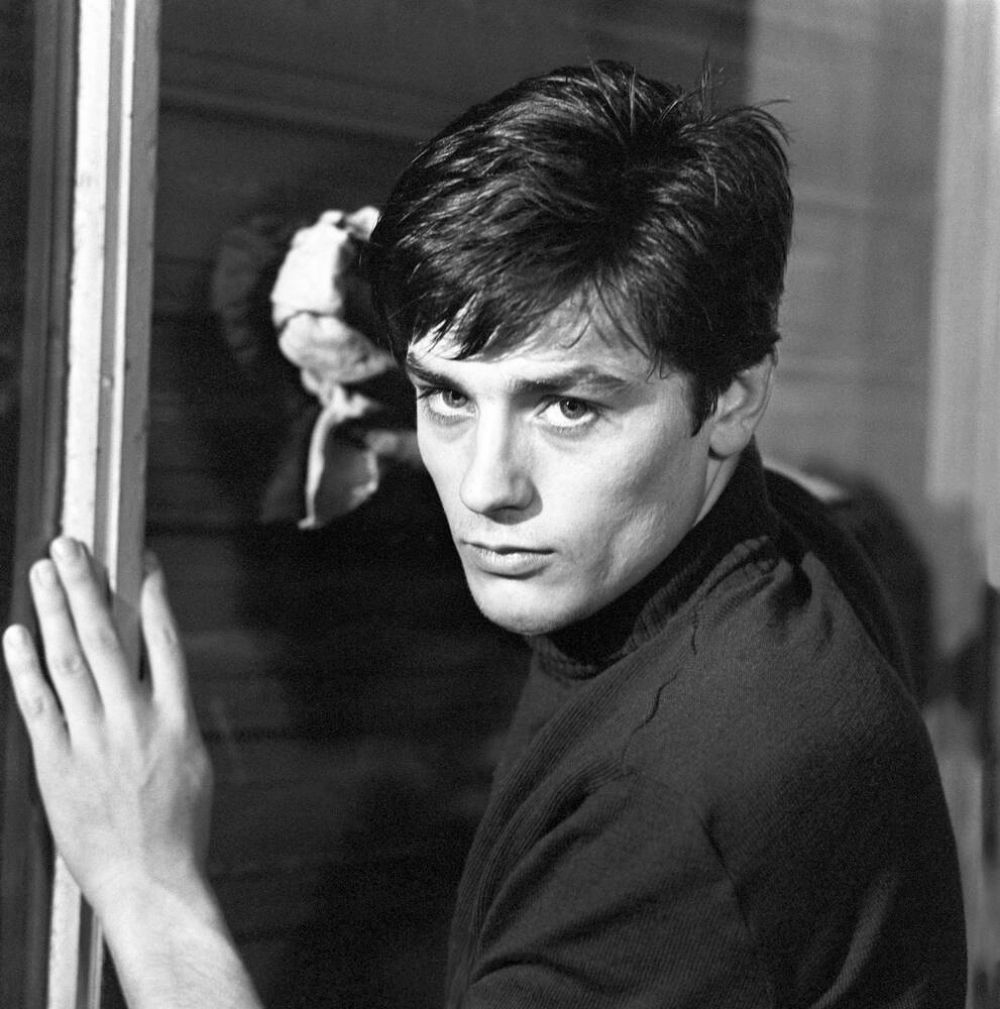

In 1962, while still involved with Romy Schneider, Delon had a brief affair with the German singer and actress Nico, born Christa Päffgen, later famous for her work with the Velvet Underground.
Nico gave birth to a son, Ari Boulogne, whom Delon always denied fathering, despite a resemblance between the two that most people who saw them found impossible to ignore.
Delon's own mother, Édith, and her second husband, Paul Boulogne, raised the boy as their own, giving him their surname.
"Boy, neither do you have my hair nor my eyes," Ari Boulogne later recalled Delon telling him. "You are not and never will be my son." Ari Boulogne sued twice, in 2001 and 2019, for legal recognition of paternity, and lost both times. He died in 2023, at sixty, following years of drug addiction.
In 1963, Alain Delon was involved with French actress Nathalie Barthélémy while still engaged to Romy Schneider. When Nathalie Barthélémy became pregnant with Alain Delon's son Anthony, Schneider and Delon decided to break up.


Although married to Nathalie Barthélémy Delon, Delon had several affairs with a few different actresses. In 1966, Delon filed for divorce. The marriage ended in divorce in 1969.


In 1968, Delon returned to work with Romy Schneider one more time, in La Piscine (The Swimming Pool, 1969), playing her former lover — a role uncomfortably close to the truth, since the two were no longer a couple by then.
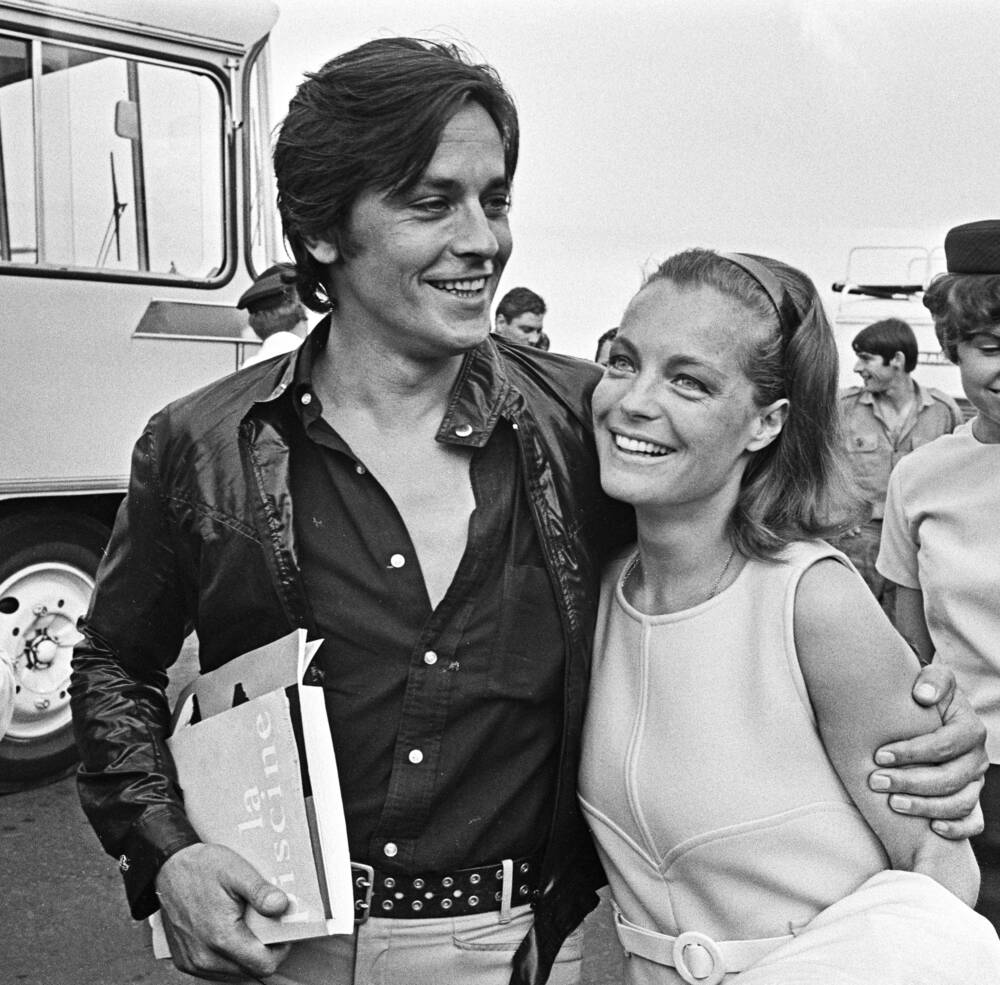
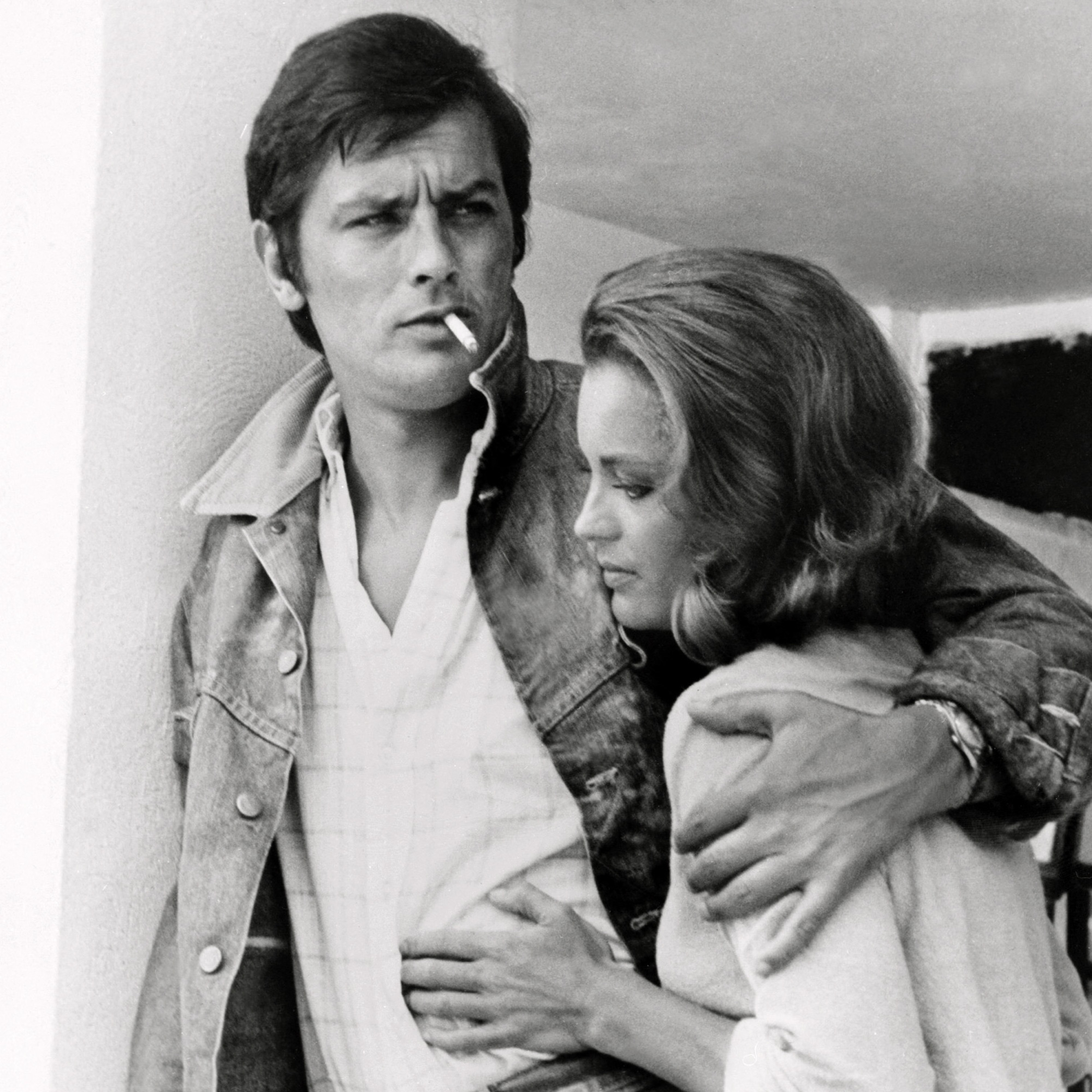
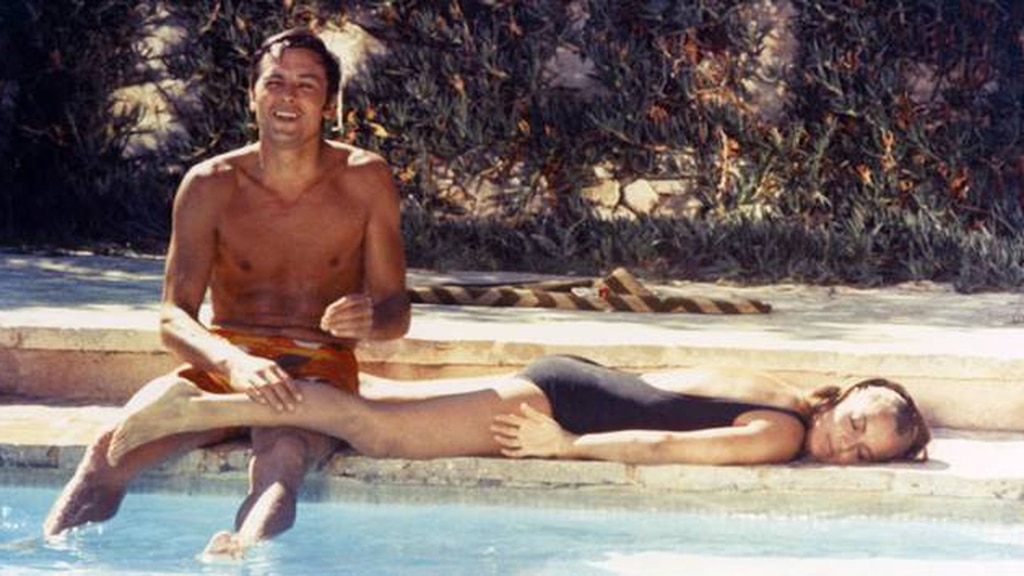
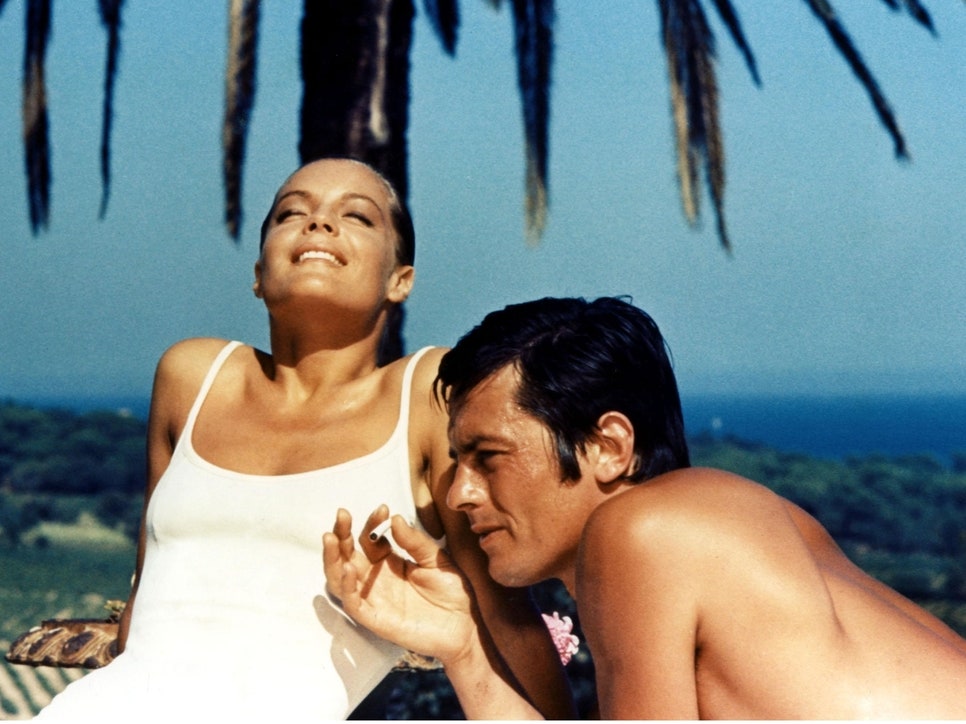
Delon later said he could never bring himself to watch the film again: Romy Schneider died prematurely in 1982, less than a year after her fourteen-year-old son, David, died in a freak accident. Delon called Schneider, to the end of his life, the love of his life.
The filming itself was also a traumatic experience for Delon. While making La Piscine, his friend and former bodyguard, Stevan Marković, was found dead in a landfill outside Paris, shot in the neck. The investigation that followed — known ever after as the Marković affair — implicated Delon's circle of acquaintances, including his friend, the Corsican figure François Marcantoni, who spent a year in prison before the case was dismissed in 1973 for lack of evidence. Compromising photographs allegedly taken by Marković, reportedly including images of Claude Pompidou, wife of the soon-to-be French president Georges Pompidou, surfaced during the investigation and gave the affair a political charge far beyond a single unsolved killing. Delon himself was questioned but never charged, and the murder remains unsolved.

In August 1968, during the same shoot, Delon met the French actress Mireille Darc and asked her to make a film with him. They began a relationship that lasted much of the 1970s, ending in 1982.
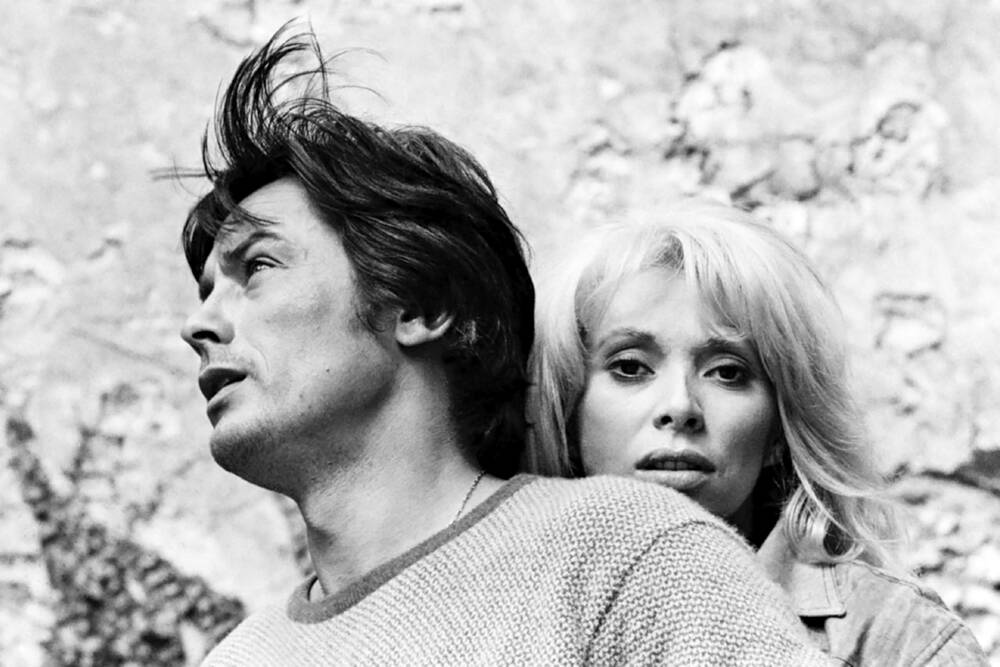

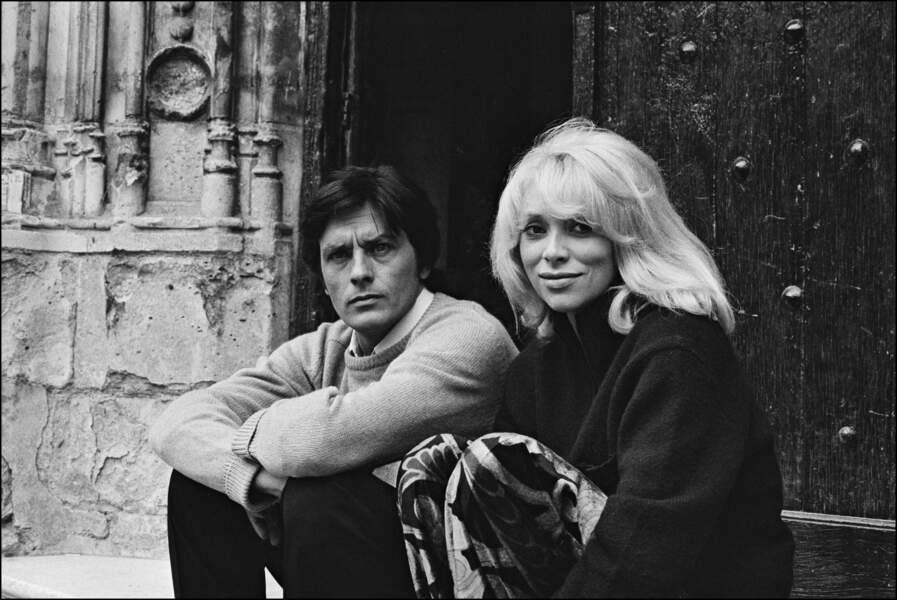
The 1970s brought more of his most enduring work: Melville's Le Cercle Rouge (1970), and Borsalino (1970), pairing Delon with his great rival-turned-friend Jean-Paul Belmondo as two competing gangsters.
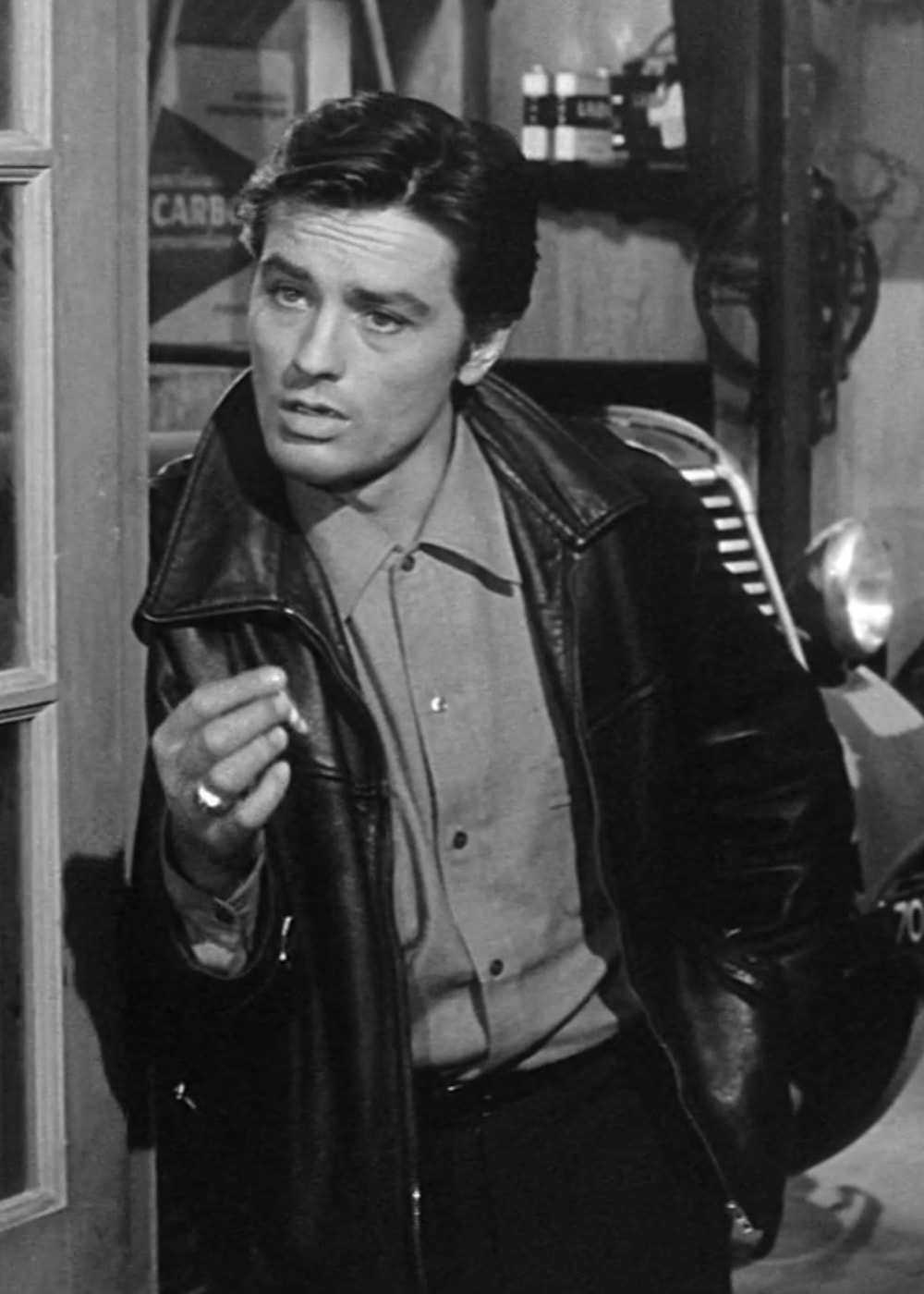
In 1976, Joseph Losey's Monsieur Klein gave him one of his rare, purely dramatic roles, as a French art dealer mistaken for a Jewish man of the same name during the Nazi occupation.
Delon's personal life continued to generate headlines.
In 1987, Delon met Dutch model Rosalie van Breemen on the set of the music video for his song "Comme au cinéma" and started a relationship. They had two children: Anouchka Delon (25 November 1990) and AlainFabien Delon (18 March 1994). The relationship ended in 2001.
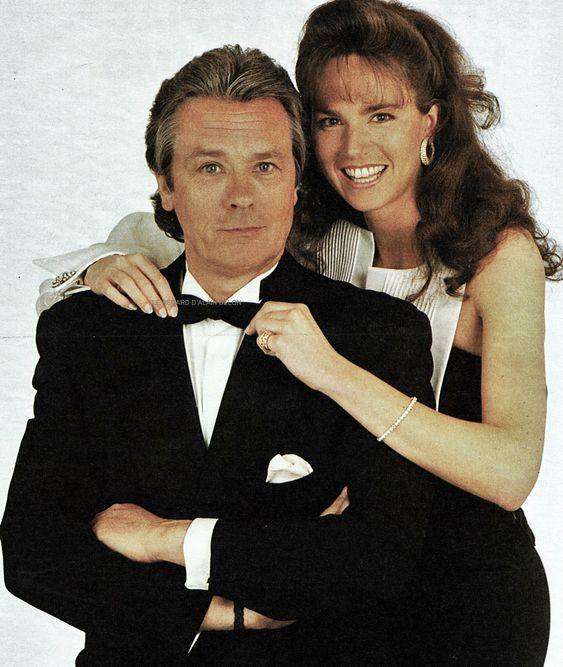
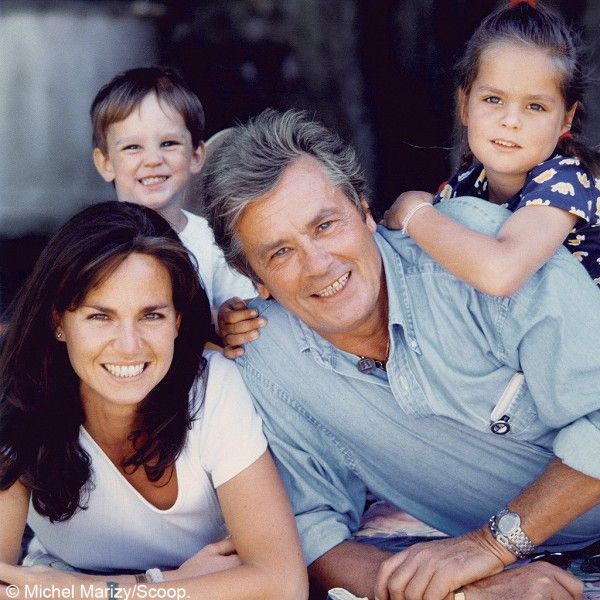
"It's in them, through the look in the eyes of my first wife, Nathalie, from Romy, Mireille, or the mother of my children," Delon said late in life, of the women who had shaped him, "that I drew the motivation to be who I am."
Not every account of that same private life was so gentle. Two of Delon's sons later publicly accused him of domestic violence toward their mother, Nathalie Delon, with one claiming Delon had broken eight of her ribs and her nose twice. Delon denied the specific allegations, though he acknowledged, in his own words, slapping women who had physically attacked him first.
In his later years, Delon also drew sustained criticism for his politics and public remarks. He expressed open support for France's far-right National Front, and in a 2013 television interview said he did not agree with homosexuality, calling it unnatural; he later told Le Figaro he opposed adoption by same-sex couples, arguing a child needed, in his words, "a mom and a dad."
In 2019, the Cannes Film Festival awarded Delon an honorary Palme d'Or for his career. The decision drew a public petition, signed by more than 25,000 people, from women's rights groups citing his remarks on women and homosexuality and his political sympathies.
Festival director Thierry Frémaux defended the award regardless: "We are not going to give Alain Delon the Nobel Peace Prize," he said. "We're giving him a Palme d'Or for his career as an actor." A visibly emotional Delon accepted the honor from his daughter, Anouchka Delon, calling it, through tears, a posthumous tribute paid to him while he was still alive to receive it.
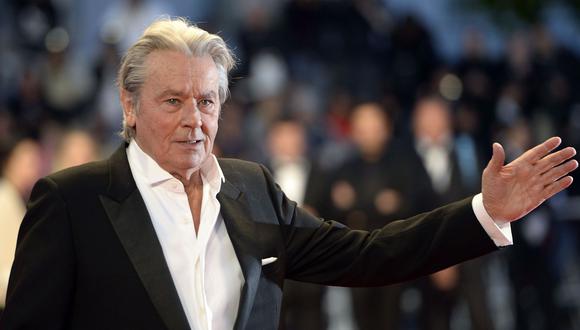
He suffered a stroke shortly afterward, in 2019, and his health declined steadily in the years that followed. Alain Delon died at his home in Douchy, France, on 18 August 2024, at eighty-eight, surrounded by his three children. French President Emmanuel Macron led the tributes that followed: "Melancholic, popular, secretive," Macron wrote, "he was more than a star: a French monument."
Of his own life, Delon once offered a summary as clear-eyed as any of his best screen performances: "I was programmed for success, not happiness. The two don't go together."