People
Amal Clooney (born Amal Ramzi Alamuddin; 3 February 1978)
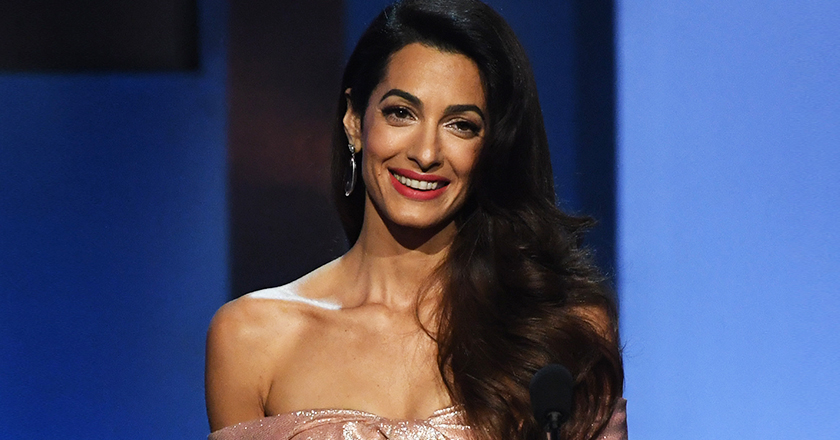
Amal Clooney (born Amal Ramzi Alamuddin; 3 February 1978) is a Lebanese-British-French barrister and international human rights lawyer, known for representing victims of genocide, war crimes, and press-freedom violations before international courts and tribunals. A barrister at Doughty Street Chambers in London and a Professor of Practice in International Law at Oxford, she co-founded the Clooney Foundation for Justice in 2016. She is married to the actor George Clooney.
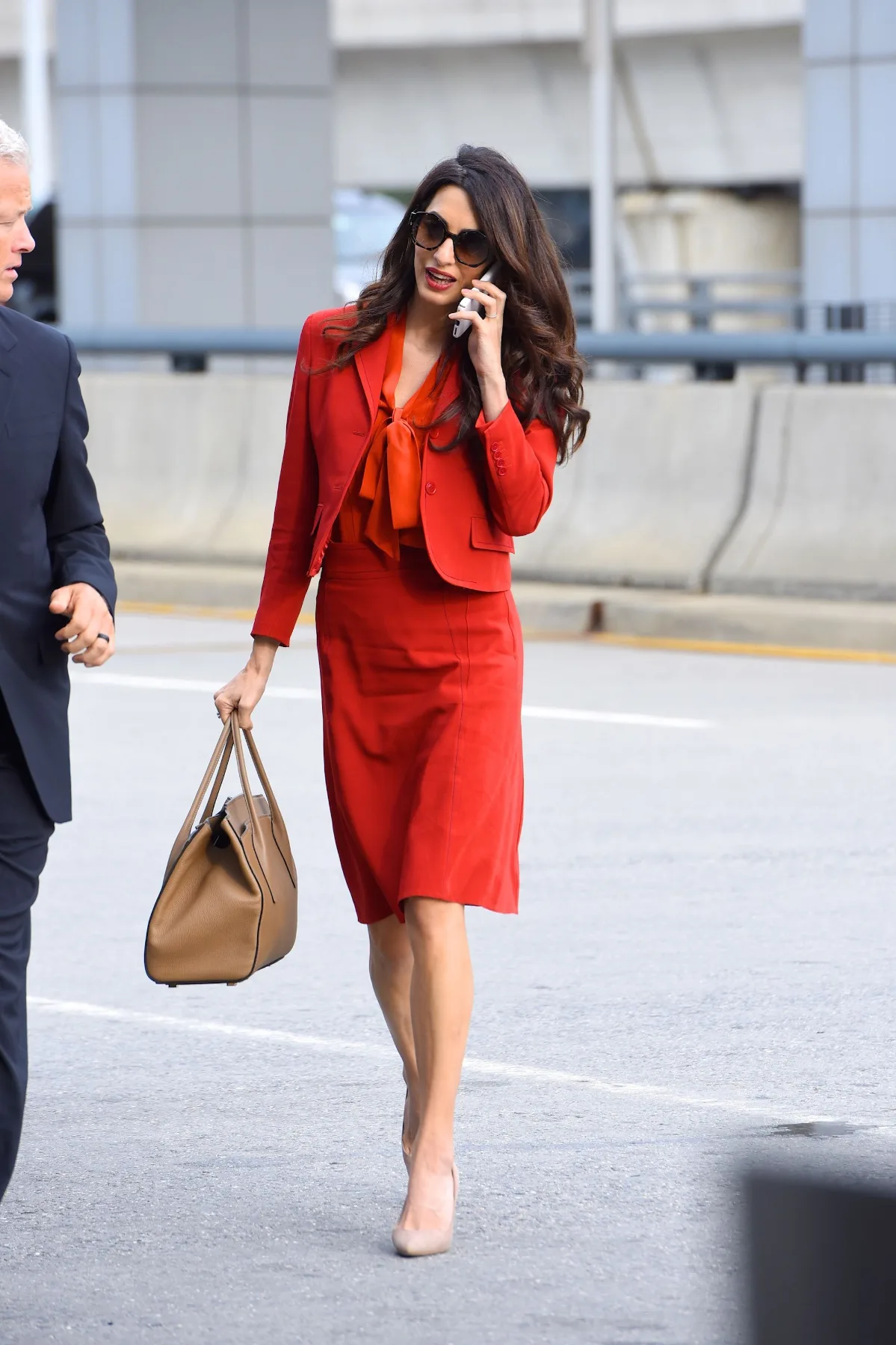
Biography of Amal Clooney
Amal Ramzi Alamuddin was born in Beirut, Lebanon, on 3 February 1978, into a prominent Druze family.
Her father, Ramzi Alamuddin, was a professor at the American University of Beirut who later ran a travel agency; her mother, Baria Alamuddin, was a journalist who went on to become a foreign affairs editor.
When Amal was two years old, her family fled Lebanon's civil war and settled in London.
She attended Dr Challoner's High School, a selective grammar school in Amersham, Buckinghamshire, before winning a scholarship to Oxford in 1996, where she read law at St Hugh's College and developed the interest in human rights that would define her career.
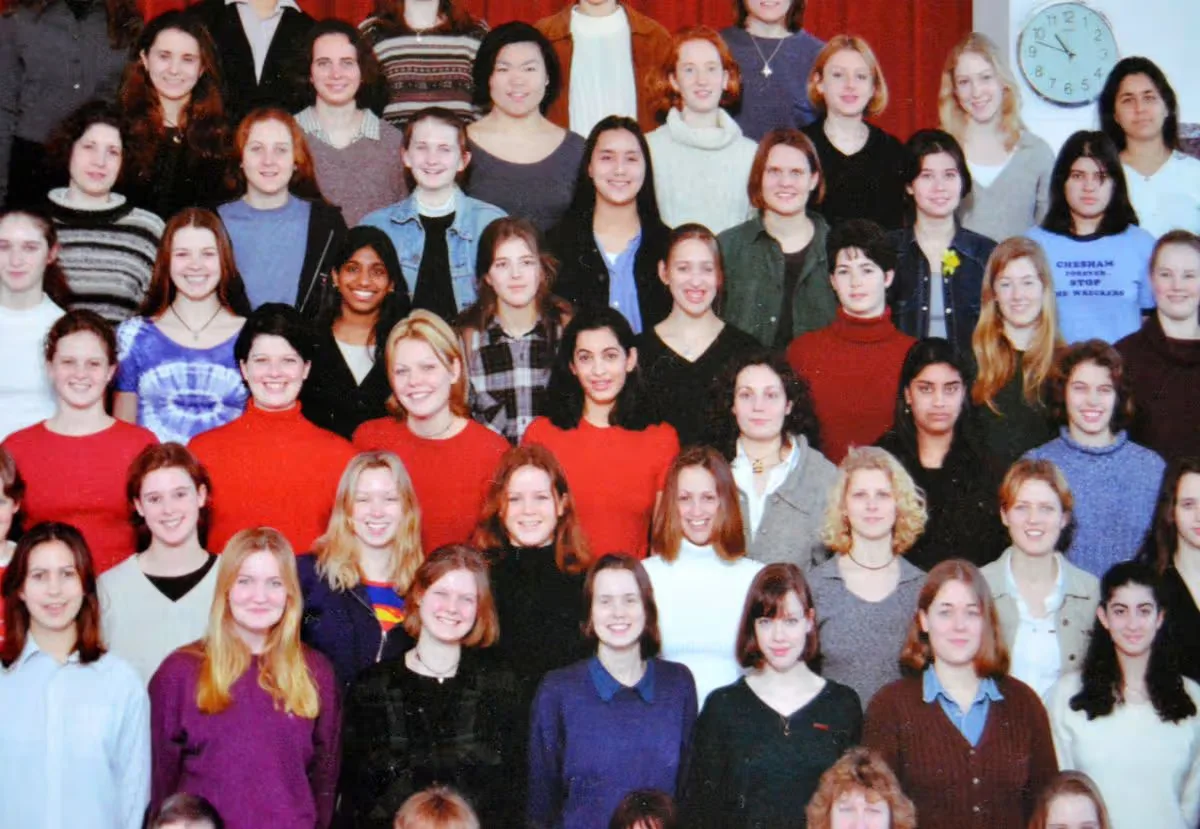
She graduated in 2000, and went on to earn a master's degree at NYU School of Law.
Her early clerkships put her in genuinely formative company: she worked at the U.S. Court of Appeals under a judge named Sonia Sotomayor, years before Sotomayor's appointment to the Supreme Court, and at the International Court of Justice.
Alamuddin went on to work at the International Criminal Tribunal for the Former Yugoslavia, where she was involved in the trial of Slobodan Milošević, and later as a prosecutor at the Special Tribunal for Lebanon, investigating the 2005 assassination of the former Lebanese prime minister Rafiq Hariri.
The posting required her to live part-time in a secure compound on a Lebanese mountaintop, behind four separate security checkpoints.
In 2010 she left The Hague for London, was called to the Bar of England and Wales, and joined Doughty Street Chambers as a barrister — the base from which she has practiced ever since.
Her client list through the 2010s read like a survey of the decade's most consequential legal fights: WikiLeaks founder Julian Assange, fighting extradition; the former Ukrainian prime minister Yulia Tymoshenko; the former Maldives president Mohamed Nasheed; and, in 2013, a role advising the UN's special envoy to Syria, Kofi Annan.
In 2014, Alamuddin met the actor George Clooney.
They married on 27 September that year, in Venice, at the Aman Canal Grande hotel, after several days of celebrations. She wore an off-the-shoulder Oscar de la Renta gown, appliquéd with fourteen yards of French Chantilly lace and hand-embroidered with pearls and crystals; he wore Armani.
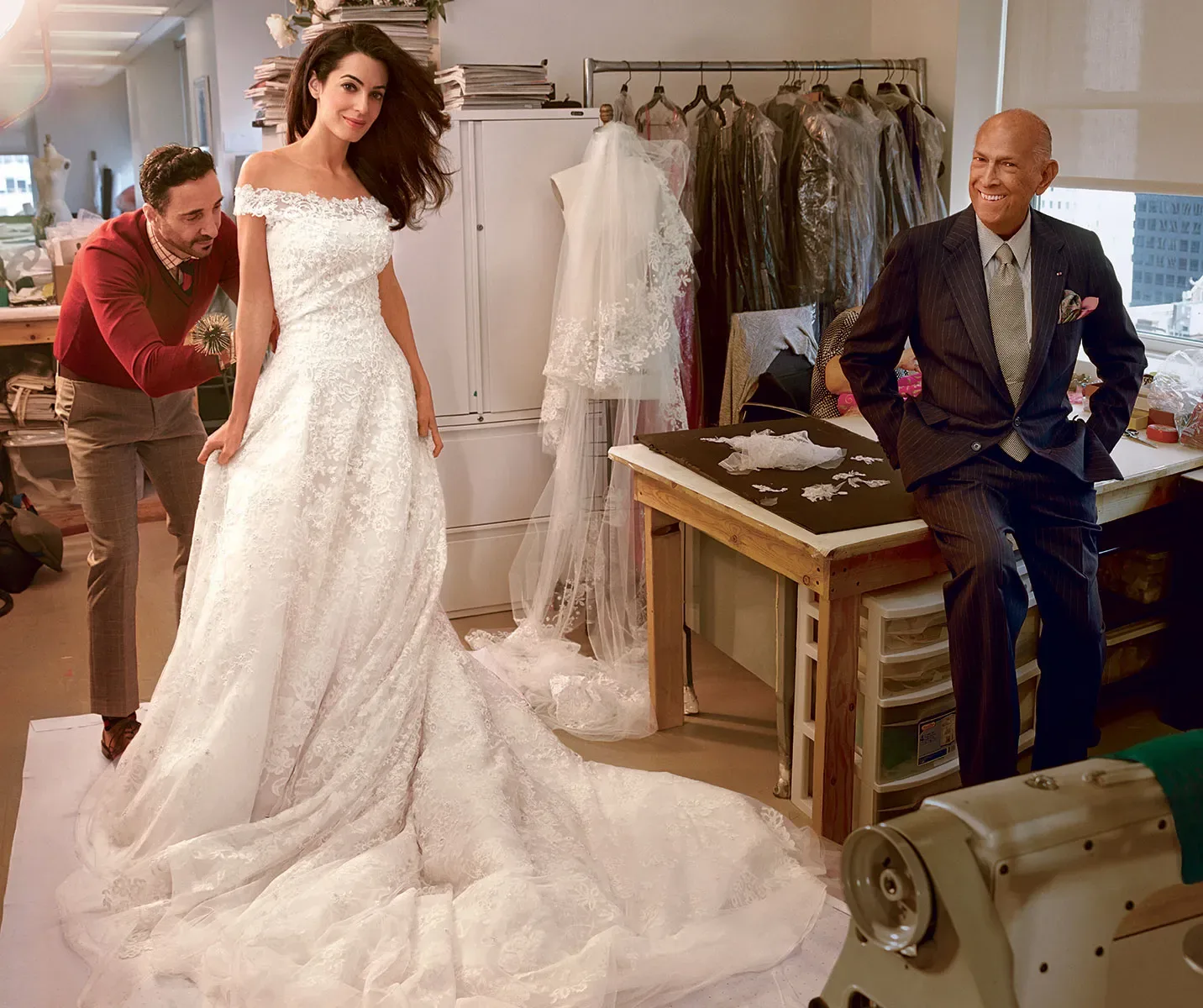
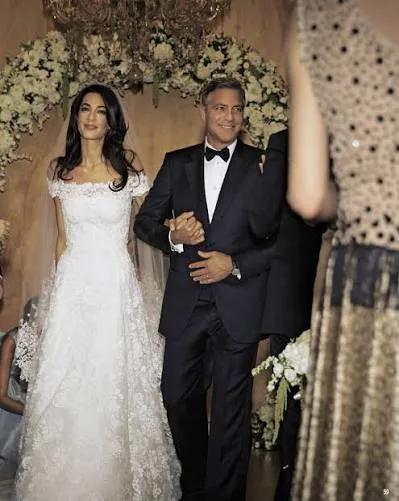
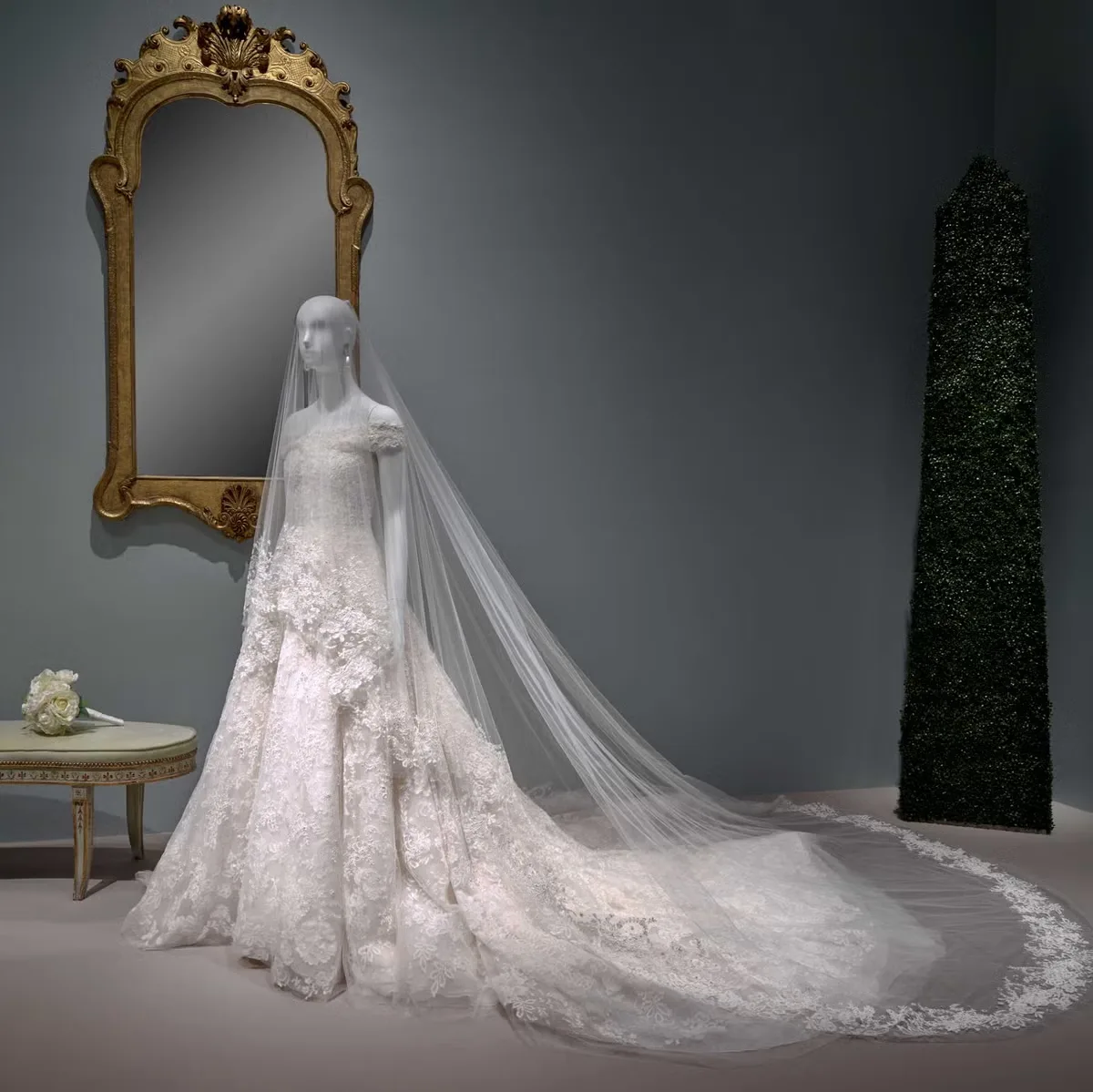
Amal Clooney was, from that point on, one of the most photographed women in the world — a fact that never once slowed down her legal career.
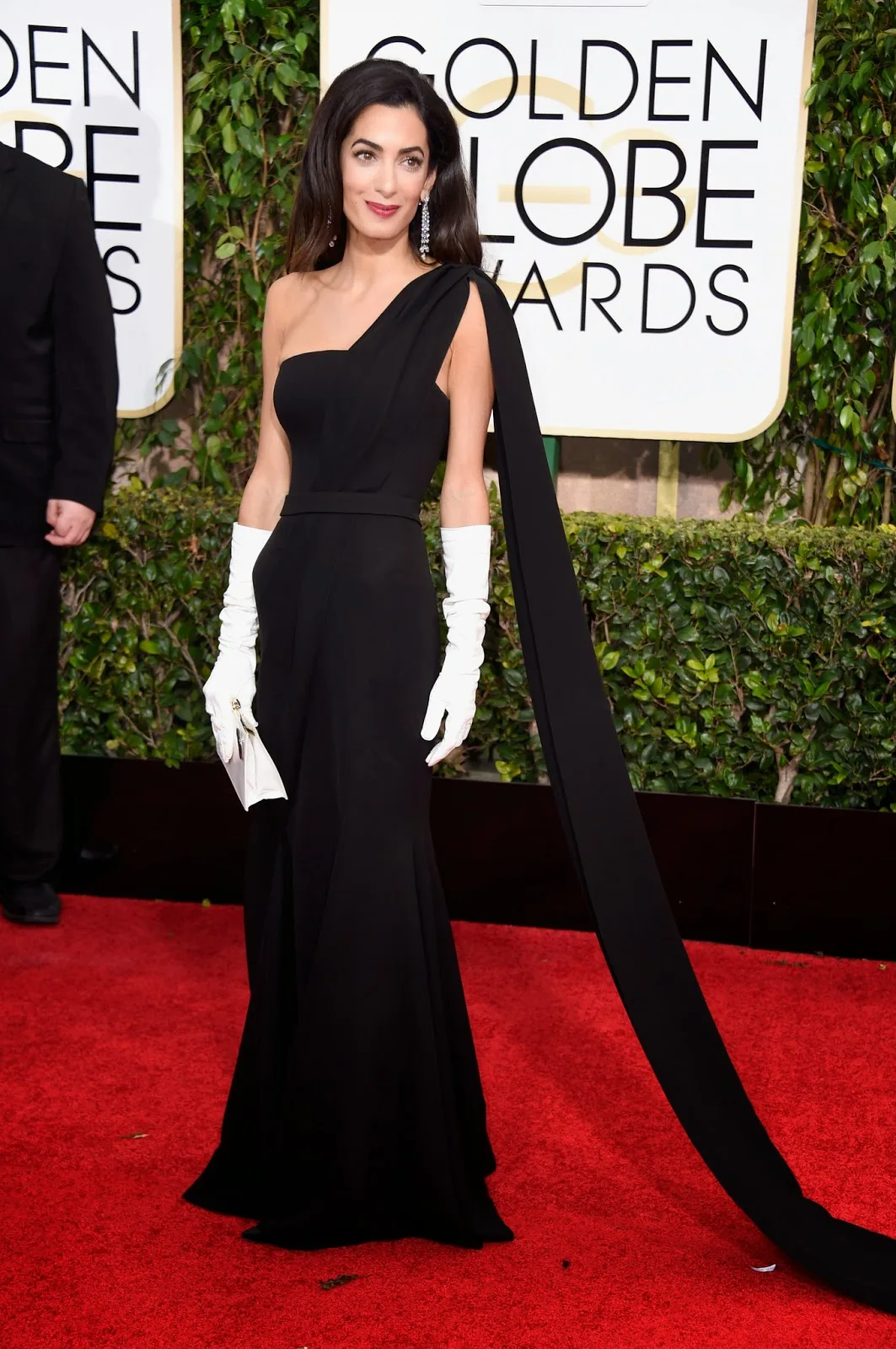
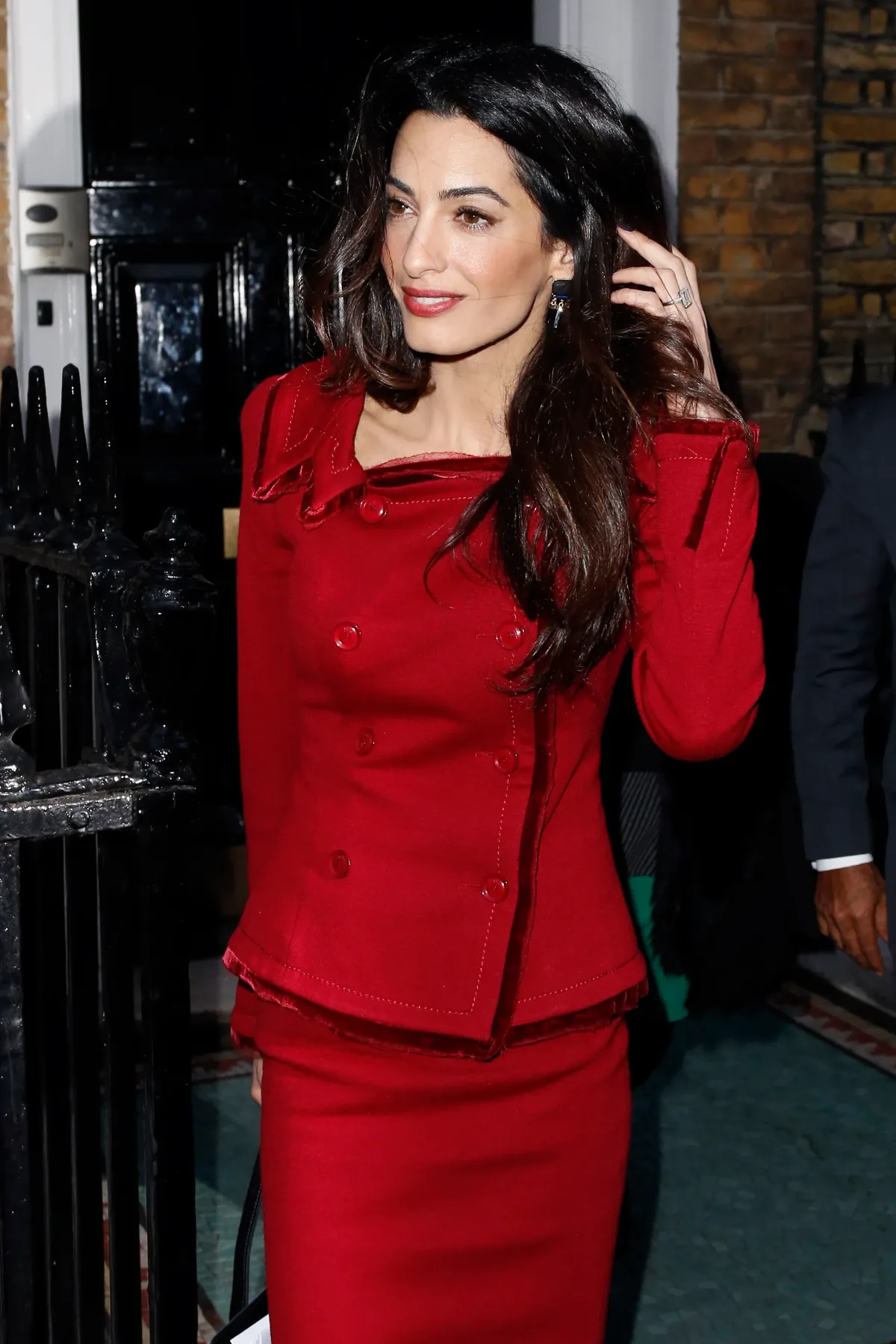
In January 2015, Clooney appeared before the European Court of Human Rights in Perinçek v. Switzerland, representing Armenia's interests against Doğu Perinçek, a Turkish political figure who had publicly denied the Armenian genocide. The court's Grand Chamber ruled in her favor.
Later that year, she took on the case that would come to define her public profile more than any other: representing Nadia Murad and other Yazidi women who had survived genocide, sexual slavery, and trafficking at the hands of ISIS.
"Genocide doesn't happen by accident," Clooney said in one address on the case. "You have to plan it."
Murad, whom Clooney helped push toward international recognition and eventual justice, won the Nobel Peace Prize in 2018.
The advocacy produced real results: convictions of ISIS members for genocide and crimes against humanity under universal jurisdiction, including the first such conviction anywhere in the world, secured in Frankfurt in 2021.
Clooney also represented more than a hundred victims of the Darfur genocide at the ICC, in the case that produced the first-ever conviction there for crimes against humanity, and defended two Reuters journalists, Wa Lone and Kyaw Soe Oo, imprisoned in Myanmar for reporting on the Rohingya crisis.
In 2016, Clooney and her husband co-founded the Clooney Foundation for Justice, an organization dedicated to advancing accountability for human rights abuses worldwide.
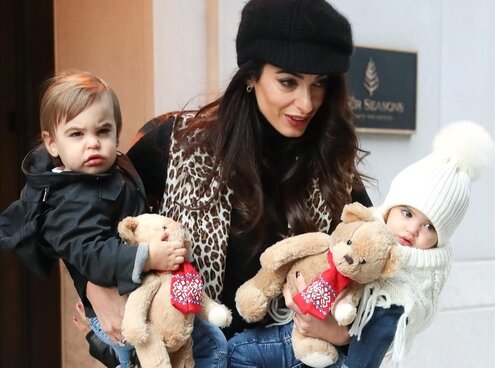
On June 6, 2017, Amal gave birth to the twins On June 6, 2017, Amal gave birth to their twins: daughter Ella, and son Alexander.
In the years since, Clooney has also become a Professor of Practice in International Law at Oxford's Blavatnik School of Government, co-founded the Oxford Institute of Technology and Justice, and co-authored a legal textbook, The Right to a Fair Trial in International Law (2021).
In December 2023, she filed a civil lawsuit on behalf of Nadia Murad and more than four hundred other Yazidi plaintiffs against the French building-materials company Lafarge, accusing it of paying ISIS and an affiliated group nearly six million dollars.
In May 2024, Clooney was one of six international law experts asked by ICC chief prosecutor Karim Khan to review evidence relating to the war in Gaza.
The panel concluded unanimously that there were reasonable grounds to believe both Israeli Prime Minister Benjamin Netanyahu and Defense Minister Yoav Gallant, and Hamas leaders Yahya Sinwar, Mohammed Deif, and Ismail Haniyeh, had committed war crimes and crimes against humanity — a conclusion Clooney and her fellow panelists laid out in a Financial Times op-ed.
The advice was followed by arrest warrant applications on both sides of the conflict, and by exactly the kind of polarized reaction such a case invites: sharp criticism from Israeli officials and advocacy groups, alongside support from international human rights organizations. Clooney herself said she had agreed to serve on the panel out of a belief "in the rule of law and the need to protect civilian lives."
Whatever else she is known for — the Venice wedding, the red carpets, the marriage to one of the most famous men in the world — Clooney's actual body of work runs almost entirely toward people whose names most of the world will never learn: journalists in Myanmar, women trafficked out of Yazidi villages, refugees from Darfur. It is, by any measure, an unusually substantial career to have built in the shadow of that much celebrity.
