People
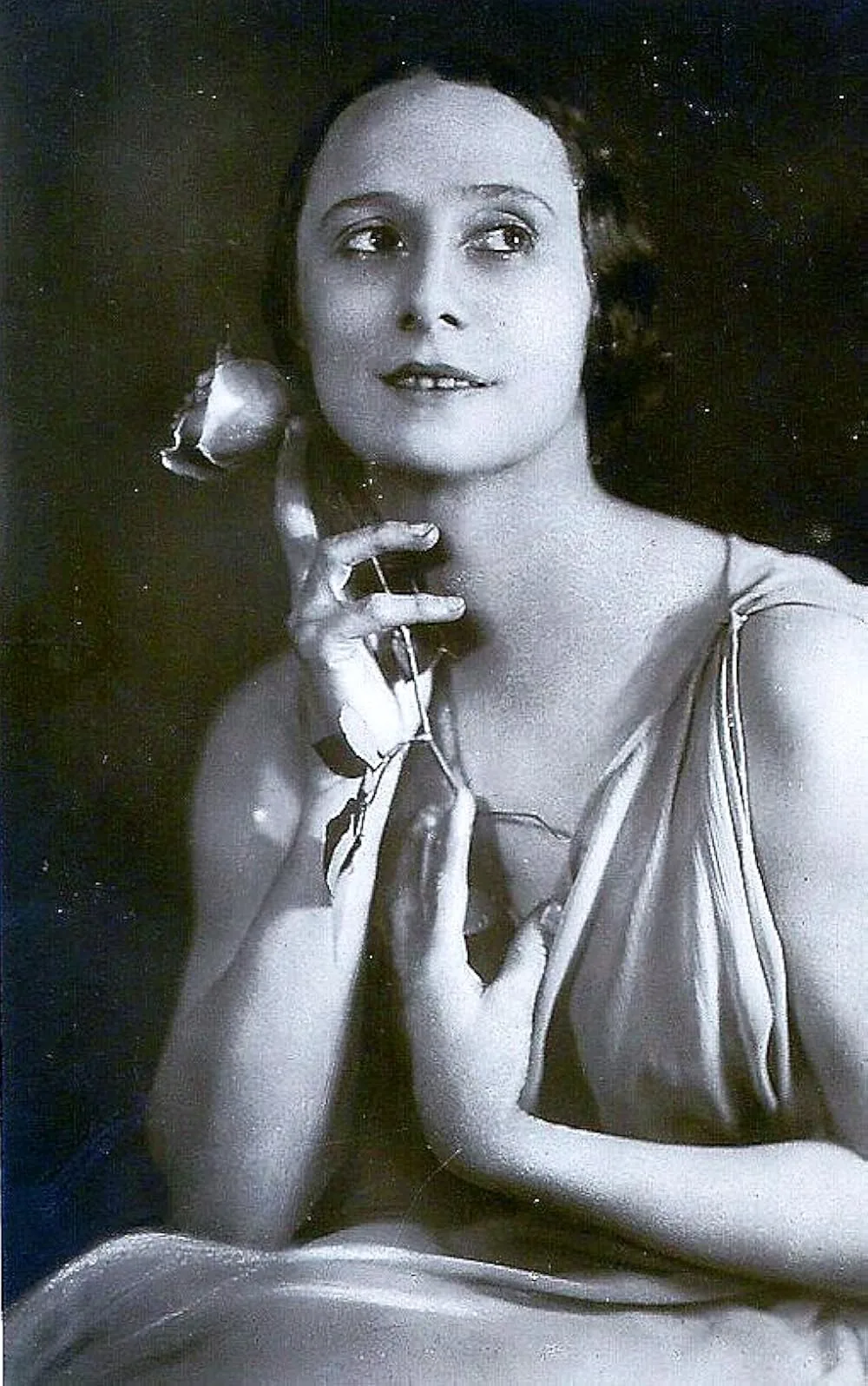
Anna Pavlova (12 February 1881 – 23 January 1931)
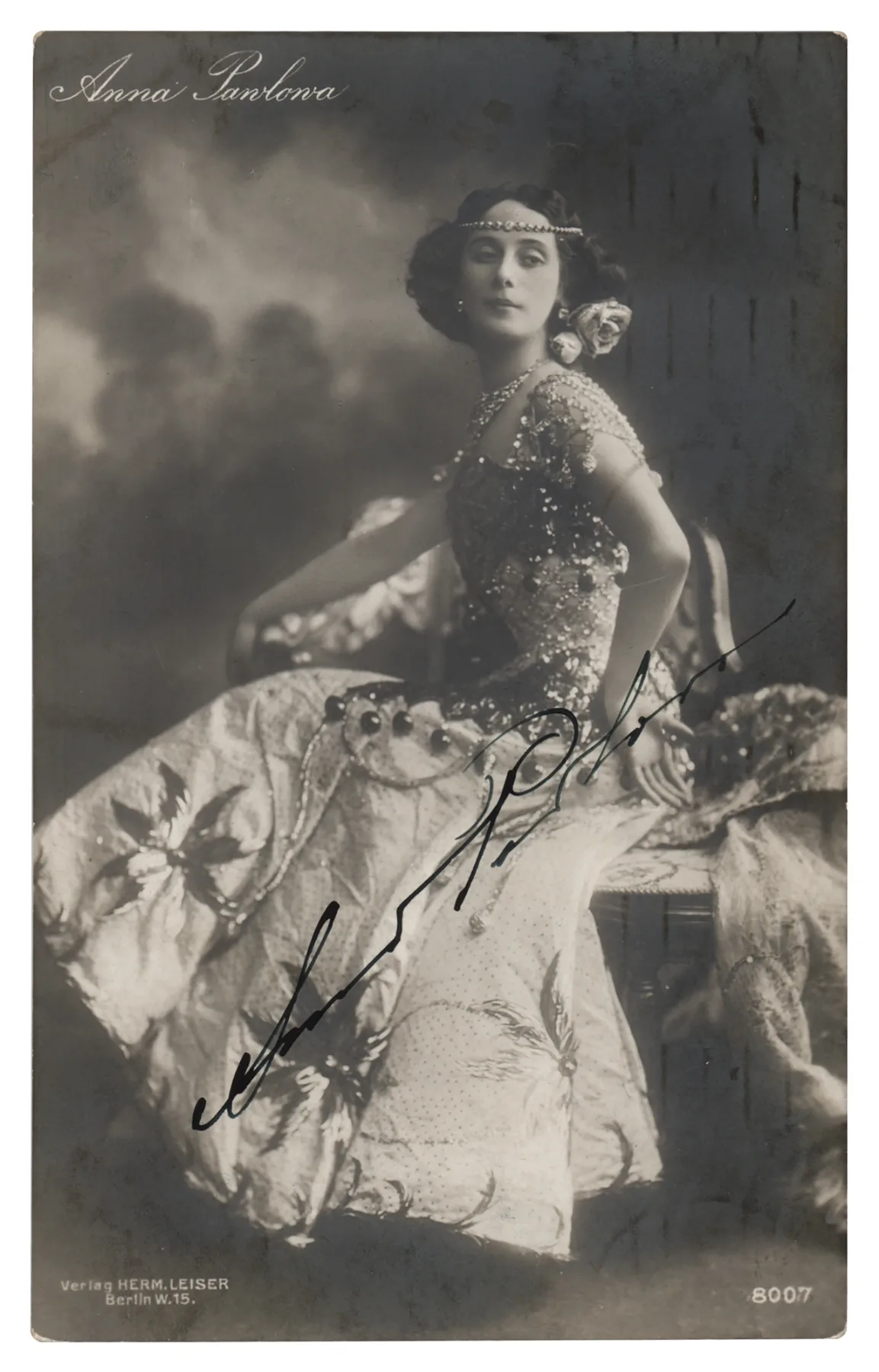
Anna Pavlova (12 February 1881 – 23 January 1931) was a Russian prima ballerina, widely regarded as one of the greatest classical dancers in history and the first to bring ballet on tour to audiences across the globe. She is best remembered for The Dying Swan, a solo choreographed for her by Michel Fokine in 1905, which she went on to perform an estimated four thousand times.
Biography
Anna Matveyevna Pavlova was born in St. Petersburg on 12 February 1881, at the hospital of the Preobrazhensky Regiment.
Her mother, Lyubov Feodorovna, was a laundress who had worked in the household of Lazar Polyakov, a wealthy Jewish banker and patron of the arts. Anna's official father was Matvey Pavlov, a reserve soldier who died when she was two.
A persistent rumor, reported even at the time in the Saint Petersburg Gazette, held that her real father was Polyakov himself — a claim no historian has ever been able to prove, though Pavlova's own features led some who knew her to believe it.
Pavlova spent part of her childhood at her grandmother's house in Ligovo, outside the city. At eight, her mother took her to see Marius Petipa's The Sleeping Beauty at the Mariinsky Theatre, and Pavlova decided, on the spot, what she wanted to do with her life.
The Imperial Ballet School turned her down on her first application — her build was judged too frail, her limbs too long, her ankles too thin for a classical dancer. She was accepted the following year anyway, and began training in 1891, under Petipa himself and teachers Ekaterina Vazem and Pavel Gerdt.
Pavlova graduated in 1899 with the rank of coryphée, which let her skip the usual years spent in the corps de ballet entirely. She made her debut at the Mariinsky on 1 June 1899.
She rose steadily afterward: second soloist in 1902, first soloist in 1903, ballerina in 1905, and prima ballerina in 1906. Petipa personally coached her for one of her earliest featured roles, a Hindu temple dancer in La Bayadère.
Her unusually high-arched, weak feet — the very feature that had nearly cost her a place at the school — eventually reshaped the tools of her own art form.
Standard pointe shoes of the era offered nowhere near enough support for Pavlova's arch, so she had her shoemaker reinforce the soles and insert a hardened block into the toe — an adaptation now considered a direct forerunner of the modern pointe shoe.
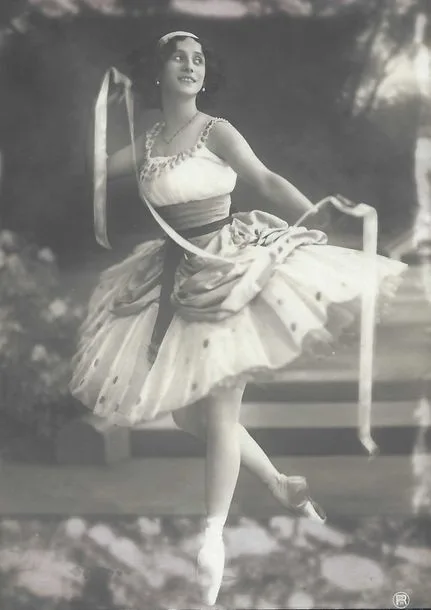
In 1905, the choreographer Michel Fokine created a four-minute solo for her, set to the cello melody of Saint-Saëns's Le Cygne and costumed in white feathers designed by Léon Bakst: The Dying Swan.
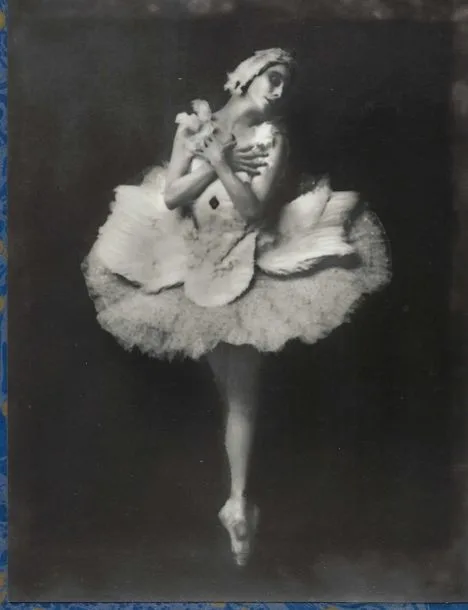
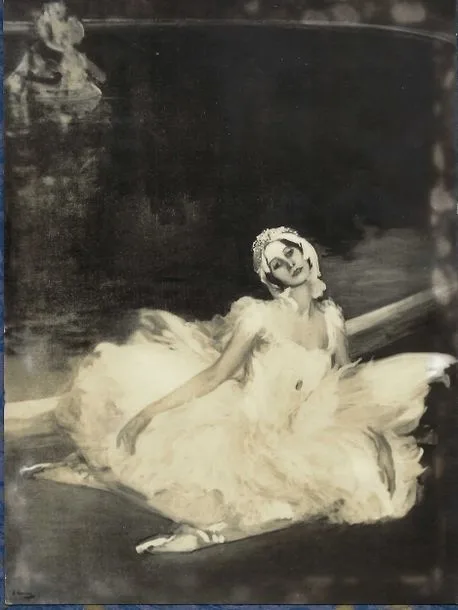
Pavlova would go on to dance it roughly four thousand times over the rest of her career. She always insisted the piece wasn't really about a dying bird at all, but about, in her words, the liberation of a soul. One period critic, watching her collapse slowly to the floor at the solo's end, wrote that her "leg bones quiver like the strings of a harp."
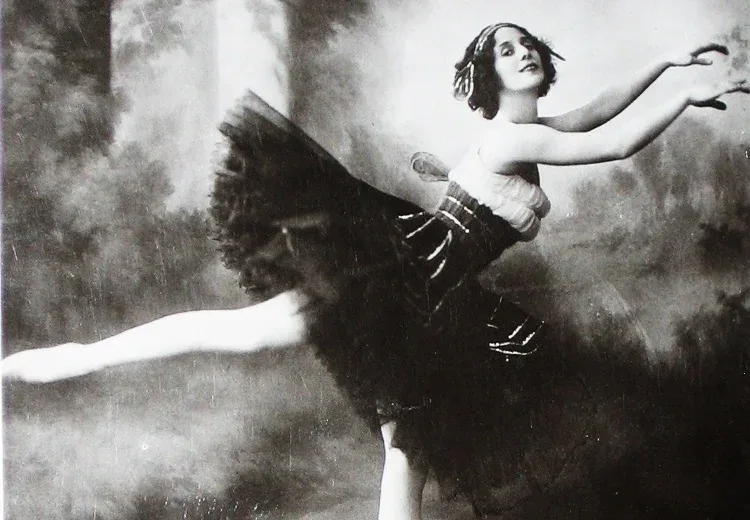
In 1909, Pavlova joined Sergei Diaghilev's Ballets Russes for its historic first season in Paris. She chose not to stay with the company afterward, striking out instead to build something entirely her own.
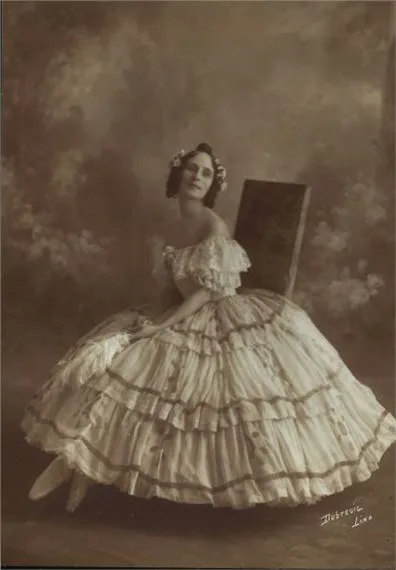
In 1911 she formed her own troupe, which she and her longtime companion Victor Dandré eventually grew from six dancers to sixty, and set off on a touring schedule with something close to missionary purpose.
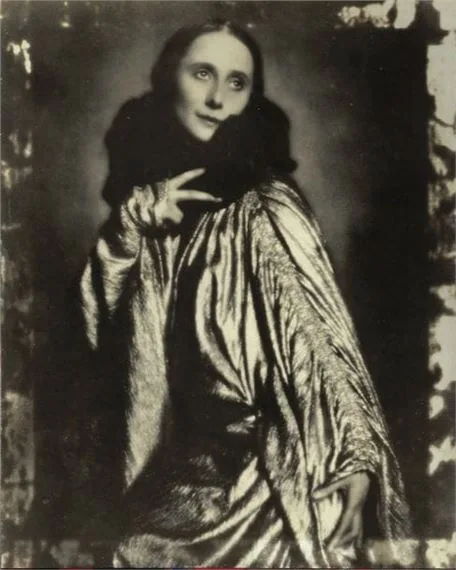
Pavlova wanted to bring classical ballet to places that had never seen it, and did — South America, India, Mexico, Australia, and dozens of countries beyond, becoming the first ballerina in history to tour the world.
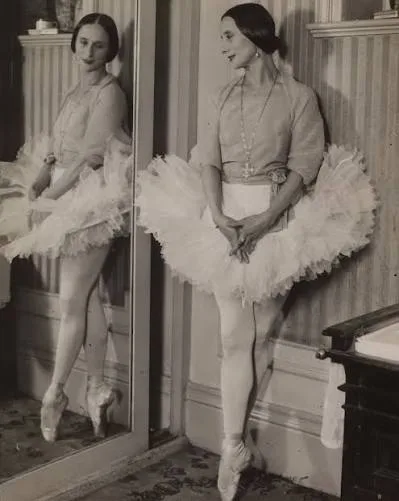
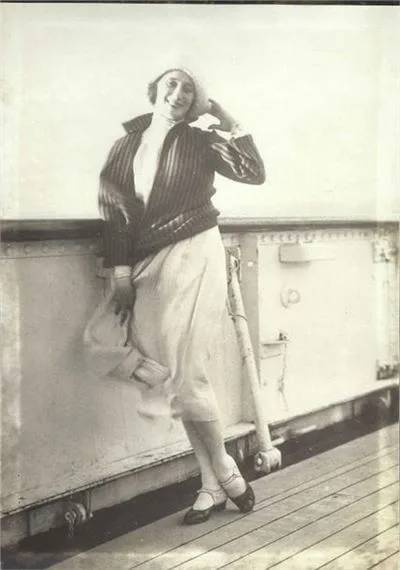
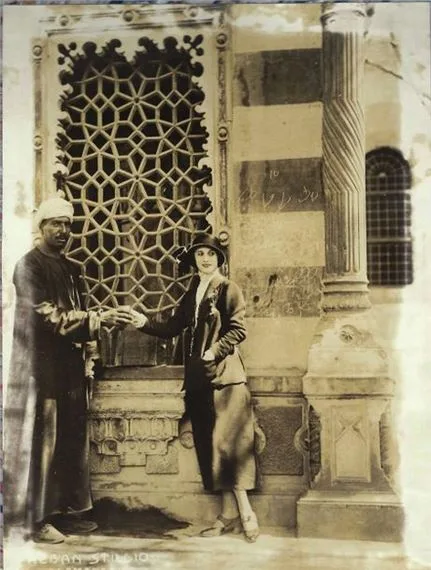
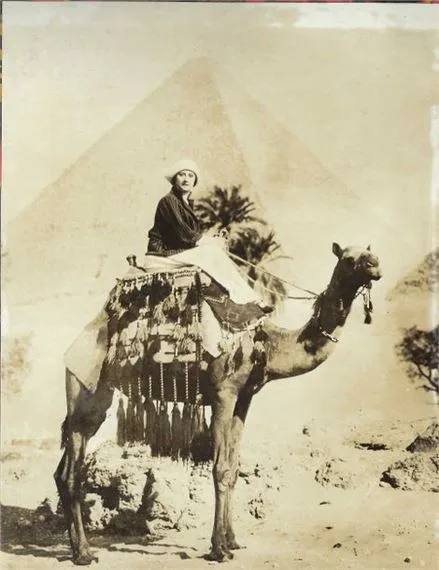
A 1926 tour of Australia and New Zealand left behind an unusual souvenir: a meringue-based dessert, still argued over by both countries to this day, was named the pavlova in her honor.
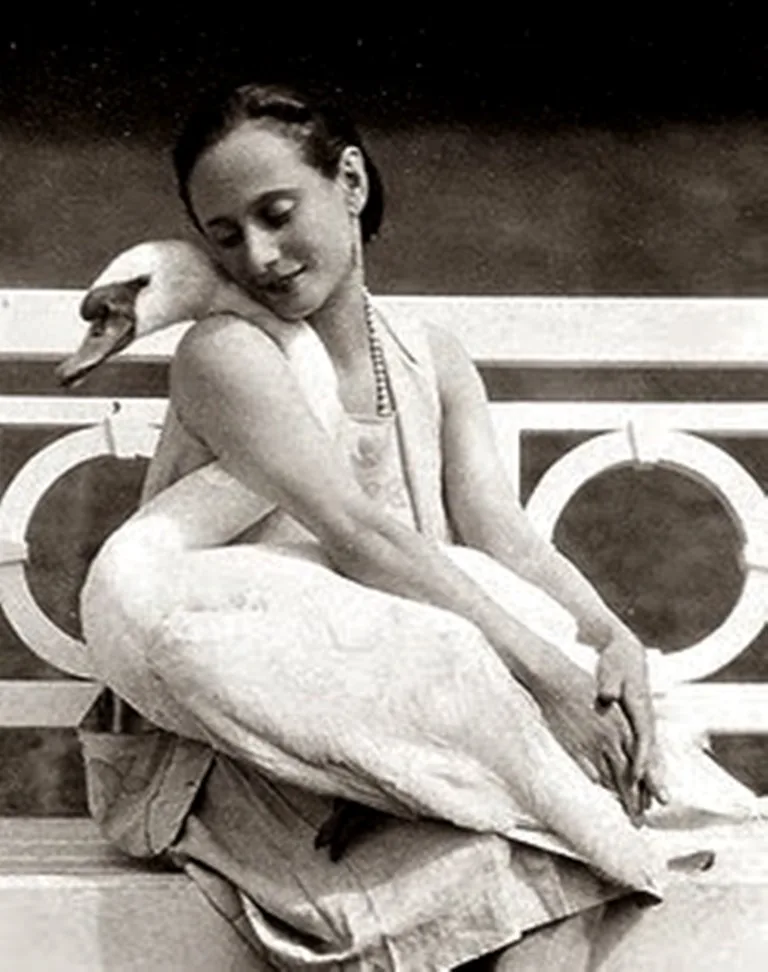
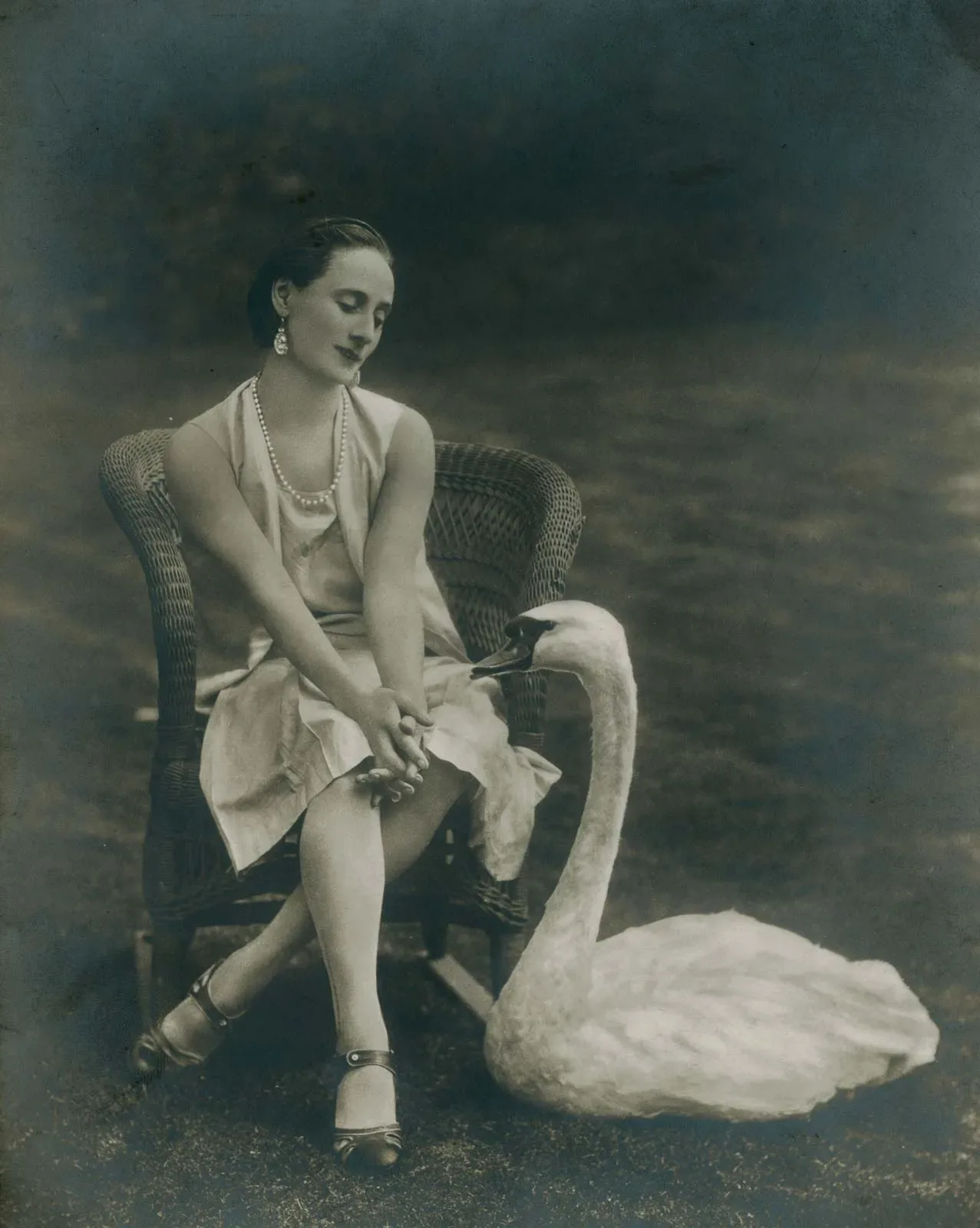
From 1912, her home base was Ivy House in Golders Green, London, a property with a large garden and ornamental lake that she stocked with swans — among them a favorite named Jack — and studied closely to bring more realism to her signature role.
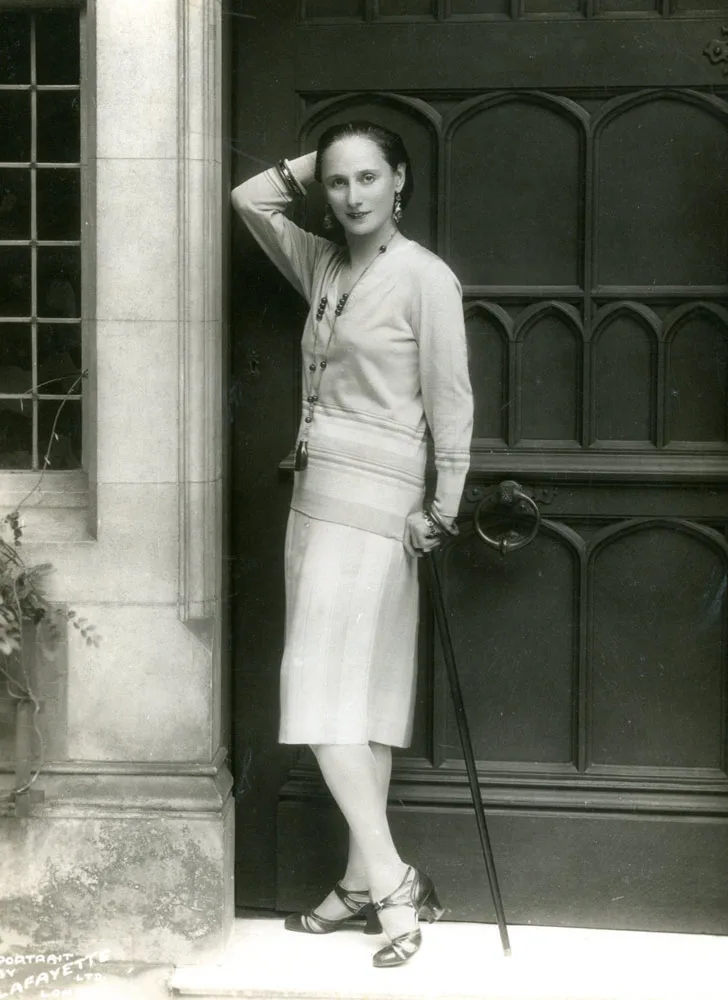
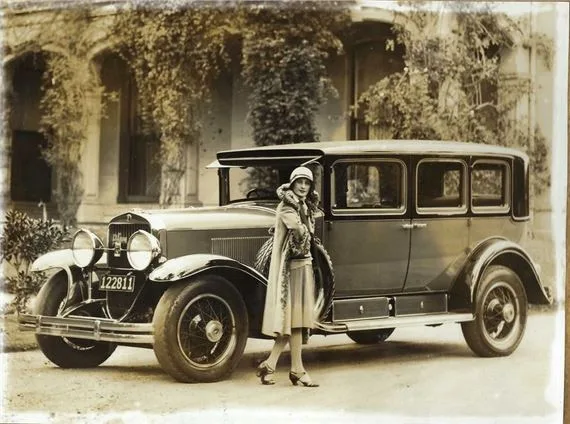
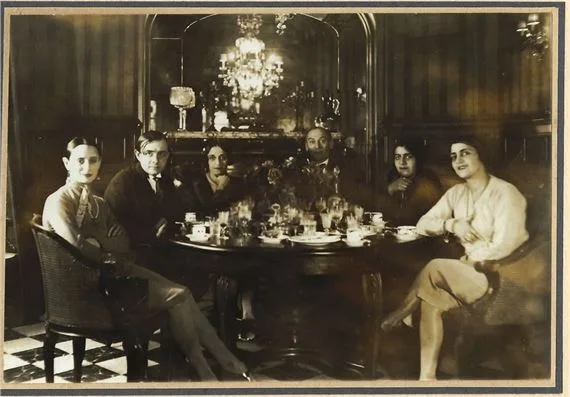
Pavlova had met Victor Dandré in St. Petersburg in 1900, when he was an established figure on the city council eleven years her senior. He became her financial protector early on, funding her private lessons and her own dance studio, and later her manager, running the growing company from Ivy House.
For years, Pavlova insisted publicly that she would never marry — "a true female artist," she said, "must be consumed in her art" — before telling American reporters in 1924 that she and Dandré had in fact been married for years, reportedly in New York in 1914.
No marriage certificate was ever found. After her death, an English judge formally rejected Dandré's claim to be her legal husband, leaving the true nature of their three-decade partnership unresolved to this day.
In January 1931, traveling by train from Paris to a performance in The Hague, Pavlova fell seriously ill. Doctors diagnosed pneumonia and told her an operation was necessary — one that would end her dancing career for good.
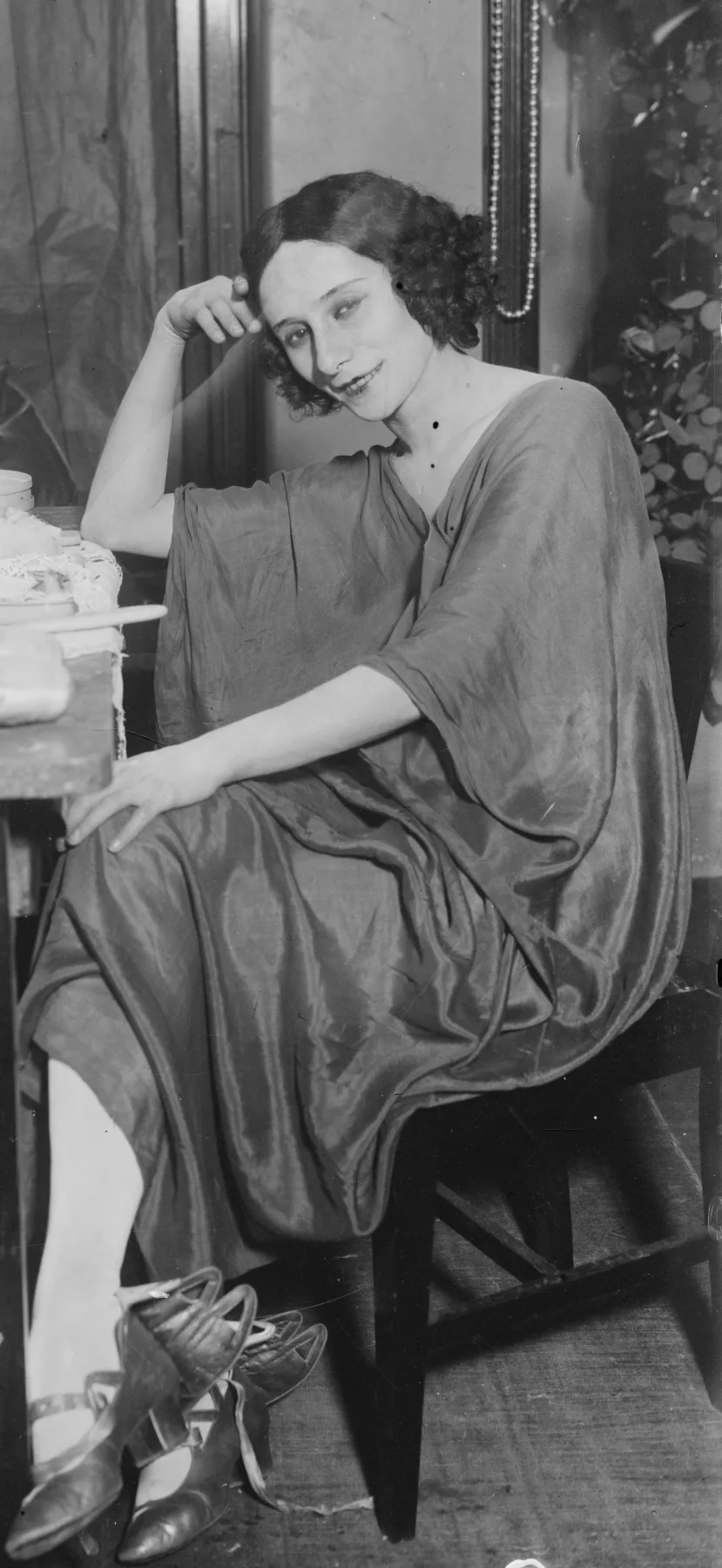
She refused. "If I can't dance," she is reported to have said, "I'd rather be dead."
She died of pleurisy just after midnight on 23 January 1931, at the Hôtel des Indes in The Hague, twenty days short of her fiftieth birthday. Her last words, according to Dandré, were: "Get my swan costume ready."
Two nights later, her company's scheduled London performance went ahead exactly as planned — a single spotlight tracing the empty stage where she should have danced, the orchestra playing The Dying Swan to no one at all.