People
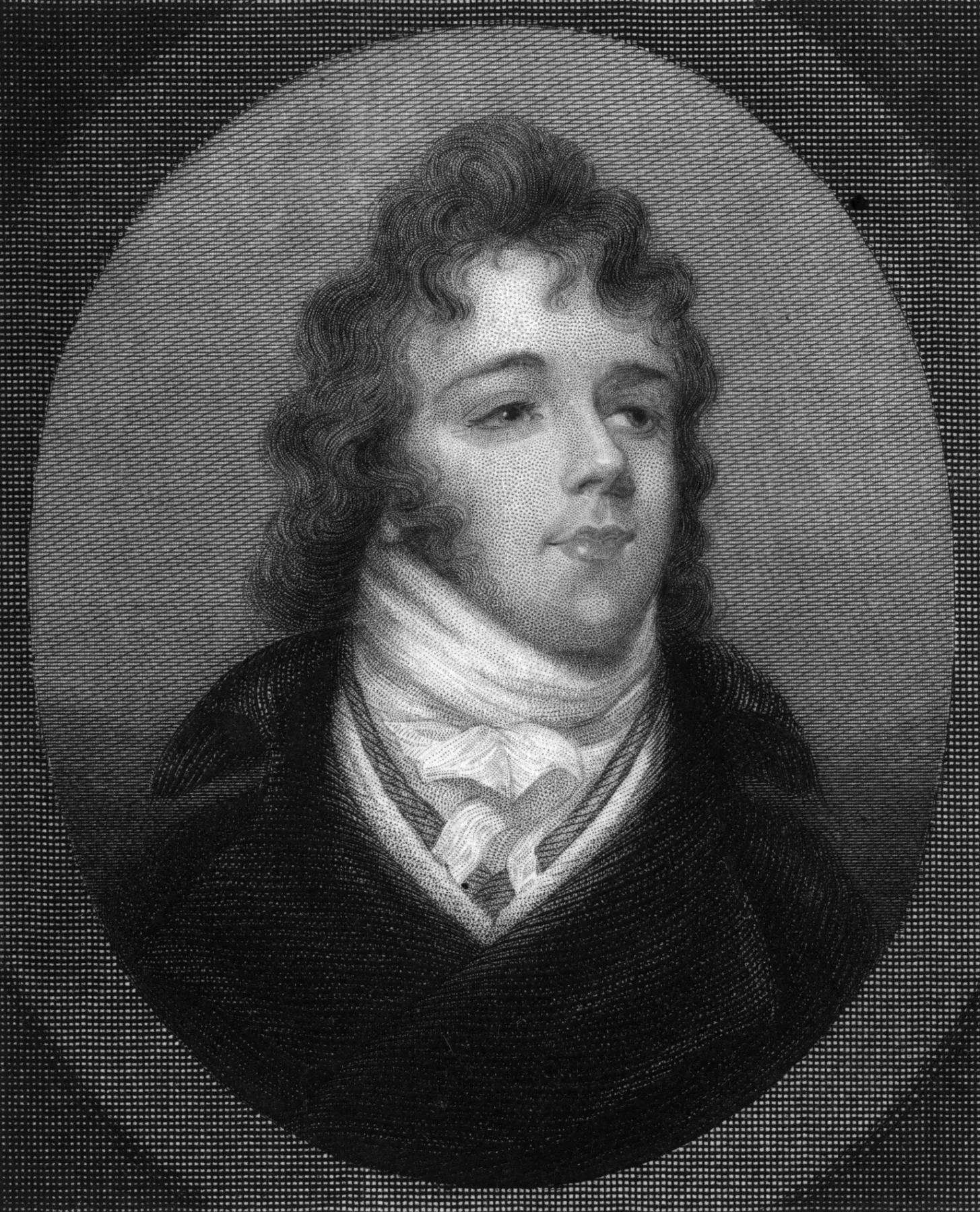
Beau Brummell Beau Brummell (born George Bryan Brummell; 7 June 1778 – 30 March 1840)
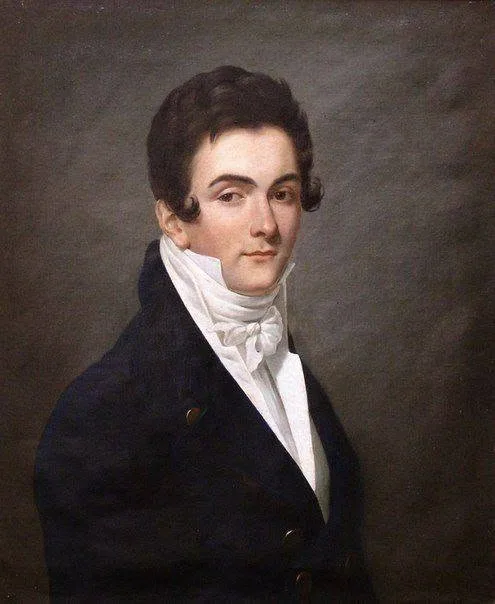
Beau Brummell (born George Bryan Brummell; 7 June 1778 – 30 March 1840) was an English dandy and the undisputed arbiter of men's fashion in Regency London. Rejecting the powdered wigs, silk, and ornament of the eighteenth century for dark, immaculately tailored coats and elaborately knotted linen, he is widely credited with inventing the basic silhouette of the modern men's suit — and with founding the very idea of the dandy as a serious art form in its own right.
Biography
George Bryan Brummell was born on 7 June 1778 in Downing Street, London, where his father, William Brummell, worked as private secretary to the prime minister, Lord North.
The family's own pedigree was distinctly unglamorous — Brummell's grandfather had kept a shop — but William Brummell was ambitious for his younger son, and raised him to move as a gentleman among gentlemen, whatever his birth actually entitled him to.
At Eton from 1786, Brummell earned the nickname "Buck Brummell" for his sharp dress and readier wit, and made his very first mark on fashion history as a schoolboy: adding a gold buckle to the plain white cravat every Eton boy wore, until other boys began copying him.
A brief spell at Oriel College, Oxford, went nowhere in particular. In 1794, at sixteen, the Prince of Wales — to whom Brummell had been introduced at Eton — gave him a commission in his own regiment, the 10th Light Dragoons.
Brummell resigned his commission after four years, and in 1799 inherited roughly £30,000 from his father's estate — a genuine fortune, though a civil servant's fortune, not a lord's.
It was enough to install him at the center of the Prince's circle, and from there, of fashionable London itself.
His entire style rested on a single, quietly radical idea: that true elegance in men's dress lay not in ornament but in its absence.
Brummell rejected the frills, powder, and vivid color of the previous century in favor of dark, close-fitted coats, full-length trousers instead of knee breeches, and immaculate white linen — an aesthetic that looked effortless and demanded enormous effort, restraint deployed as the ultimate display of taste.
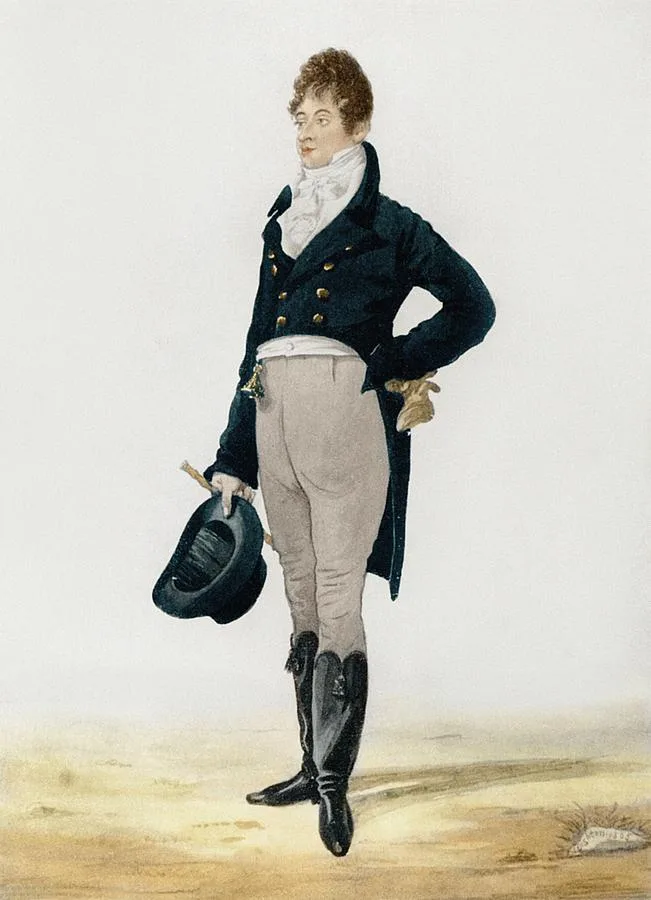
It is, in essentials, the silhouette men's formal dress has never really abandoned since.
He bathed and shaved daily, at a time when neither habit was remotely universal among English gentlemen, and by his own account spent up to five hours dressing. He recommended, with a straight face, that boots be polished with champagne.
Tying his cravat into precisely the right knot each morning could take dozens of attempts; visitors sometimes found his valet standing amid a heap of discarded, crumpled neckcloths on the floor. Asked what they were, the valet is said to have answered simply: "These, sir, are our failures."
Brummell became a founding member of Watier's — nicknamed "the Dandy Club" by Lord Byron — as well as White's and Brooks's, the most exclusive gentlemen's clubs in Mayfair.
For roughly two decades, from the 1790s to 1816, his approval or scorn could make or break a reputation in London society, a power built on nothing more substantial than wit and tailoring.
The friendship with the Prince Regent that had made all of it possible cooled through the 1810s. Once, dining together, Brummell reportedly addressed him with startling familiarity: "Ring the bell, George."
As the story is usually told, the final rupture came on a London street, when the Prince pointedly greeted Brummell's companion, Lord Alvanley, while ignoring Brummell entirely. As the Prince walked away, Brummell turned to Alvanley and asked, just loudly enough to be heard: "Who's your fat friend?"
Whether the exchange happened exactly as later told, it entered legend almost immediately, and it cost Brummell the one protection that had kept his mounting gambling debts from catching up with him.
On 16 May 1816, with creditors closing in and debtors' prison a real possibility, Brummell fled England for Calais. His belongings were auctioned off in London under an advertisement describing their former owner, not unkindly, as "a man of fashion, now gone to the continent."
He spent his remaining twenty-four years in France, eventually securing a minor post as British consul in Caen — a position friends arranged for him, and one that lasted only until the post itself was abolished in 1832.
Debt followed him there too; he spent time in a French debtors' prison in the mid-1830s.
By then, tertiary syphilis, contracted decades earlier, had begun to erode his mind. In 1837, no longer able to care for himself — toothless, bald, covered in sores, and largely incontinent — Brummell was taken in by the nuns of Le Bon Sauveur Asylum in Caen.
He died there on 30 March 1840, at sixty-one, having spent his final three years in what one biographer called "an imbecile state." In England, where he had once decided who mattered and who didn't, his death passed almost without notice.
His name outlived the humiliation. "Dandy" became a permanent category of Western masculinity because of him, and the basic proportions of the modern men's suit — dark, fitted, unornamented, built around a well-tied piece of linen at the throat — still trace back, in their essentials, to a bankrupt, syphilitic exile who once believed the whole art of dressing well was making sure that nobody noticed you'd tried.