People
Cecil Beaton (14 January 1904-18 January 1980)
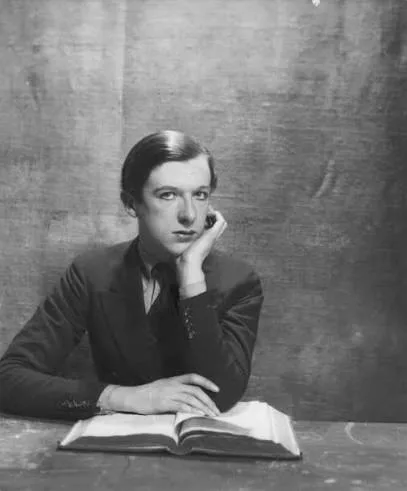
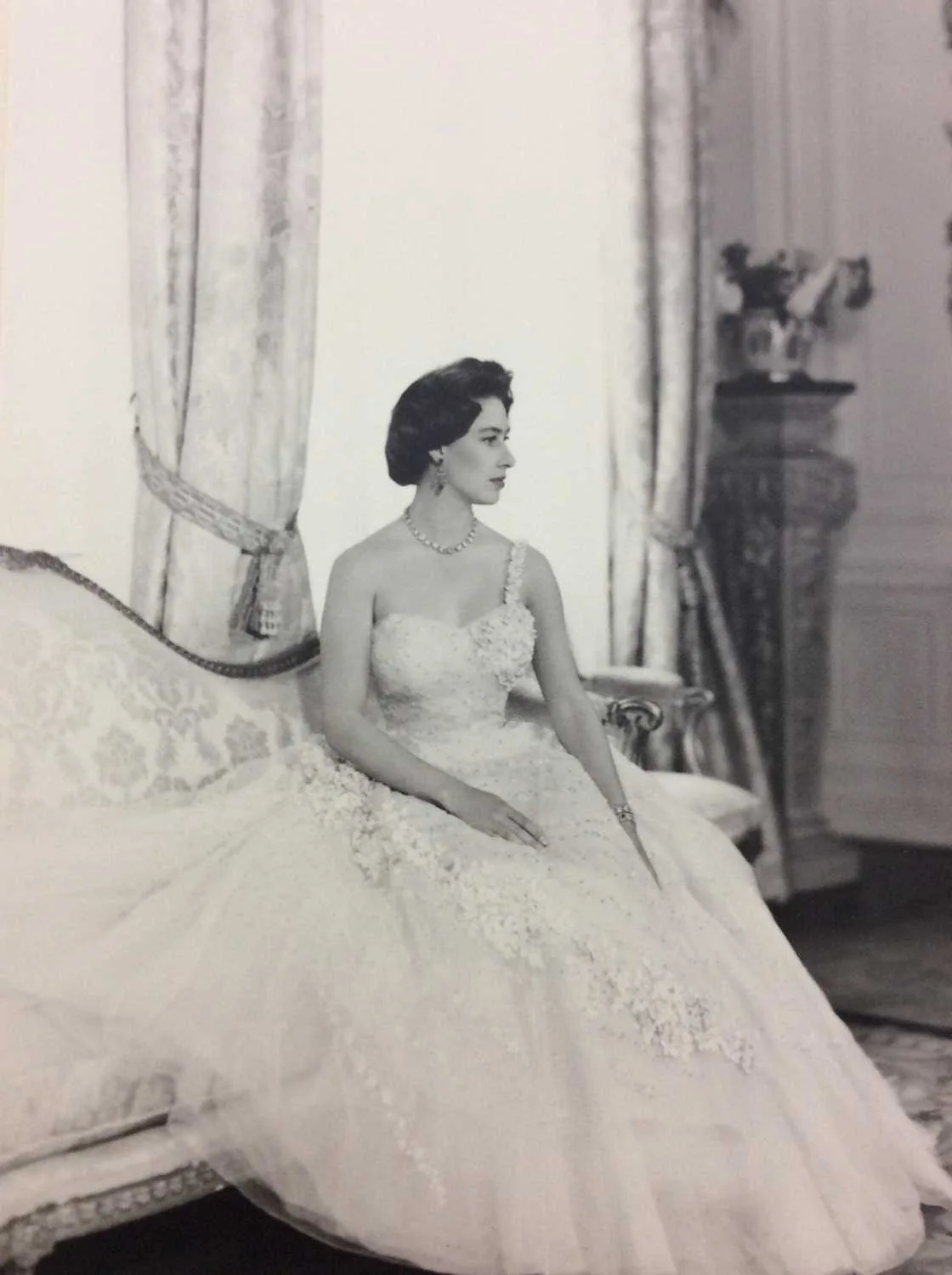
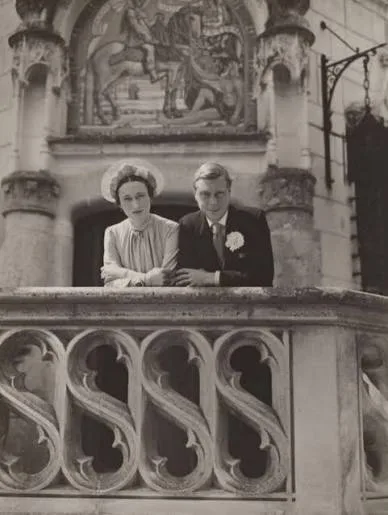
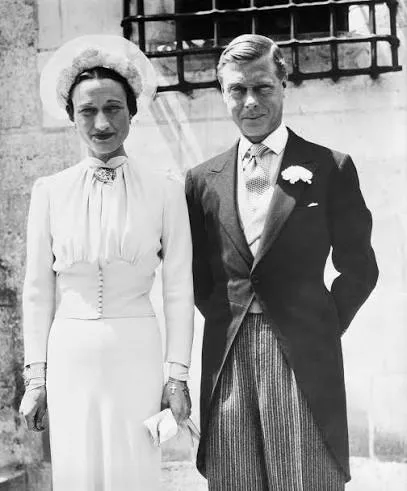
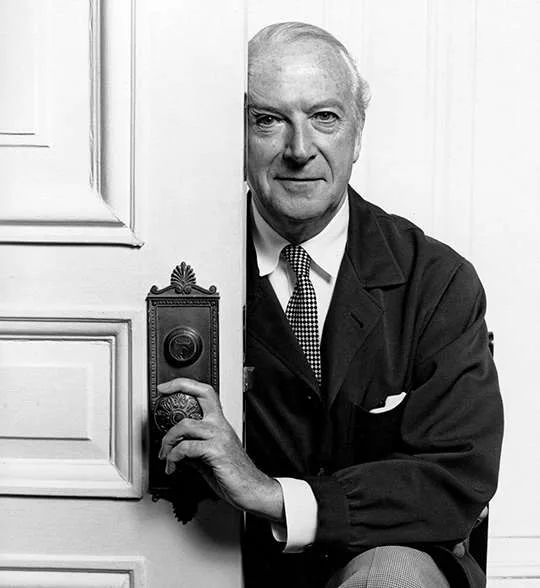
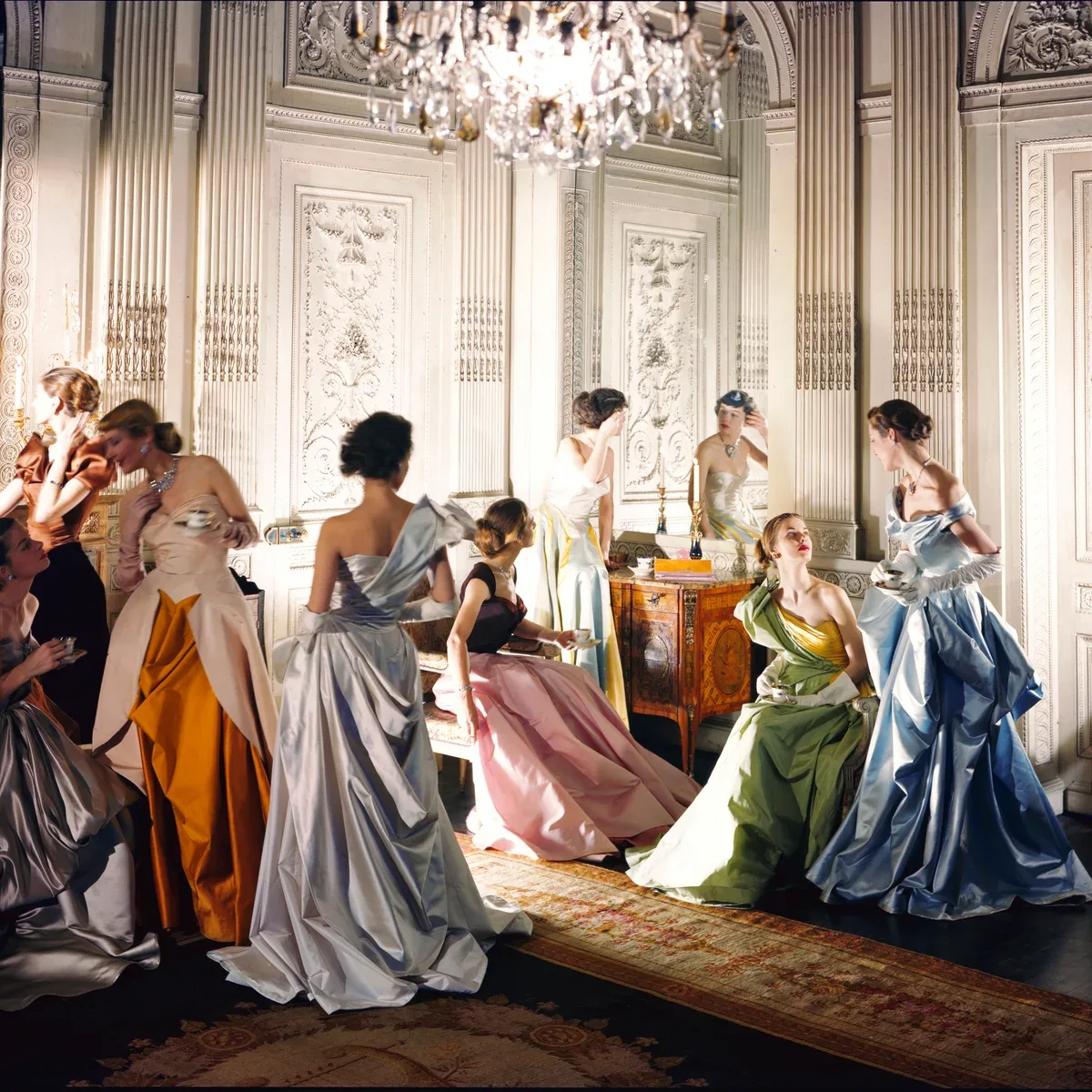
Sir Cecil Walter Hardy Beaton CBE (14 January 1904 – 18 January 1980) was a British photographer, designer, and diarist. Renowned for his elegant and often theatrical style, Beaton's work appeared in leading publications such as Vogue and Harper's Bazaar. He gained international acclaim for his portraits of celebrities, royalty, and socialites, as well as his work in fashion, theatre, and film. Though he is best known for his celebrity portraits, Beaton was also one of the most prolific photographers of life during World War II, taking over 7,000 photographs between 1940 and 1945 in Britain as well as in China and Africa.
In addition to his photography, Beaton won three Academy Awards, including two for Best Costume Design (Gigi, 1958; My Fair Lady, 1964) and one for Best Art Direction (My Fair Lady, 1964), and received several Tony Awards for his work in theatre. He was also celebrated for his diaries and memoirs, which documented the cultural and social life of his era. Knighted in 1972, he was also recognized with numerous honors for his contributions to photography, design, and the arts, cementing his legacy as one of the 20th century's most influential visual artists.
Biography
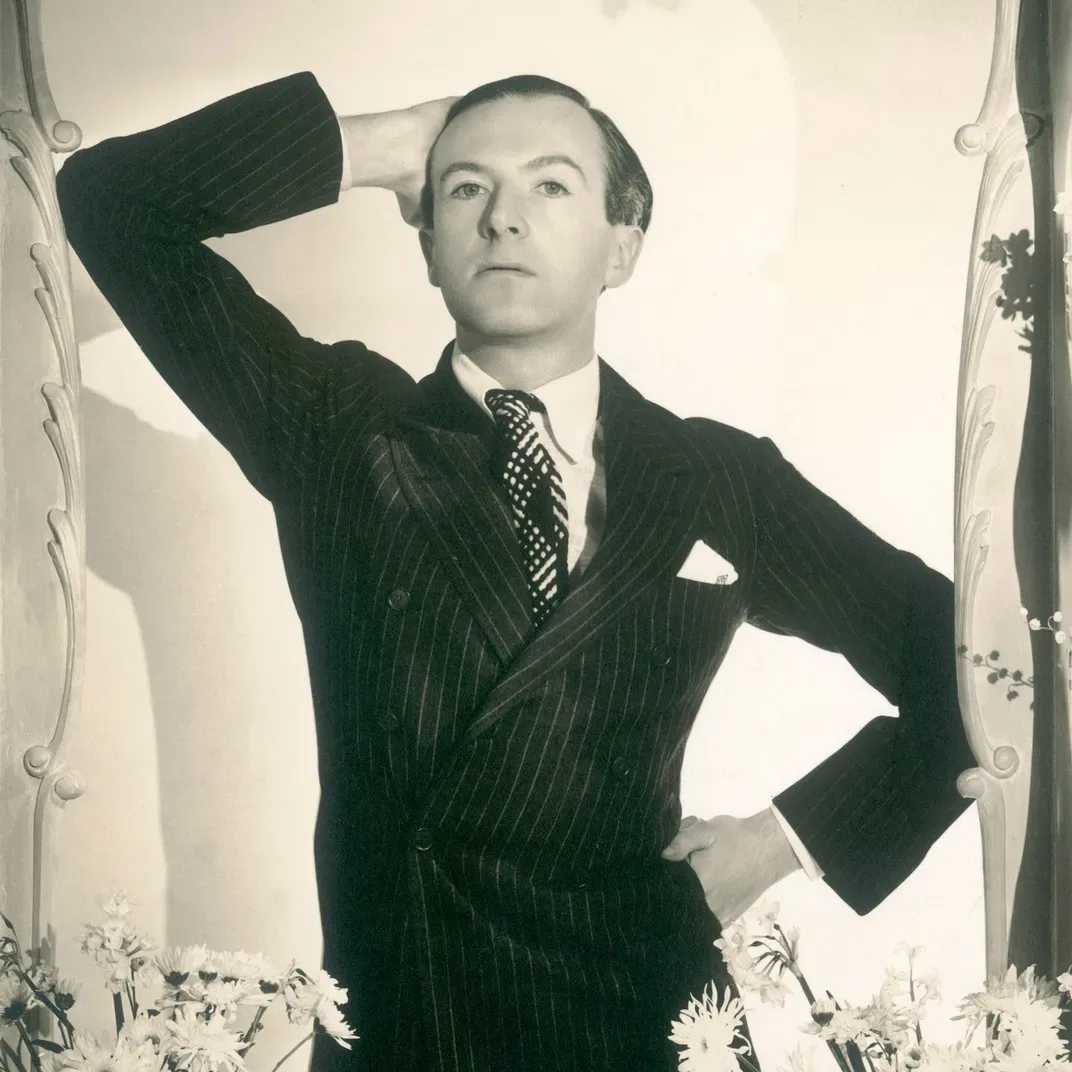
When Beaton was growing up his nanny had a Kodak 3A Camera, a popular model which was renowned for being an ideal piece of equipment to learn on. Beaton's nanny began teaching him the basics of photography and developing film. He would often get his sisters and mother to sit for him. When he was sufficiently proficient, he would send the photos off to London society magazines, often writing under a pen name and ‘recommending’ the work of Beaton.
Beaton attended Harrow School, and then, despite having little or no interest in academia, moved on to St John's College, Cambridge, and studied history, art and architecture. Beaton continued his photography, and through his university contacts managed to get a portrait depicting the Duchess of Malfi published in Vogue. It was actually George "Dadie" Rylands – "a slightly out-of-focus snapshot of him as Webster's Duchess of Malfi standing in the sub-aqueous light outside the men's lavatory of the ADC Theatre at Cambridge."
Since 1927, Cecil Beaton started to work for American Vogue regularly and he is known for his fashion photographs and society portraits. Besides working as staff photographer for Vogue and Vanity Fair, he also photographed celebrities in Hollywood.
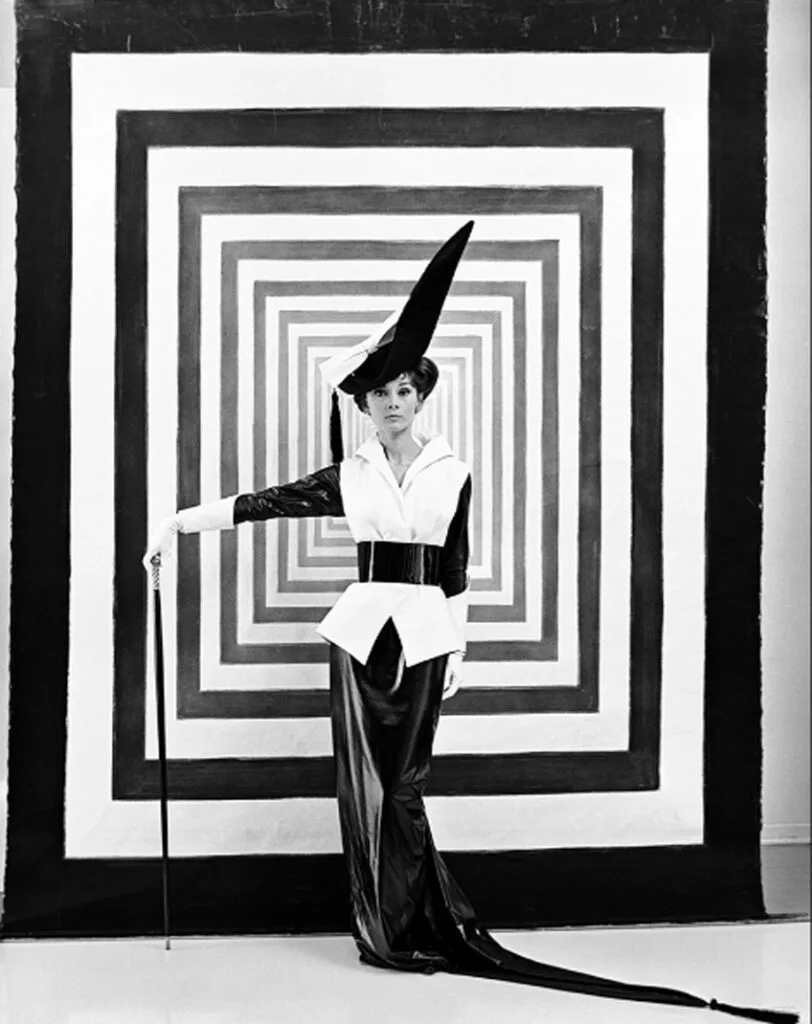
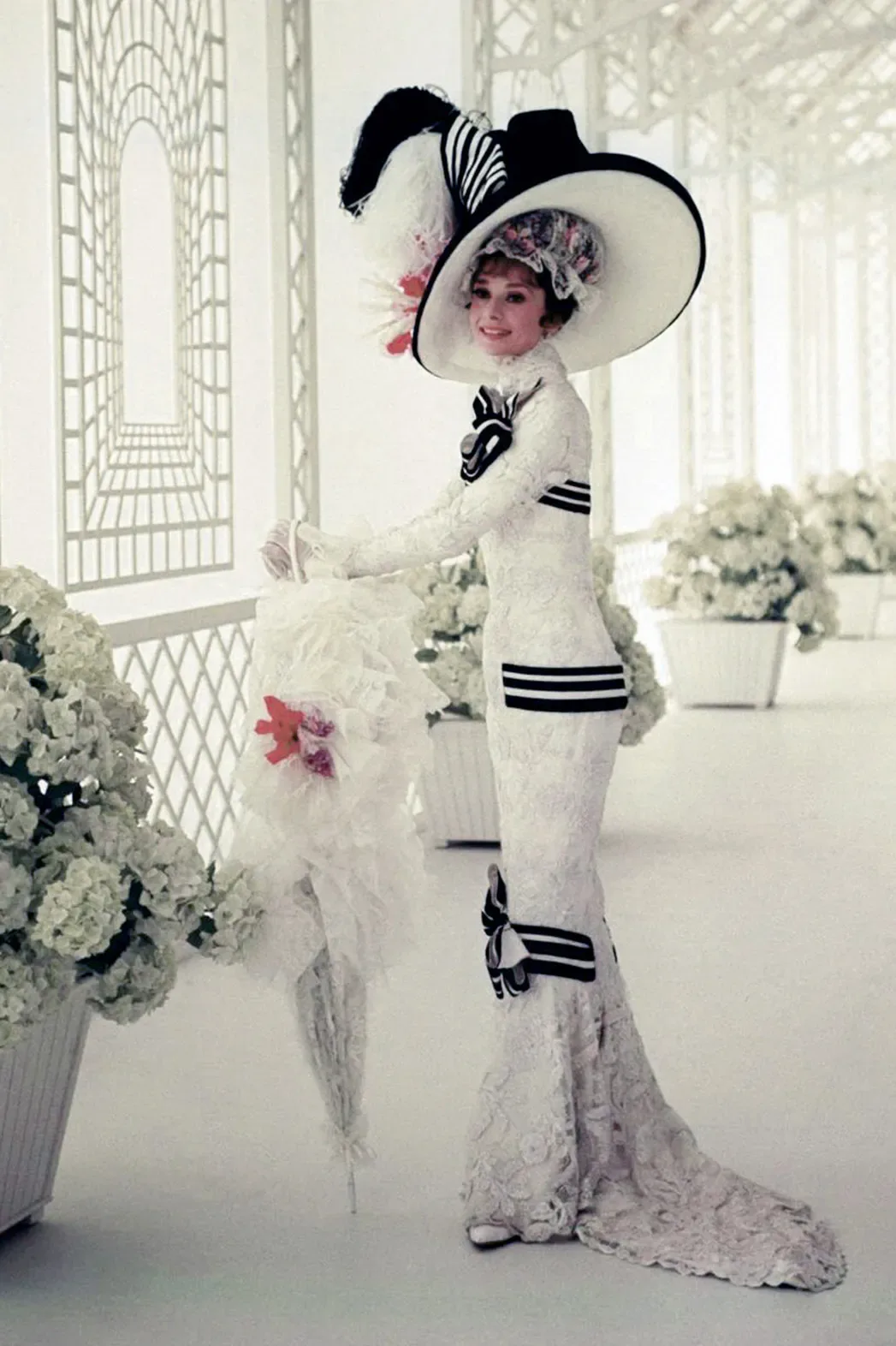
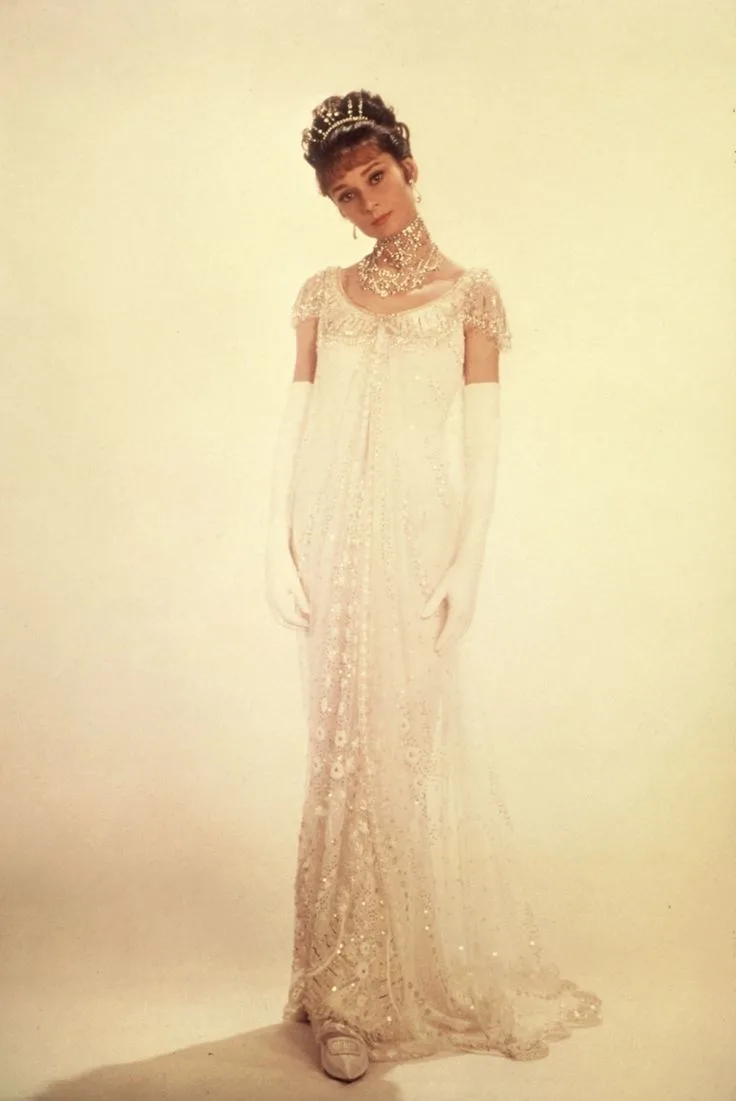
His costumes for Lerner and Loewe's My Fair Lady (1956) were highly praised. This led to two Lerner and Loewe film musicals, Gigi (1958) and My Fair Lady (1964), each of which earned Beaton the Academy Award for Best Costume Design. He also designed the period costumes for the 1970 film On a Clear Day You Can See Forever.
Two years later he suffered a stroke that would leave him permanently paralysed on the right side of his body. Although he learnt to write and draw with his left hand, and had cameras adapted, Beaton became frustrated by the limitations the stroke had put upon his work.
As a result of his stroke, Beaton became anxious about financial security for his old age and, in 1976, entered into negotiations with Philippe Garner, expert-in-charge of photographs at Sotheby's.
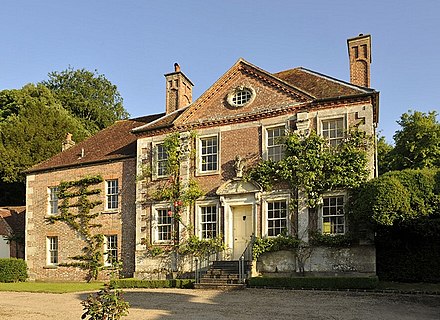
By the end of the 1970s, Beaton's health had faded. He died on 18 January 1980, at Reddish House, his home in Broad Chalke, Wiltshire, four days after his 76th birthday