People
Edward VIII, Duke of Windsor (born Edward Albert Christian George Andrew Patrick David; 23 June 1894 – 28 May 1972)
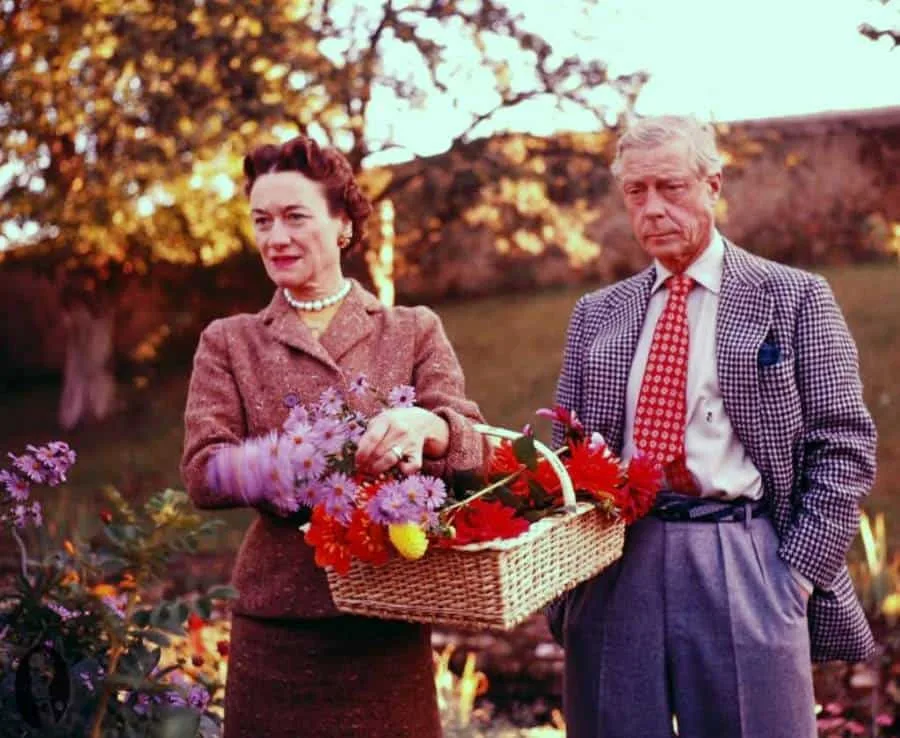
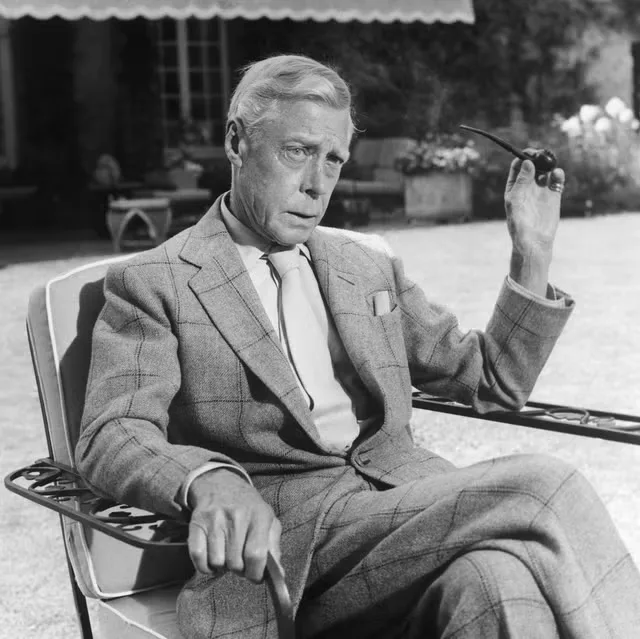
Edward, Duke of Windsor (born Edward Albert Christian George Andrew Patrick David; 23 June 1894 – 28 May 1972) was King of the United Kingdom for less than a year, as Edward VIII, before abdicating in December 1936 to marry the American divorcée Wallis Simpson, one of the defining constitutional crises of the twentieth century. He spent the remaining thirty-five years of his life as Duke of Windsor, a genuine menswear style icon whose wartime conduct also made him one of the British monarchy's most persistent controversies.
Biography
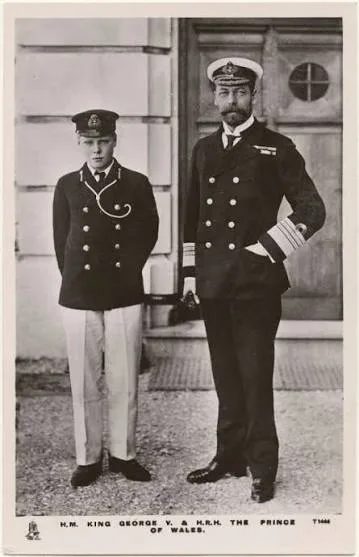
Edward was born on 23 June 1894 at White Lodge, in London's Richmond Park, the eldest son of the Duke and Duchess of York — later King George V and Queen Mary. His family called him David, the last of his five given names.
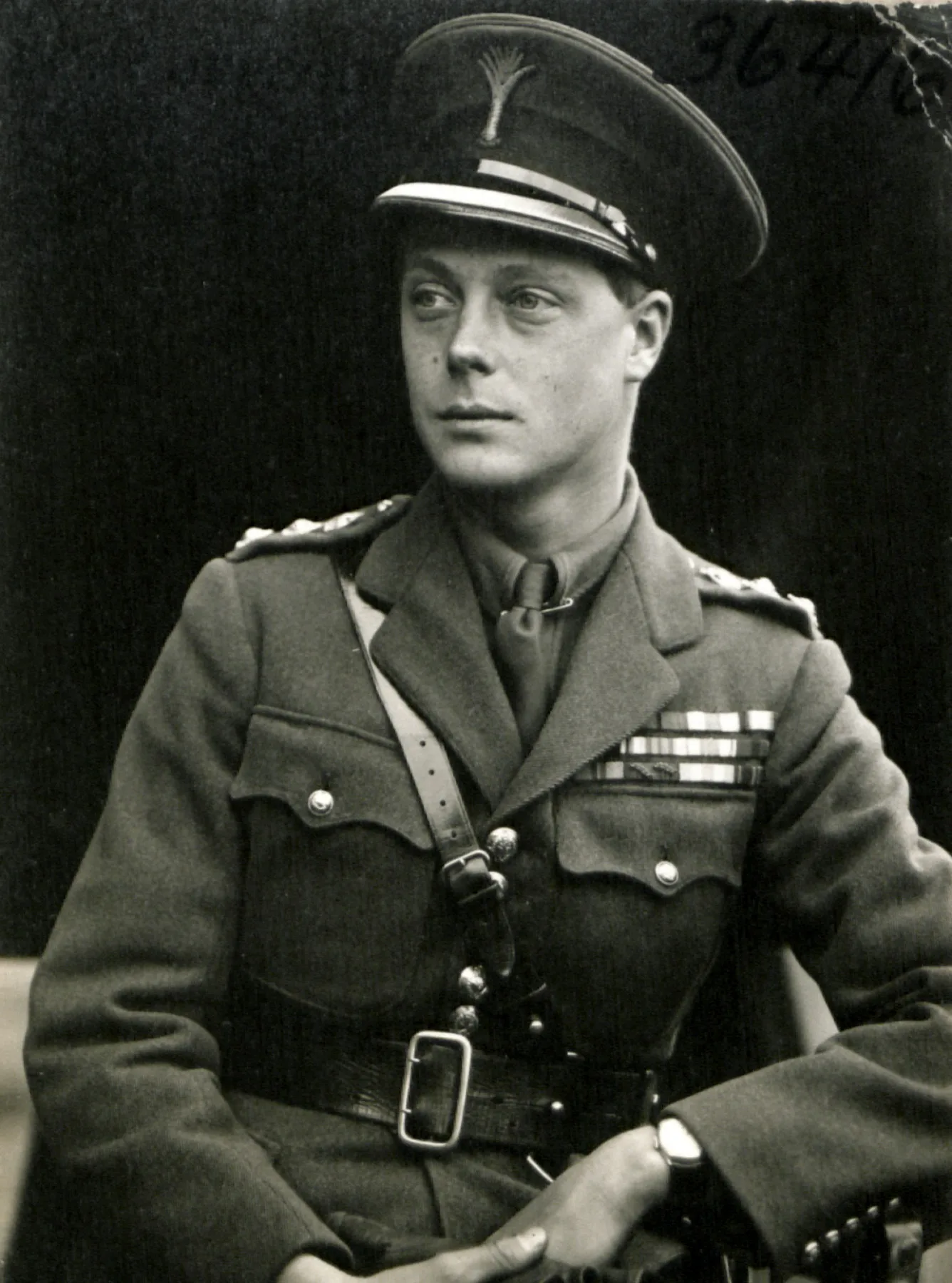
He became Prince of Wales in 1910, when his father ascended the throne, and was formally invested at Caernarfon Castle the following year, briefly tutored in a few words of Welsh by the future prime minister David Lloyd George.
Through the 1920s, Edward represented his father on tours at home and abroad, taking a particular interest in Britain's poorest regions and, after the Depression hit, signing some 200,000 people up to a back-to-work scheme of his own devising. His charm made him genuinely, widely popular, a very different reputation from the one he would carry by the end of his life.
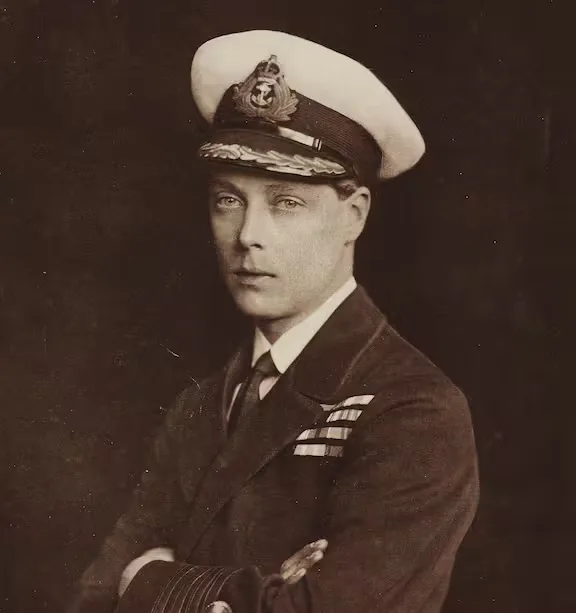
Edward was also, independent of any scandal, a real trendsetter in men's clothing. He favored the tailor Frederick Scholte, the shirt-and-tie maker Hawes and Curtis, the shoemaker Peal and Co., and the hatter Lock and Co., and popularized a looser, lower-slung version of plus fours for sport. The style Hawes and Curtis developed for him(ties with a thicker inner lining, producing a fuller knot) became known, to his own mild irritation, as the "Windsor knot," a technique he always insisted he had never actually invented.
Diana Vreeland, the editor of Harper's Bazaar and Vogue, put his overall effect simply: "The Duke of Windsor had style in every buckle of his kilt."
Edward's romantic life worried the establishment for years before Wallis Simpson ever entered it.
The Prince of Wales pursued a string of relationships with older, married women like Freda Dudley Ward, Thelma Furness, etc., a behavior that so troubled his father that George V is said to have remarked, "After I am dead, the boy will ruin himself in twelve months."
Then The Prince met Mrs. Simpson. It was in 1931, and it was through Thelma Furness, Edward's then girl friend. Edward found in Wallis the relationship that would define the rest of his life.
George V died on 20 January 1936, and Edward ascended as Edward VIII at forty-one — but his determination to marry a twice-divorced American, unacceptable to the Church of England he now headed, produced the abdication crisis almost immediately.
On 11 December 1936, after a reign of less than a year, Edward abdicated. His brother and successor, George VI, made him Duke of Windsor as the first act of his own reign. Edward married Wallis the following June.
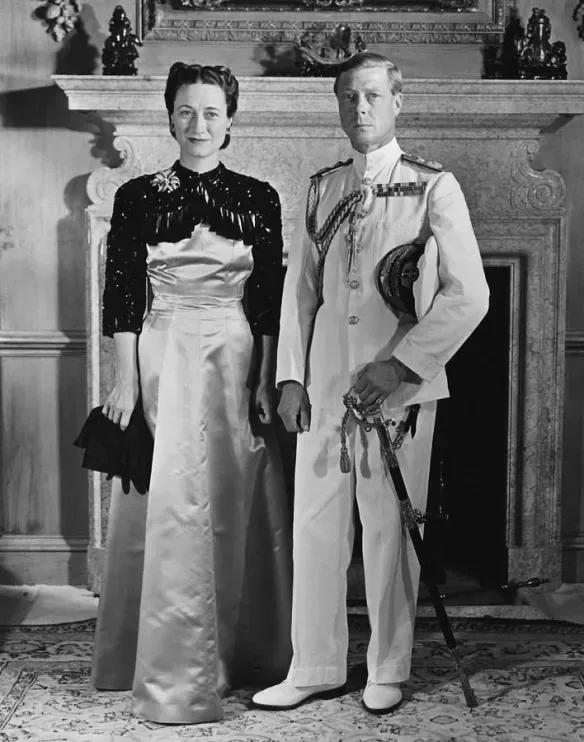
When the Second World War began, Edward was made a British Army liaison officer in France. Winston Churchill, aware of the Duke's sympathy for Nazi Germany, arranged instead for him to be appointed Governor of the Bahamas — a posting widely understood at the time as a way of keeping him safely out of Europe.
Before he took up the post, while the Windsors were in Lisbon, German intelligence attempted what came to be called Operation Willi: an effort to persuade or manipulate Edward into cooperating with Germany.
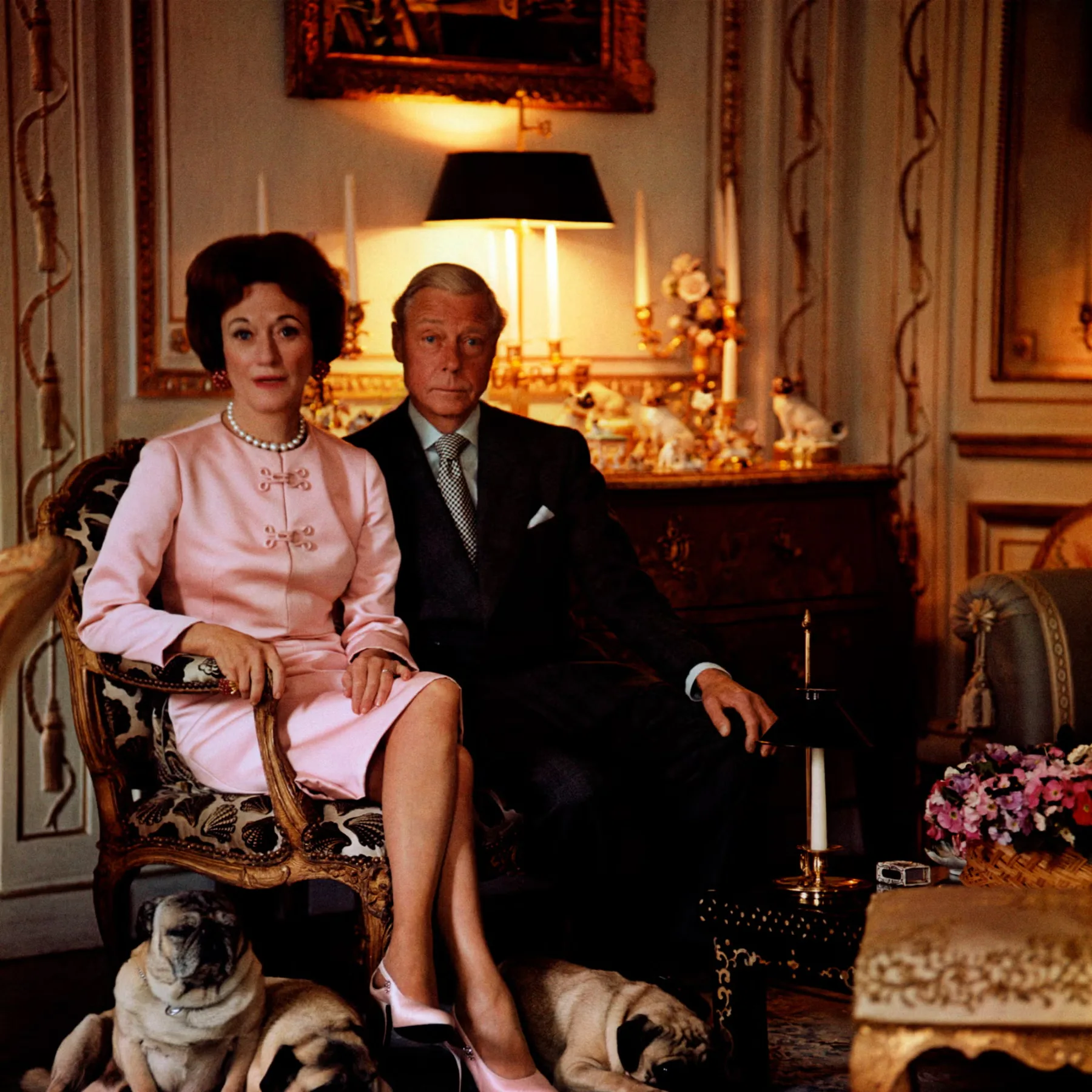
After the war, roughly four hundred tons of captured German diplomatic documents were found detailing correspondence between Nazi officials and people in Edward's circle during 1940. Historians remain divided on what they prove: the biographer Hugo Vickers has argued Edward "may have been a fool, but he was no traitor," while others maintain the record shows conscious, active collaboration.
His governorship of the Bahamas produced its own lasting mystery: the unsolved 1943 murder of the wealthy businessman Sir Harry Oakes, an investigation for which Edward was later criticized, accused of pushing for a hasty and flawed conclusion.
For years afterward, Edward lobbied his brother's court, by his own account telephoning daily, for money and for Wallis to be granted the style "Her Royal Highness" — a title she was never given. George VI eventually ordered the calls stopped.
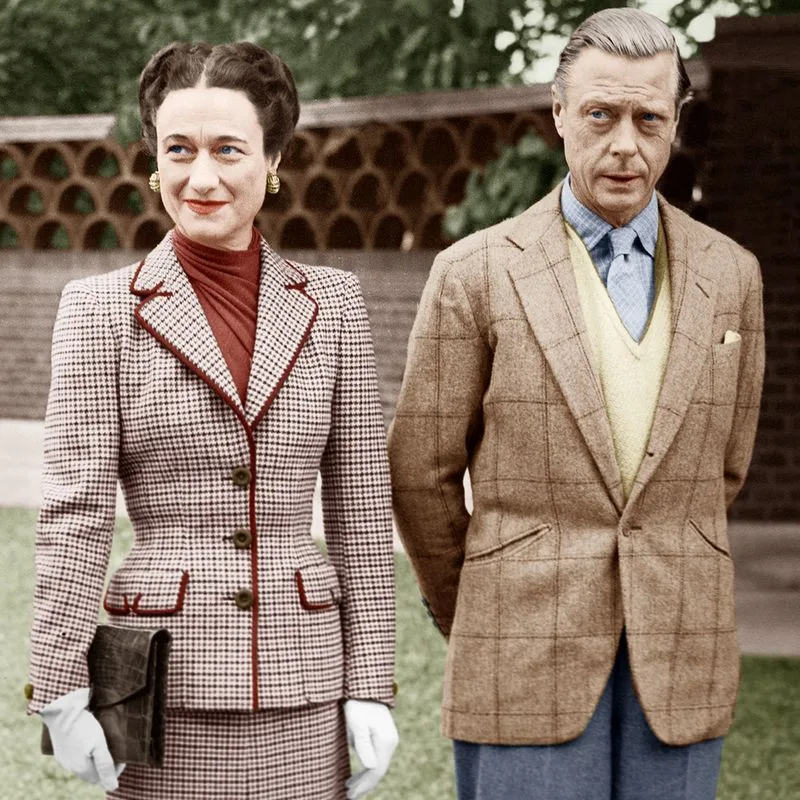
The Duke and Duchess lived out the following decades largely in France, kept at a careful distance by the royal family, though relations thawed slightly near the end: his niece, Queen Elizabeth II, visited him in Paris shortly before his death.
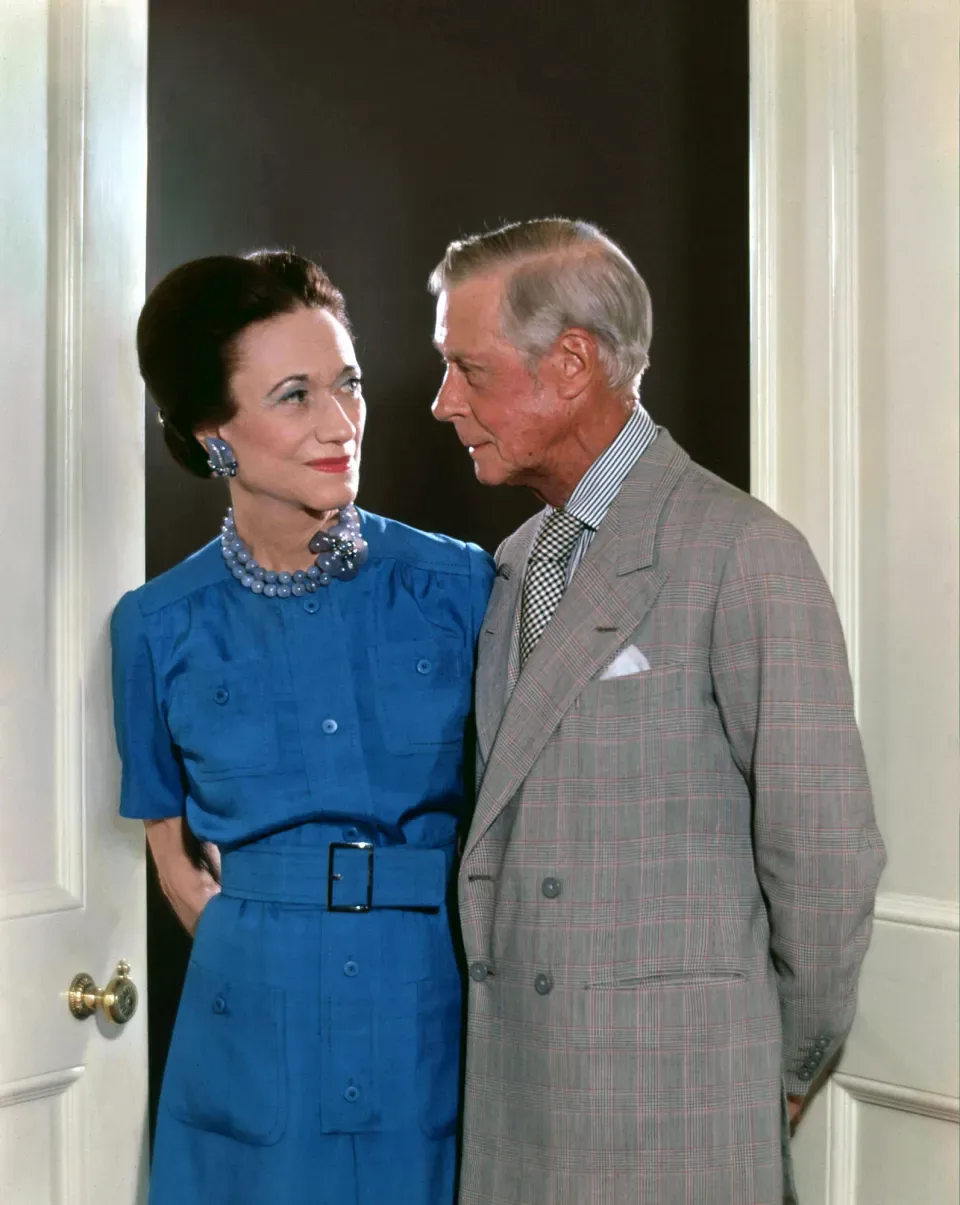
Edward, Duke of Windsor, died of throat cancer at his home in Paris on 28 May 1972, at seventy-seven. Despite the decades of estrangement, he was given a funeral at St George's Chapel, Windsor, and buried at Frogmore — where Wallis would join him fourteen years later.