People
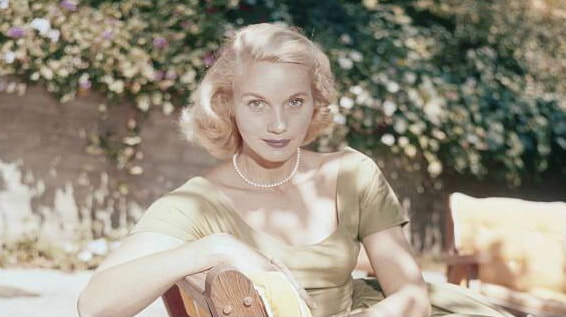
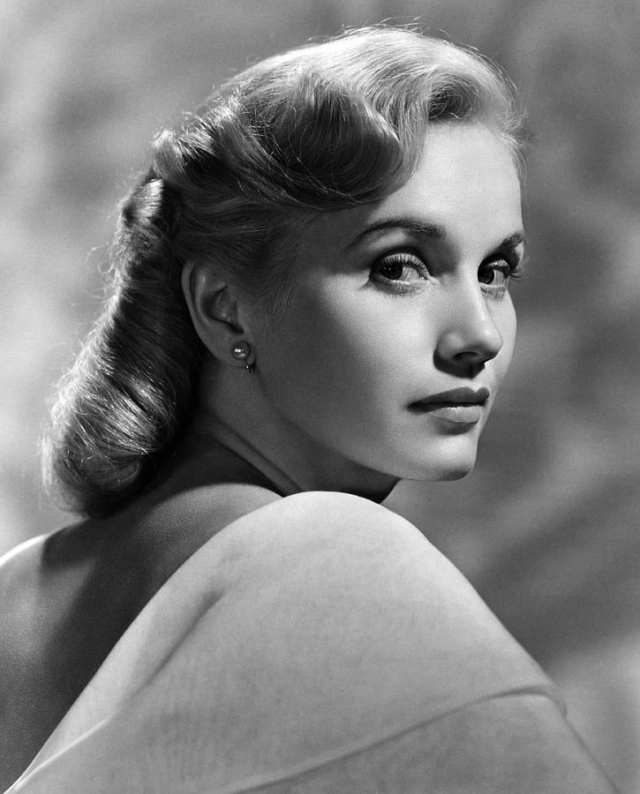
Eva Marie Saint (4 July 1924 – 6 October 2026)
"Lose the orange tie. Black is classic." — Eva Marie Saint, to the president of Bowling Green State University, 2018
Biography
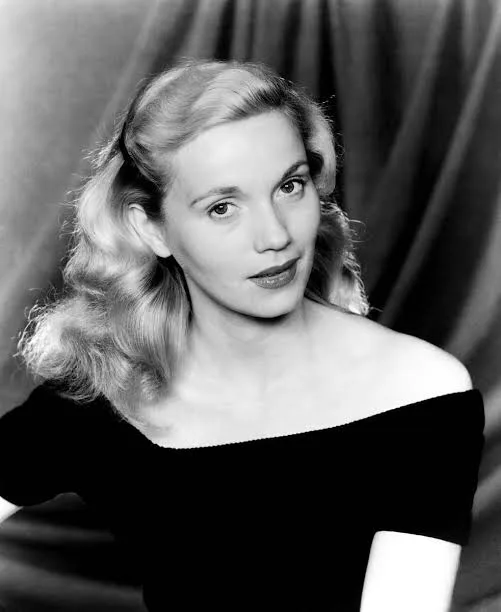
Eva Marie Saint was born on 4 July 1924 in Newark, New Jersey. Her parents, John Merle Saint and Eva Marie Rice Saint, were Quakers.
The family moved to Delmar, a town near Albany, New York. Her father managed a plant for the Goodrich Rubber Company there.
Eva Marie graduated from Bethlehem Central High School in 1942. She planned to become a third grade teacher, like her mother.
She went to Bowling Green State University in Ohio to study. A house mother's husband urged her to audition for the comedy Personal Appearance (play, 1934), and she won the lead. That was the end of teaching.
On campus, she was crowned May Queen and named Sweater Girl. She also played Rosalind in As You Like It (play, 1599) by the English playwright William Shakespeare.
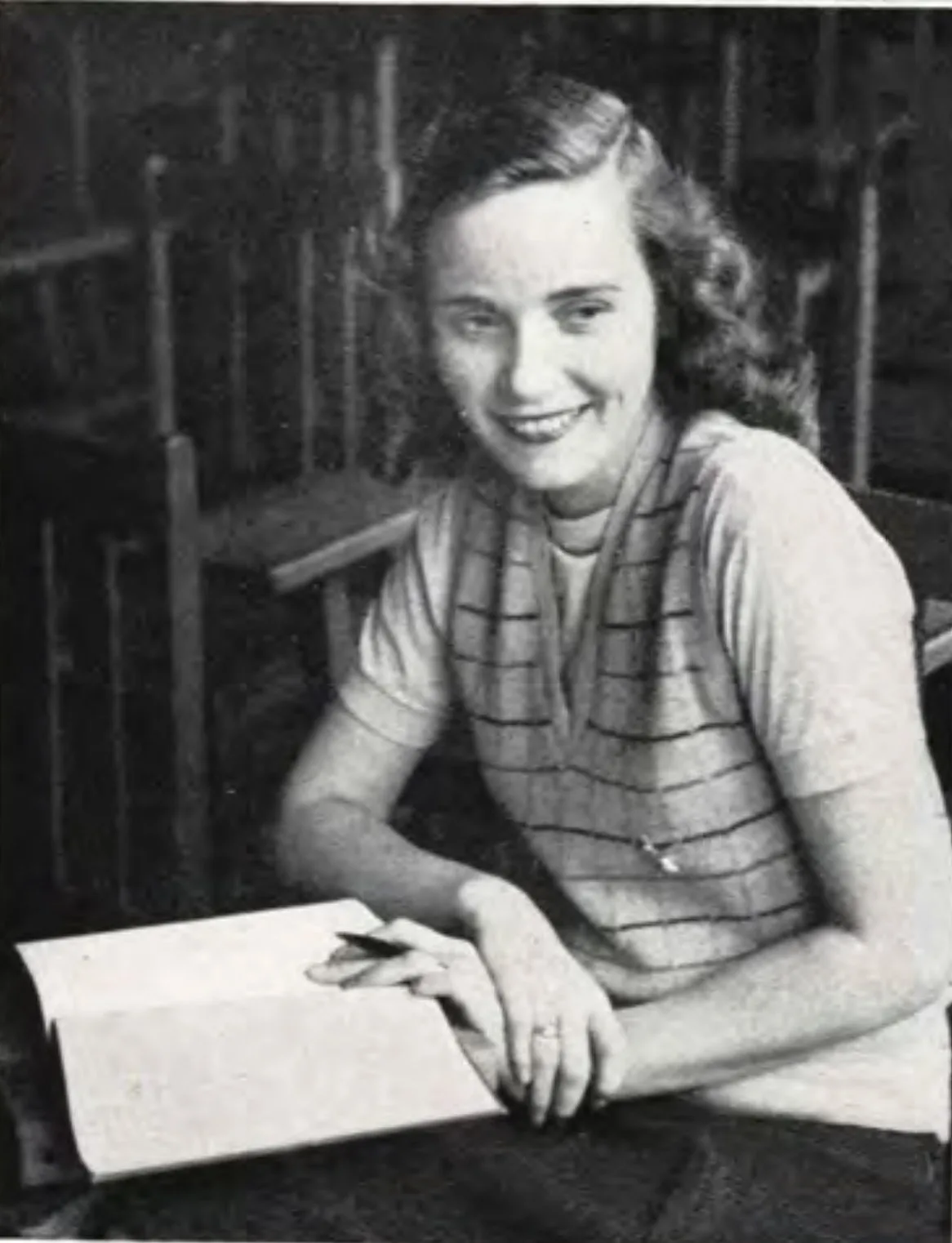
She graduated in 1946 and lived with her parents on Long Island. She worked in early television and radio, and for two years she played Claudia in the radio serial One Man's Family (radio series, 1932–1959).
In 1949, Life magazine profiled her as a struggling young actress. She later remembered being dropped from a stage production of Mister Roberts (play, 1948) after its out of town tryouts. The producers said she was too nice for the nurse.
She studied at the Actors Studio in New York, the famous school for Method actors. The American acting teacher Lee Strasberg helped her get over her shyness.
On 28 October 1951, she married the American television director Jeffrey Hayden.

In 1953, she appeared on Broadway in The Trip to Bountiful (play, 1953) by the American playwright Horton Foote. Her co-star was the American silent film star Lillian Gish.
Gish became her mentor. One piece of advice stayed with her: "It's today and tomorrow, and don't get cranky."
Saint won the Theatre World Award for the play. In the audience, the Greek-born American director Elia Kazan took notice.
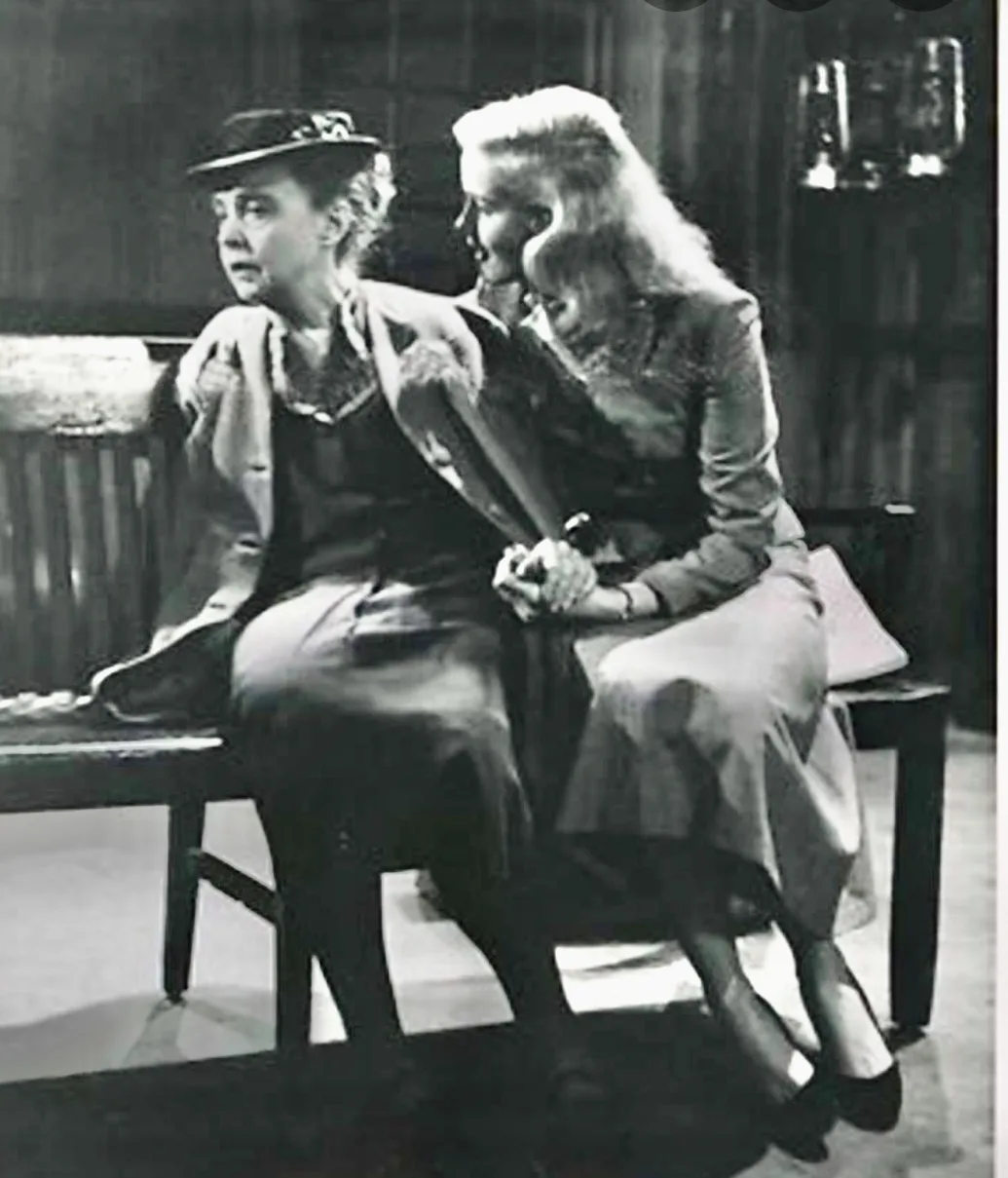
Kazan was casting On the Waterfront. Before her audition, he warned Saint about her future co-star. Brando, he said, liked to tease.
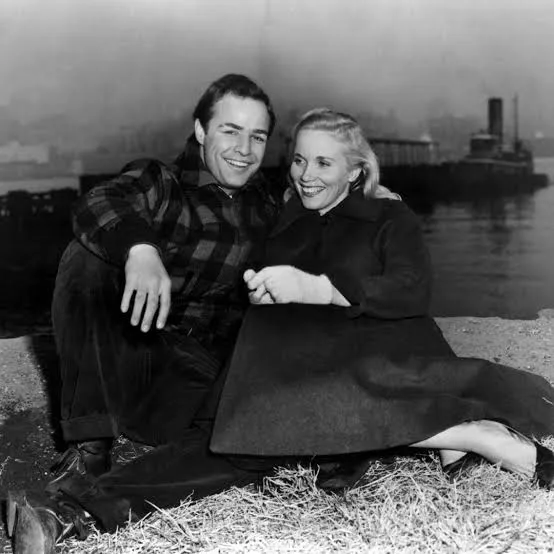
Brando walked into the audition room and began to tease her. He kept her off balance, and the scene they improvised ended in a dance. Saint cried afterward because it felt like too much. Kazan gave her the part.
Later she said: "He put me off balance. And I remained off balance for the whole shoot."
Kazan gave her an odd piece of advice for the set. He told her to think of her energy as an hourglass, with only so much sand. Do not spend it on being friendly, he said.


She played Edie Doyle, the quiet sister of a murdered dockworker, who falls in love with Brando's character and stands up to the corrupt union. Her Edie was plain, in simple clothes and no glamour. She was paid $7,500.
One small gesture became the most famous in the film. During a rehearsal, Saint accidentally dropped her white glove. Brando picked it up and slipped it onto his own hand, and he kept playing the scene. She had to stay in the scene to get the glove back. Kazan kept it in the film.
In the love scene, Kazan did something else. He whispered the name "Jeff" in her ear, so that she could think of her husband.
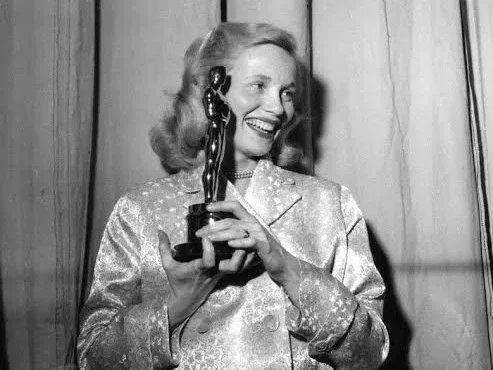
Her film was entered in the supporting actress category, and the Academy nominated her there. In March 1955, she was close to giving birth to her first child.
Her husband sat beside her. He kept a hand on her thigh and told her to count to ten before standing up. The American singer and actor Frank Sinatra handed her the Oscar.
"I may have the baby right here!" she told the audience. Two days later, her son, Darrell Hayden, was born. On the Waterfront won eight Oscars that night, including Best Picture.
The studios came calling. She turned down contracts and big films, including The Man in the Gray Flannel Suit (film, 1956) and The Rainmaker (film, 1956).
Her reason was simple. "My family always comes first," she said. She moved to Los Angeles in 1956 and took only the roles she wanted.
One of them was A Hatful of Rain (film, 1957), where she played the wife of a man hiding a drug addiction. It brought her nominations for a Golden Globe and a BAFTA.
In 1958, she was offered the female lead in a new Hitchcock thriller. Metro-Goldwyn-Mayer wanted the American dancer and actress Cyd Charisse. Hitchcock had other ideas.

Her agent first told her about a dinner invitation from Hitchcock and his family. Then her mother had a tip: Hitchcock liked women in beige and white gloves.
Saint wore exactly that to a second meeting. She later credited the outfit with helping her win the role.
Hitchcock told her he did not want her in another "sink-to-sink" drama. Saint answered that she could not promise him that. She loved dramas.
Her husband encouraged her to take the part. "He was so right," she said later. "And that's what husbands are for."
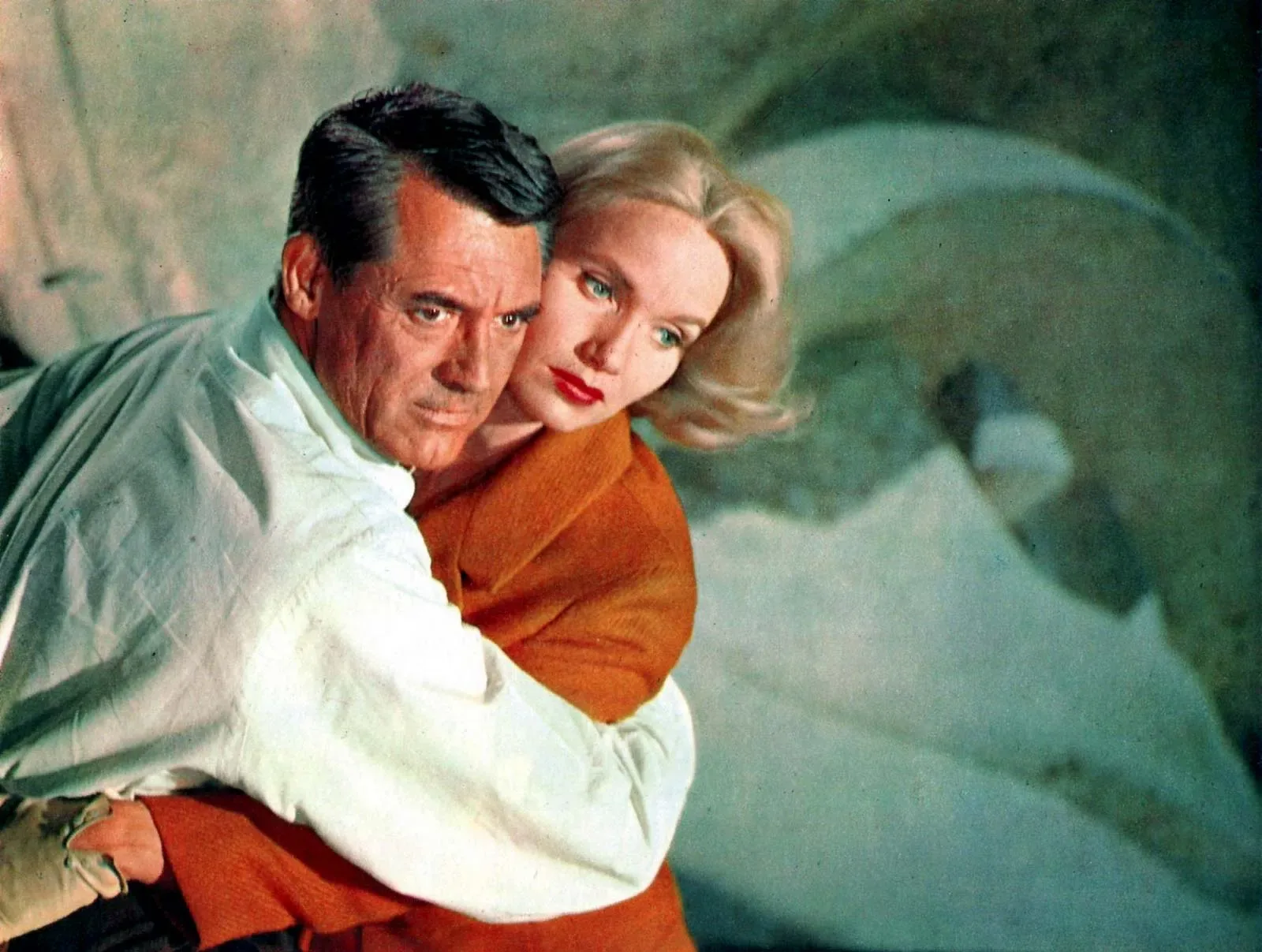
She was cast as Eve Kendall, a cool and mysterious blonde opposite the British-born American actor Cary Grant, who played an advertising man mistaken for a spy. Saint later said she had given birth to the couple's second child only two weeks before.
"Short hair gives Eva a more exotic look, in keeping with her role of the glamorous woman of my story. I wanted her dressed like a kept woman—smart, simple, subtle and quiet. In other words, anything but the bangles and beads type."—— Alfred Hitchcock on Eva Marie Saint’s look for North by Northwest
Hitchcock did not talk to her about feelings. "He worked with me from the outside in," Saint said.
MGM had already designed her costumes. Hitchcock threw out almost all of them. He took her to Bergdorf Goodman in New York, where models showed the clothes. He asked her to point out only what she truly loved.
Saint chose a black silk cocktail dress with a deep red rose pattern, and a sleek black suit for the train. Hitchcock told the store to wrap them up. Years later she joked that he was her "one and only sugar daddy."
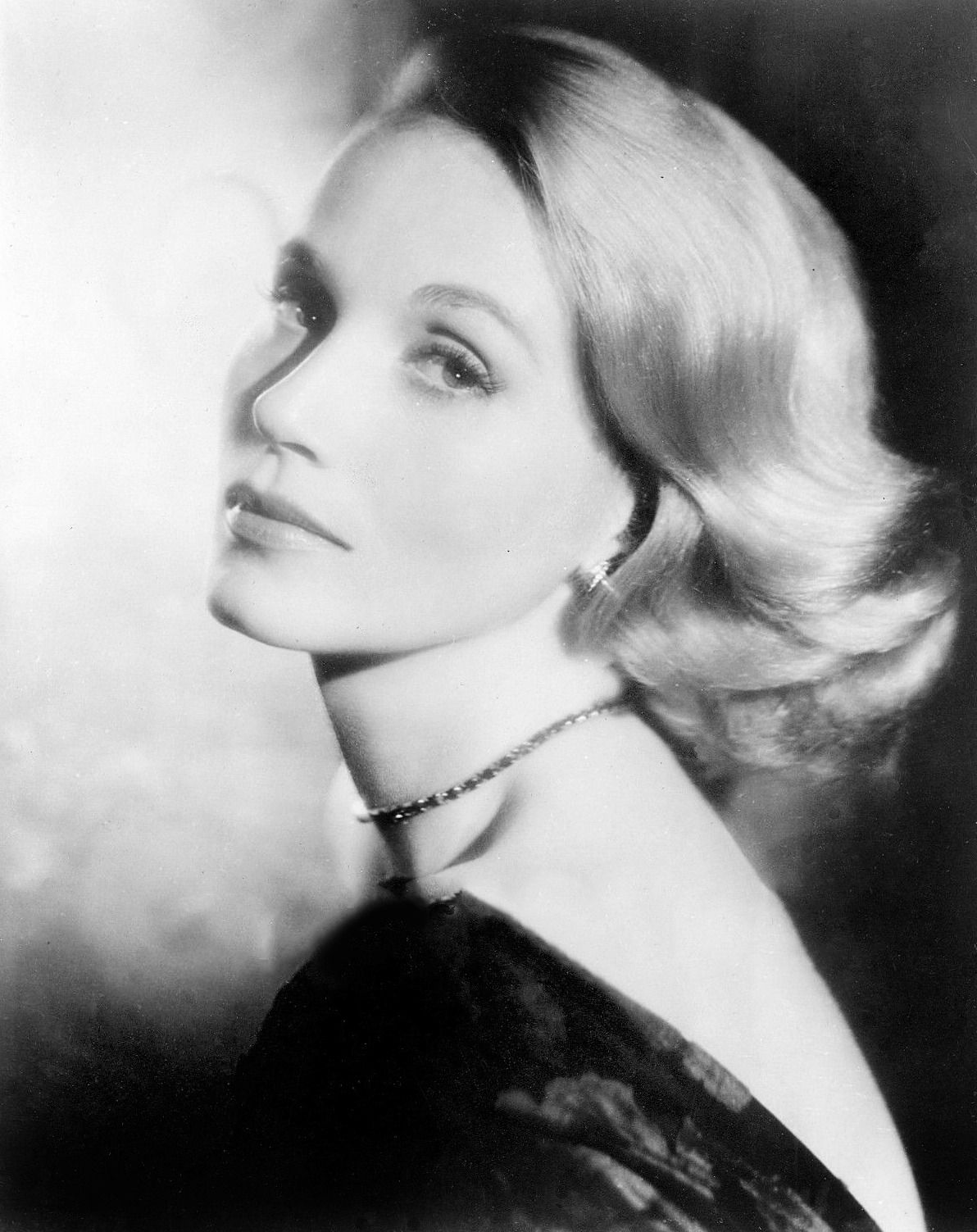
He also cut her hair short to make her look more glamorous. The MGM hairstylist Sydney Guilaroff and the MGM makeup artist William Tuttle worked on her under his eye. The plain Edie Doyle of 1954 was gone.
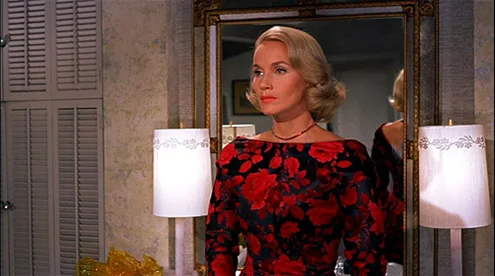
Hitchcock gave her three directions. Lower your voice. Do not use your hands. Always look into Cary Grant's eyes. "Just look into his eyes," Saint said, "which wasn't hard, of course."
One day on the set, she wore an evening gown and carried a coffee in a foam cup. Hitchcock would not allow it. He had a china cup and saucer brought to his leading lady.
Grant also looked after her. He turned down his own lighting so that she would squint less, and he never told her why.
One scene had her climbing the Mount Rushmore set in her stocking feet. Hitchcock's storyboards had forgotten to say that she would take off her heels first.
In the dining car, Eve tells Grant's character that she never makes love on an empty stomach. The censors found the line too bold. It was redubbed as "discuss."
The film was a hit and topped the American box office for seven weeks. Abe H. Weiler of The New York Times wrote that Saint "emerges both the sweet heroine and a glamorous charmer." Saint called Eve Kendall "a sexy spy lady."
Hitchcock and Saint stayed friends. For years, they kept sending each other telegrams.
In 1960, she starred in Exodus (film, 1960), directed by the Austrian-American filmmaker Otto Preminger. She brought her husband, her children, her parents, and her mother-in-law to Europe for the shoot. Preminger joked that she had her own Exodus.
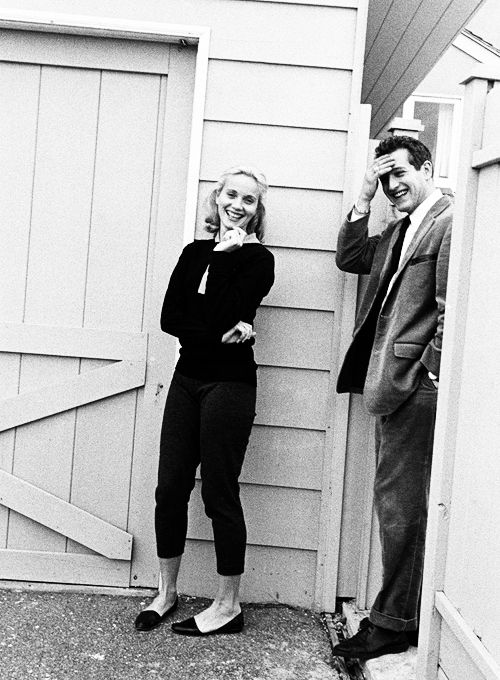
Through the 1960s, she kept to her one film a year. All Fall Down (film, 1962) put her opposite the American actor Warren Beatty. The Sandpiper (film, 1965) paired her with the English-born American actress Elizabeth Taylor and the Welsh actor Richard Burton.
In Loving (film, 1970), she played a wife whose marriage to the American actor George Segal slowly comes apart. Critics praised the performance.
Cinema offered fewer good roles for women her age. She moved to television and the stage, and the Emmy nominations followed, for How the West Was Won (miniseries, 1977) and Taxi!!! (television film, 1978).
In the 1980s, she became the mother of the lead character in Moonlighting (television series, 1985–1989). She played Virginia Hayes, the mother of Maddie Hayes, played by the American actress Cybill Shepherd.
The role began as a short guest part. It grew into a storyline about her husband's affair, and Saint called it one of her happiest television experiences.
In Nothing in Common (film, 1986), she played the mother of the American actor Tom Hanks. In 1990, she won an Emmy Award for People Like Us (miniseries, 1990), on her fifth nomination.
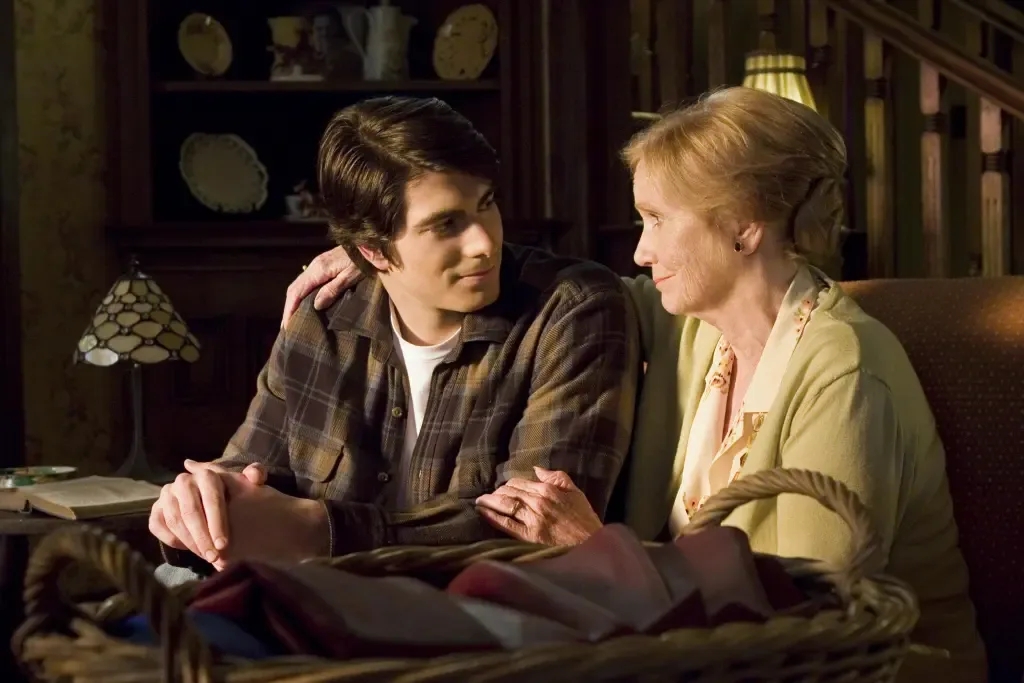
In Superman Returns (film, 2006), she played Martha Kent, the adoptive mother of Superman. When she saw Brando in the film's archive footage, she laughed. "He's in the film," she said, "and he didn't have to go to work."
In 2012, she began voicing the older Katara in the animated series The Legend of Korra (television series, 2012–2014). She had asked her agent for voice work, even for Pixar films.
One of her last film roles was in Winter's Tale (film, 2014). On the final day of shooting, the Irish actor Colin Farrell gave her five dozen roses.
On 24 December 2016, her husband Jeffrey Hayden died at 90. They had been married for sixty-five years.
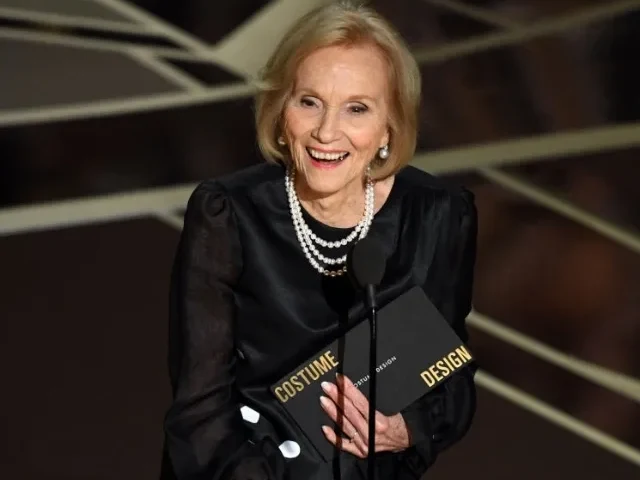
In 2018, at 93, she presented the Oscar for Best Costume Design. She told the audience she was the oldest member of the Academy, and she recalled the dress she wore as Eve Kendall. The audience gave her a standing ovation.
That year, she returned to Bowling Green State University to receive a lifetime achievement award. Before an event, she gave the university's president, Rodney Rogers, a style tip: "Lose the orange tie. Black is classic."
On 4 July 2024, she turned 100. Four generations of her family celebrated with her in Los Angeles.
Eva Marie Saint died on 6 October 2026 at her home in Los Angeles. She was 102. She died of natural causes, surrounded by her family.
She was survived by her son, Darrell Hayden, her daughter, Laurette Hayden, four grandchildren, and two great-grandchildren.
The Quaker girl from Newark who had planned to teach third grade left a career of more than seventy years, and one of cinema's most famous gloves.
Further interest
Articles