People
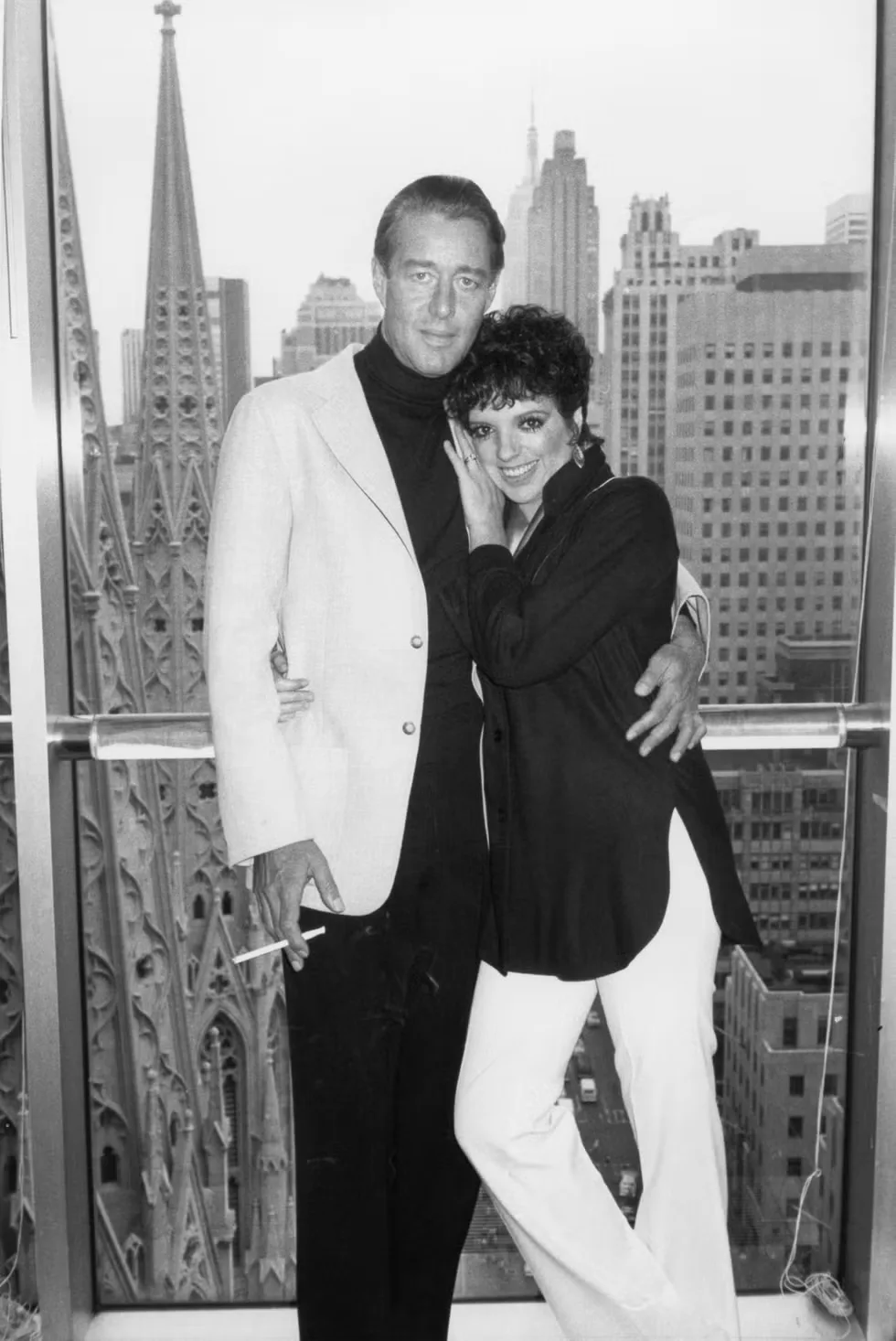
Halston (born Roy Halston Frowick; 23 April 1932 – 26 March 1990)
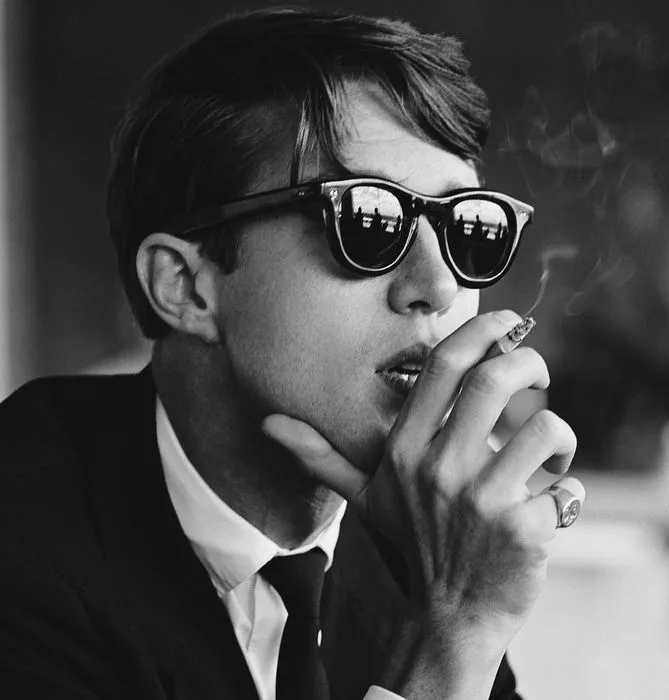
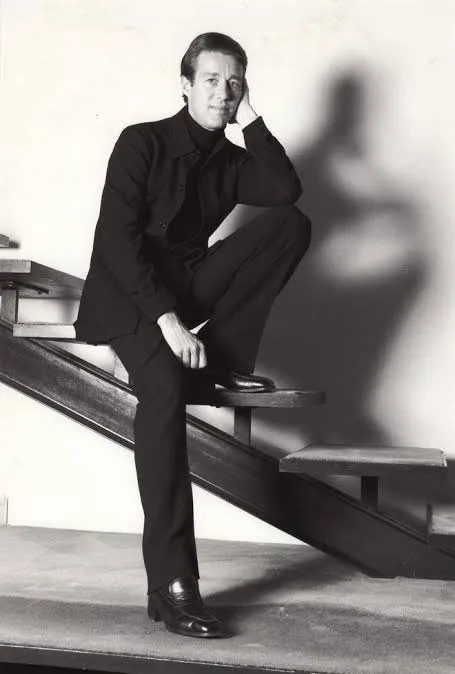
Halston (born Roy Halston Frowick; 23 April 1932 – 26 March 1990) was an American fashion designer who rose from millinery to become the defining name of 1970s American style, dressing Jacqueline Kennedy, Liza Minnelli, and the entire glittering clientele of Studio 54 before losing control of his own name in one of fashion's most cautionary business stories.
Biography
Roy Halston Frowick was born on 23 April 1932 in Des Moines, Iowa, and raised in Evansville, Indiana, the son of a Norwegian-American accountant. He was making hats for family and friends by the time he was a boy.
He studied fashion illustration at the Art Institute of Chicago and briefly at Indiana University without finishing a degree, working by day as a window dresser at the Chicago department store Carson Pirie Scott.
In 1953 he started his own hat business, selling designs out of the hairdresser André Basil's salon at the Ambassador Hotel, and opened his first shop in 1957, trading, from then on, under just his middle name: Halston.
In 1958, Halston moved to New York to design hats for the milliner Lilly Daché, and within a year had become head milliner at the department store Bergdorf Goodman, the first designer there ever to have his name placed inside the hats he made.
Halston's real breakthrough came in 1961, when Jacqueline Kennedy wore one of his pillbox hats to her husband's presidential inauguration. The hat, as Halston told Vogue years later, had actually been made slightly too small; when a gust of wind threatened to blow it off, Mrs. Kennedy pressed it down and dented it holding it in place.
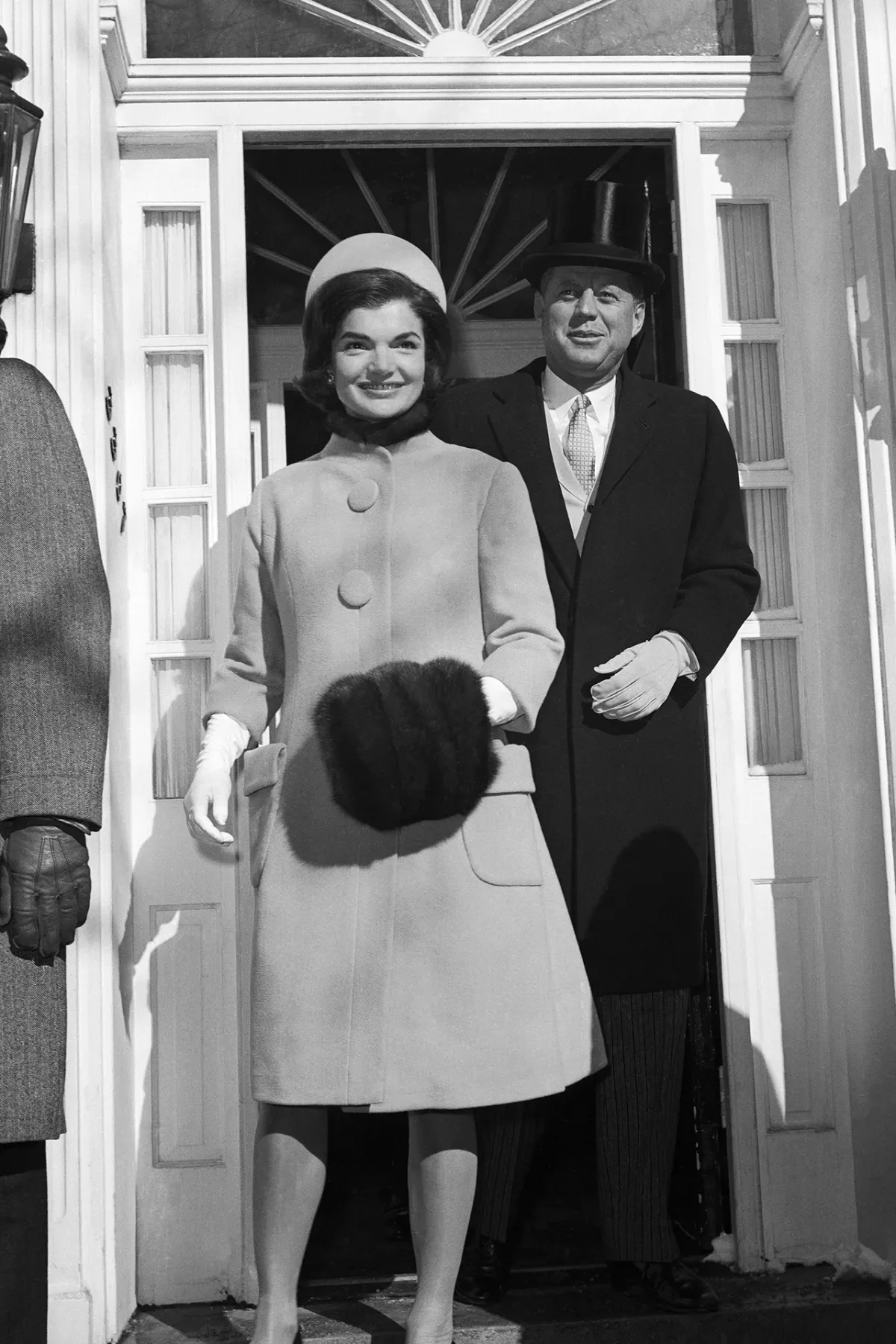
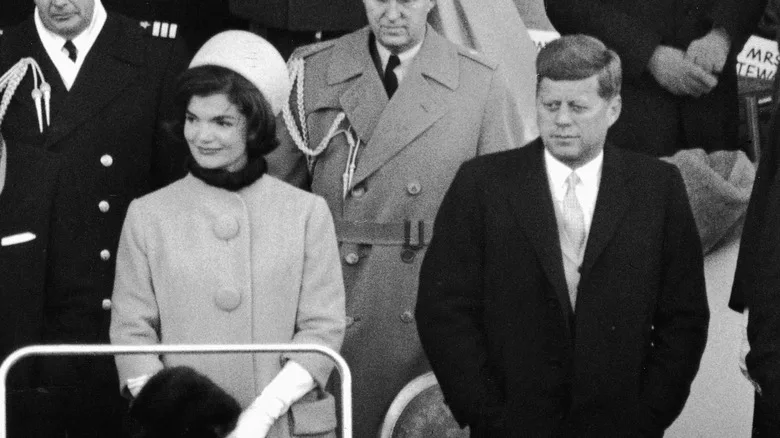
Seventh Avenue's copycat manufacturers reproduced the design by the thousands afterward, dent and all, without ever knowing the flaw had been an accident.
As hats fell out of fashion through the 1960s, Halston moved into dressmaking with financial backing from the Texas oil heiress Estelle Marsh, launching his first ready-to-wear collection at Bergdorf Goodman in 1966 and opening his own company, Halston Ltd., in 1968.
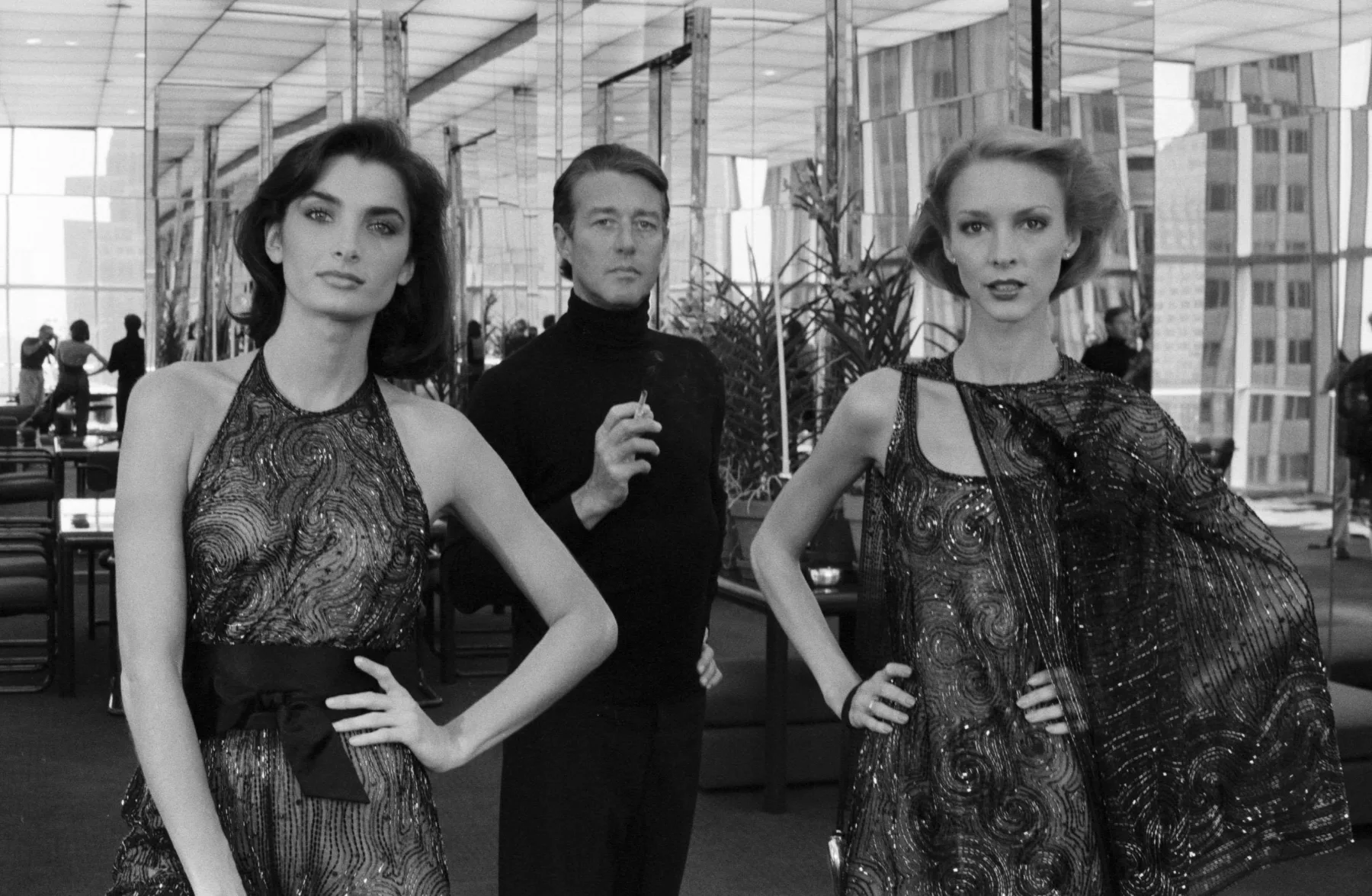
His clothes, cut clean and close to the body from fluid, expensive fabrics, cashmere, silk jersey, ultrasuede, stood in deliberate contrast to the era's more elaborate silhouettes.
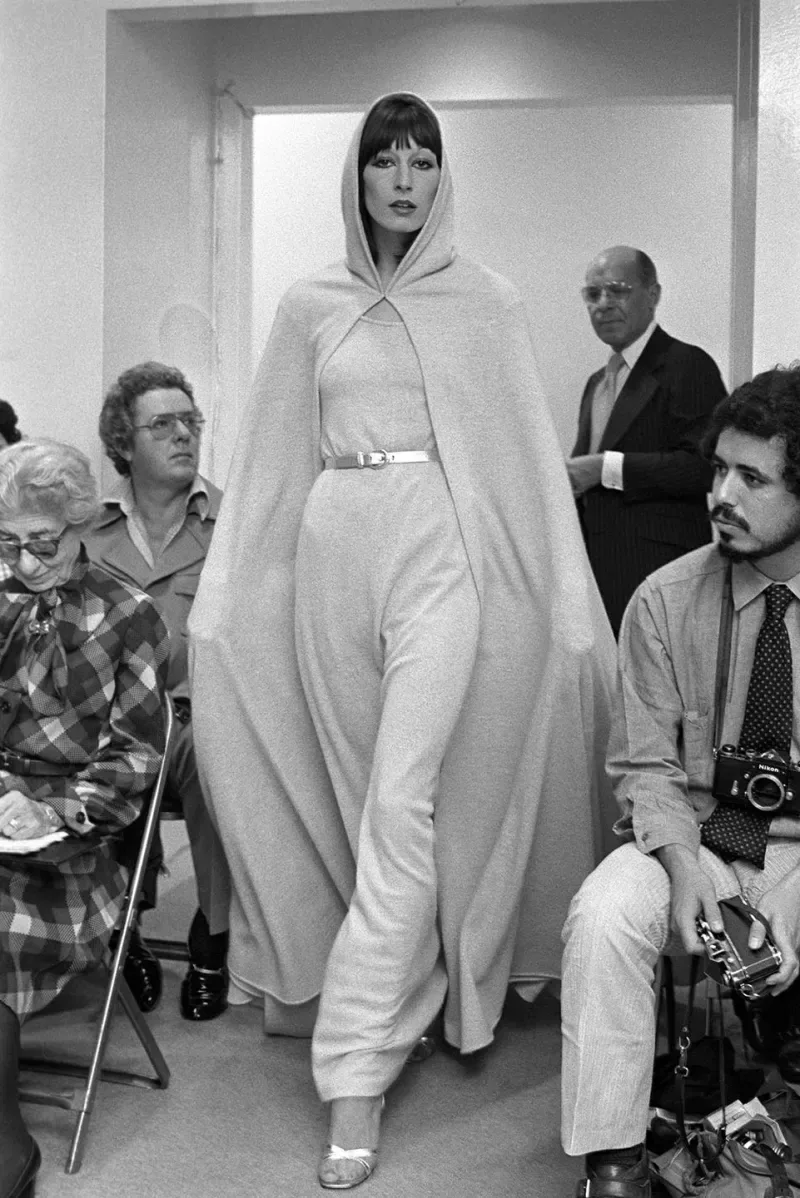
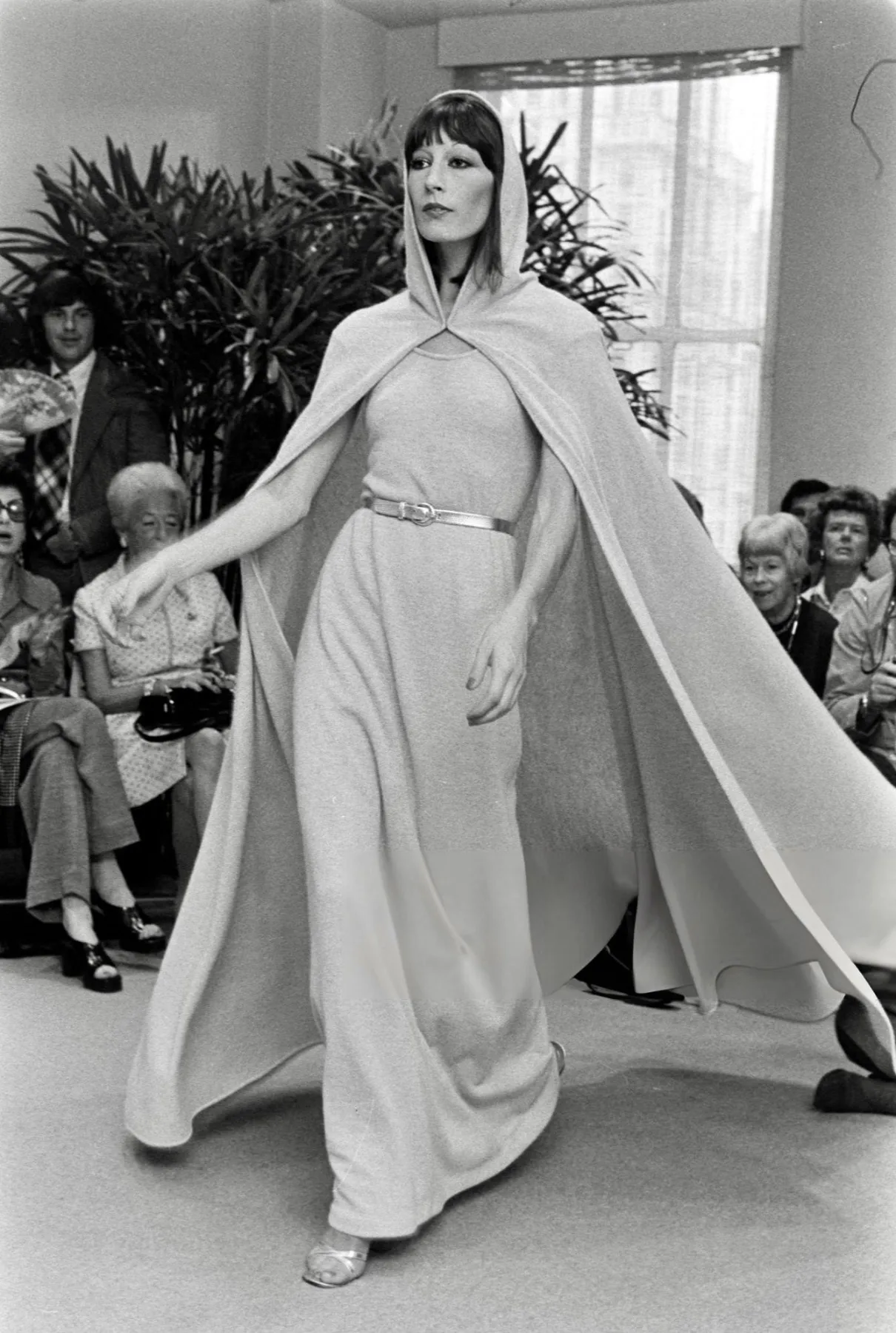
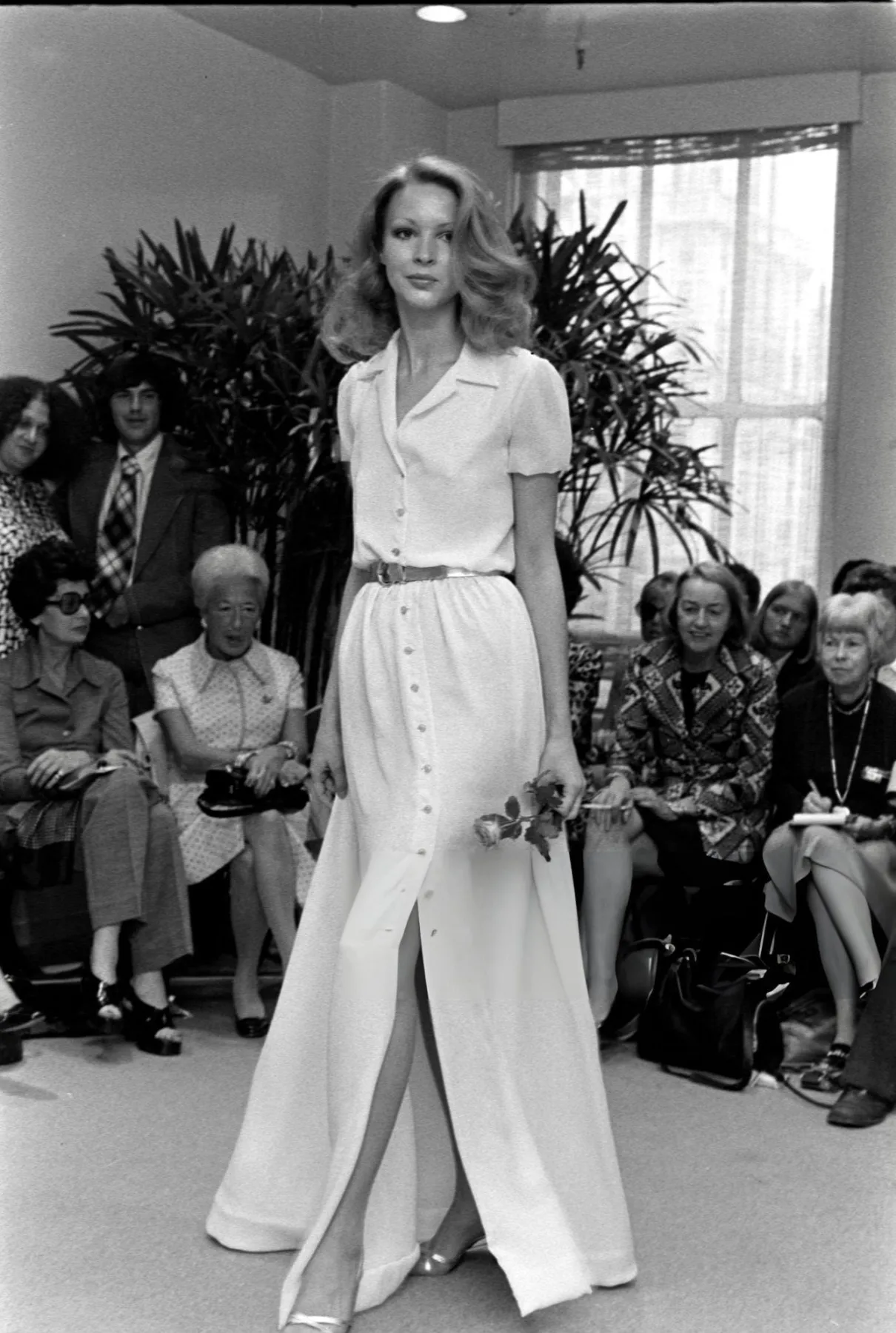
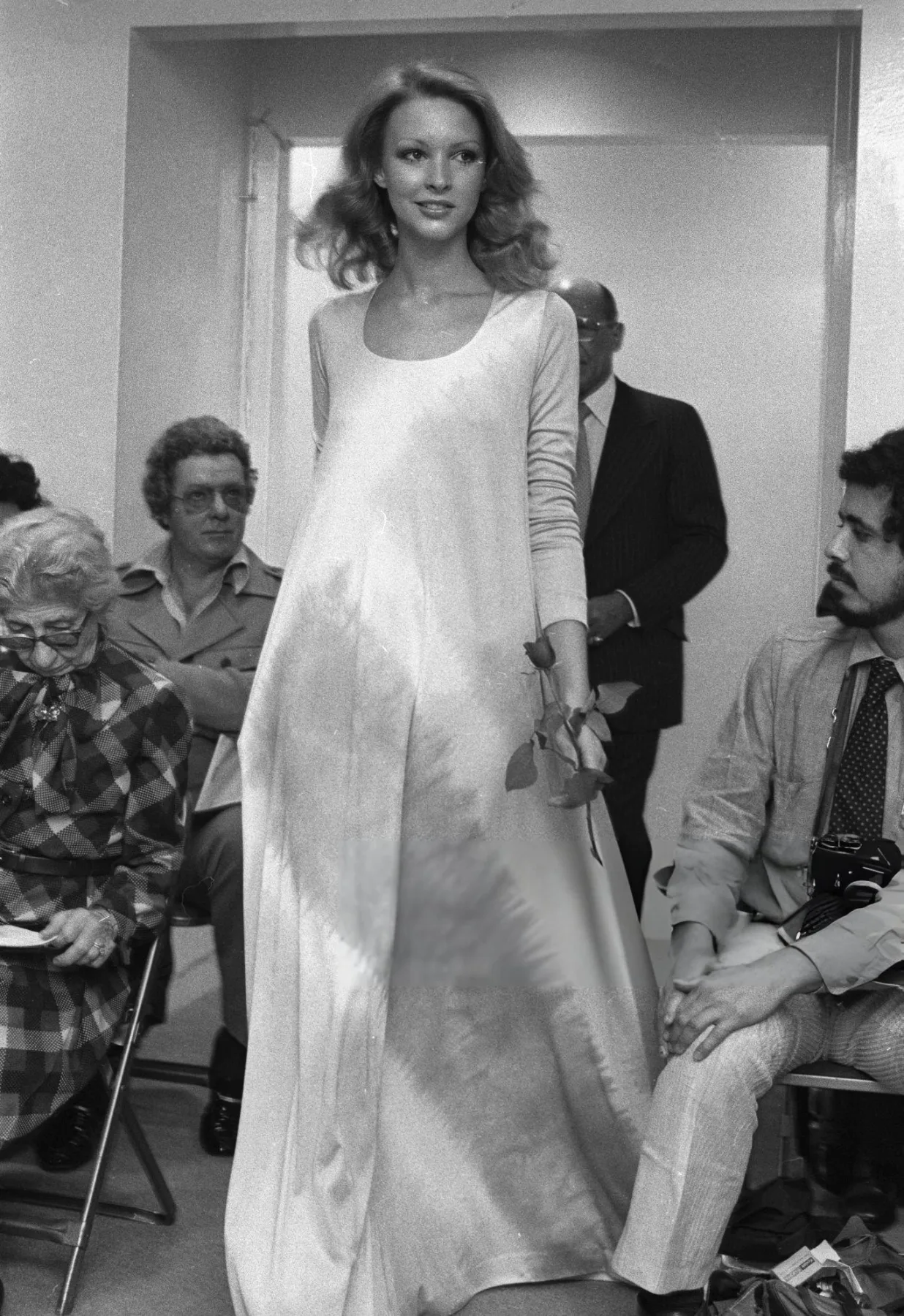
He discovered ultrasuede at a party after noticing the designer Issey Miyake wearing it, and released his own first piece in the fabric, a raincoat, believing, mistakenly, that it was water-repellent. It wasn't, but the fabric became one of his defining signatures regardless, along with his loose caftans and minimalist shirt dresses.
Halston won the Coty American Fashion Critics' "Winnie" award for the industry's most influential designer in 1971 and again in 1972.
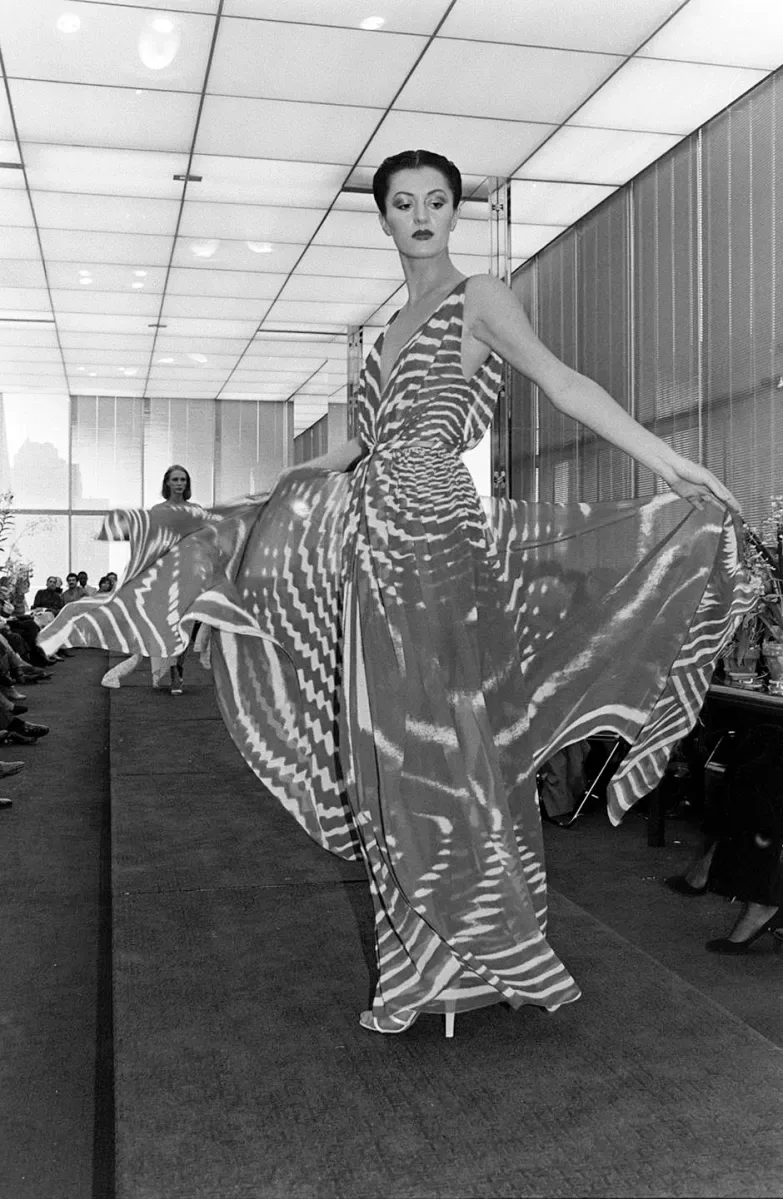
In 1973, he was one of five American designers, alongside Oscar de la Renta, Bill Blass, Anne Klein, and Stephen Burrows, chosen to compete against five leading French couturiers, Yves Saint Laurent, Hubert de Givenchy, Pierre Cardin, Emanuel Ungaro, and Marc Bohan, at a benefit fashion show at the Château de Versailles, staged by the Baroness Marie-Hélène de Rothschild to help fund the palace's restoration. Newspapers dubbed it the Battle of Versailles, and it became a turning point for American ready-to-wear's international reputation. Halston nearly pulled out at the last minute after a backstage argument with his choreographer; his close friend Liza Minnelli, performing that night as part of his segment, talked him down and the show went ahead.
That same year, Halston sold his company to the conglomerate Norton Simon Inc. for roughly $16 million, remaining as its designer.
Through the 1970s, Halston became as recognizable a fixture of Studio 54 as any of the celebrities who wore his clothes, a nightly presence alongside Liza Minnelli, Bianca Jagger, Andy Warhol, and a rotating cast of models known as the Halstonettes. His romantic partner for several years during this period was Victor Hugo, a Venezuelan window dresser and artist. He designed extensively for Minnelli both on and off stage, a collaboration that continued until the very end of his life.
The business unraveled through the 1980s. In 1983, seeking a mass-market audience, Halston agreed to design a lower-priced line exclusively for the retailer J.C. Penney, a deal that alienated the luxury department stores that had built his name and diluted the brand's prestige almost overnight. In 1984, the company's corporate owners removed Halston from his own business entirely and barred him from designing under his own name ever again.
Halston tested positive for HIV in 1988. He died on 26 March 1990 at a hospital in San Francisco, after an eighteen-month illness, of AIDS-related complications, at fifty-seven.
Liza Minnelli, who called him her best friend, hosted a memorial service that June that launched the Halston Fund for AIDS at the Medical Research Institute of San Francisco. "Remember his quote," she told Women's Wear Daily afterward, "'You are only as good as the people you dress?' Well, he dressed some great people, and he had some great, great friends."