People
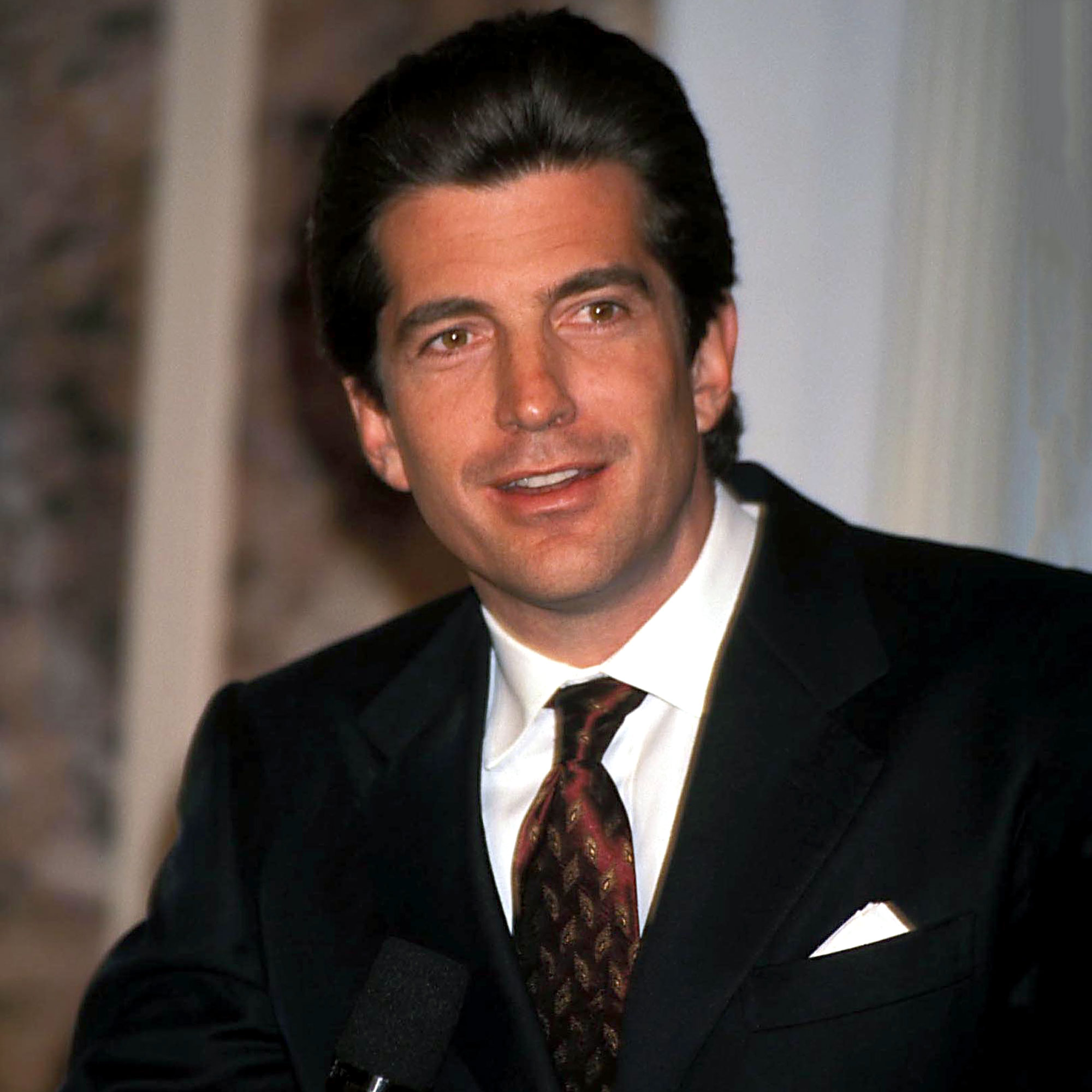
John F. Kennedy Jr. (born John Fitzgerald Kennedy Jr.; 25 November 1960 – 16 July 1999)
"He had every gift but length of years." Ted Kennedy, at his nephew's memorial service, 1999
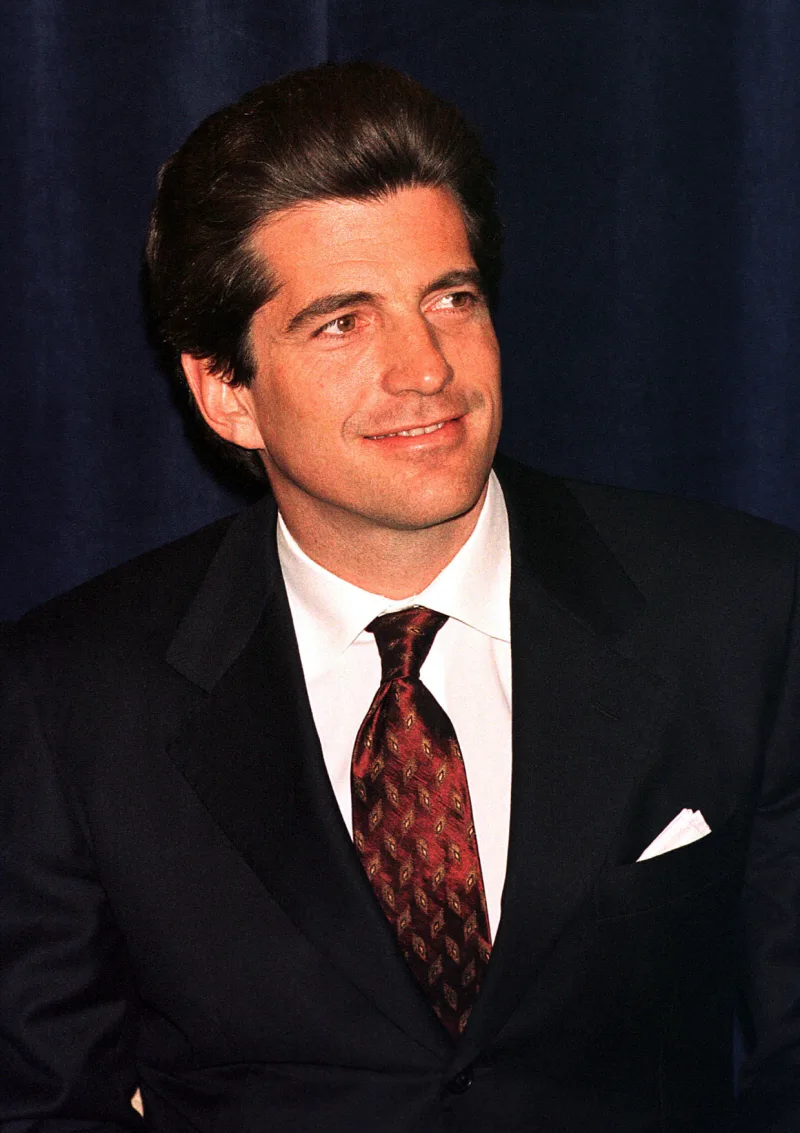
John F. Kennedy Jr. (25 November 1960 – 16 July 1999) was an American lawyer, journalist, and magazine publisher, the son of President John F. Kennedy and Jacqueline Kennedy Onassis. The world first knew him as the little boy who saluted his father's coffin on his third birthday. He grew up in New York in front of the cameras, became a Manhattan prosecutor, and founded George, a glossy magazine about politics. Handsome, athletic, and happiest on a bicycle, he refused to run for office. In 1996, he married Carolyn Bessette in secret. Less than three years later, the small plane he was piloting fell into the sea off Martha's Vineyard.
Biography
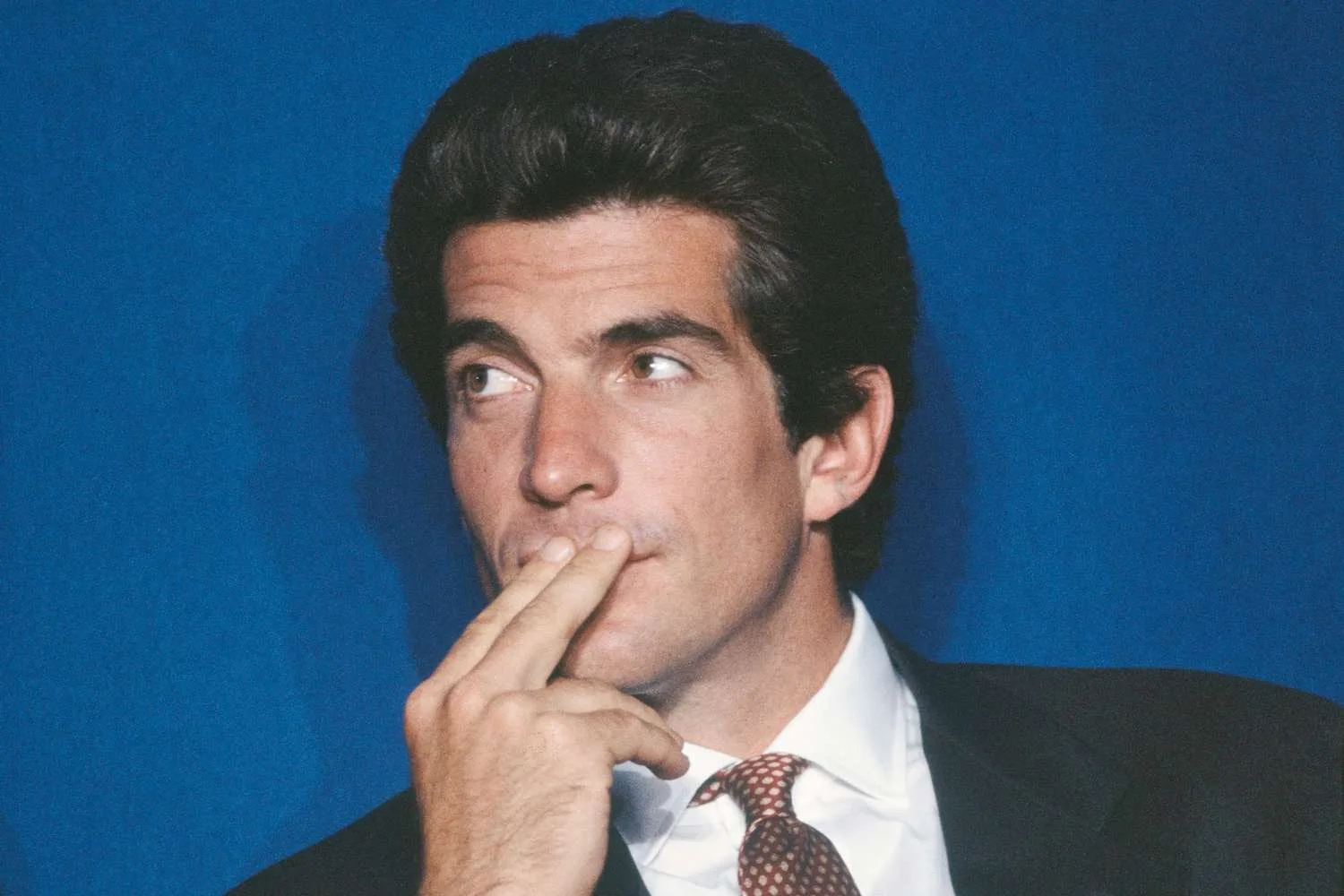
John Fitzgerald Kennedy Jr. was born on 25 November 1960 in Washington, D.C. Less than three weeks earlier, his father, the American senator John F. Kennedy, had been elected president of the United States.
His mother, Jacqueline Kennedy, born Jacqueline Lee Bouvier, was about to become first lady. He had an older sister, Caroline Kennedy.
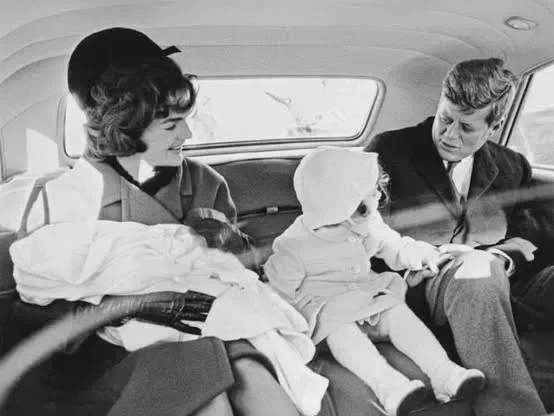

Two months after his birth, the family moved into the White House. For the first three years of his life, it was his home.
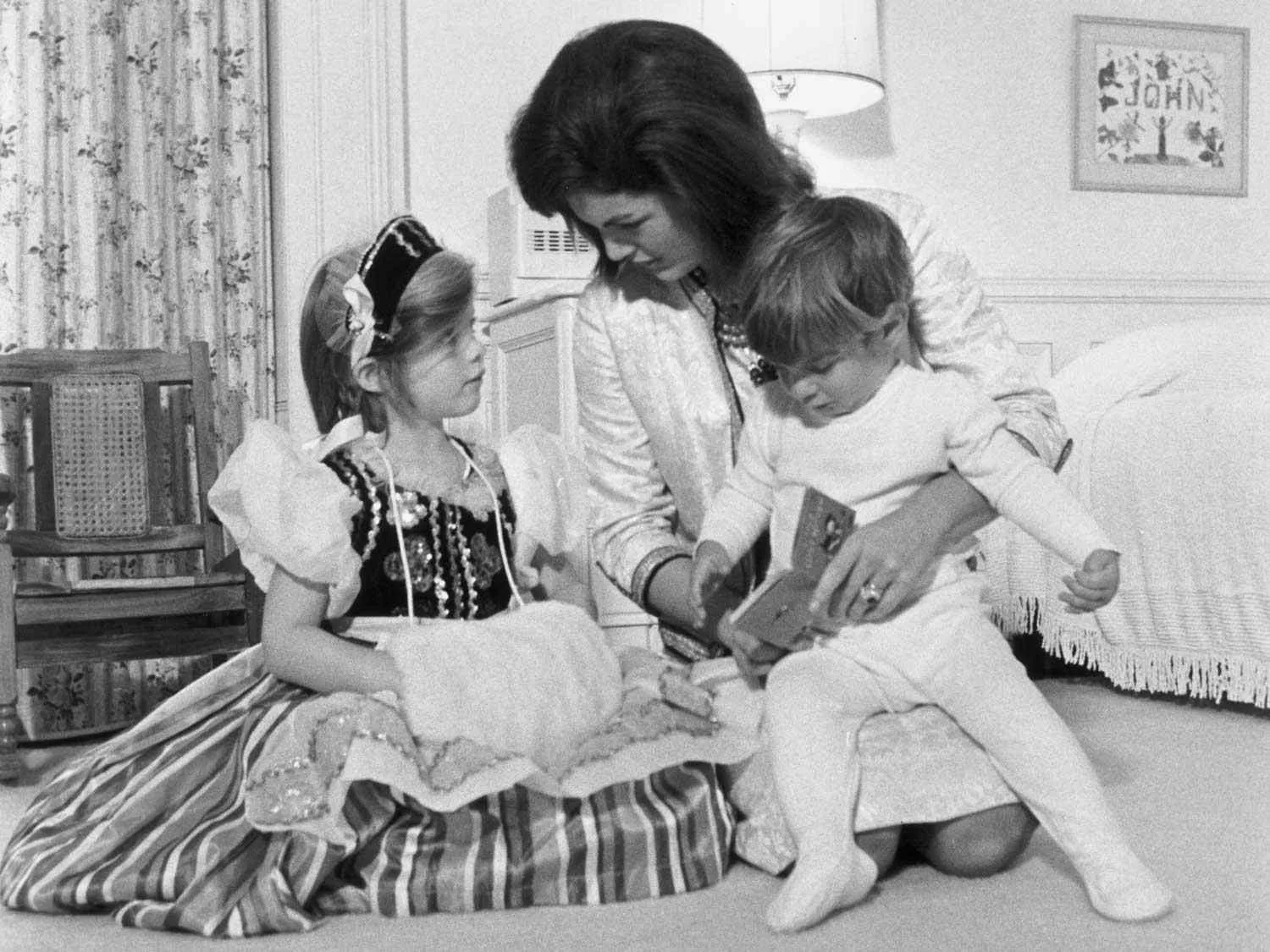

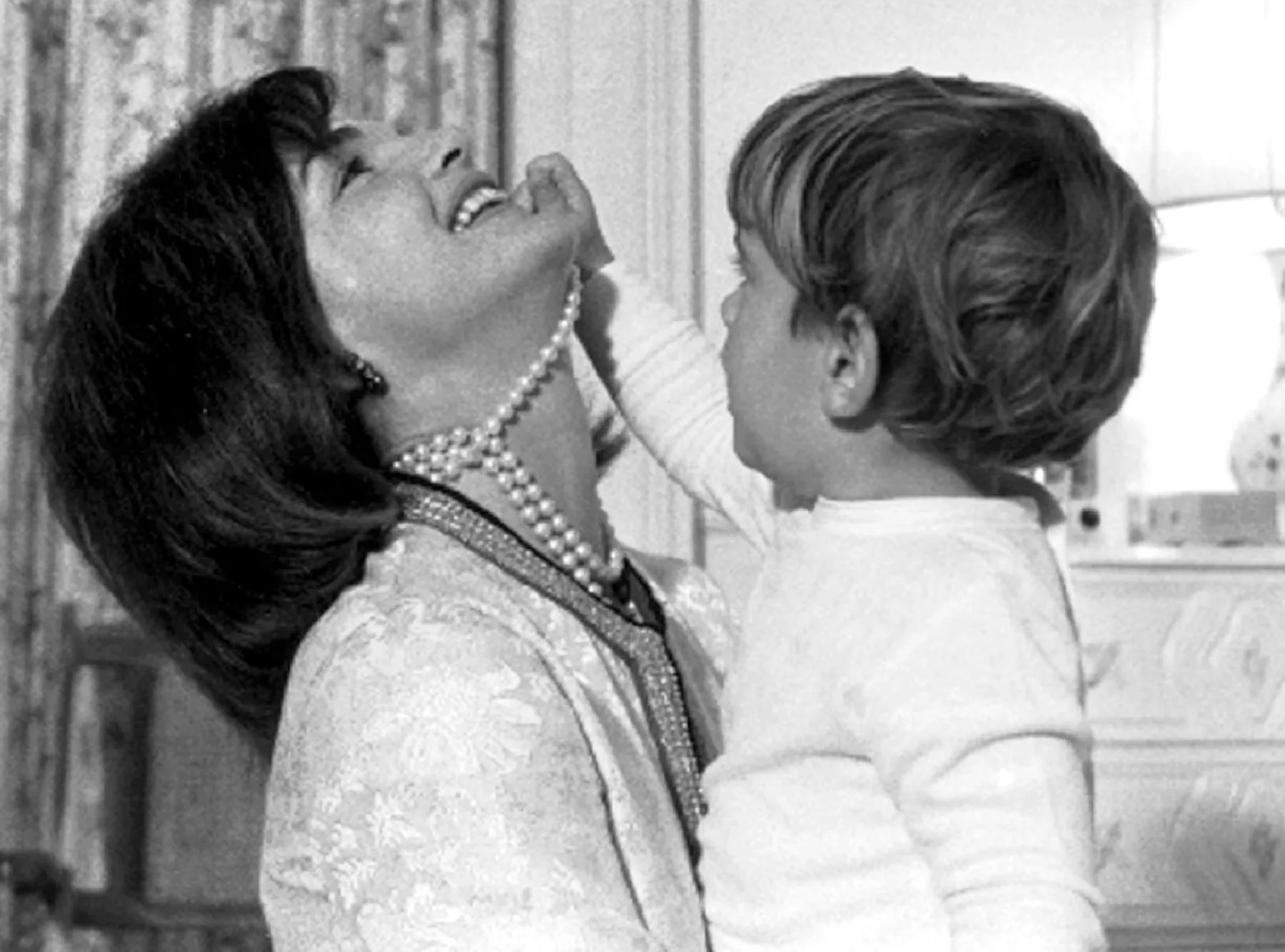
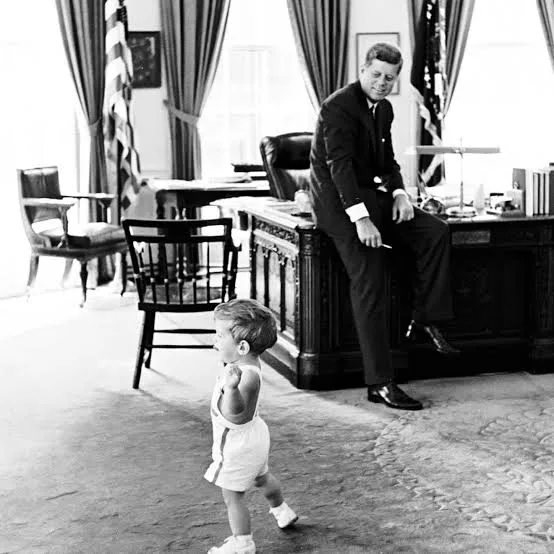
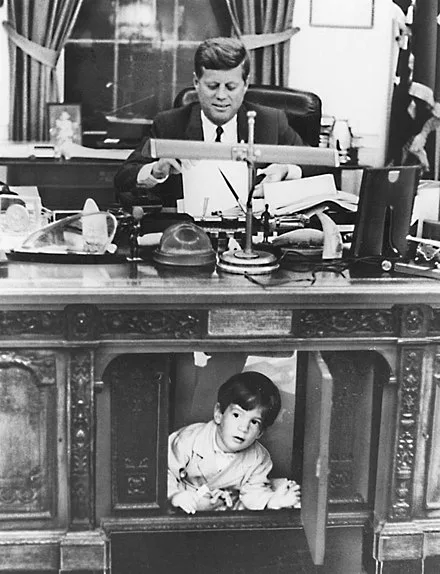
He played in the Oval Office and hid under his father's desk. The press called him "John-John," after a reporter misheard his father calling his name twice. His family never used it.
In August 1963, his baby brother, Patrick Bouvier Kennedy, was born too early and died two days later.
On 22 November 1963, his father was assassinated in Dallas, Texas.
The state funeral was held three days later, on 25 November, John's third birthday. As his father's coffin, draped in the flag, was carried out of St. Matthew's Cathedral in Washington, the little boy stepped forward and raised his hand in a salute.
The American photographer Stan Stearns caught the moment. The American television executive Julian Goodman of NBC News called the scene "the most impressive... shot in the history of television."
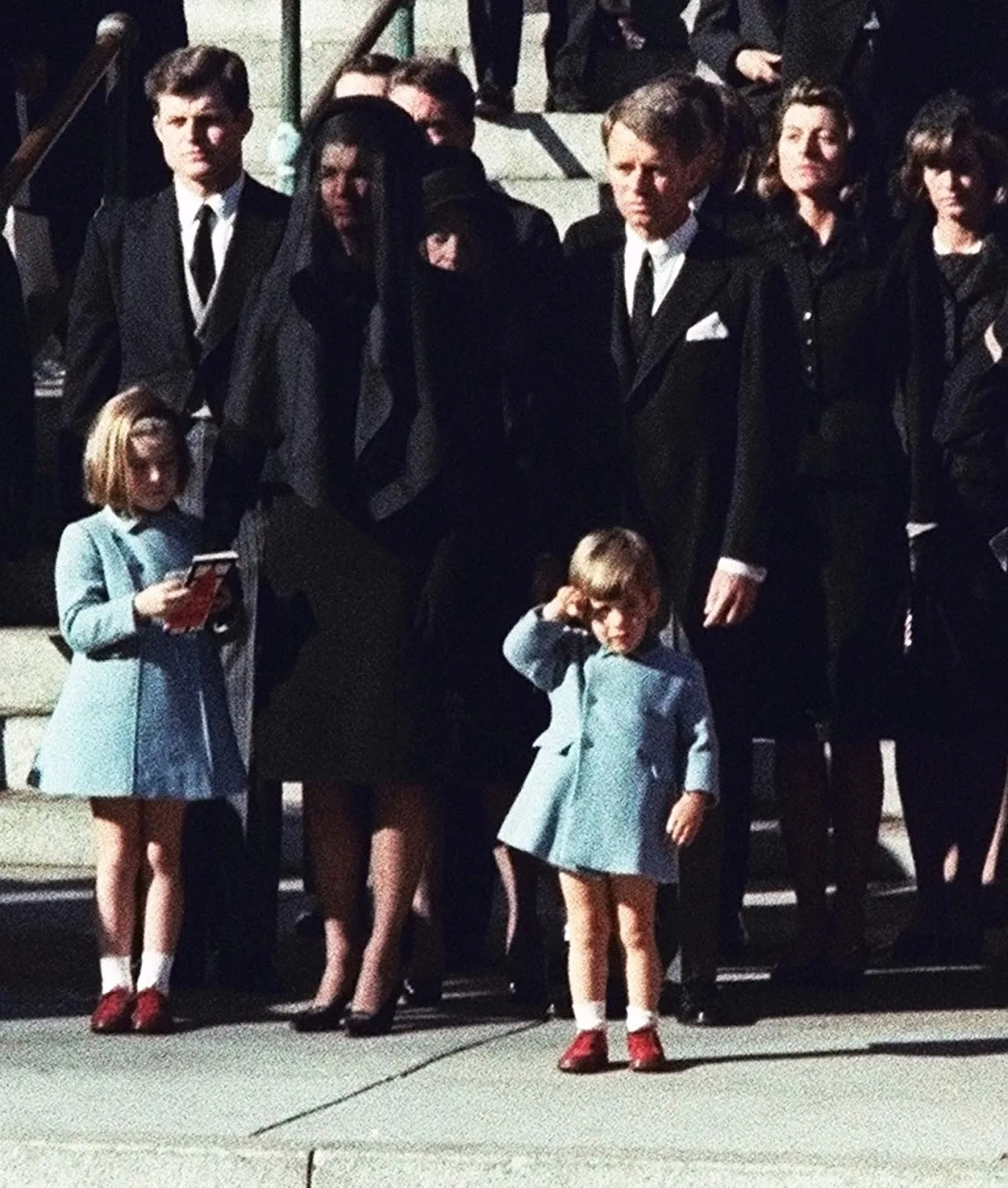
That evening, the family held his birthday party anyway. The Kennedys would go on.
His mother soon moved the children to New York, to an apartment on the Upper East Side of Manhattan. John went to Saint David's School and then to Collegiate School.
In June 1968, his uncle, the American senator Robert F. Kennedy, was assassinated too. His mother was afraid. "If they're killing Kennedys, then my children are targets," she said. "I want to get out of this country."
That October, she married the Greek shipping magnate Aristotle Onassis. The family spent time on Skorpios, his private island in Greece.
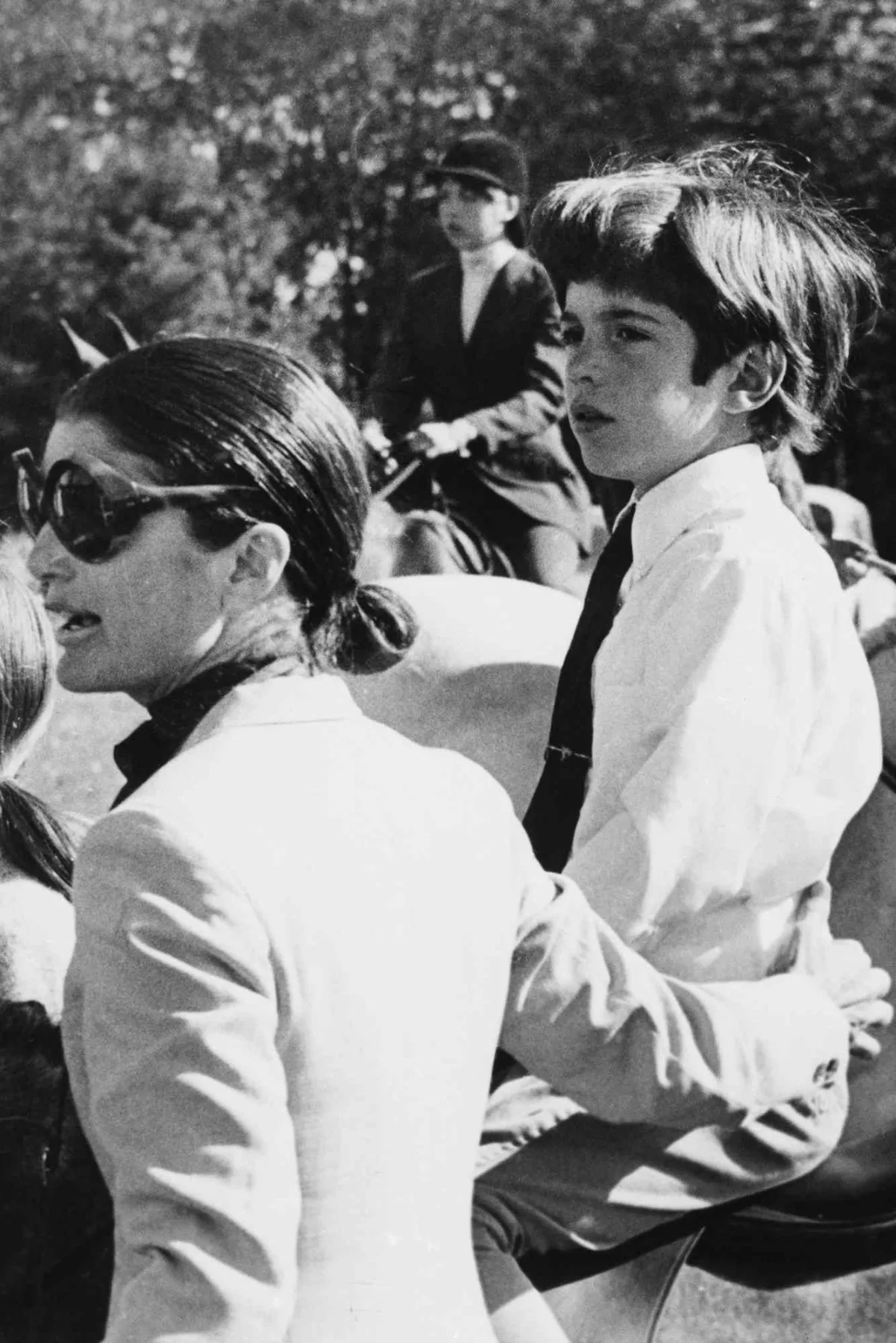
John finished school at Phillips Academy in Andover, Massachusetts. On his sixteenth birthday, in 1976, his Secret Service protection ended.
That year, after an earthquake in Guatemala, he went to the village of Rabinal with a cousin to help build houses and hand out food. In the summer of 1978, he worked as a ranch hand in Wyoming.
In 1979, at eighteen, he gave his first major public speech, at the opening of the John F. Kennedy Presidential Library in Boston. He read "The Truly Great," a poem by the English poet Stephen Spender.
At Brown University, in Rhode Island, he studied American history and culture. He also acted in student plays. Acting was one of his passions.
After he graduated in 1983, he went to India and studied for a time at the University of Delhi. There he met the Albanian-born Indian nun Mother Teresa.
Back in New York, he worked for the city's Office of Business Development, earning $20,000 a year. His boss said he worked "in the same crummy cubbyhole as everybody else."
On 4 August 1985, he made his New York stage debut, before an invited audience at a small Irish theater on Manhattan's West Side. Nye Heron, executive director of the Irish Arts Center, called him "one of the best young actors I've seen in years."
His mother reportedly discouraged an acting career. He went to law school instead, at New York University.
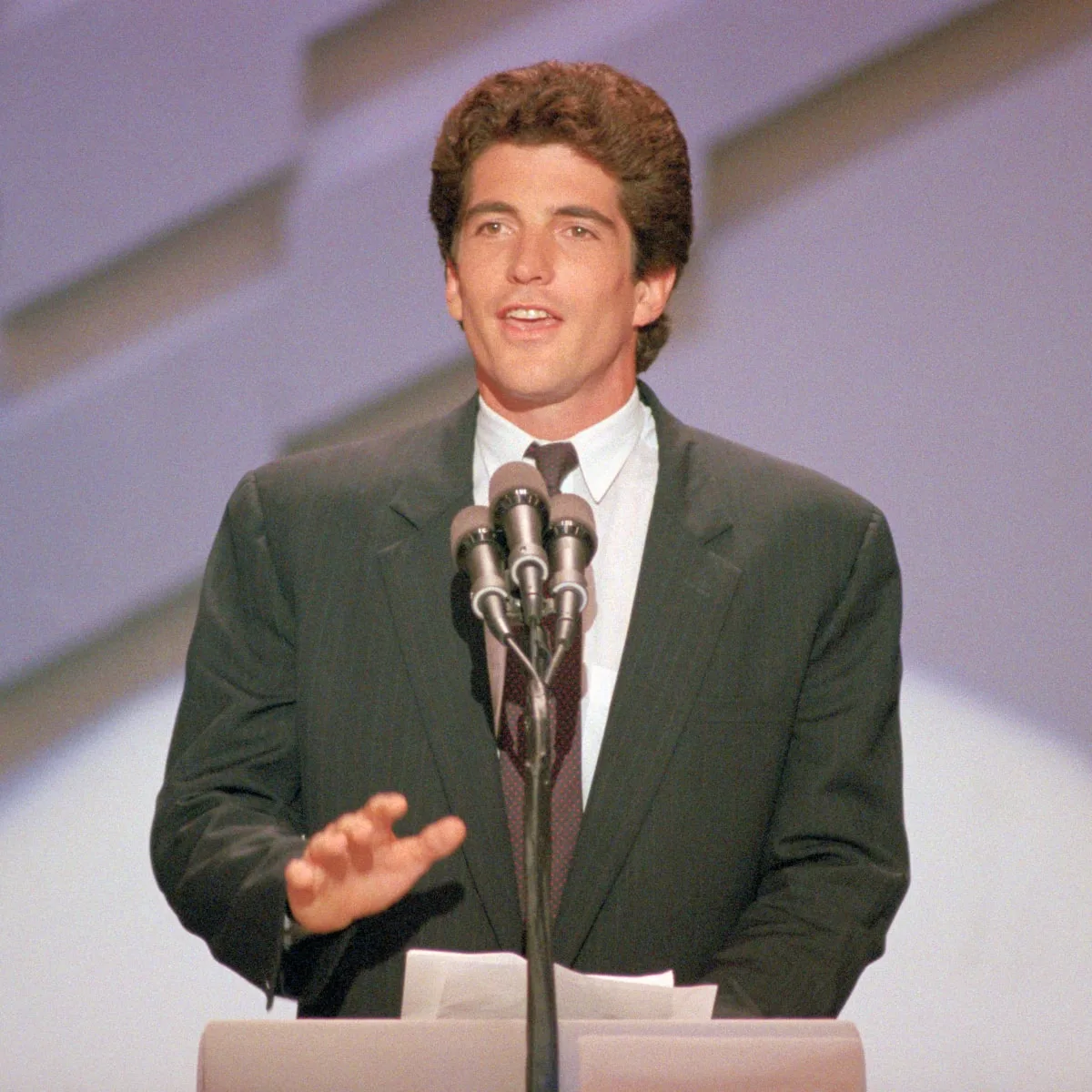
In the summer of 1988, he spoke at the Democratic National Convention in Atlanta to introduce his uncle, the American senator Ted Kennedy. He called a new generation to public service, as his father had, and the hall gave him a two-minute standing ovation.
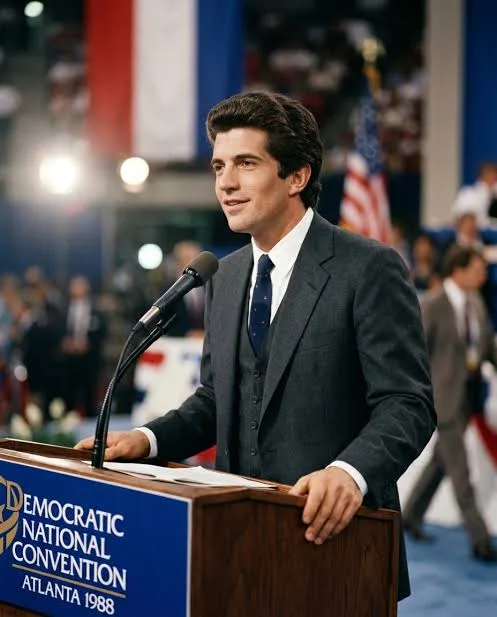
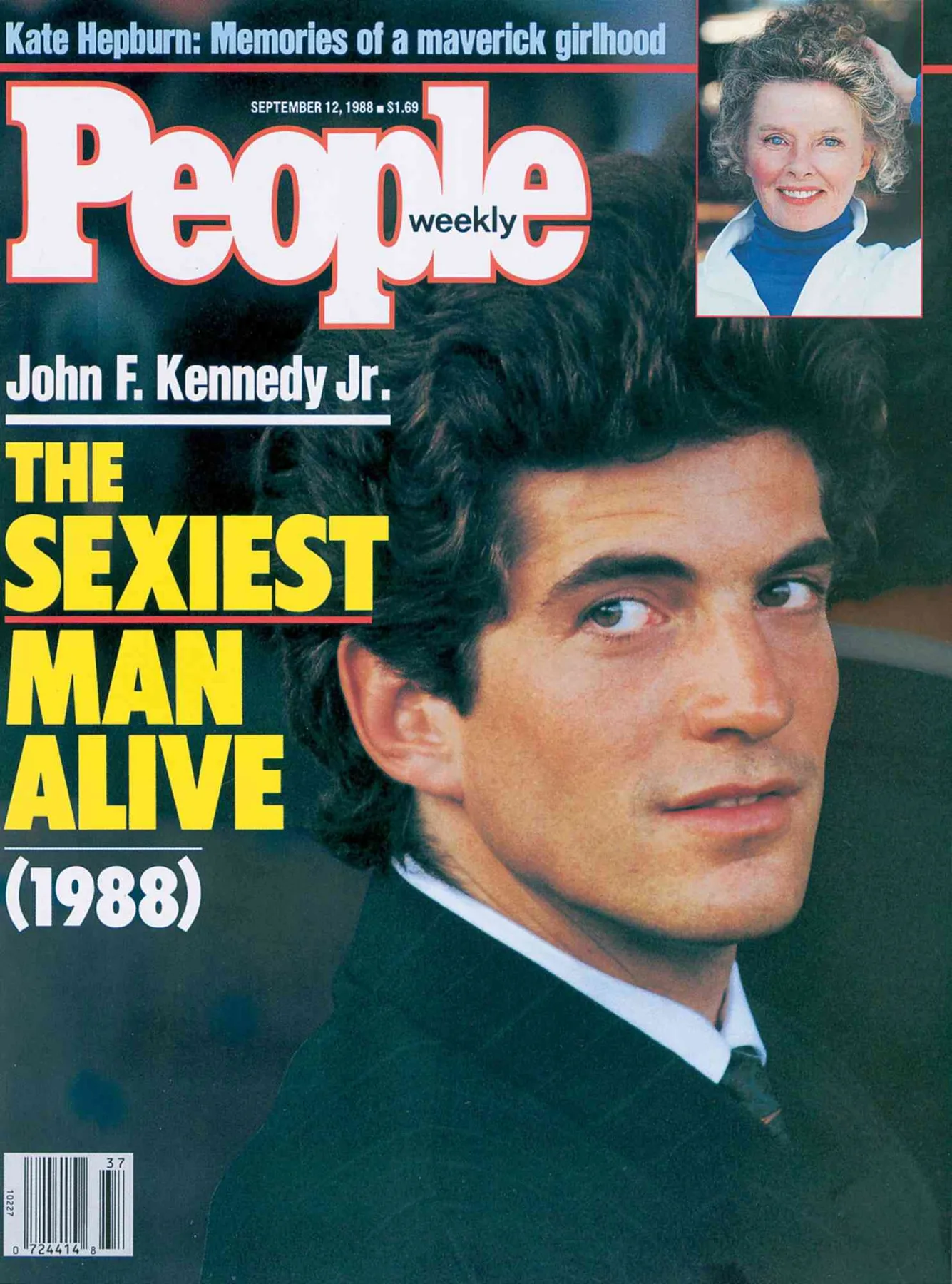
That year, People magazine named him its Sexiest Man Alive.
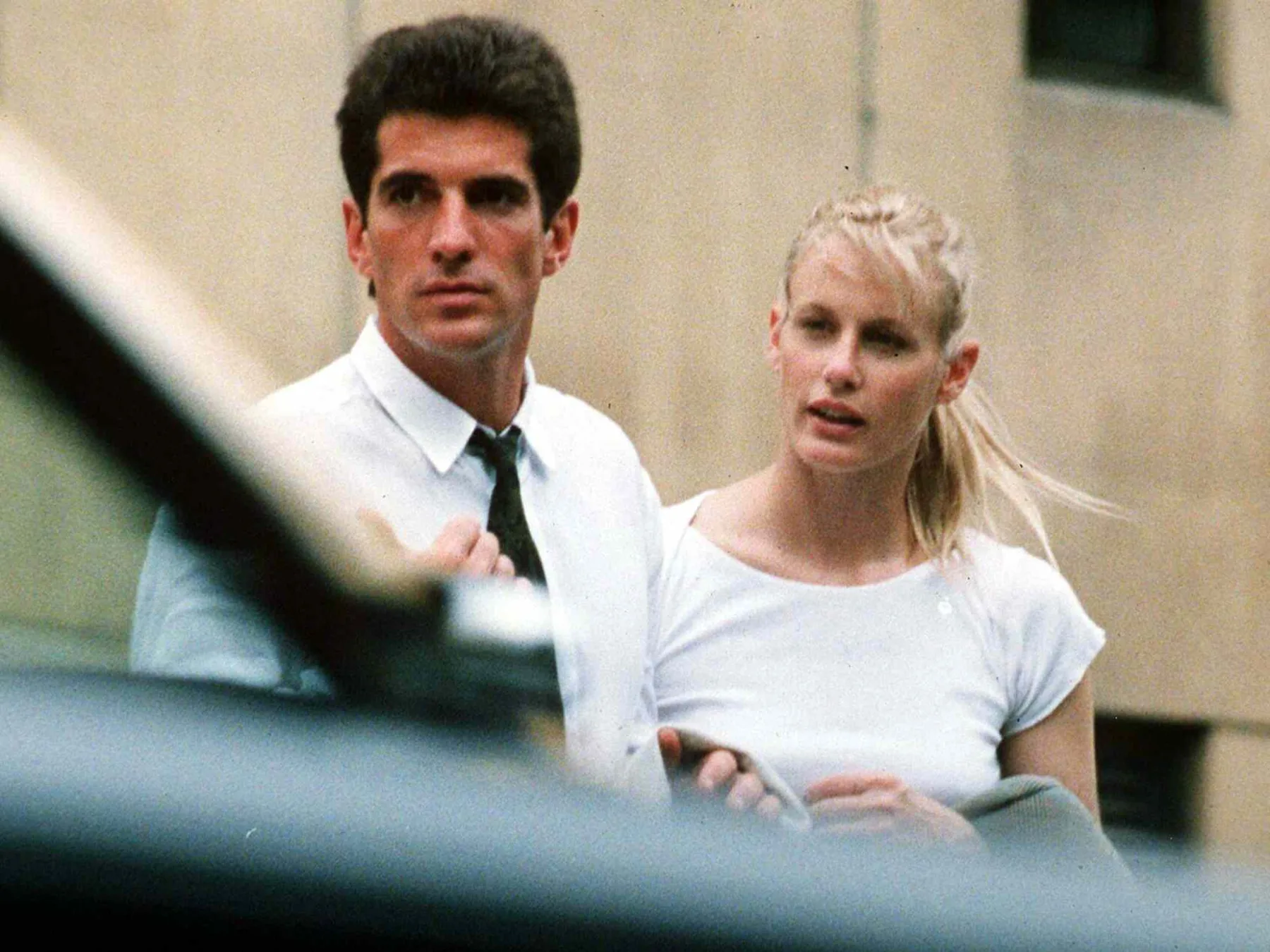
Also in 1988, at a family wedding, he met again the American actress Daryl Hannah. Their romance lasted on and off for more than five years.
In 1989, he graduated from law school and took the New York bar exam. He failed it, then failed it again. "HUNK FLUNKS," read one tabloid headline.
He tried a third time in July 1990 and passed. "I got the word. I'm very relieved," he said.
He was already working as an assistant district attorney in Manhattan. He won his first trial on 29 August 1991, and he won all six of the cases he took to trial.

He also led Reaching Up, a nonprofit group that helped workers who care for people with disabilities to get an education.
In 1992, The New York Times sent him to write about a kayaking trip in the Åland Islands, between Sweden and Finland. When a friend's kayak capsized, he pulled the friend out of the water.
His mother fell ill with cancer. She died at home in New York on 19 May 1994, and John announced her death to the press.
"She was surrounded by her family, her friends and her books, the people and things that she loved," he said. "She did it in her own way and on her own terms. We all feel very lucky for that."
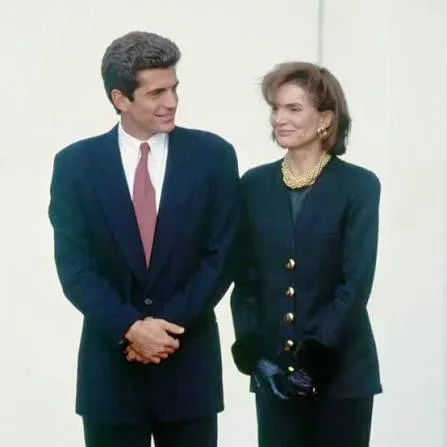
She was buried beside his father at Arlington National Cemetery. That year, John bought a loft in Tribeca.
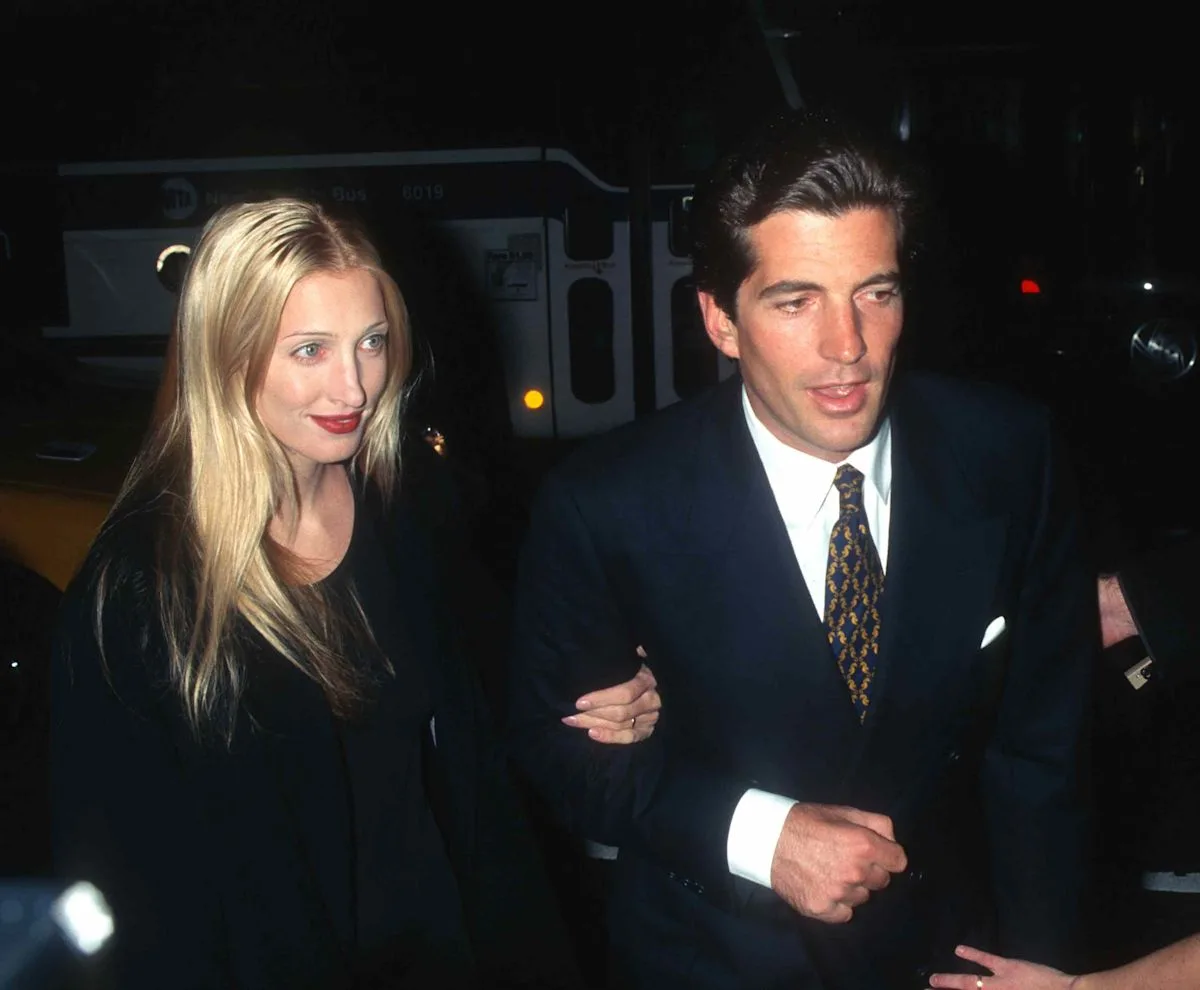
He had already met Carolyn Bessette, an American publicist at Calvin Klein. Accounts of where they first met differ. They began dating in 1994, and in the summer of 1995 she moved into his loft.
He was a familiar sight in downtown Manhattan. He rode his bicycle to work in business clothes, and he went Rollerblading in Central Park in biker shorts.
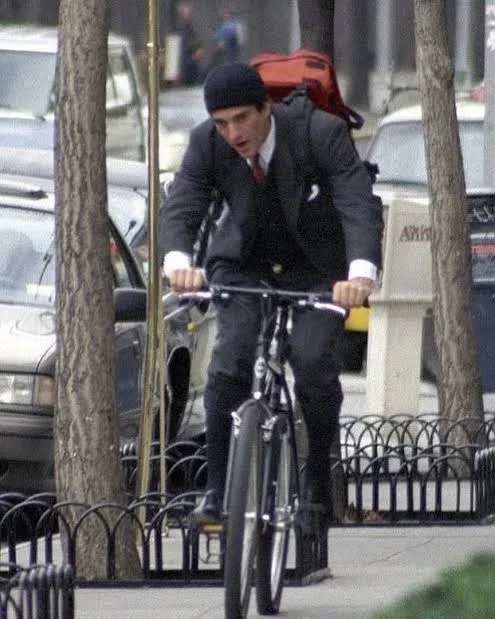
His clothes were simple: chinos with oxford shirts, double-breasted suits for work, and tuxedos cut a little loose. His friend, the American historian Steven M. Gillon, teased that "it was as if he was blindfolded when he got dressed." On him, it hardly mattered.
People kept asking about his political future, but he never ran for office. With his friend, the American public relations executive Michael Berman, he founded a magazine instead.
On 8 September 1995, in a navy suit, he launched George (magazine, 1995–2001) at a press conference in Manhattan. He joked that he had not seen so many reporters in one place since he failed his first bar exam.
The motto was "Not just politics as usual." On the first cover, the American model Cindy Crawford posed as George Washington, in a powdered wig and a ruffled shirt.
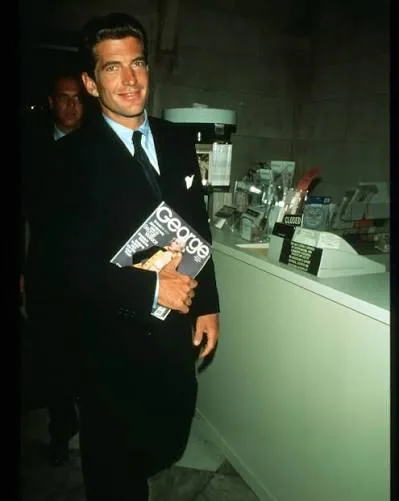
John wrote an editor's letter for every issue and did interviews himself, among them one with the former governor of Alabama George Wallace. He wanted politics to be fun to read.
That year, he also played himself in an episode of the comedy Murphy Brown (television series, 1988–1998), visiting the newsroom to promote his new magazine.
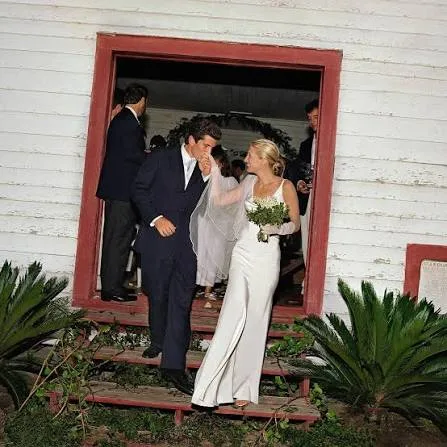
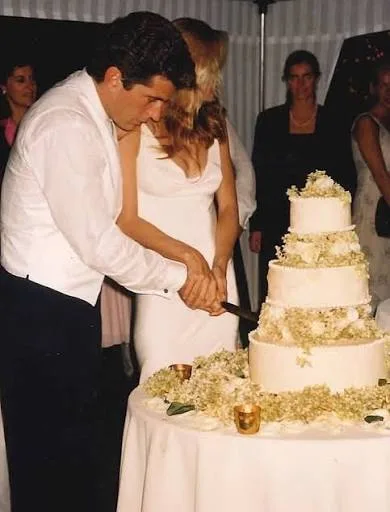
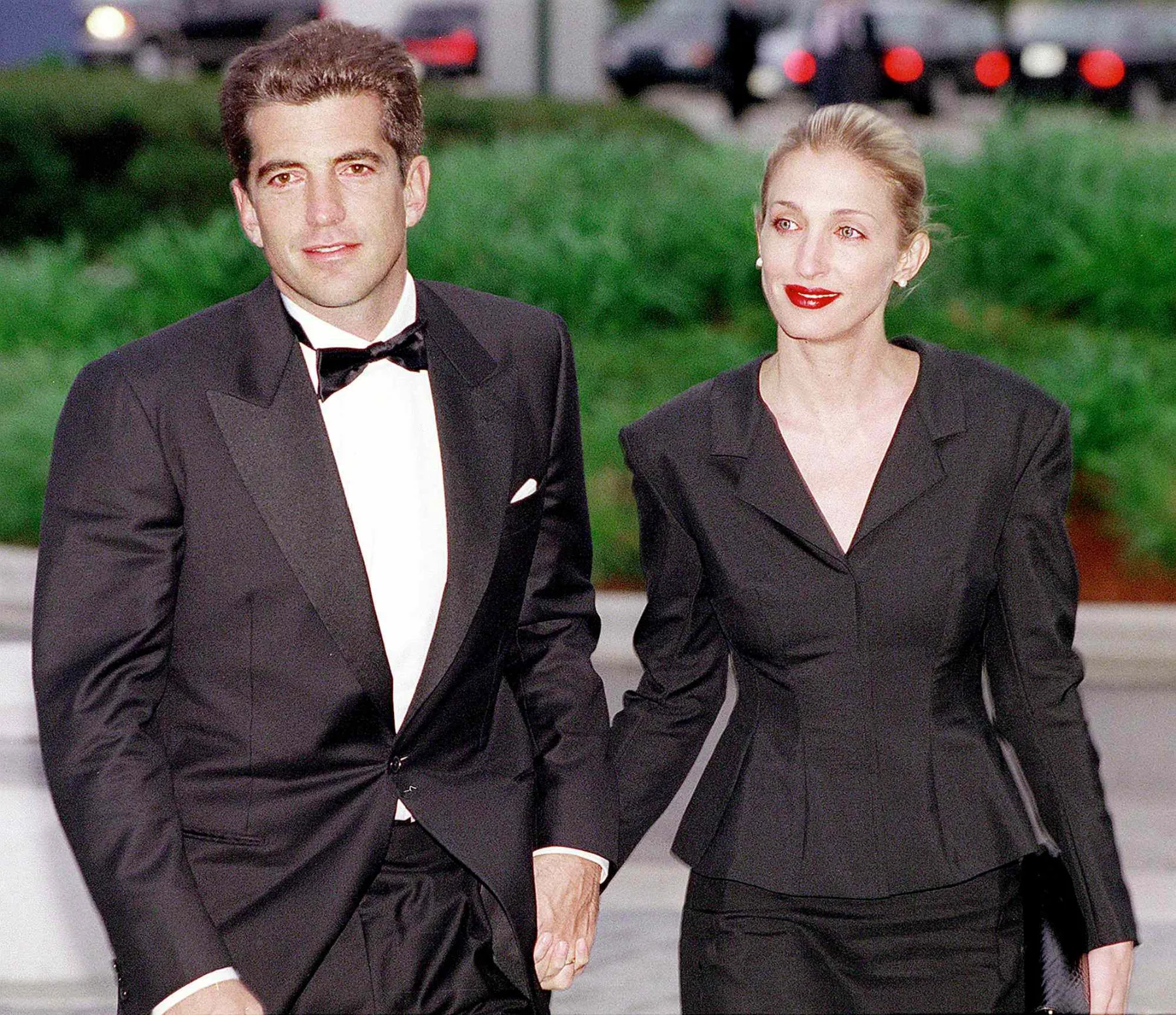
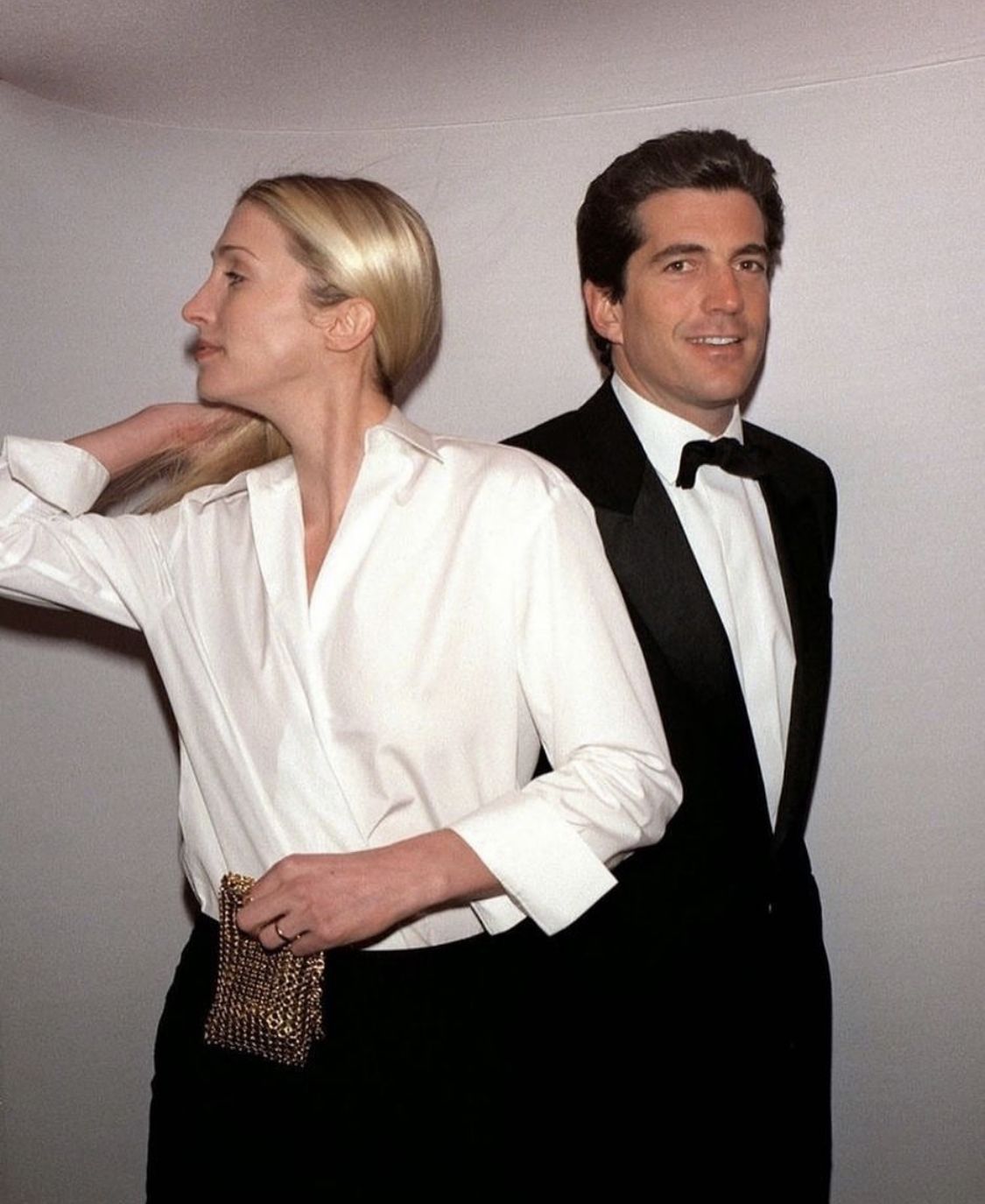
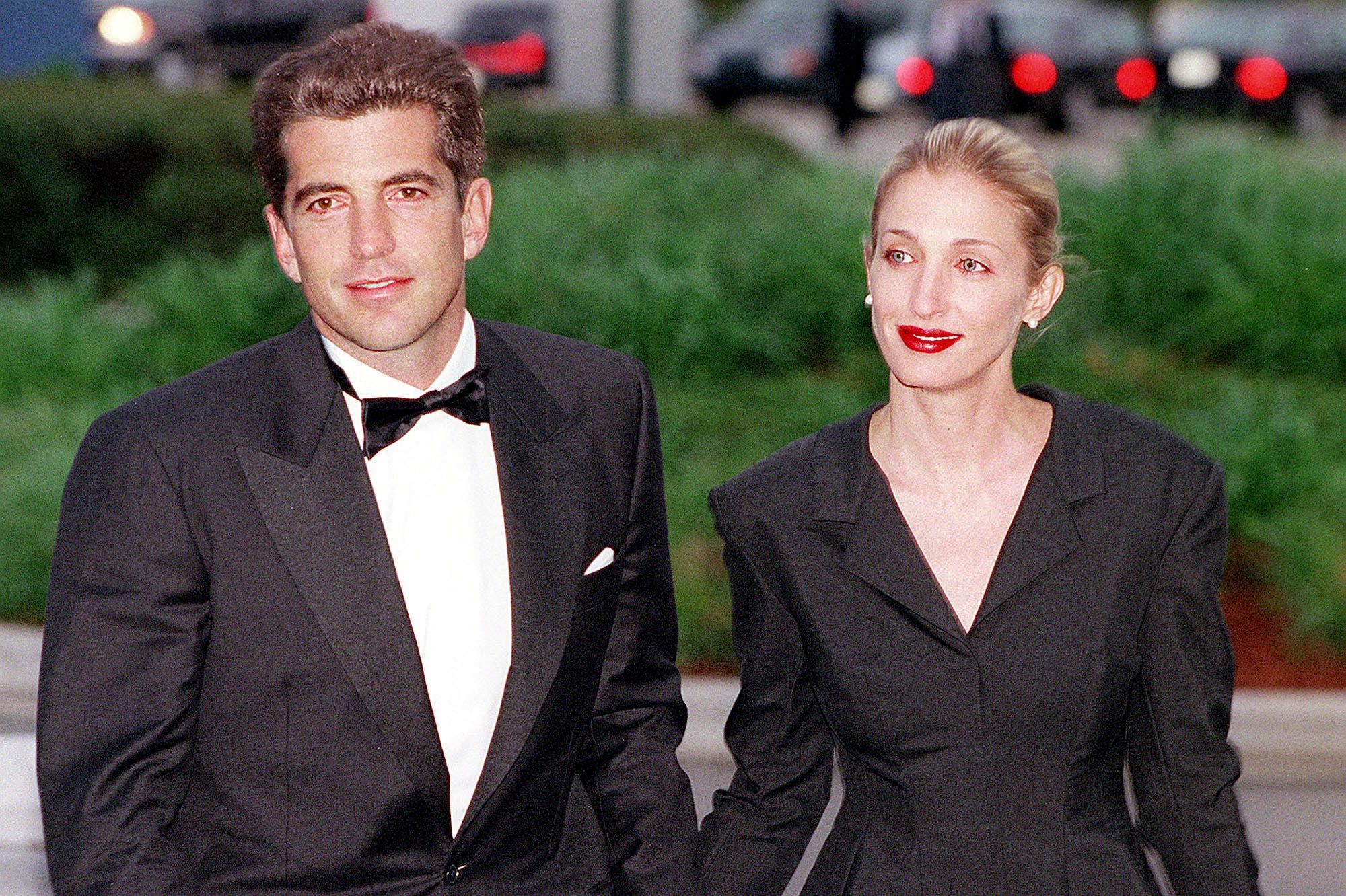
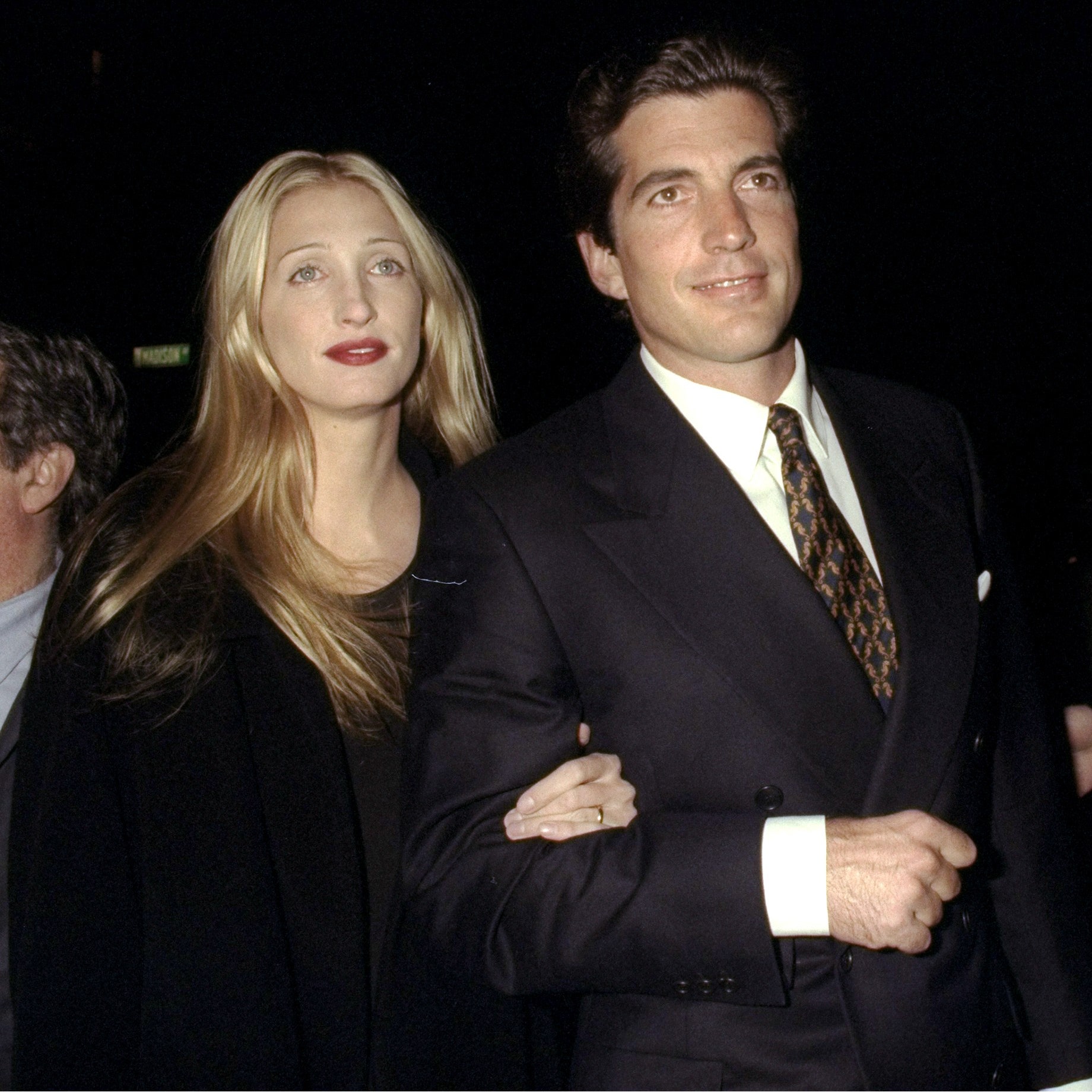
Late in 1995, he asked Carolyn to marry him. On 21 September 1996, by candlelight, they married in the tiny First African Baptist Church on Cumberland Island, off the coast of Georgia.
He wore a midnight-blue suit with a white vest by the American designer Gordon Henderson. She wore a pearl-white slip dress of silk crepe by her friend, the American designer Narciso Rodriguez.
His sister Caroline Kennedy was matron of honor. His cousin, the American television producer Anthony Radziwill, was best man.
They came home from their honeymoon in Turkey and Greece to a crowd of reporters outside their door. John spoke up for his bride.
"This is a big change for anyone, and for a private citizen even more so," he said. "I ask that you give Carolyn all the privacy and room you can."
The photographers kept following them. The couple went to benefits, to dinners at the White House, and to parties for George.


At the magazine, John and Berman fought over how to run it. In 1997, Berman sold his share, and John took over his work. Sales fell.
Since childhood, John had dreamed of flying. In April 1998, after lessons in Vero Beach, Florida, he earned his pilot's license.
The marriage had its storms, and in March 1999 the couple began seeing a marriage counselor.
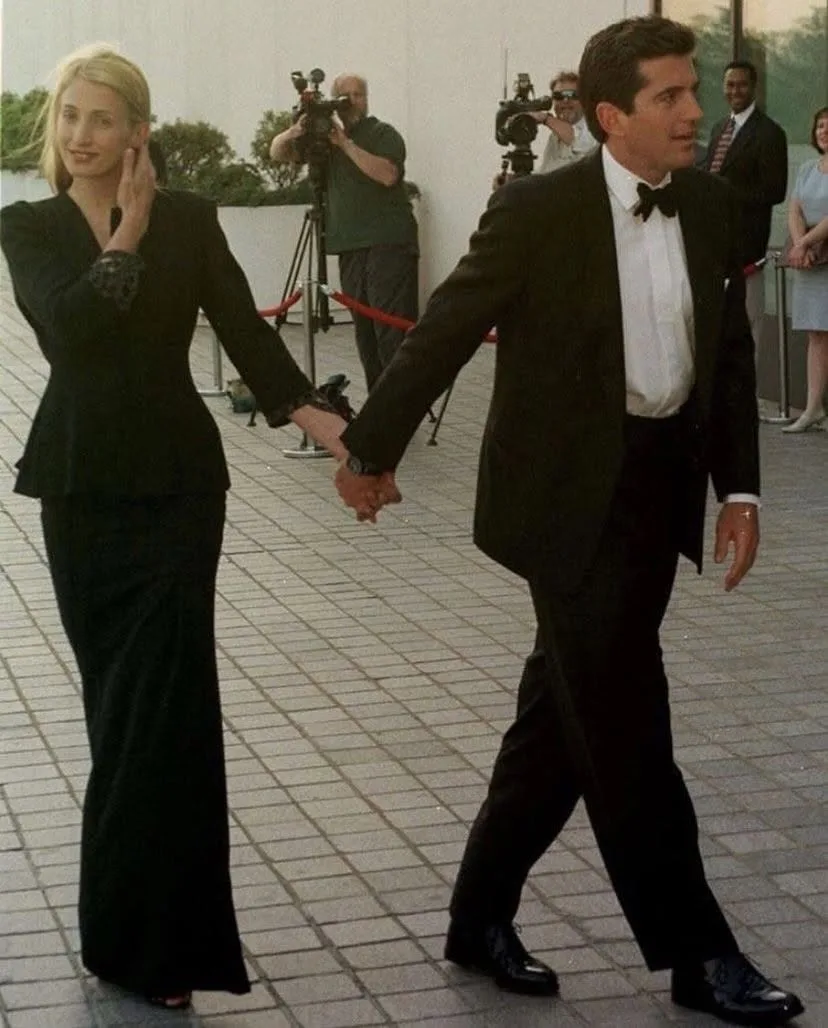
That summer, his cousin, the American documentary filmmaker Rory Kennedy, was getting married at the Kennedy Compound in Hyannis Port, Massachusetts.
On the evening of 16 July 1999, John took off from Essex County Airport in New Jersey in his small plane, a Piper Saratoga. Carolyn was with him, and so was her sister, Lauren Bessette, whom they planned to drop at Martha's Vineyard.
They had hoped to leave in daylight. But Lauren was held up at work, traffic was heavy, and the plane took off after dark, at about 8:38 p.m.
Over the water, in haze and darkness, John lost his sense of direction and then control of the plane. At about 9:41 p.m., it crashed into the Atlantic Ocean off Martha's Vineyard. He was thirty-eight.
Navy divers found the three bodies near the wreckage on 21 July. The next day, their ashes were scattered at sea from the Navy ship USS Briscoe.
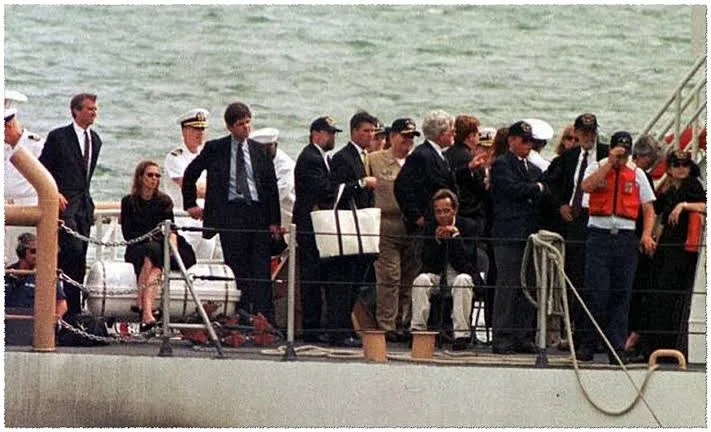
On 23 July 1999, at a memorial service at the Church of St. Thomas More in New York, his uncle Ted Kennedy spoke. "He had every gift but length of years," he said.
"For a thousand days, he was a husband who adored the wife who became his perfect soulmate."
George did not survive him for long. It closed in early 2001. Reaching Up lived on as the John F. Kennedy Jr. Institute at the City University of New York.
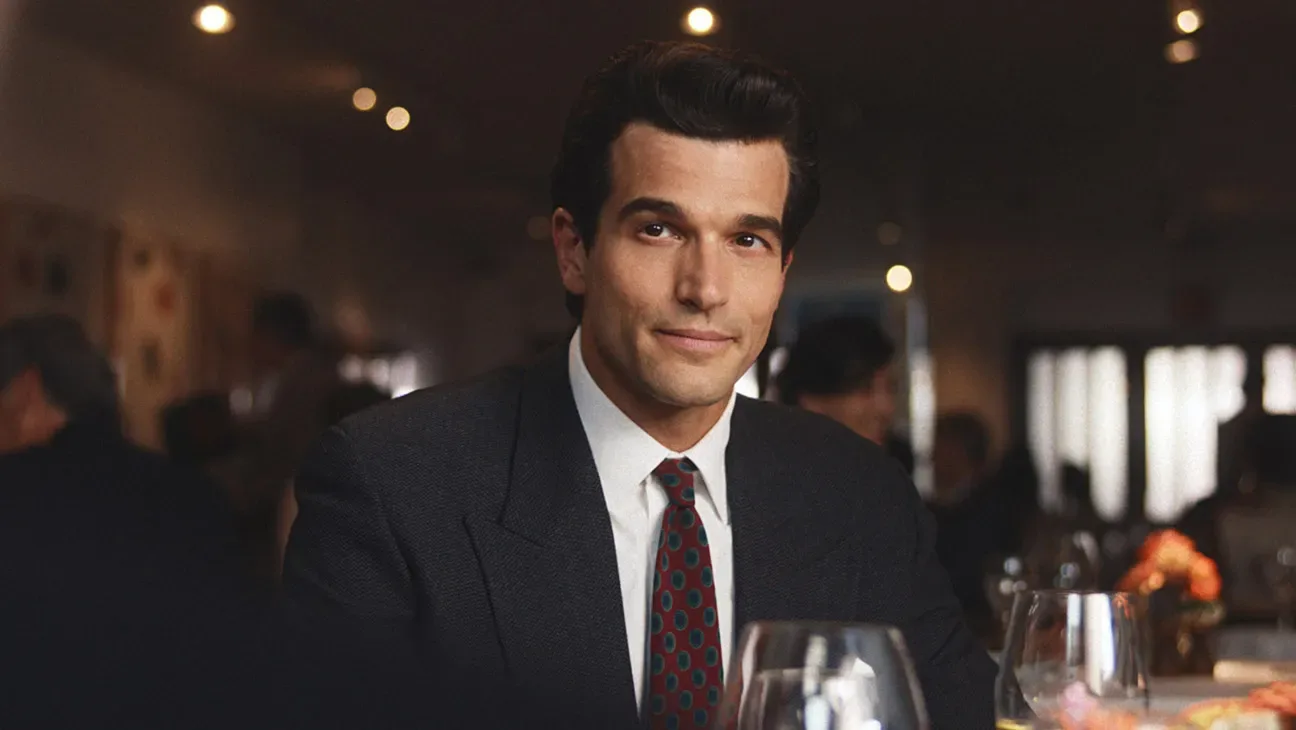
In 2026, the Irish actor Paul Anthony Kelly played him in the television series Love Story: John F. Kennedy Jr. & Carolyn Bessette (television series, 2026).
John F. Kennedy Jr. grew up in front of the whole world. At three, he gave his father's coffin an innocent salute. At thirty-five, he gave his bride's hand a gentle kiss. The world never stopped watching him, and it never stopped missing him.