People
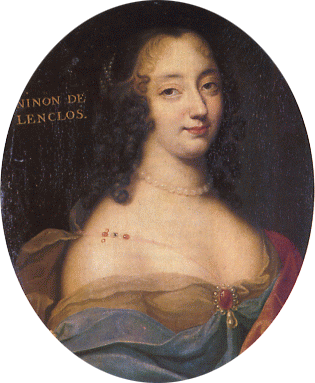
Ninon de Lenclos(10 November 1620 — 17 October 1705)
Ninon de l'Enclos ( Paris, 10 November 1620 — Paris, 17 October 1705) Courtesan, wit, woman of letters — and one of the very few people in seventeenth-century France who lived entirely on her...
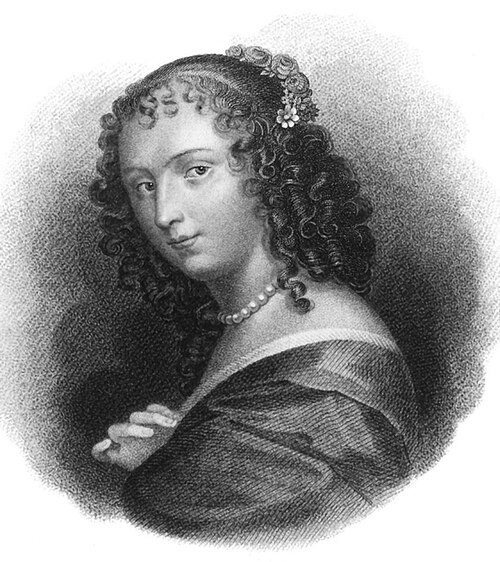
Ninon de l'Enclos (Paris, 10 November 1620 — Paris, 17 October 1705)Courtesan, wit, woman of letters — and one of the very few people in seventeenth-century France who lived entirely on her own terms.
Biography
She was born Anne de l'Enclos into a house where the lute was practically a member of the family. Her father Henri — a musician, a small-time libertine, and eventually a man exiled from France over a duel not worth the retelling — taught her to sing and play before she was old enough to know what either was really for, and it was he who gave her the nickname that outlasted every proper title she never bothered to earn: Ninon.
When her mother died some years later, the unmarried Ninon did what a grieving young woman of her century was expected to do and entered a convent.
She lasted a year.
Whatever she found behind those walls, it wasn't a calling — and she walked back out having decided, with a clarity most people never manage in a lifetime, that she would remain unmarried and answer to no one.
Back in Paris, she soon became popular, and her drawing room became one of the few places where literature was actually argued over rather than merely displayed, and she spent her influence generously — she was among the first to champion a young playwright named Molière
Back in Paris, she soon became popular, and her drawing room became one of the few places where literature was actually argued over rather than merely displayed, and she spent her influence generously — she was among the first to champion a young playwright named Molière

Decades later, at the very end of her life, she left money to the nine-year-old son of her notary, so the boy could buy the books he couldn't afford. His name was François-Marie Arouet. History would come to know him as Voltaire.
It was also in this Paris that she took up the life that made her notorious — a long succession of lovers drawn from the top of French society, a cousin of the king among them. She was particular about one thing above everything else: she never took a sou from any of them. Her income was hers, earned and managed on her own account, at a moment in history when almost no woman could say the same.
The memoirist Saint-Simon, watching her operate at close range, marveled that she kept only one lover at a time and let each go with such frank good humor that even the discarded ones stayed friendly, simply relieved to be allowed back into her circle as guests. Ninon herself summed up the whole arrangement rather more efficiently than any of her admirers ever managed: it takes more genius, she said, to make love than to command armies.
Her longest attachment was to Louis de Mornay, marquis de Villarceaux. In 1652, Ninon took up with Louis de Mornay, by whom she had a son, also named Louis.
She lived with him three years before returning, alone, to Paris, and when he couldn't bear to simply let her go and fell into a fever over it, she sent him something better than a promise — she cut off her hair and mailed him the locks. Paris being Paris, cropped hair "à la Ninon" was fashionable within the season. It may be one of the earliest recorded instances of a woman's private heartbreak becoming, almost immediately, a hairstyle.
It was also in this Paris that she took up the life that made her notorious — a long succession of lovers drawn from the top of French society, a cousin of the king among them. She was particular about one thing above everything else: she never took a sou from any of them. Her income was hers, earned and managed on her own account, at a moment in history when almost no woman could say the same.
The memoirist Saint-Simon, watching her operate at close range, marveled that she kept only one lover at a time and let each go with such frank good humor that even the discarded ones stayed friendly, simply relieved to be allowed back into her circle as guests. Ninon herself summed up the whole arrangement rather more efficiently than any of her admirers ever managed: it takes more genius, she said, to make love than to command armies.
Her longest attachment was to Louis de Mornay, marquis de Villarceaux. In 1652, Ninon took up with Louis de Mornay, by whom she had a son, also named Louis.
She lived with him three years before returning, alone, to Paris, and when he couldn't bear to simply let her go and fell into a fever over it, she sent him something better than a promise — she cut off her hair and mailed him the locks. Paris being Paris, cropped hair "à la Ninon" was fashionable within the season. It may be one of the earliest recorded instances of a woman's private heartbreak becoming, almost immediately, a hairstyle.
"Much more genius is needed to make love than to command armies"
-- Ninon de l'Enclos
Her total indifference to organized religion, and her refusal to disguise it, eventually caught up with her — Anne of Austria, ruling as regent, had her shut away in a convent reserved for wayward women.
She might have stayed there a good while longer had the exiled Queen Christina of Sweden not come to see her, been thoroughly charmed within minutes, and written directly to Cardinal Mazarin to arrange her release. Not many people have ever needed rescuing from a convent by a former queen.
Ninon, apparently, did.
She might have stayed there a good while longer had the exiled Queen Christina of Sweden not come to see her, been thoroughly charmed within minutes, and written directly to Cardinal Mazarin to arrange her release. Not many people have ever needed rescuing from a convent by a former queen.
Ninon, apparently, did.
She wrote, too.
In 1659 she published La Coquette vengée, arguing — in print, which took real nerve at the time — that a woman could live a good and examined life without any help from the Church.
As her courtesan years receded she leaned further into the literary side of her salon, hosting it for decades at l'hôtel Sagonne and counting the playwright Jean Racine among her close friends. Stranger still, she grew close to the devoutly religious Françoise d'Aubigné, later Madame de Maintenon and the eventual second wife of Louis XIV — a woman who apparently couldn't stand to hear Ninon's name mentioned in her presence, yet kept writing to her, warmly, right up until the day Ninon died.
In 1659 she published La Coquette vengée, arguing — in print, which took real nerve at the time — that a woman could live a good and examined life without any help from the Church.
As her courtesan years receded she leaned further into the literary side of her salon, hosting it for decades at l'hôtel Sagonne and counting the playwright Jean Racine among her close friends. Stranger still, she grew close to the devoutly religious Françoise d'Aubigné, later Madame de Maintenon and the eventual second wife of Louis XIV — a woman who apparently couldn't stand to hear Ninon's name mentioned in her presence, yet kept writing to her, warmly, right up until the day Ninon died.
"We should take care to lay in a stock of provisions, but not of pleasures: these should be gathered day by day."
-- Ninon de l'Enclos
She died at 84, extraordinarily wealthy for a woman who had built every bit of her fortune on her own terms and never once apologized for how. She had long insisted she had no soul, and by every account never softened that position — not in old age, and not, she made sure everyone knew, at the very end either.
Her afterlife has been a strange and fairly glamorous one.
Immanuel Kant wrote about her in his Observations on the Feeling of the Beautiful and Sublime: "The maiden Ninon Lenclos made not the least claims to the honor of chastity, and nevertheless she would have been implacably offended if one of her lovers had gone so far in his judgment."
Edgar Allan Poe mentioned her in his short story "The Spectacles", as did Rudyard Kipling in "Venus Annodomini". Anais Nin mentions her alongside Madame Bovary in the novel, A Spy in the House of Love. Edwin Arlington Robinson used Ninon as a symbol of aging beauty in his poem "Veteran Sirens".
Dorothy Parker wrote the poem "Ninon de l'Enclos on Her Last Birthday" and also referred to Ninon in another of her poems, "Words of Comfort to Be Scratched on a Mirror".
L'Enclos is the eponymous heroine of Charles Lecocq's 1896 opéra comique Ninette.
In France, her name still means something specific — wit, beauty, and a fearlessness about how a woman is allowed to live that most of her contemporaries never risked. In the English-speaking world, she is a much less known name.
Ninon de l'Enclos, a true free spirit in every sense of the word, would probably not have been bothered by it at all.
Her afterlife has been a strange and fairly glamorous one.
Immanuel Kant wrote about her in his Observations on the Feeling of the Beautiful and Sublime: "The maiden Ninon Lenclos made not the least claims to the honor of chastity, and nevertheless she would have been implacably offended if one of her lovers had gone so far in his judgment."
Edgar Allan Poe mentioned her in his short story "The Spectacles", as did Rudyard Kipling in "Venus Annodomini". Anais Nin mentions her alongside Madame Bovary in the novel, A Spy in the House of Love. Edwin Arlington Robinson used Ninon as a symbol of aging beauty in his poem "Veteran Sirens".
Dorothy Parker wrote the poem "Ninon de l'Enclos on Her Last Birthday" and also referred to Ninon in another of her poems, "Words of Comfort to Be Scratched on a Mirror".
L'Enclos is the eponymous heroine of Charles Lecocq's 1896 opéra comique Ninette.
In France, her name still means something specific — wit, beauty, and a fearlessness about how a woman is allowed to live that most of her contemporaries never risked. In the English-speaking world, she is a much less known name.
Ninon de l'Enclos, a true free spirit in every sense of the word, would probably not have been bothered by it at all.