Music
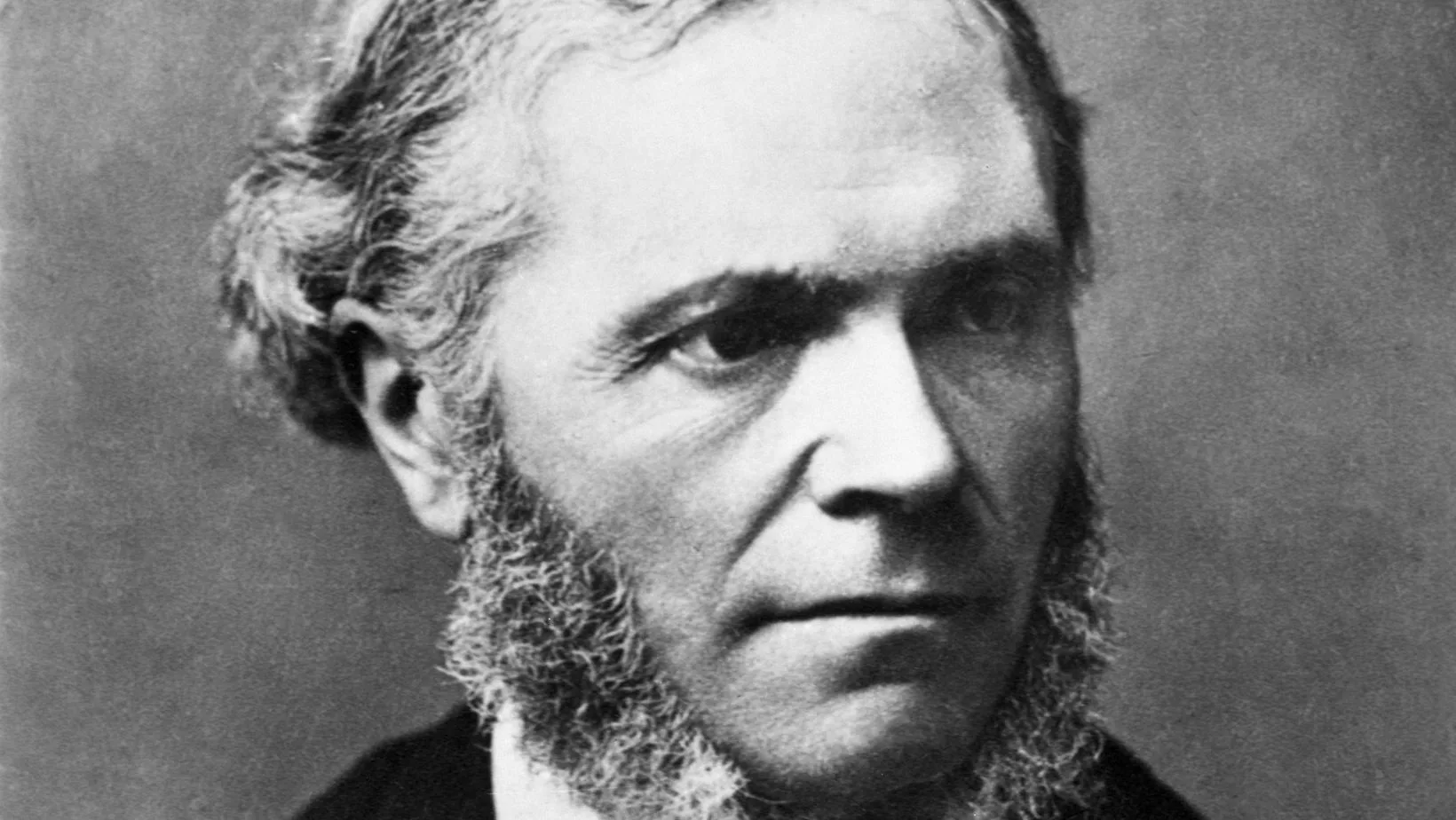
Sonata in A major for Violin and Piano (M. 8 / FWV 8) by César Franck (1822-1890)
The story
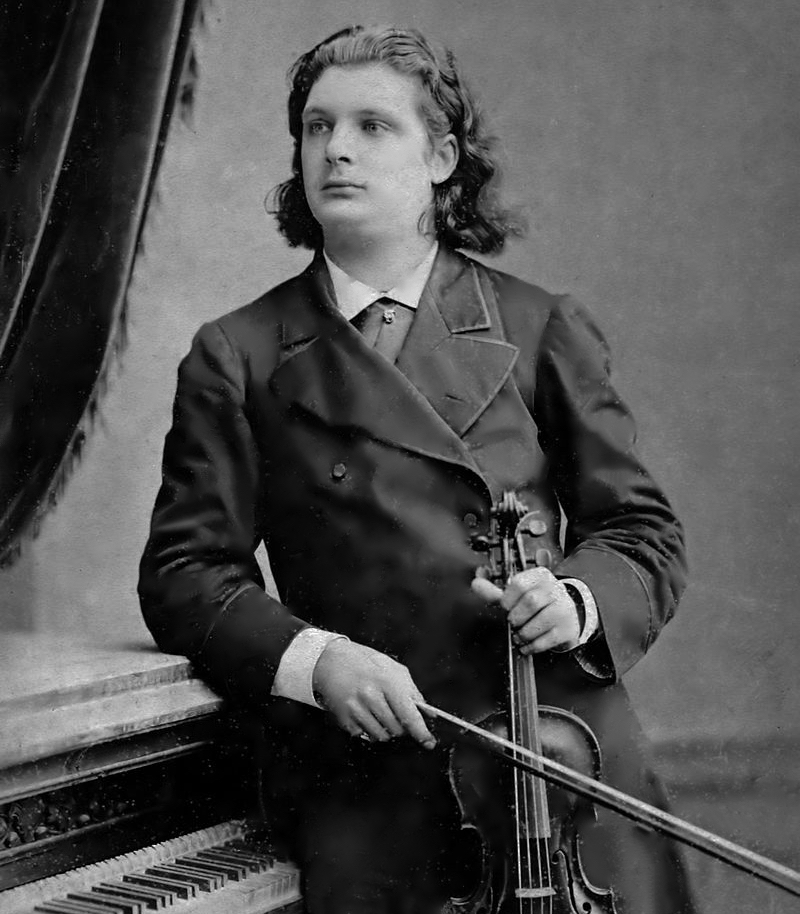
Eugène Ysaÿe (1858–1931) was a legendary Belgian violinist, composer, and conductor who was widely regarded as the "King of the Violin" due to his unmatched virtuosity, expressive power, and influence on modern violin playing techniques.
In 1886, the 63-year-old César Franck composed the sonata as a wedding gift for the 28-year-old Ysaÿe.
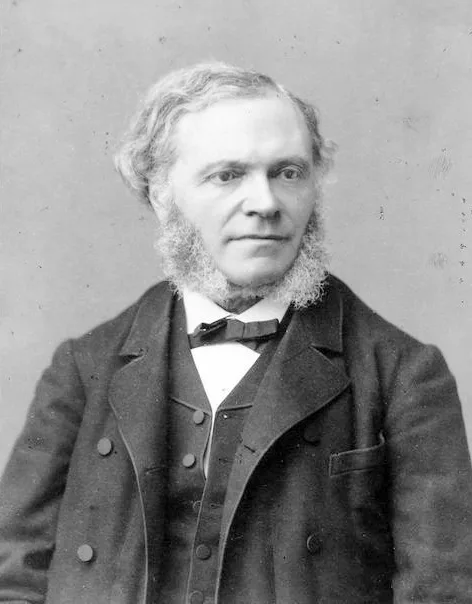
On the wedding day, Franck himself was not present at the wedding in Arlon, Belgium. Instead, their mutual friend Charles Bordes presented the manuscript to Ysaÿe on the morning of 26 September 1886. Deeply moved, Ysaÿe and pianist Marie-Léontine Bordes-Pène (Bordes' sister-in-law) held a rapid, impromptu rehearsal on the spot. They performed it for the wedding guests that very morning.
Franck initially wrote the first movement to be slow and heavily reflective. Ysaÿe, however, preferred a faster, more fluid pace. His interpretation convinced Franck to officially change the marking to Allegretto ben moderato.
The work’s official public premiere took place on 16 December 1886, at the Musée Moderne de Peinture (Museum of Modern Painting) in Brussels. It resulted in one of the most famous anecdotes in classical music history.
The sonata was programmed as the grand finale of a exceptionally long, all-Franck afternoon concert that began at 3:00 PM, but by the time the musicians took the stage for the sonata, dusk had completely fallen. Because the concert took place inside an art gallery, strict museum regulations forbade any artificial light(including gas lamps or even striking a single match)to protect the paintings.
As the gallery plunged into deep gloom after the first movement, the audience was on the verge of being asked to leave. Refusing to let the event be canceled, Ysaÿe famously struck his music stand with his bow and yelled, "Allons, allons!" ("Let's go, let's go!").
In near-total darkness, Ysaÿe and Bordes-Pène defiantly performed the final three movements entirely from memory. The hidden, shadowy performance amplified the stormy energy of the Allegro and the sweeping dialogue of the finale, driving the crowd into a frenzy of enthusiasm.
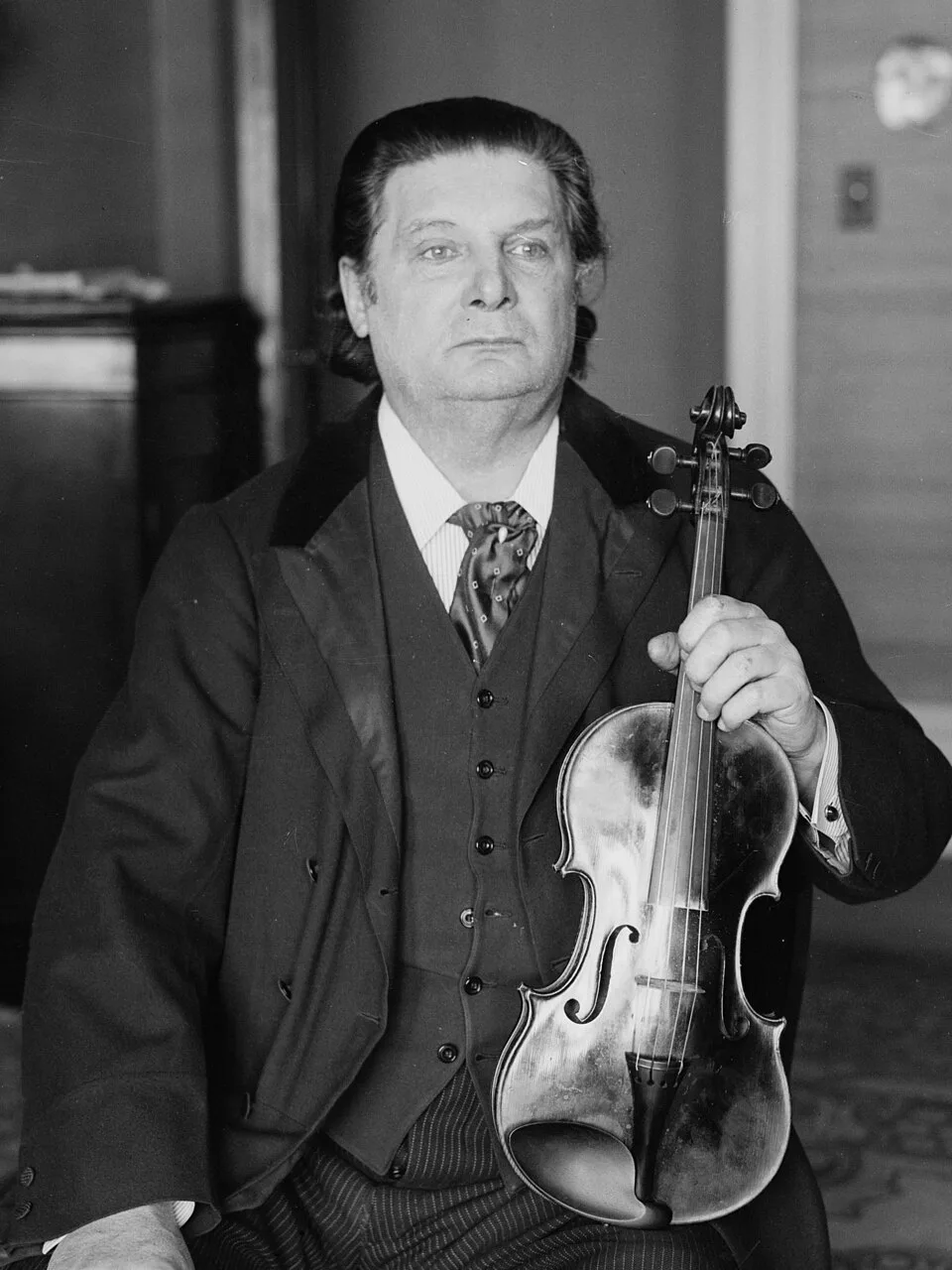
Ysaÿe proudly championed the masterpiece on global tours for the next 40 years, frequently telling his audiences that he always performed it con amore ("with love") because it was born as a wedding gift.
The Music
The sonata runs for approximately 30 minutes. It is famous for its use of the cyclic principle, where a core musical theme returns across all four movements:
I. Allegretto ben moderato (A major) – A gentle, restrained opening movement that acts almost as a prelude.
II. Allegro (D minor) – A passionate, stormy, and technically demanding movement.
III. Recitativo-Fantasia: Ben moderato – A free, improvisatory, and deeply expressive movement.
IV. Allegretto poco mosso (A major) – A joyful finale featuring a famous melodic canon passed back and forth between the violin and piano.