Film & TV
Sissi – The Young Empress (film, Sissi – Die junge Kaiserin, 1956) Starring Romy Schneider, Karlheinz Böhm, Vilma Degischer, Magda Schneider and Gustav Knuth
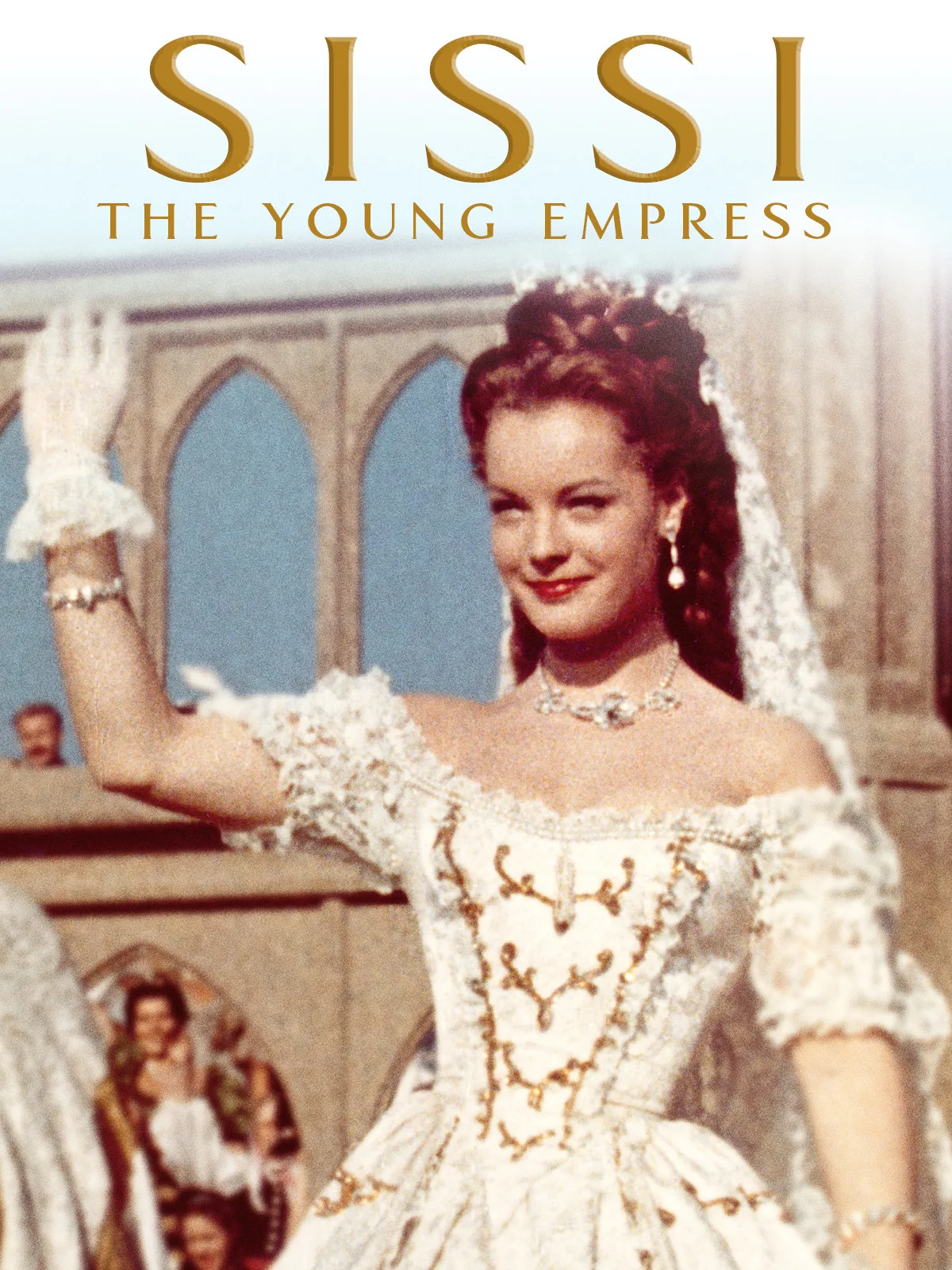
Sissi – The Young Empress (Sissi – Die junge Kaiserin, 1956) is the second part of Ernst Marischka's trilogy, made a year after Sissi (1955) and picking up in the days immediately after the imperial wedding. Romy Schneider and Karlheinz Böhm return as Empress Elisabeth of Austria and Emperor Franz Joseph I of Austria.
Where the first film was a courtship, this one is a marriage, and its real subject is the war between two women in the same palace. Elisabeth's adversary is her aunt and mother-in-law, Archduchess Sophie of Austria, and the prize is first her daughter and then her own authority.
Plot
Vienna, just after the wedding. Elisabeth wakes as Empress of Austria and discovers that her day has been written out for her in advance, hour by hour, by the mistress of the household.
Franz Joseph works. Papers arrive at dawn, ministers arrive after breakfast, and the newly married couple see each other in the gaps.
Archduchess Sophie supervises everything. She sends ladies-in-waiting to report on her niece's conduct, objects to her walks, her riding, her informality with servants, and does not hesitate to read her diary.
Elisabeth takes Hungarian lessons and falls in love with a country she has never seen. The empire has recently crushed the Hungarian rising, and the ministers' council wants the surviving leaders punished.
She argues the other case to her husband: a country cannot be won by force, only by affection. Franz Joseph grants a general amnesty, and among those pardoned is Count Gyula Andrássy, who had been condemned to death.
A reception is held for the Hungarian nobility. Archduchess Sophie refuses to receive the delegation, and the Hungarians prepare to walk out of the palace without taking leave of the imperial couple.
Elisabeth stops it. She has the orchestra strike up a ladies' choice, crosses the room in front of the entire court, and asks Count Gyula Andrássy to dance.
During the first waltz she faints. She is pregnant, and the child, when it comes, is a daughter rather than an heir. Franz Joseph is delighted anyway.
Archduchess Sophie decides that the empress is too young to raise the girl and removes the child to her own apartments. Franz Joseph supports his mother.
Elisabeth leaves Vienna and goes home to Possenhofen. She keeps the reason from her mother, Duchess Ludovika in Bavaria, and tells the truth to her father, Duke Maximilian Joseph in Bavaria, who listens without lecturing her.
Franz Joseph follows her there and persuades her to come back, and the two of them finally take the honeymoon they never had, in the mountains. Duchess Ludovika travels to Vienna to plead with her sister over the baby.
Back at court, with another Hungarian reception looming and her bags nearly packed, Elisabeth learns that Archduchess Sophie has given way and the child is hers again. She attends the reception, and the empire's two most powerful women make peace.
The film ends in Hungary, where Franz Joseph is crowned king with the crown of Saint Stephen and Elisabeth is crowned queen, standing before her subjects with tears on her face while the Hungarian anthem is sung.
Cast
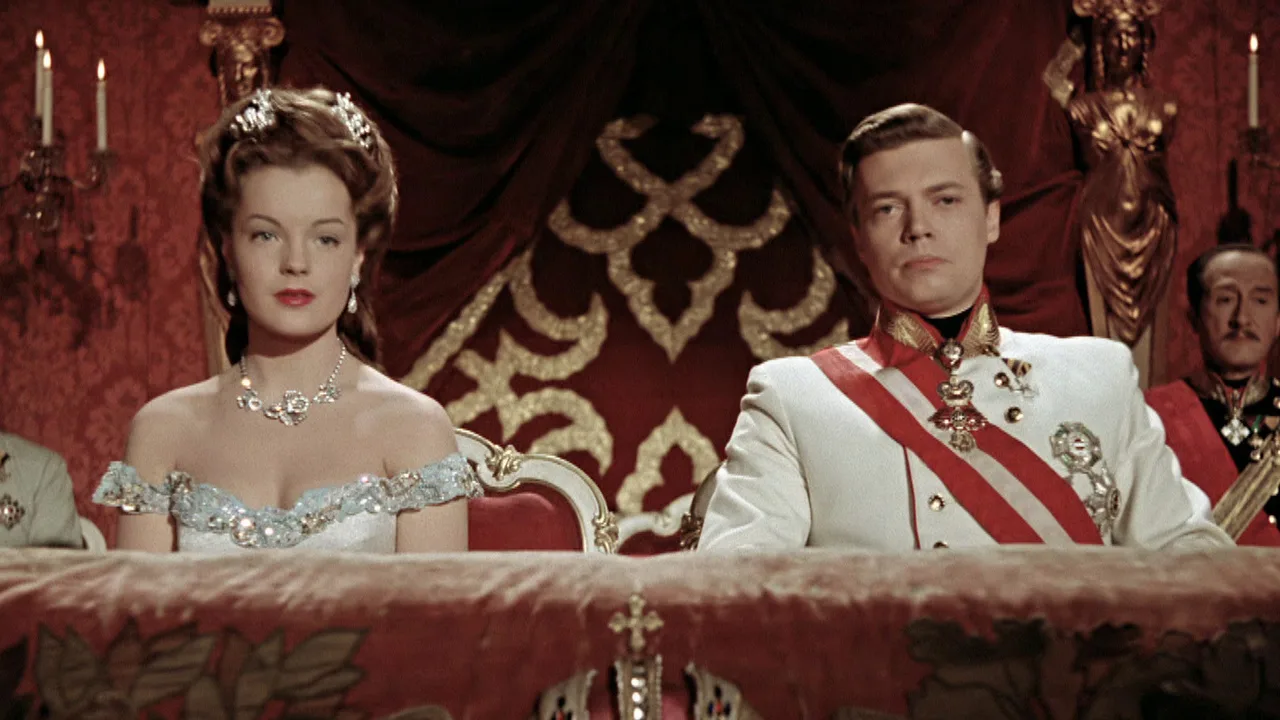
- Romy Schneider as Elisabeth in Bavaria, called Sissi
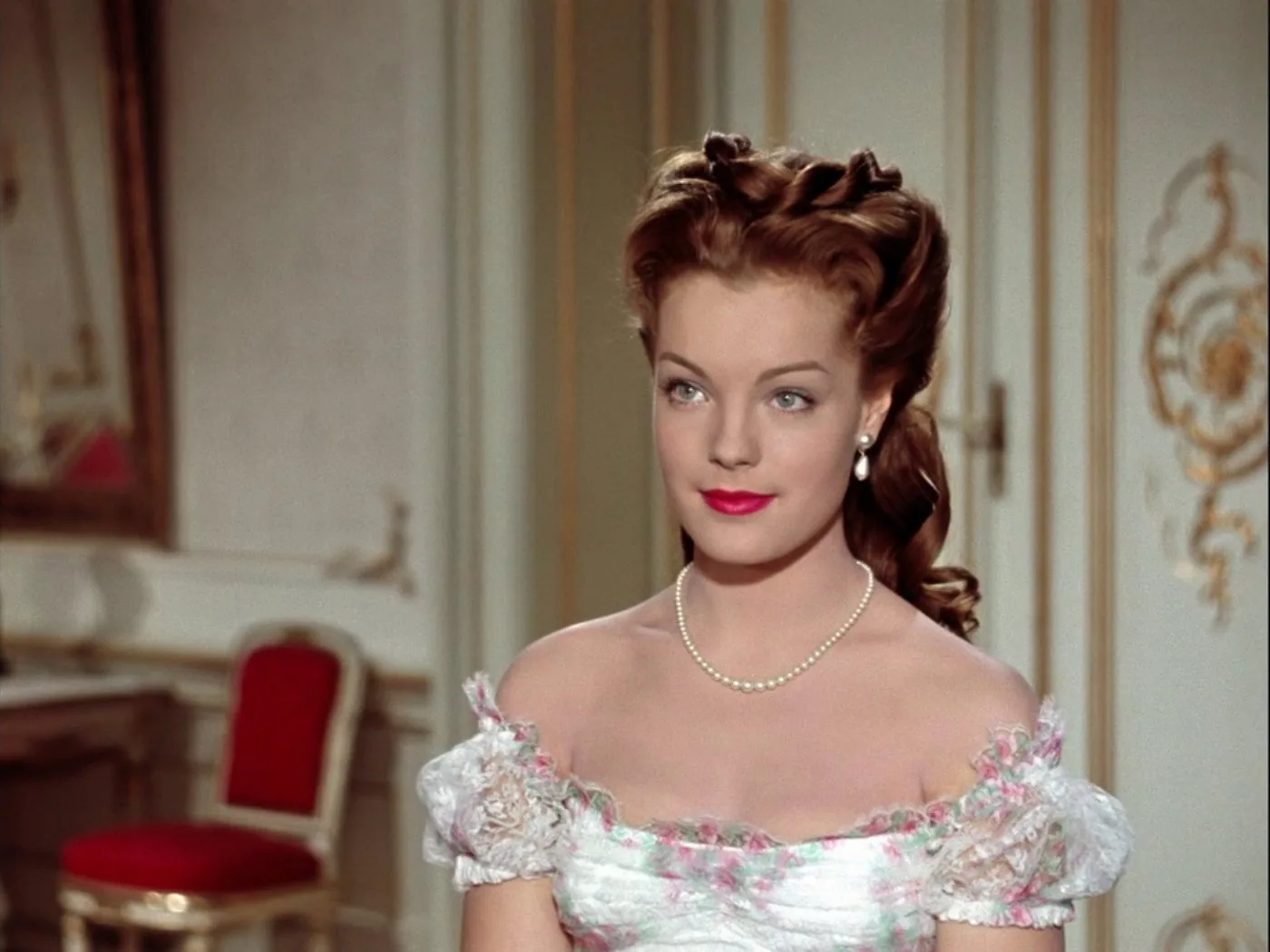
Romy Schneider as Elisabeth in Bavaria, called Sissi in film Sissi – The Young Empress (1956) - Karlheinz Böhm as Emperor Franz Joseph I of Austria
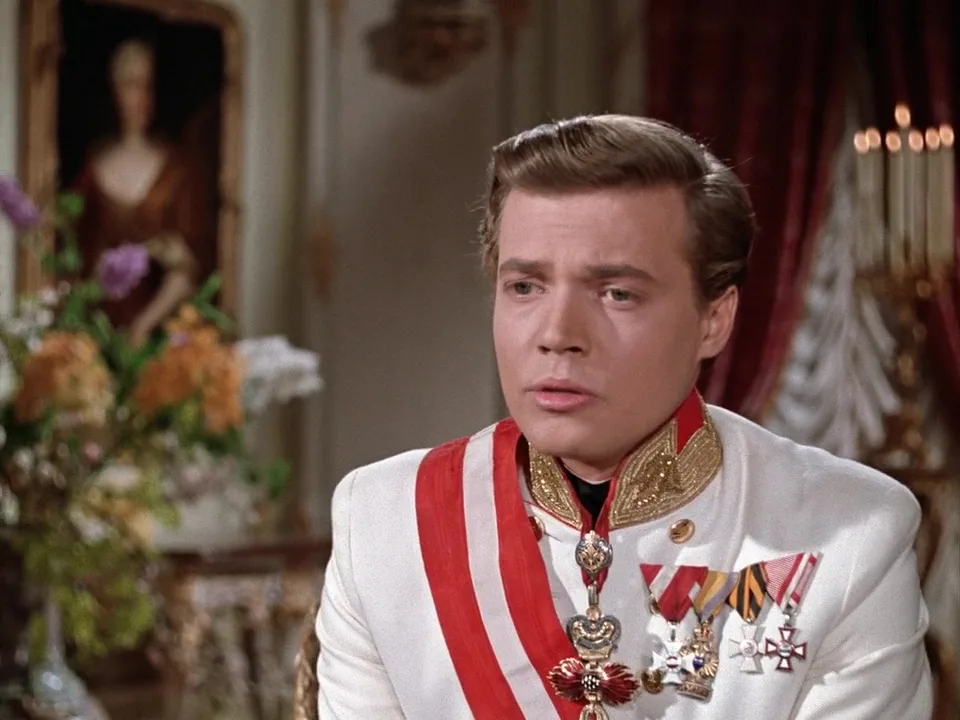
Karlheinz Böhm as Emperor Franz Joseph I of Austria in film Sissi – The Young Empress (1956) - Vilma Degischer as Archduchess Sophie of Austria
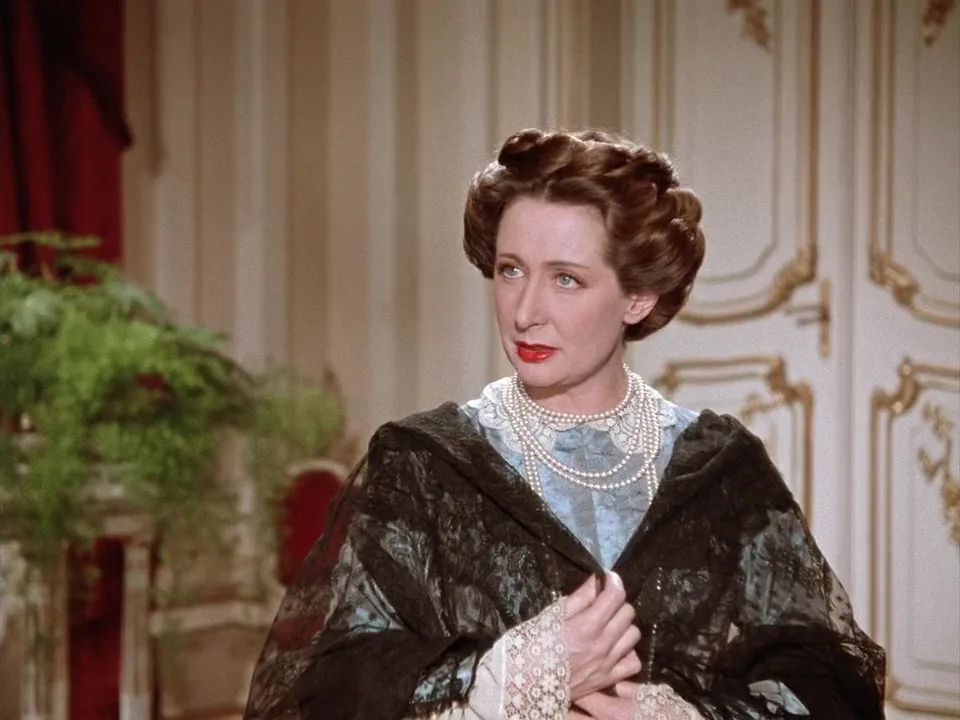
Vilma Degischer as Archduchess Sophie of Austria in film Sissi – The Young Empress (1956) - Magda Schneider(mother of Romy Schneider) as Duchess Ludovika in Bavaria
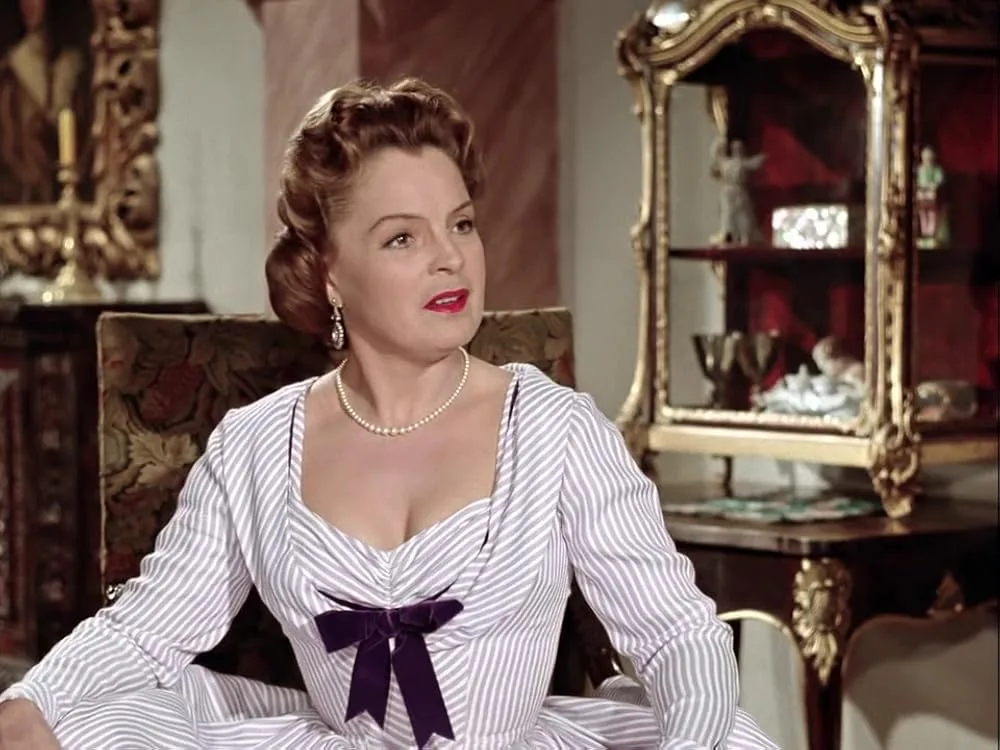
Magda Schneider as Duchess Ludovika in Bavaria in film Sissi – The Young Empress (1956) - Gustav Knuth as Duke Maximilian Joseph in Bavaria
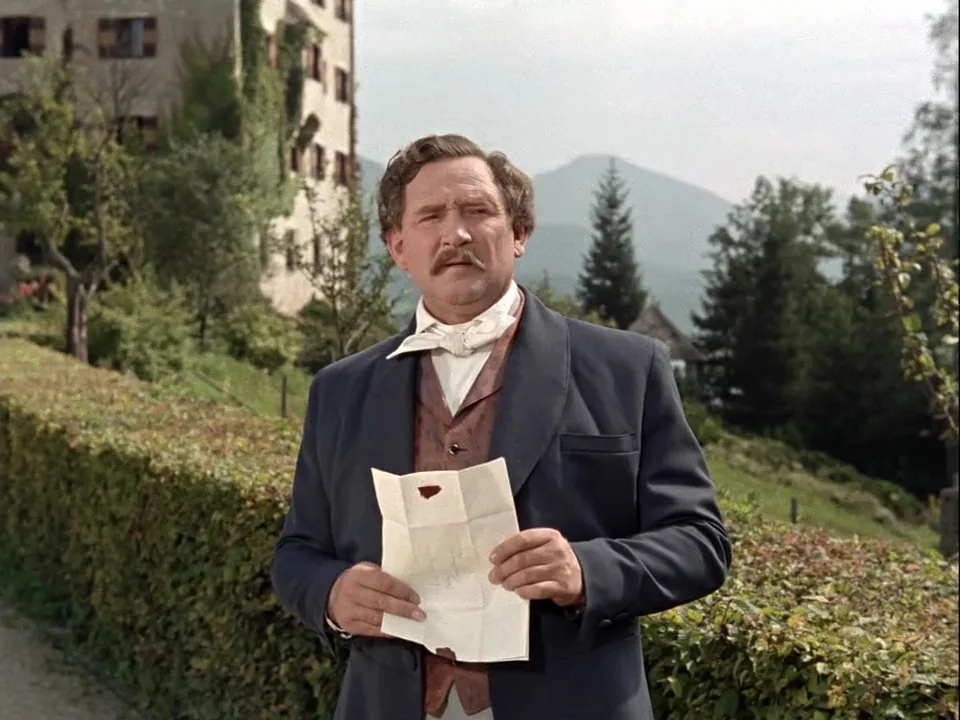
Gustav Knuth as Duke Maximilian Joseph in Bavaria in film Sissi – The Young Empress (1956) - Walther Reyer as Count Gyula Andrássy
- Josef Meinrad as Colonel Böckl
- Uta Franz as Princess Helene in Bavaria
- Senta Wengraf as Countess Bellegarde
Romy Schneider is noticeably different here, still girlish in the Bavarian scenes but harder and quieter in Vienna. The performance's best moments are silent ones, particularly the flat, stunned calm with which she receives the news that her daughter has been taken away.
Vilma Degischer's Archduchess Sophie carries the film's dramatic weight. She is never caricatured, and her cruelty is always delivered in the voice of reason, which makes it far worse.
Karlheinz Böhm has the hardest job, playing an emperor who is genuinely in love and genuinely useless at defending his wife. Walther Reyer gives Count Gyula Andrássy a smoldering courtliness, and the film flirts with his feeling for the empress before politely withdrawing.
Josef Meinrad returns as the film's comic ballast, now promoted, still saluting.
Production
Erma-Film in Vienna produced again, with Ernst Marischka and Karl Ehrlich as producers and Marischka writing and directing as before, and the entire principal team came back: Bruno Mondi on camera, Anton Profes on music, Alfred Srp editing, Fritz Jüptner-Jonstorff on the sets, and Leo Bei, Gerdago, and Franz Szivats on the costumes.
Schönbrunn Palace and the Hofburg were largely unavailable for interior shooting, so most of the palace scenes were built at the Rosenhügel studios in Vienna. The furniture, however, was authentic: genuine imperial pieces were borrowed from the Vienna furniture collection, which has since given the film's furniture a permanent exhibition of its own.
Fuschl Castle on Lake Fuschl stood in again for Possenhofen, which had been used as a military hospital during the war and was in poor condition. Exteriors were also shot at Schönbrunn, including the Gloriette, and in the Wachau and around Lake Starnberg.
The Hungarian coronation could not be filmed in Hungary. The castle church in Buda had been badly damaged in the war, and in the autumn of 1956, as the film was being finished, the Hungarian uprising against Soviet rule made the country impossible to enter.
Marischka's solution was frankly pragmatic. The coronation interior was shot in St. Michael's Church in Vienna, the same church used for the imperial wedding in the first film, so that attentive viewers can recognize the identical altar and watch the couple emerge from a Viennese church into Hungary.
Gerdago and her colleagues dressed the film as a study in opposition. Elisabeth appears in pale silks, tulle, and lace, with looser hair and lighter fabrics as the story moves away from Vienna, while Archduchess Sophie remains in dense black with jet and high collars. The Hungarian reception is the design showpiece, with the visiting nobles in braided attilas, fur-trimmed mentes slung from one shoulder, and boots, set against the white and gold of the Austrian court.
Anton Profes scored the film in the same Viennese vein and gave the Hungarian material its own color, with a coronation sequence built around the anthem, which had been suppressed in the years the film depicts.
The chronology is handled with total freedom. The Austro-Hungarian Compromise and the coronation in Buda took place in 1867, twelve years after the birth of Elisabeth's first daughter, and the real child, Sophie, died at the age of two on a journey to Hungary. Marischka moves the coronation forward to serve as a happy ending, returns the baby to her mother, which never happened, and leaves the girl alive.
Release/reception
The film opened in Austria in December 1956, a year after the first part, and followed the same commercial path across Europe. The trilogy was by then an export phenomenon, with sold-out runs reported from Sweden, Spain, Norway, and the Netherlands.
Sissi – Fateful Years of an Empress (Sissi – Schicksalsjahre einer Kaiserin, 1957) followed the next year and completed the cycle. In 1962 the three films were condensed into a single English-language version released as Forever My Love.
Critical opinion has always treated the middle film as the most dramatically substantial of the three, because it has a genuine antagonist and a genuine grievance at its center, and as the least historically defensible, because of what it does to the calendar and to the fate of a real child.
For Romy Schneider the success was closing in. She made the third film, refused a fourth despite an enormous offer, and spent years shaking off an image she described as sticking to her like semolina pudding. Fifteen years later, in Ludwig (1973), Luchino Visconti let her play the same empress as a woman who had learned exactly what the court in these films was really like.