Film & TV
La Señora(tv series 2008-2010) Starring Adriana Ugarte, Rodolfo Sancho and Roberto Enríquez
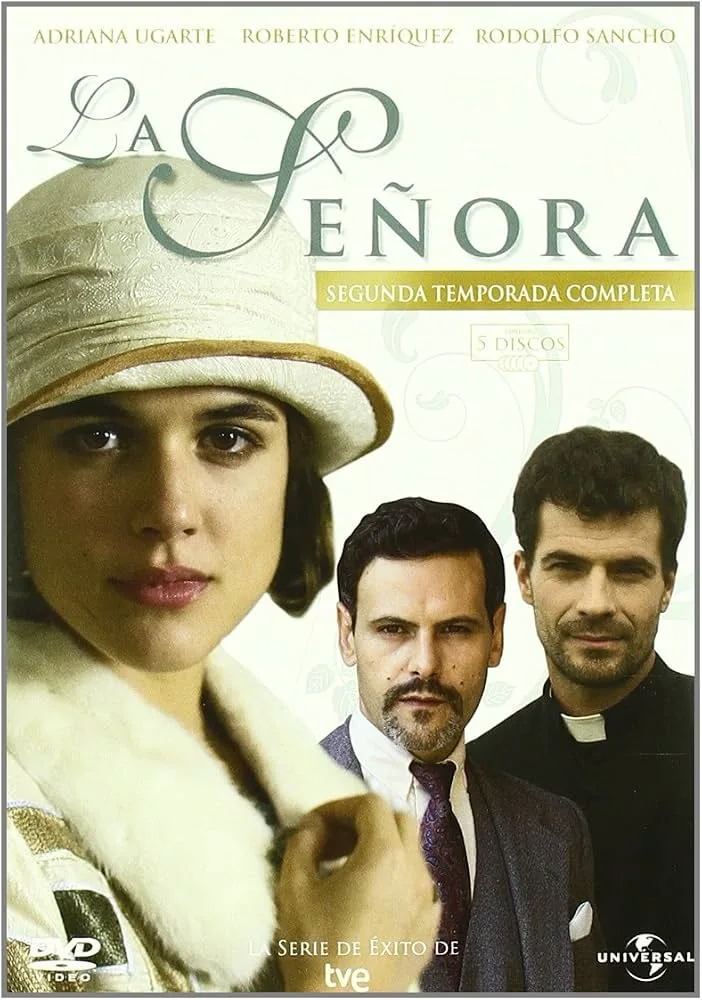
La Señora (2008–2010) is a Spanish period drama created by Virginia Yagüe and produced by Diagonal TV for La 1. Set in a provincial city in northern Spain between the last years of the reign of King Alfonso XIII and the eve of the Second Republic, it follows the long, obstructed love between Victoria Márquez, the daughter of a wealthy industrialist, and Ángel González, a miner's son.
1920s, in Asturias, northern Spain where the difference between the middle class and working class was huge, Victoria Márquez, daughter of a mine's owner fell in love with Angel, son of a worker in her father's minery who was forced to become a priest to help his family and be away from Victoria. But the two never stopped loving each other, even after Victoria had to marry Gonzalo López, Marqués de Castro, the business partner and also murder of her father Ricardo Márquez.
It was a tragic but powerful love story.
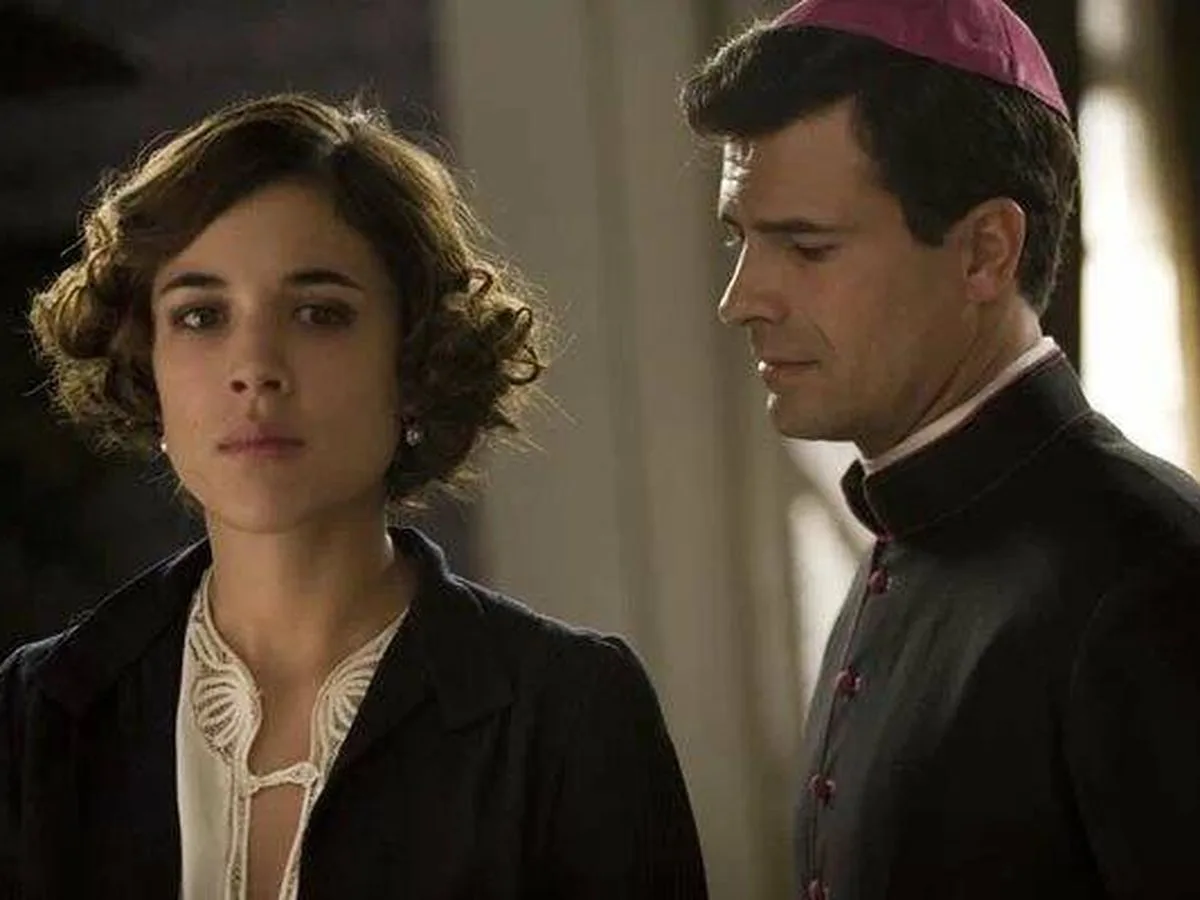
Across three seasons and 39 episodes, the series uses the impossible bond and love story between Victoria Márquez and Ángel González to trace a whole world in slow collapse: mine owners and workers, a self-made marquis and an old aristocracy, a rural Church and its dissenting priest, the daughters of the bourgeoisie and the young women who will become revolutionaries.
Plot
In early 1920s Northern Spain, an small Asturian mining town, social disparities were vast, particularly in rural areas. Victoria Márquez de la Vega and Ángel González Ruiz, two teenagers from completely different social background, fell in love.
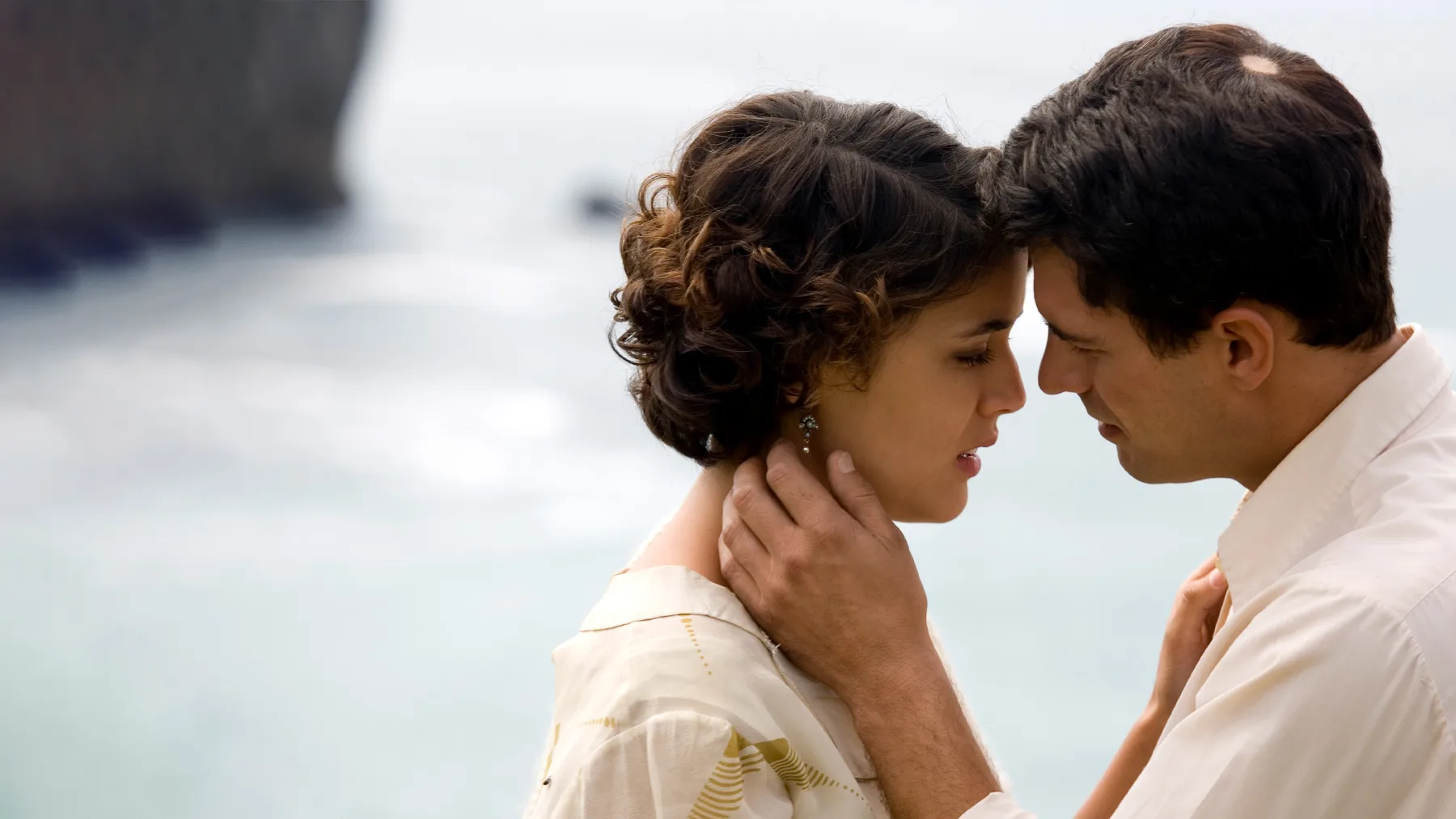
The love story begins in childhood, on the Asturian cliffs above the sea. Victoria Márquez de la Vega and her older brother Pablo Márquez de la Vega are flying a kite, a present from their father Ricardo Márquez; the kite catches on the rocks below, and Victoria climbs down after it and slips. A boy from the village, Ángel González Ruiz, sees her from above, scrambles down and pulls her out of the waves.
She falls in love. She gave him a first kiss. Over the summers that follow, the two children become inseparable: they played hide-and-seek in the woods, and when Ángel suffered an accidental gunshot on the estate of Gonzalo López, Marqués de Castro, Victoria hides him in her house and nurses him through the night.
Neither family will tolerate the sprouting love between the two. Victoria's father Ricardo Márquez sends her to a girls' school in Madrid to put a country between her and the miner's son. Ángel is pushed by his devout mother, Amalia Ruiz, and by the shame of his love for Victoria, into the seminary. They exchange letters and hold on to a secret promise they have made to each other before being forced to separate.
Year 1920. Victoria comes home after five years in Madrid, and her father throws a welcome party for everyone who matters in the city. Among the guests is Gonzalo López, Marqués de Castro, a self-made man married to the sickly Irene de Castro y de la Fuente; Gonzalo is Ricardo's business partner who is quietly determined to swallow the Márquez mine and shipyards.
At the party Victoria hears the news that shocks her. Ángel is a year from ordination.
They meet in secret again. Ángel's older brother Salvador González Ruiz, an anarchist, is arrested after a bomb is thrown at the Márquez house, and Ángel discovers that Gonzalo López is behind the arrest. Gonzalo offers a trade: the marquis will free Salvador if Ángel takes his vows on schedule and stops seeing Victoria.
Ángel accepts. Salvador comes out of prison broken. Hugo de Viana, Victoria's suitor since childhood, challenges Ángel to a duel. Ricardo Márquez begins to understand the cost of doing business with Gonzalo López.
Irene de Castro dies in childbirth with her stillborn son. Her illegitimate half-sister, Catalina de Castro y de la Fuente, in love with Gonzalo López and terrified of him, poisons herself rather than let him kill her. The marquis is free to marry again.
Ricardo Márquez is murdered on Gonzalo's orders. Gonzalo then proposes to Victoria, agrees to marry the marquis, not knowing the truth of her father's death and believing that Ángel has abandoned her. Besides, her family's businesses needs a protector: Her older brother Pablo Márquez is an idealist who does not care wealth, status and the family business.
On the wedding day, Ángel rides for the church too late; Victoria waits at the altar, the priest never arrives, and she is married to Gonzalo López.
The second season opens with Victoria discovering that her husband killed her father. She refuses to share his bed, and Gonzalo turns their marriage into a form of house arrest, using the somatén, the civil militia he himself has organized, to keep Ángel away from her and the miners in line. Victoria is pregnant, and Gonzalo is not sure the child is his.
Ángel is sent to a distant parish. Encarna Alcántara Prieto, the servant girl Pablo Márquez loves, becomes a militant on the side of the workers. The doctor Alejandro courts her and follows her into politics. Alicia Santibáñez, who runs the town's brothel and knows every secret Gonzalo has, becomes Victoria's unlikely ally.
A year passes. The child, a girl, is born and survives, and the doubt about her paternity poisons everything Gonzalo touches. Ángel returns from mission work in a mountain village where he has been nursing the sick, no longer the seminarian Victoria lost but a priest who has seen how the poor actually live.
The third season carries the story to the edge of the Second Republic. Gonzalo López consolidates his hold on the wolfram mines of the region, negotiating with a papal legate for church land. The workers' movement gathers force. Pablo Márquez and Encarna Alcántara live out their politics in the open. Hugo de Viana comes home impotent from the Rif War in Morocco, and his wife Isabelita, Victoria's childhood friend, takes a lover.
Victoria goes down into the mine to see her workers for herself. An explosion tears through the gallery, and a shelf collapses onto her. Ángel reaches her before she dies. She asks him to look after the little girl, and dies in his arms.
Cast
Adriana Ugarte as Victoria Márquez de la Vega
Rodolfo Sancho as Ángel González Ruiz
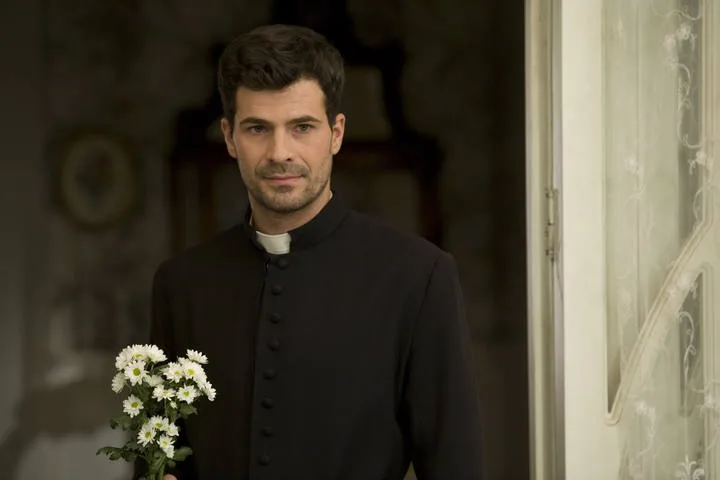
Roberto Enríquez as Gonzalo López, Marqués de Castro
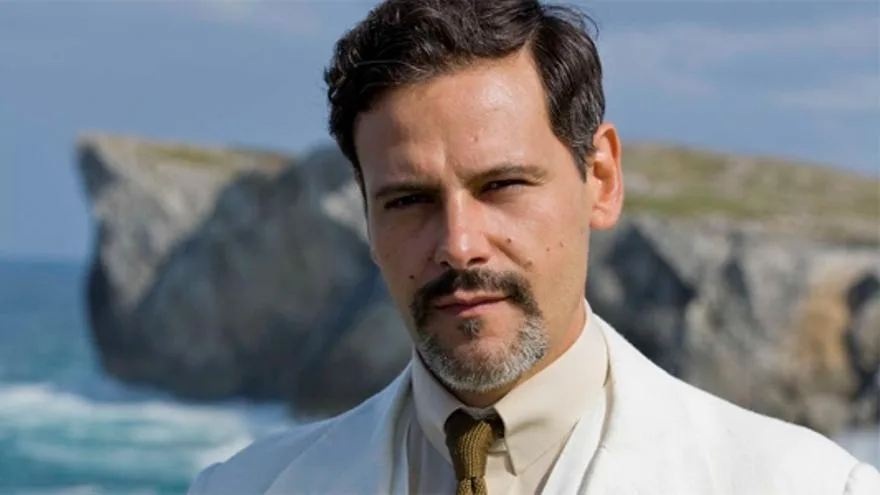
Alberto Jiménez as Ricardo Márquez González
Alberto Ferreiro as Pablo Márquez de la Vega
Lucía Jiménez as Encarna Alcántara Prieto
Raúl Peña as Hugo de Viana
Carolina Lapausa as Isabelita
Ana Turpin as Irene de Castro y de la Fuente
Laura Domínguez as Catalina de Castro y de la Fuente
Raúl Prieto as Salvador González Ruiz
Pepa López as Amalia Ruiz
Ana Wagener as Vicenta Ramírez
Berta Ojea as Adelina
Inma Cuevas as Rosalía
Pepo Oliva as Justo Sanz
Carmen Conesa as Alicia Santibáñez
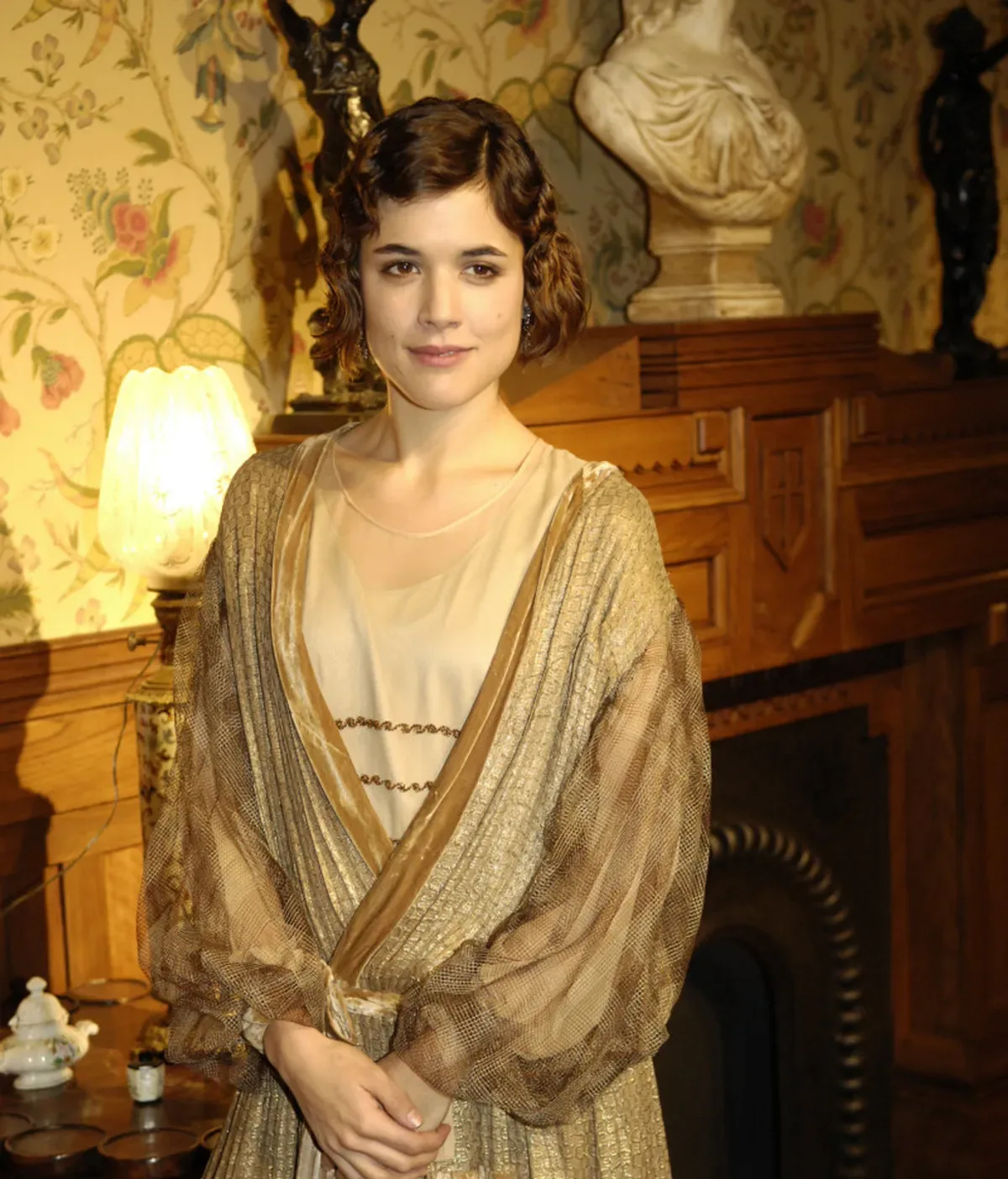
Adriana Ugarte gives Victoria Márquez an unusual balance of refinement and will. Victoria can look entirely at home in the velvet and silk of her family's drawing rooms, and her resistance is often quiet, but the performance never lets elegance become passivity.
Rodolfo Sancho plays Ángel González as a man divided between conviction and desire. His presence is deliberately less polished than Victoria's world, which makes their bond feel less like a decorative romance than a collision between two ways of life.
Roberto Enríquez gives Gonzalo López a formidable, close-lipped authority. He understands that the old order depends on performance as much as power: a controlled voice, a formal dinner, an advantageous marriage, and the ability to make fear appear as common sense.
Alberto Ferreiro's Pablo Márquez and Lucía Jiménez's Encarna Alcántara carry the political thread of the series with genuine heat, neither of them softened for the audience. Carmen Conesa's Alicia Santibáñez, madam of the town brothel and confidante to the marquis, is the series' shrewdest study in survival.
Production
Virginia Yagüe created La Señora as a period drama shaped by the tradition of nineteenth-century Spanish realism, particularly The Regent's Wife (La Regenta, 1884–1885) by Leopoldo Alas "Clarín." The series moves the spirit of that social observation into the 1920s, a moment when inherited privilege still had enormous force but could no longer appear unquestioned.
Diagonal TV filmed on location in Asturias, in the walled town of Sepúlveda in Segovia, and in Navalcarnero outside Madrid. The three settings gave the production the coastline, the mountain-and-mining country, and the provincial-town streetscapes the story needed, without ever leaning on a single postcard city.
The art department researched the architecture of casas de indianos, the grand houses built by Spaniards who returned from the Americas with new fortunes. Art Nouveau and Art Deco references informed the interiors, so that modern decorative tastes sit beside older habits of hierarchy and control.
The costume work follows the same social logic. Hairstyles and headpieces were developed from period photographs, including family albums. The clothing of poorer characters drew on the documentary photography of Martín Santos Yubero; the more prosperous women and men were informed by fashion illustrations from magazines such as Adán, La Moda Práctica, and Blanco y Negro.
Victoria's wardrobe therefore does more than establish a date. Her tailored day dresses, cloche hats, gloves, evening gowns, and carefully finished coats express her position as the wife of a marquis. They also reveal the confinement of that privilege. The clothes offer her beauty, status, and protection, while making every deviation from expected behavior more visible.
Federico Jusid composed a score that keeps close to the characters' private anxieties rather than turning the story into sentimental ornament. Its central love theme, on solo piano and strings, became one of the most recognized pieces of television music in Spain during the years the series ran.
Release/reception
La Señora premiered on La 1 on 6 March 2008 and concluded on 18 January 2010. The first season ran weekly in prime time from March to May 2008, the second from June to November 2009, and the third from November 2009 to January 2010, with each of the three seasons made up of thirteen episodes of around seventy-five minutes each.
The series was a major success for RTVE. Its first season averaged around 3.23 million viewers and an 18.7 percent audience share, its second 3.18 million and 18.1 percent, and its third 4.03 million and 20.3 percent. After the public broadcaster removed advertising from La 1 at the start of 2010, the final episode was watched by more than five million viewers.
Its influence continued after the finale. Diagonal TV and RTVE developed the spin-off 14 de abril. La República (2011–2019), which carried several of the characters and dramatic concerns of La Señora into the years of the Second Republic. The original series remains admired for its romance, its social texture, and the way it makes beauty inseparable from the cost of power.