People
Charles Boyer (28 August 1899 – 26 August 1978)
« C'était l'élégance et la courtoisie personnifiées ». ----Ingrid Bergman dans son autobiographie Ma vie

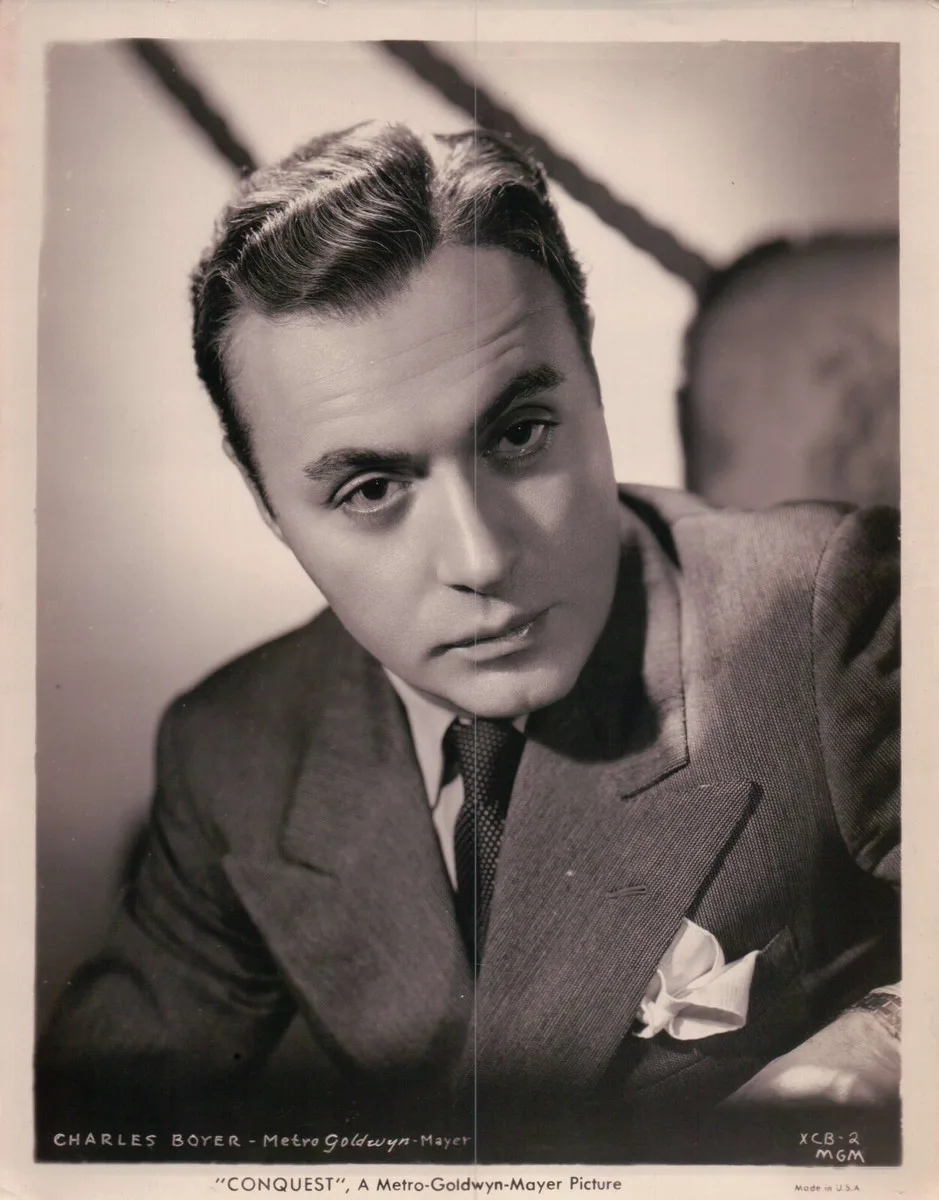
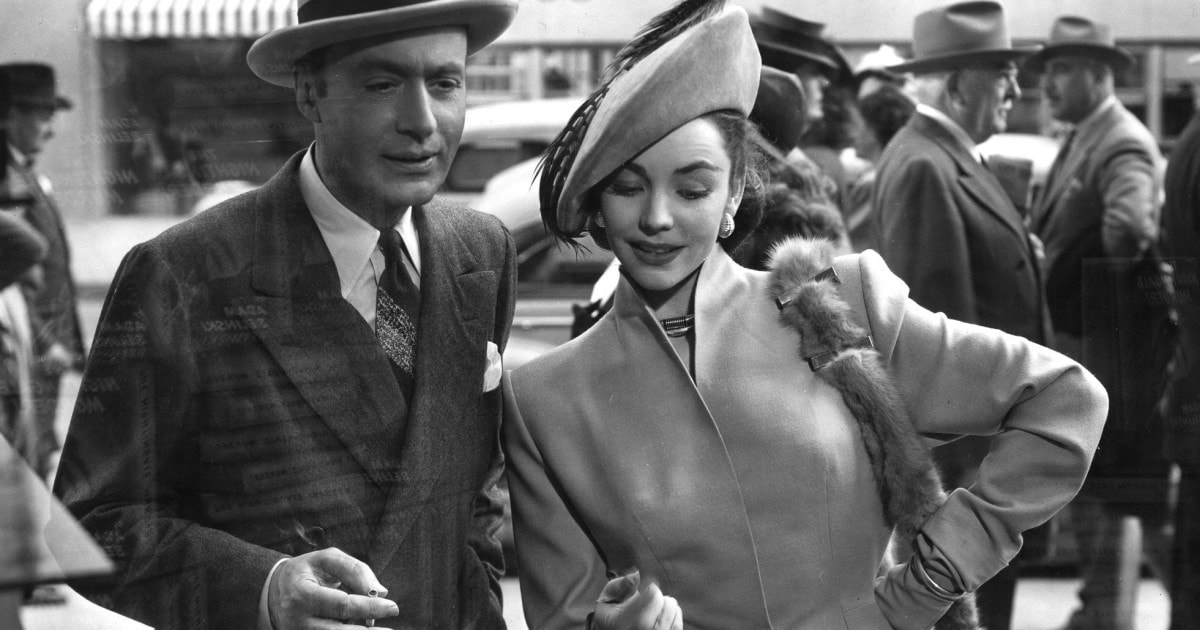
Charles Boyer (28 August 1899 – 26 August 1978) was a French-American actor whose deep voice, restrained manner, and melancholy elegance made him one of cinema's most celebrated romantic leading men. He worked in both French and American films and received four Academy Award nominations for Best Actor. He later became a successful stage performer and television producer.
Biography
Charles Boyer was born on 28 August 1899 in Figeac, a small town in southwestern France. He was the only child of Maurice Boyer, a merchant, and Augustine Louise Durand Boyer.
His father died when Charles was ten. His mother, a keen amateur singer, raised him. The shy boy found his escape in plays and films.
During the First World War, Boyer worked as an orderly at a hospital for wounded soldiers in Figeac. He performed comic sketches for the patients and discovered that a quiet boy could hold a room once he became someone else.
In Paris, Boyer studied philosophy at the Sorbonne and also trained as an actor at the Conservatoire de Paris. His mother had asked him to finish a degree before giving himself fully to the theater.
In 1920, luck arrived with almost theatrical neatness. When the leading actor in Les Jardins de Murcie (play, 1920) fell ill, Boyer was asked to replace him with only hours to prepare.
His excellent memory let him learn the part in time. What began as an emergency became the start of a professional career.
That year, Boyer also appeared in The Man of the Sea (French: L'Homme du large, film, 1920), directed by the French filmmaker Marcel L'Herbier. Silent film could use his dark gaze and calm movement. But it could not capture the quality that would later make him famous: his voice.
Throughout the 1920s, Boyer became a leading man on the Paris stage and kept appearing in French silent films. His stage training gave him clear diction and command of gesture. For the camera, he learned to use less of both.
He began losing his hair early. For screen roles he wore a hairpiece that completed his dark, romantic image. Away from work, he often appeared without it and seemed not to mind.
The arrival of sound changed everything. Boyer's warm baritone, steady rhythm, and French accent could suggest intelligence, secrecy, and desire before the words had fully registered.
Metro-Goldwyn-Mayer brought him to Hollywood in 1929. Boyer spoke no English at first, so he worked on foreign-language versions of American films while he learned the language.
His early years there were uneven. At first he took film roles mostly for the money and found supporting parts dull. He moved back and forth between California and Europe rather than accept every role offered.
His first English-speaking role came in a small part in The Magnificent Lie (film, 1931), made by Paramount and directed by the Austrian filmmaker Berthold Viertel.
Next, Boyer played a small part opposite the American actress Jean Harlow in Red-Headed Woman (film, 1932). The role was minor, but his calm manner and accent made a sharp contrast with Harlow's bright, aggressive modernity.
In early 1934, Boyer returned to Hollywood to make Caravan (film, 1934), opposite the American actress Loretta Young.
Around that time, his lifelong friend, the French actor and singer Maurice Chevalier, persuaded him to attend a dinner party at Fox Studios. There Boyer met the English actress Pat Paterson. He later described it as love at first sight.
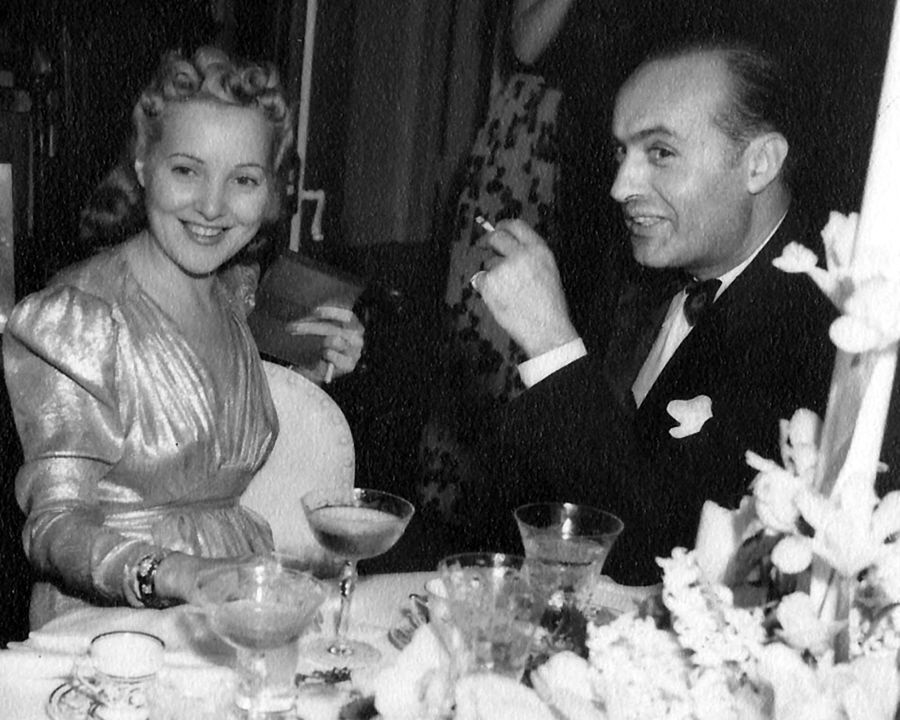
Charles Boyer and his wife Pat Paterson
Charles Boyer and Pat Paterson married in Yuma, Arizona, on 14 February 1934, Valentine's Day.
Their marriage would last forty-four years. Behind Boyer's public image as the lover of countless screen heroines stood a private life with one woman, carefully protected from Hollywood publicity.
Later that year, Boyer returned to France to play the title role in Liliom (film, 1934), directed by the Austrian-born filmmaker Fritz Lang. Boyer's performance mixed charm with cruelty and restlessness. It showed that his romantic appeal could carry unease beneath its polish.
In Happiness (French: Le Bonheur, film, 1934), again directed by Marcel L'Herbier, he played an anarchist who shoots a famous actress and then becomes emotionally tangled with her. The film drew on his ability to make danger seem thoughtful rather than loud.
Boyer's breakthrough in American cinema came with Private Worlds (film, 1935), opposite the French-born American actress Claudette Colbert. As a psychiatrist whose reserve slowly gives way to feeling, he made restraint itself look romantic.
His acting depended on control. Boyer rarely pursued a woman with physical force. He lowered his voice, held a pause, and let attention feel more intimate than display.
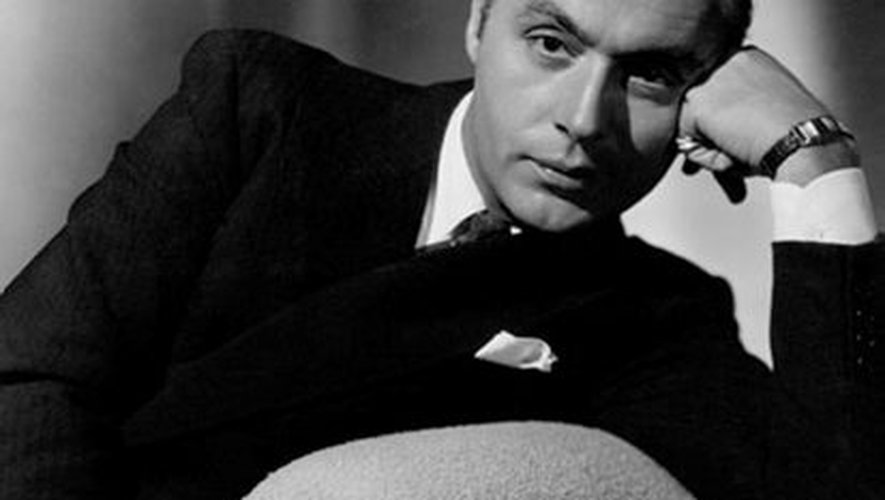
The same control shaped his look. He was not tall, but well-cut double-breasted suits, broad overcoats, high-waisted trousers, and perfect evening clothes lengthened his line and gave him authority.
Boyer wore formal dress without stiffness. A soft shirt collar, a hand resting in a pocket, or a slight forward tilt of the head kept his elegance from feeling distant.
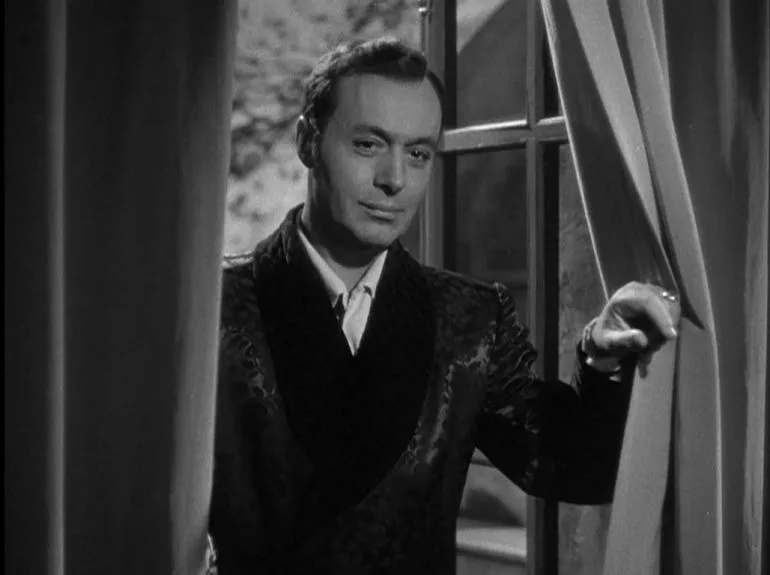
International stardom came with Mayerling (film, 1936), directed by the Russian-born French filmmaker Anatole Litvak. Boyer played Crown Prince Rudolf of Austria, opposite the French actress Danielle Darrieux as Baroness Mary Vetsera.
The film surrounded him with uniforms, polished boots, braided coats, and formal evening dress. Yet his performance showed a man tired beneath the ceremony, a prince trapped by the beauty and discipline of his own world.
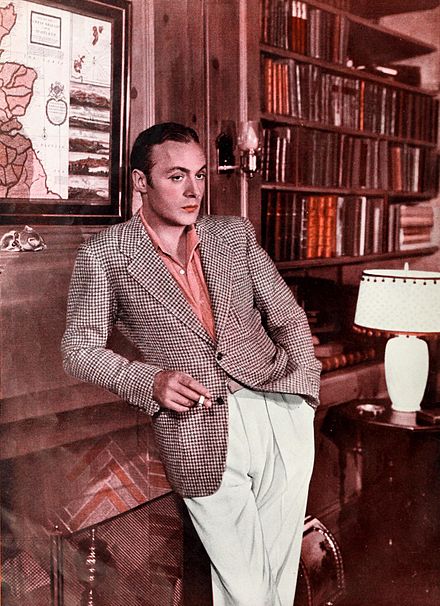
In The Garden of Allah (film, 1936), Boyer appeared opposite the German-American actress Marlene Dietrich as a monk who has fled his vows. Robes, desert light, and Dietrich's elaborate veils made the film rich to look at, while Boyer's inner tension gave its romance a troubled heart.
He showed a lighter touch in History Is Made at Night (film, 1937), opposite the American actress Jean Arthur. As a Parisian headwaiter who falls in love with a woman trapped in a possessive marriage, Boyer mixed polish with warmth and comedy.
In Conquest (film, 1937), he played Napoleon Bonaparte opposite the Swedish-American actress Greta Garbo as the Polish countess Marie Walewska. Boyer did not play Napoleon as a hero on a grand scale. He made him watchful, private, and open to tenderness.
The performance brought Boyer his first Academy Award nomination for Best Actor. It also showed how well he used costume and voice: military coats and decorations showed public command, while his softened voice revealed the lonely man beneath them.
Boyer next took on a role closely linked to the French actor Jean Gabin. He played the fugitive thief Pépé le Moko in Algiers (film, 1938), an English-language remake of Pépé le Moko (film, 1937). Trapped in the maze of the Casbah, Pépé is powerful inside his hiding place but ruined by longing for the world outside.

Charles Boyer with Sigrid Gurie and Hedy Lamarr in film Algiers (1938)
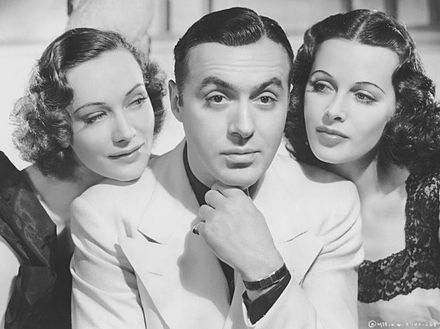
Opposite the Austrian-American actress Hedy Lamarr, Boyer made desire and homesickness feel like one feeling. His Pépé was elegant even in an open-necked shirt and loose jacket, but the elegance was worn, nocturnal, and fatalistic.
Algiers brought Boyer a second Academy Award nomination for Best Actor. It also attached a phrase to him that he never spoke: “Come with me to the Casbah.”
Impressionists and cartoons repeated that line until it became more famous than much of his real dialogue. The American animator Chuck Jones even based the cartoon skunk Pepé Le Pew on Boyer's best-known performance.
Boyer disliked the caricature because it reduced a disciplined performance to an accent and a seduction.
“In America, when you have an accent, in the mind of the people they associate you with kissing hands and being gallant,” he later observed. The stereotype made him famous, but it also hid the irony, intelligence, and occasional menace of his work.
In Love Affair (film, 1939), directed by the American filmmaker Leo McCarey, Boyer played the French painter Michel Marnet opposite the American actress Irene Dunne. Their characters meet aboard an ocean liner, fall in love, and promise to meet again at the Empire State Building once they have put their lives in order.
Boyer and Dunne made the romance believable through humor and hesitation rather than grand speeches. Their conversations feel like feelings being discovered as they speak, with each actor listening closely enough to change the mood of a scene.
Michel's clothes matched the performance: dark suits, a navy blazer, easy overcoats, and flawless evening dress. They showed a man used to luxury, while Boyer's self-mocking smile kept him from looking merely decorative.
In September 1939, France declared war on Germany while Boyer was filming in Nice. He joined the French Army. By November, he had been discharged, because the French government believed he could serve his country better by making films in Hollywood.
Boyer then appeared opposite the American actress Bette Davis in All This, and Heaven Too (film, 1940). As Charles de Praslin, a French duke caught between a cold marriage and his children's governess, Boyer gave aristocratic courtesy a current of desperation.

He continued with Back Street (film, 1941), opposite the American actress Margaret Sullavan, and Hold Back the Dawn (film, 1941), opposite the British-American actress Olivia de Havilland. In both films, his charm was not always a sign of goodness. It could also wound other people.
During these years, Boyer founded the French Research Foundation in Los Angeles. It gave the film industry a reliable source of information about French history and culture.
Boyer became an American citizen in 1942 while remaining deeply French. His life was now truly transatlantic: French in memory, manner, and artistic training, but rooted in the country where his marriage and career had grown.
Charles Boyer and Pat Paterson welcomed their only child, Michael Charles Boyer, on 9 December 1943. Boyer protected his family life from publicity.
That year, the Academy of Motion Picture Arts and Sciences gave Boyer an honorary award for establishing the French Research Foundation. The honor recognized not a performance, but the use of his fame to help show France truthfully on screen.
In The Constant Nymph (film, 1943), Boyer played a composer opposite the British-American actress Joan Fontaine. His character's emotional blindness let Boyer suggest selfishness without losing the audience's interest.
His most unsettling performance came in Gaslight (film, 1944), directed by the American filmmaker George Cukor. Boyer played Gregory Anton, a husband who slowly convinces his wife Paula, played by the Swedish actress Ingrid Bergman, that she is losing her mind.
The qualities that had made Boyer a romantic idol became tools of control. The low voice soothed before it threatened. The attentive gaze searched for weakness. The beautiful manners hid calculation.
Boyer resisted obvious villainy. Gregory's cruelty is most frightening when it is calm and patient, and the performance showed how easily good manners could become a weapon.
Gaslight brought him a third Academy Award nomination for Best Actor. It also widened his screen identity beyond the tragic lover, proving that the tenderness audiences expected from him could be turned inside out without changing its surface.
Boyer returned to wartime intrigue in Confidential Agent (film, 1945), opposite the American actress Lauren Bacall. In Cluny Brown (film, 1946), directed by the German-born American filmmaker Ernst Lubitsch, he swapped romantic seriousness for light, civilized comedy.
As Adam Belinski in Cluny Brown, Boyer played a refugee intellectual who watches English society with amused distance. His timing was light, his courtly manner gently mocking, and his elegance part of the joke rather than its target.
After the war, the roles changed. Arch of Triumph (film, 1948), opposite Ingrid Bergman, tried to restore the full scale of his romantic image. But it failed at the box office, and Boyer was no longer the star he had been.
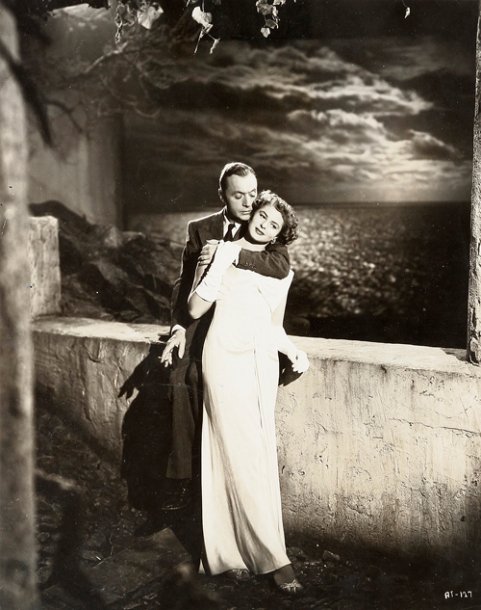
Boyer did not cling to youth. In 1948, he made his Broadway debut in Red Gloves (play, 1948). He gradually accepted parts that relied on age, intelligence, and experience rather than leading-man looks.
In 1951, he joined the British actor and director Charles Laughton, the English actor Cedric Hardwicke, and the American actress Agnes Moorehead in Don Juan in Hell (stage reading, 1951). It was drawn from the third act of Man and Superman (play, 1903) by the Irish playwright George Bernard Shaw.
Four performers stood behind lecterns with almost no scenery. Boyer's voice, once treated as a romantic extra, now had to carry wit, philosophy, and argument without help from the camera.
His performance as Don Juan earned him a Special Tony Award in 1952. The production was a critical success.
At the same time, Boyer helped found Four Star Productions with the American actor Dick Powell and the British actor David Niven.
Four Star Playhouse (television series, 1952–1956) presented established stars in self-contained stories. Boyer acted in many episodes and also shared in the business decisions behind the camera.
The venture became highly successful. It also showed an unexpectedly practical side of a man usually imagined in candlelight, evening clothes, and whispered declarations.
Boyer returned to French cinema for The Earrings of Madame de… (French: Madame de…, film, 1953), directed by the German-born French filmmaker Max Ophüls. He played General André de…, the husband of Darrieux's elegant and emotionally reckless countess.
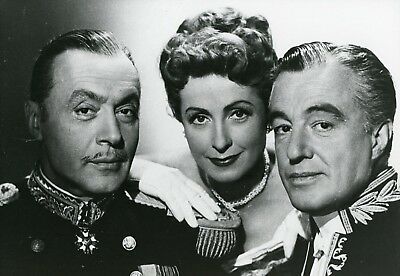
The film's world is made of silk gowns, military uniforms, chandeliers, jewels, mirrors, and gliding movement. Boyer fits its polish perfectly, yet his finest moments come when social mastery can no longer hold back pain.
His general loves his wife more deeply than either of them has admitted. Boyer lets this knowledge show slowly, as a courteous marriage darkens into jealousy and grief without breaking the character's formal calm.
As he aged, his screen wardrobe grew softer. Gray at the temples, he wore dark suits, velvet dinner jackets, silk dressing gowns, and well-cut overcoats with the ease of a man who no longer needed clothes to create authority.
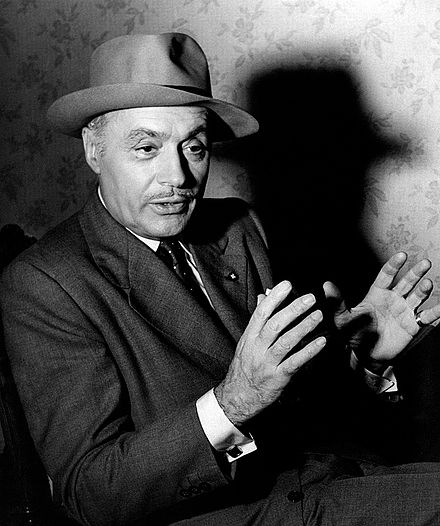
Off screen, Boyer was less theatrical. He read widely, preferred quiet company, and could appear in public without the hairpiece that had completed his youthful screen image.
In 1956, he played the balloonist Monsieur Gasse in Around the World in 80 Days (film, 1956), directed by the English filmmaker Michael Anderson. That year, he also appeared as himself in an episode of I Love Lucy (television series, 1951–1957), where the American comedian Lucille Ball turned his romantic reputation into broad comedy.
Boyer's willingness to laugh at himself kept him from becoming a relic. The famous accent, solemn gaze, and hand-kissing gallantry could now be exaggerated, because he had already proved how much more he could do.
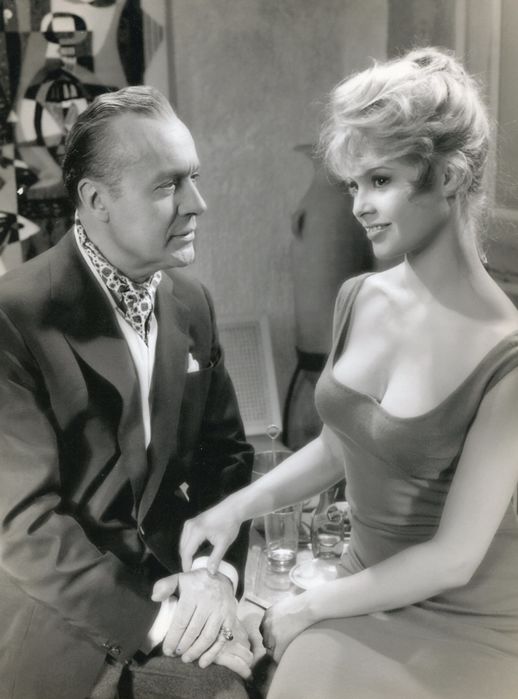
In Fanny (film, 1961), he played César, the warm, stubborn father of Marius, played by the German actor Horst Buchholz. The French-American actress Leslie Caron played Fanny, and Maurice Chevalier played Panisse.
César gave Boyer a role full of fatherly feeling, humor, and wounded pride. It brought him his fourth Academy Award nomination for Best Actor, twenty-four years after his first.
He returned to Broadway in Lord Pengo (play, 1962), playing an art expert in a world of dealers and collectors. Boyer received a Tony Award nomination for Best Actor in 1963.
On television, he joined David Niven and the American actor Gig Young in The Rogues (television series, 1964–1965). The three played members of an international family of elegant con men.
The series drew knowingly on Boyer's mature image. Tailored suits, dinner jackets, polished shoes, and continental manners became tools of deception, but his light touch kept the elegance from feeling dusty.
On 23 September 1965, Boyer's only child, Michael Charles Boyer, died at the age of twenty-one from a gunshot wound at the family home in Los Angeles. The death was reported as a suicide.
The loss devastated both parents and permanently changed the atmosphere of their life together. Boyer kept working, but he chose his roles with more care.
In How to Steal a Million (film, 1966), a comic art-theft caper starring the British actress Audrey Hepburn, Boyer played De Solnay.
That year, he also had a small part in Is Paris Burning? (French: Paris brûle-t-il?, film, 1966), directed by the French filmmaker René Clément. The film's large international cast told the story of the liberation of Paris, and it took Boyer back to the wartime history he had known from both sides of the Atlantic.
In Barefoot in the Park (film, 1967), adapted from the play by the American playwright Neil Simon, he played the worldly neighbor Victor Velasco opposite the American actress Mildred Natwick. The young couple were played by the American actors Jane Fonda and Robert Redford.
Victor's gallant manner gently exaggerated the Boyer image. He remained charming because he treated age not as an embarrassment, but as another source of comedy and freedom.
Boyer worked less often in the following years. He and Pat Paterson eventually spent much of their time in Paradise Valley, Arizona, away from the daily machinery of Hollywood.
He returned to major French filmmaking in Stavisky (film, 1974), directed by the French filmmaker Alain Resnais. Boyer played Baron Jean Raoul, a noble friend of the charming swindler Serge Alexandre Stavisky, played by the French actor Jean-Paul Belmondo. The performance won him the New York Film Critics Circle Award for Best Supporting Actor.
The role used everything age had given Boyer: delicacy, irony, tiredness, and an understanding of compromised elegance. He no longer needed to dominate a scene. A measured glance could suggest an entire vanished social order.
His final film was A Matter of Time (film, 1976), directed by the American filmmaker Vincente Minnelli. It brought him together again with Ingrid Bergman, more than thirty years after Gaslight, in a story about memory, glamour, and decline.
By then, Boyer had appeared in more than eighty films across six decades. He had moved from French silent cinema to Hollywood romance, radio, Broadway, television production, comedy, and late European art film, without losing the control he first learned on the Paris stage.
In 1977, Pat Paterson was diagnosed with cancer. Boyer stepped back from work and devoted himself to her care.
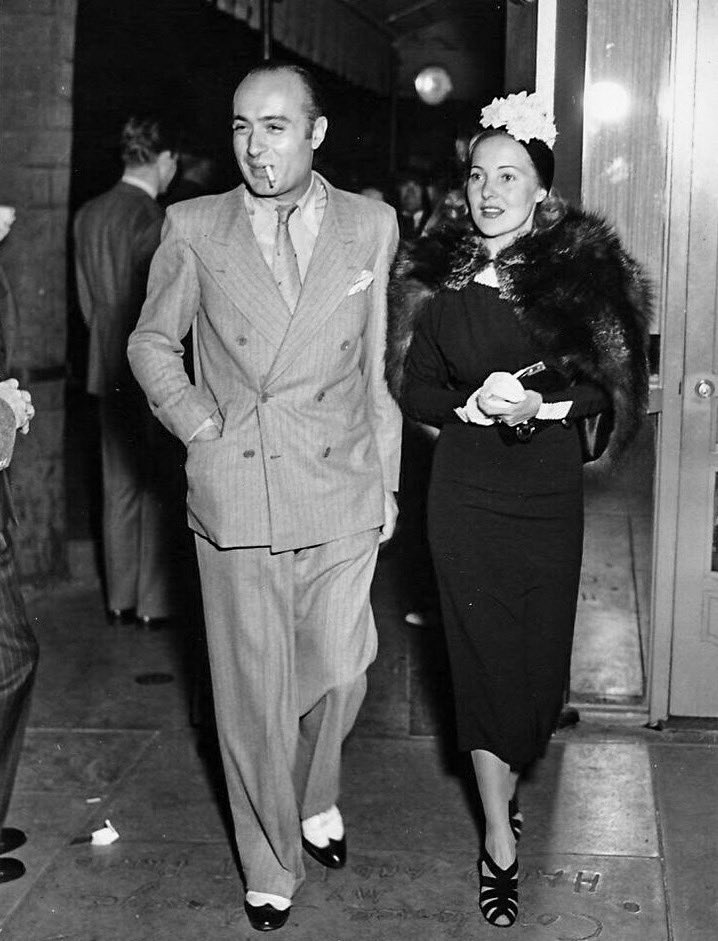
Pat Paterson died on 24 August 1978. She and Charles Boyer had been married for forty-four years.
Two days later, on 26 August, Boyer took his own life with an overdose of barbiturates at a friend's home in Arizona. He was taken to a hospital in Phoenix, where he died, two days before his seventy-ninth birthday.
Charles Boyer was buried beside his wife Pat Paterson and his son Michael Charles Boyer at Holy Cross Cemetery in Culver City, California.
The screen lover was only one part of him, but it was a role he shaped with rare intelligence. He understood that seduction could lie in attention, stillness, and a sentence spoken as if no one else were meant to hear it.
His elegance worked in the same way. It did not depend on height, youth, or display, but on proportion, restraint, and complete ease in beautifully made clothes.
Boyer's imitators remembered the accent and an invitation to the Casbah that he never gave. His finest performances keep something subtler: melancholy within charm, danger within courtesy, and feeling held so carefully that its release becomes unforgettable.