People
John Singer Sargent ( 12 January, 1856 – 14 April 1925)
John Singer Sargent (12 January 1856 – 14 April 1925) was an American expatriate artist, widely regarded as the leading portrait painter of his generation, celebrated for his renderings of Belle Époque and Edwardian-era elegance. Born in Florence to American parents, he trained in Paris and worked chiefly out of London, producing roughly 900 oil paintings and more than 2,000 watercolors over his career. He is best known for Portrait of Madame X (1884), whose scandalous reception at the Paris Salon persuaded him to leave France for England.
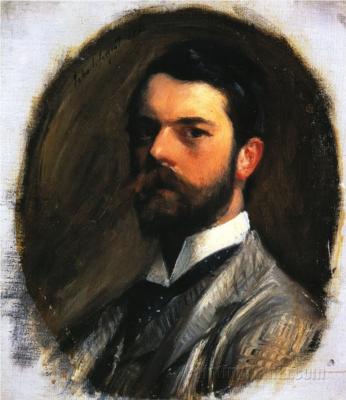
Biography of John Singer Sargent
John Singer Sargent was born in Florence on 12 January 1856, the first surviving child of Fitzwilliam Sargent, a Philadelphia surgeon, and Mary Newbold Singer. His parents had left the United States for Europe in 1854 and never really settled again: the family drifted by season, wintering in Nice, Rome, or Florence and summering in the Alps, never staying anywhere long enough for Sargent to attend a regular school.
His education came largely from his mother, an amateur watercolorist who tutored him and his sister Emily at home, taking them to a museum or historic site nearly every day and setting them to sketch what they saw. When he was about ten, the family befriended a young writer named Violet Paget — better known by her pen name, Vernon Lee — who became a lifelong friend and one of the most valuable witnesses to his early years.
Formal instruction began in Rome in 1869 and continued at the Accademia di Belle Arti in Florence, but it was Paris, where the family moved in 1874, that shaped him. Sargent enrolled in the studio of the portraitist Carolus-Duran, whose loose, direct brushwork — paint straight onto the canvas, with no cautious underdrawing — became the foundation of Sargent's own technique.
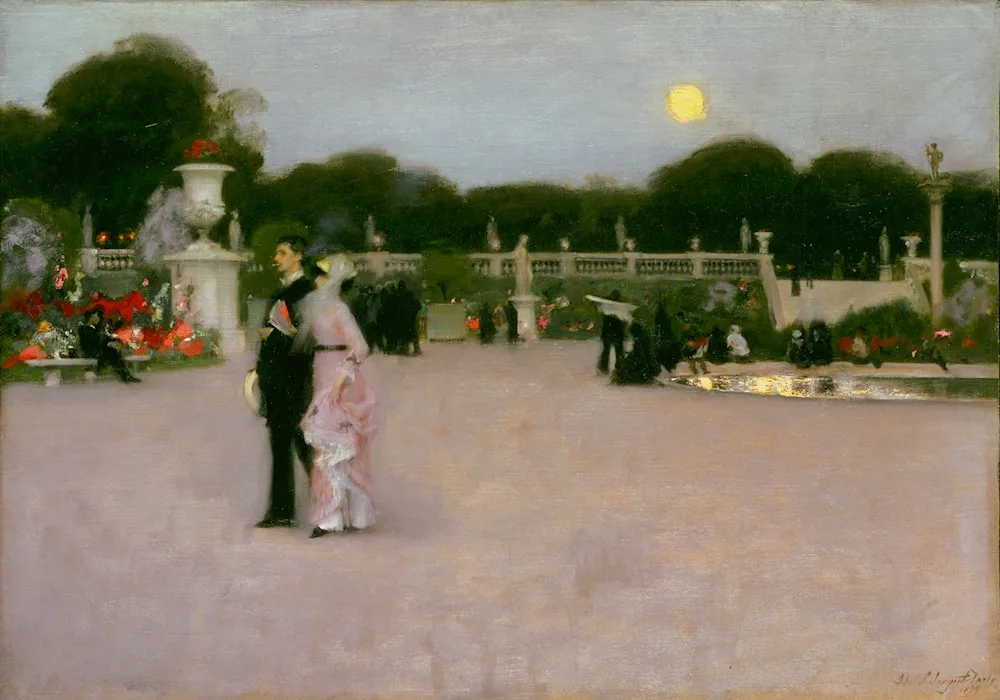
By his mid-twenties, Sargent had a real reputation in Paris, chiefly for fashionable full-length portraits of society women, including Madame Édouard Pailleron (1880) and Madame Ramón Subercaseaux (1881). He was, by then, exactly the kind of painter wealthy and beautiful people wanted painting them.
In 1883 he set his sights on Virginie Amélie Avegno Gautreau, a Louisiana-born beauty married to a much older French banker, celebrated in Paris for her lavender-pale, henna-lit skin and her severe personal style. Sargent had not been commissioned to paint her — he had asked, more than once, before she agreed.
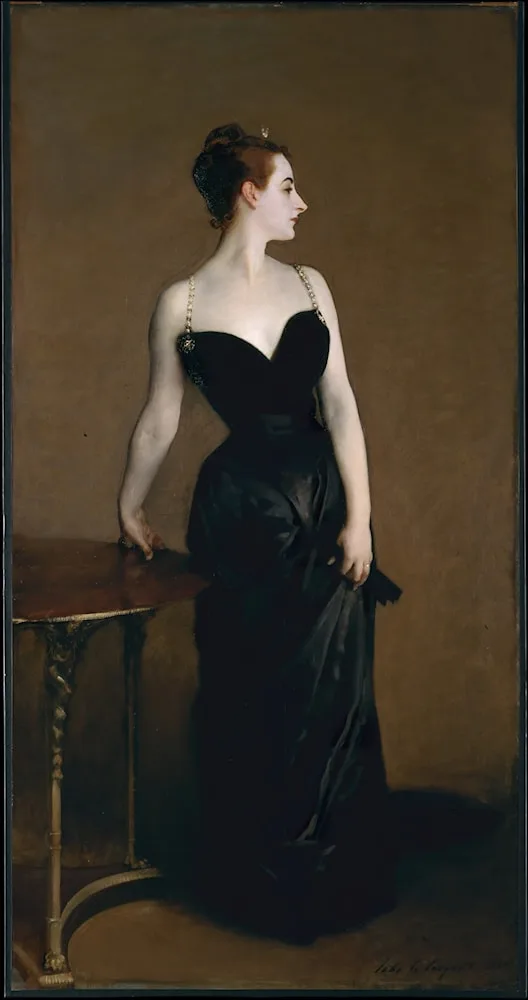
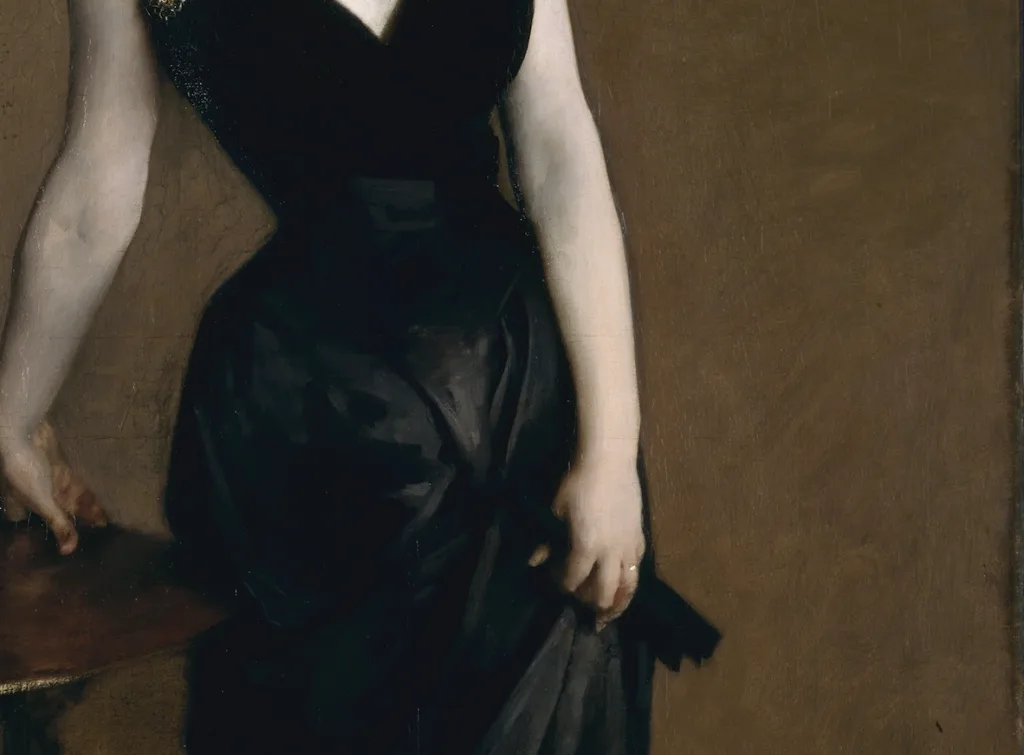
The finished portrait, exhibited at the 1884 Salon simply as *Portrait of Madame ***, showed Gautreau in profile in a black satin gown, one bejeweled strap slipping off her shoulder. In the visual language of the time, the fallen strap read as an open invitation, and Paris reacted accordingly: critics called it grotesque, Gautreau's mother begged Sargent to withdraw it, and the sitter's reputation — along with Sargent's — took a real beating. He refused to pull the painting, but did quietly repaint the strap back onto her shoulder before the Salon closed.
The affair unsettled Sargent badly enough that he left Paris for London within the year, taking the unsold canvas — which he privately considered among his finest work — with him. He kept it in his studio for more than three decades before selling it to the Metropolitan Museum of Art in 1916 for $1,000, on the condition that the museum not publish the sitter's name; by then, Gautreau had been dead a year. "I suppose it is the best thing I have done," he told the museum.
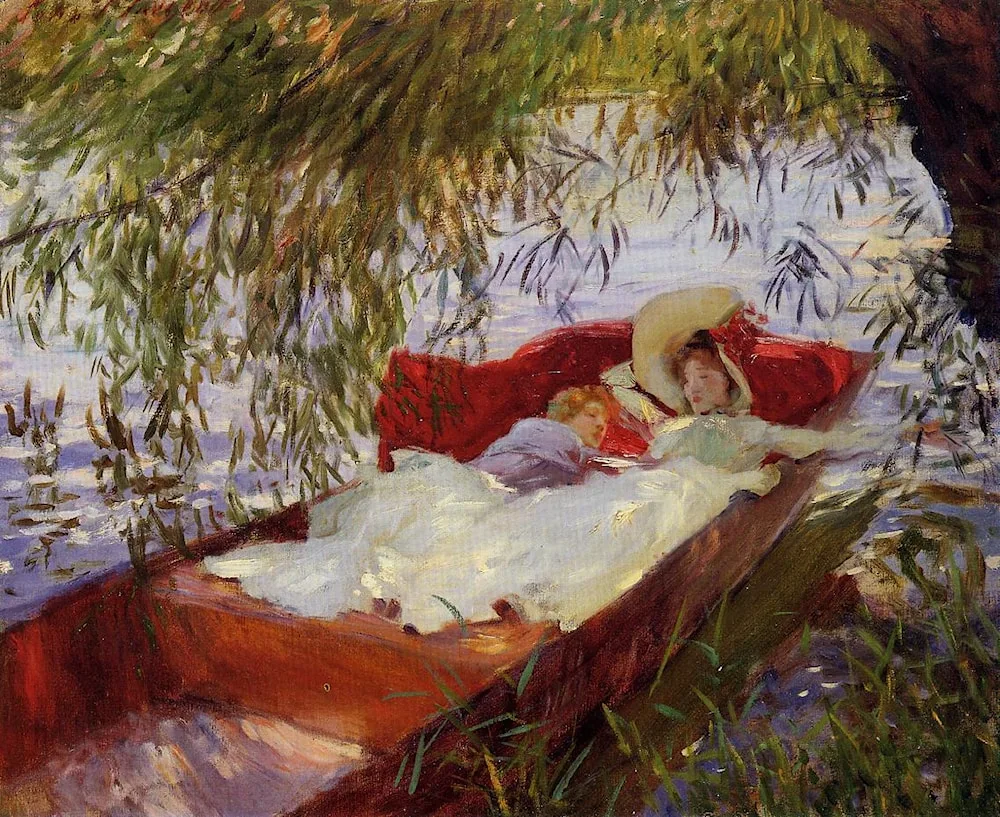
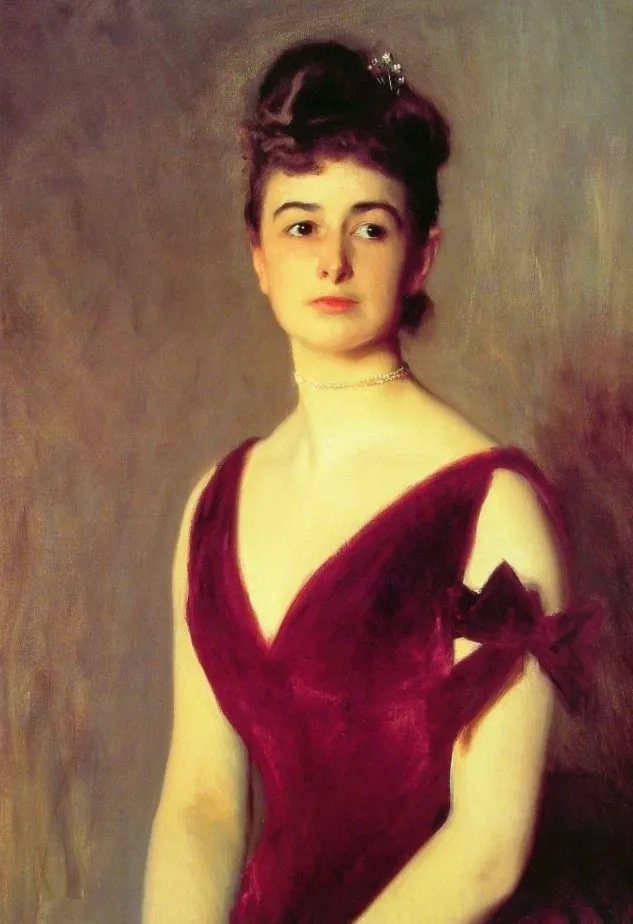
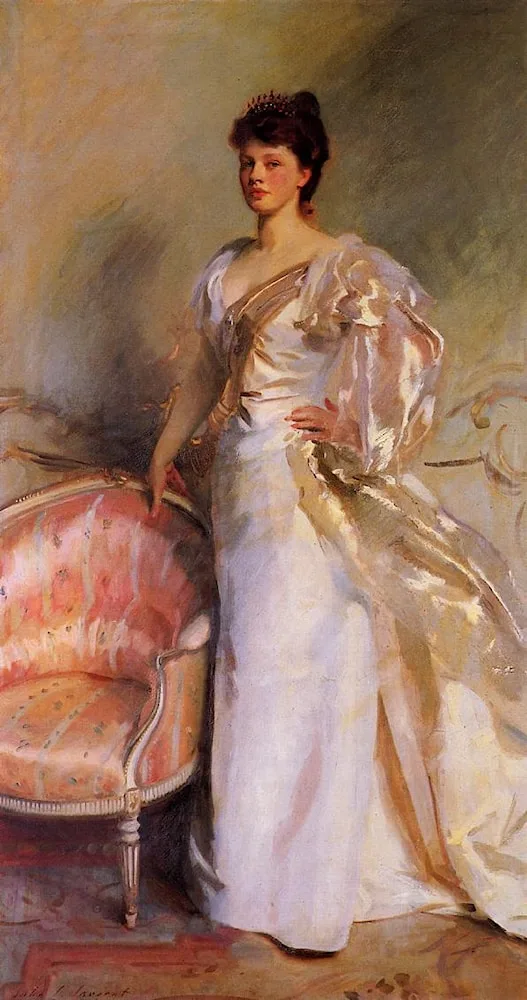
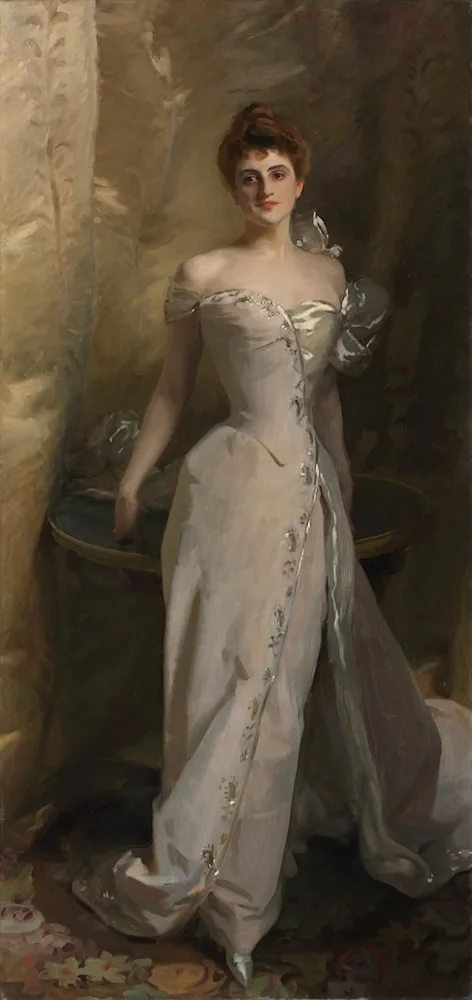
In London, Sargent built exactly the career Paris had briefly threatened to deny him, becoming the preferred portraitist of Edwardian high society: politicians, art dealers, aristocrats, and the merely rich all sat for him, among them the twelve members of one family, the Wertheimers, painted over several years in what became his largest private commission.
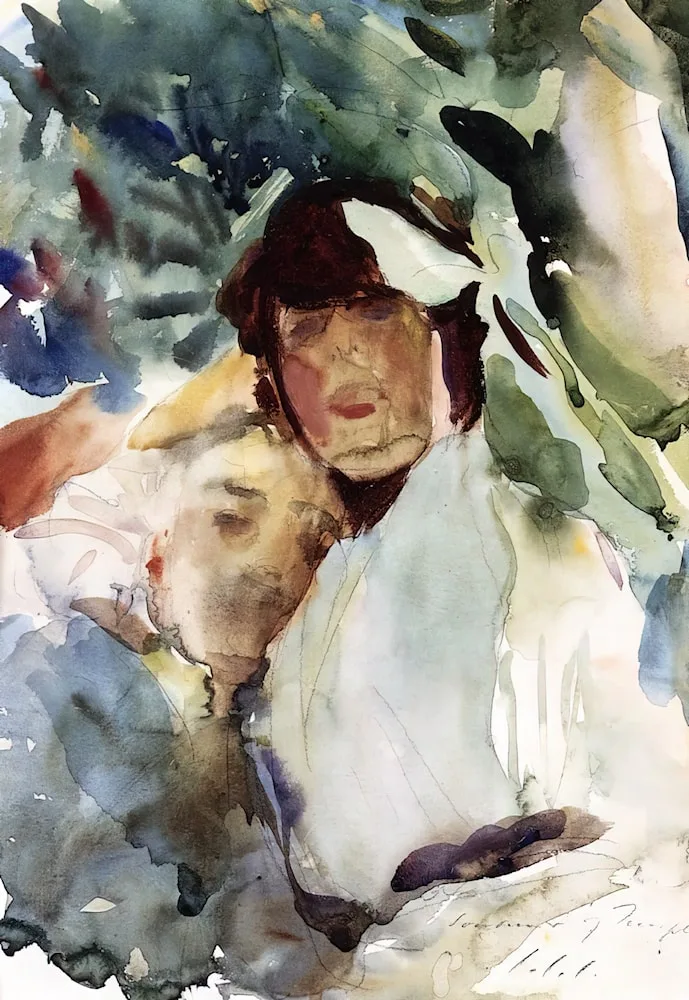
John Singer Sargent, however, came to resent the trade even as he mastered it. "Every time I paint a portrait I lose a friend," he said, and later, more bluntly: "I hate to paint portraits. I hope never to paint another portrait in my life."
In 1907, at fifty-one, he largely made good on the complaint, stepping back from commissioned oil portraits — though he went on drawing friends and sitters in charcoal for years afterward, plainly relieved to have found a lighter version of the same work.
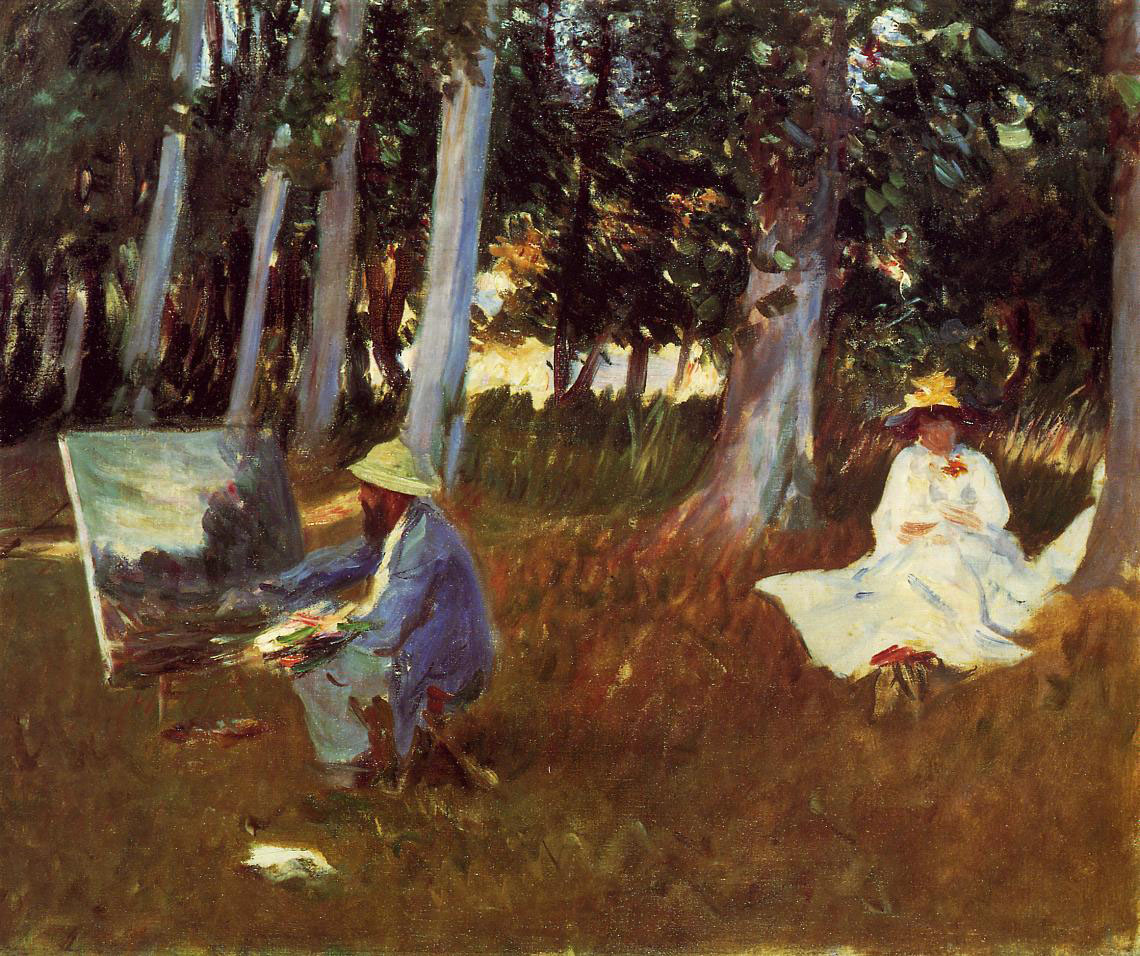
Free of easel portraiture, Sargent gave himself over to watercolor and landscape, painting alongside Claude Monet at Giverny and filling sketchbooks on his travels through Spain, Venice, and the Alps.
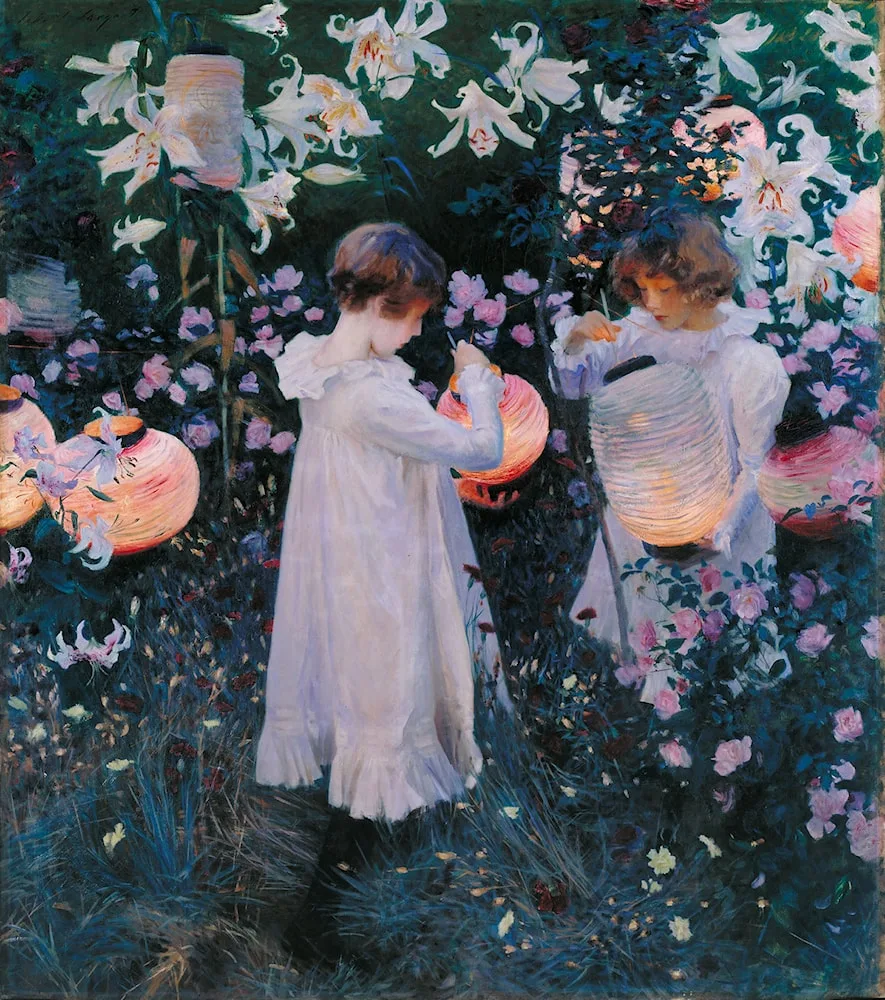
For Carnation, Lily, Lily, Rose (1885–86), a twilight garden scene of two young girls lighting Chinese lanterns, he worked outdoors for only the few minutes each evening when the light matched what he needed — across two entire summers, to finish one canvas.
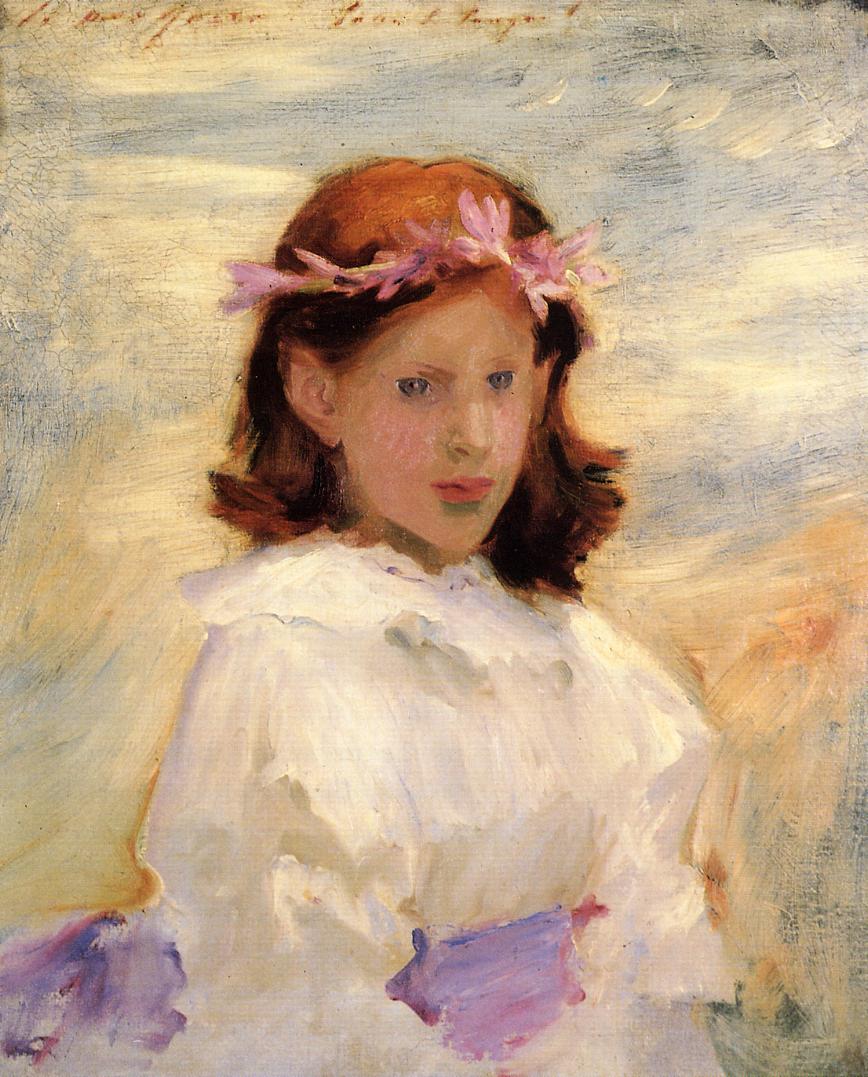
The unrivaled recorder of male power and female beauty in a day that, like ours, paid excessive court to both."
- Robert Hughes
He never gave up his American citizenship, despite living most of his adult life in England — he is said to have turned down a British knighthood rather than surrender it — and spent much of his later career on an enormous, decades-long mural commission for the Boston Public Library, along with further murals for the Museum of Fine Arts, Boston.
In 1918, in his sixties, Sargent traveled to the Western Front at the British government's request to document the war. What he saw near Arras — a line of soldiers blinded by mustard gas, each with a hand on the shoulder of the man ahead, being led toward a dressing station — became Gassed (1919), a nearly twenty-foot frieze of a painting and one of the starkest images produced under the war's official art program.
Sargent never married, and his private life outside a small circle of close friends and family is thinly documented. Some historians have since speculated about romantic attachments to male friends or models, based on surviving drawings and letters; nothing has ever been confirmed, and Sargent himself left almost nothing on the subject in his own hand.
He died in London on 14 April 1925, at sixty-nine, on the eve of a planned voyage back to the United States for the unveiling of his final library murals. He left behind roughly nine hundred oil paintings and more than two thousand watercolors.
Madame X, the painting that once nearly ended his career, long ago overtook everything else he made in fame. More than a century after the Salon scandal, at the 2026 Met Gala, four different guests independently arrived dressed as homages to it — one of them, deliberately, with the strap slipped back off the shoulder, exactly as Sargent had first dared to paint it, and exactly as Paris had once forced him to take back.