People
Ava Gardner (born Ava Lavinia Gardner; 24 December 1922 – 25 January 1990)
"Hubo un tiempo, alrededor de los años 60 del siglo pasado, en que las noches de Madrid olían a Ava Gardner." ("There was a time, around the 1960s, when the nights of Madrid smelled of Ava Gardner.") Manuel Vicent, Spanish writer
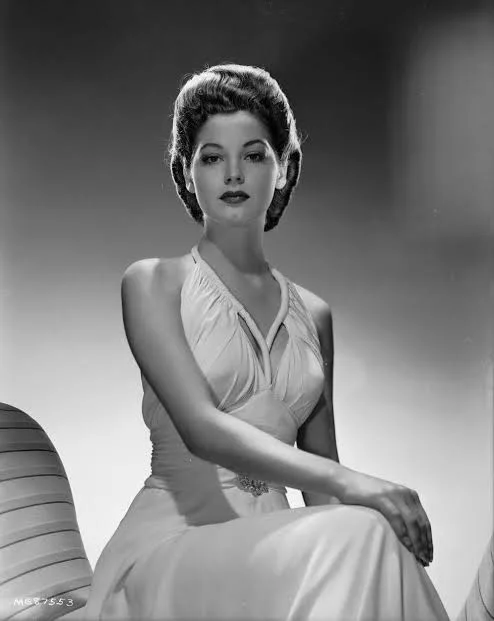
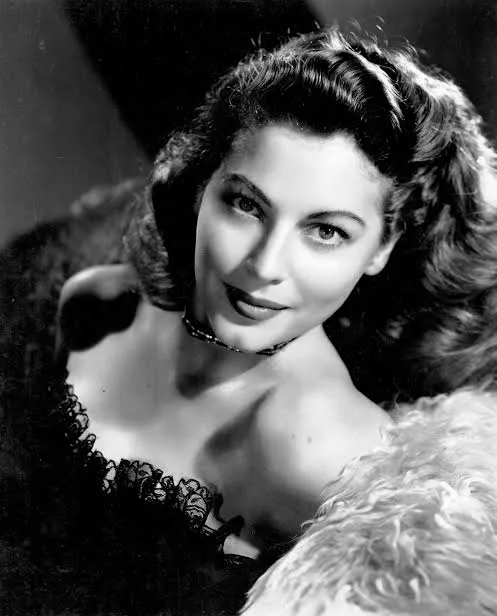
Biography
Ava Lavinia Gardner was born on 24 December 1922 in Grabtown, North Carolina. She was the youngest of seven children.
Her father, Jonas Gardner, was an American farmer who also ran a sawmill and a country store. Her mother, Molly Gardner, was a devout Baptist.
The Depression took the family's land. In 1931 they moved to Newport News, Virginia, where Molly ran a boarding house for shipyard workers.
Jonas died of bronchitis in 1938, when Ava was fifteen. The family returned to North Carolina, to Rock Ridge near Wilson, where Molly ran another boarding house.
Ava graduated from high school in 1939. At school she wore hand-me-down clothes, and classmates teased her for it.
She then spent about a year in secretarial classes at Atlantic Christian College in Wilson.
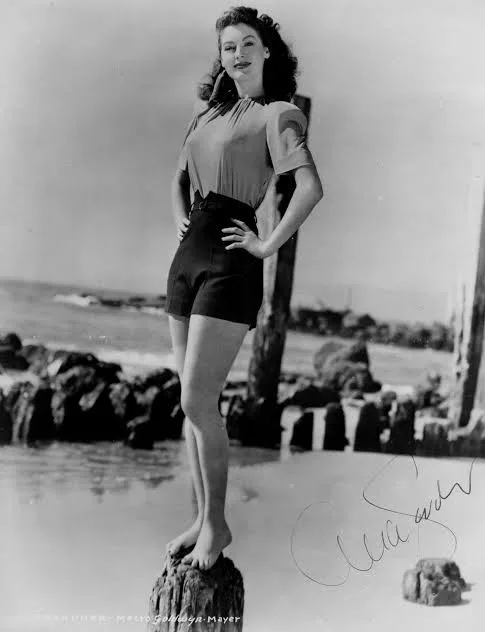
In the summer of 1940, she visited her sister in New York City. Her sister's husband was a professional photographer, and he took her portrait as a gift for her mother.
He put the picture in the window of his Fifth Avenue studio.
Barnard Duhan, an American legal clerk at Loew's Theatres, saw it. He said that someone should send her information to Metro-Goldwyn-Mayer.
Al Altman, head of the studio's New York talent department, filmed a silent screen test of the eighteen-year-old. Studio head Louis B. Mayer is said to have answered with a famous telegram: "She can't sing. She can't act. She can't talk. She's terrific!"
In 1941, Ava signed a standard contract with MGM and moved to Hollywood with her sister. The studio gave her a speech coach to soften her Carolina accent, and a singing teacher.
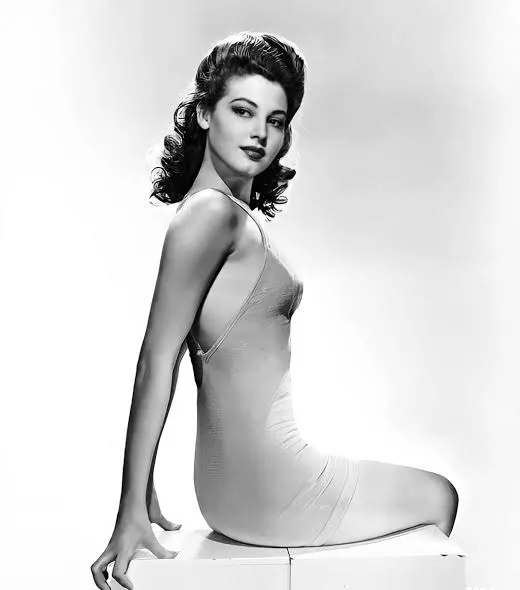
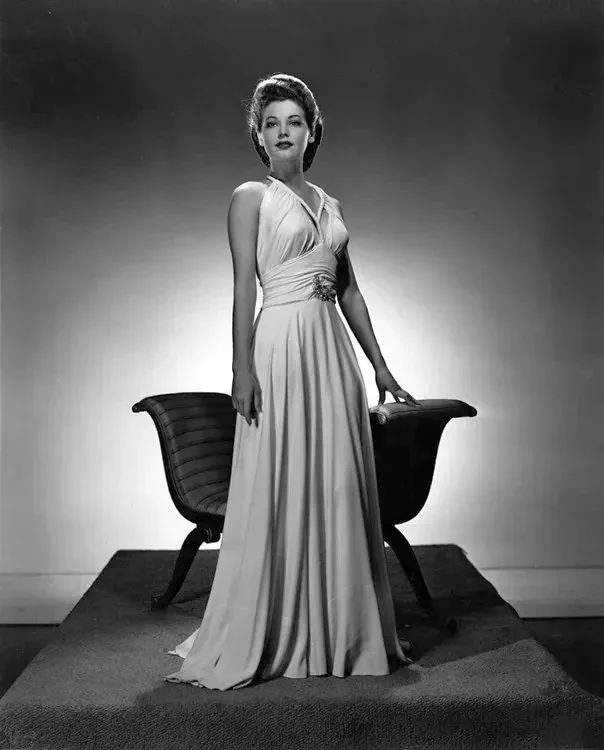
Her first screen appearance was an uncredited walk-on in We Were Dancing (film, 1942), starring the Canadian-American actress Norma Shearer. More tiny parts followed.
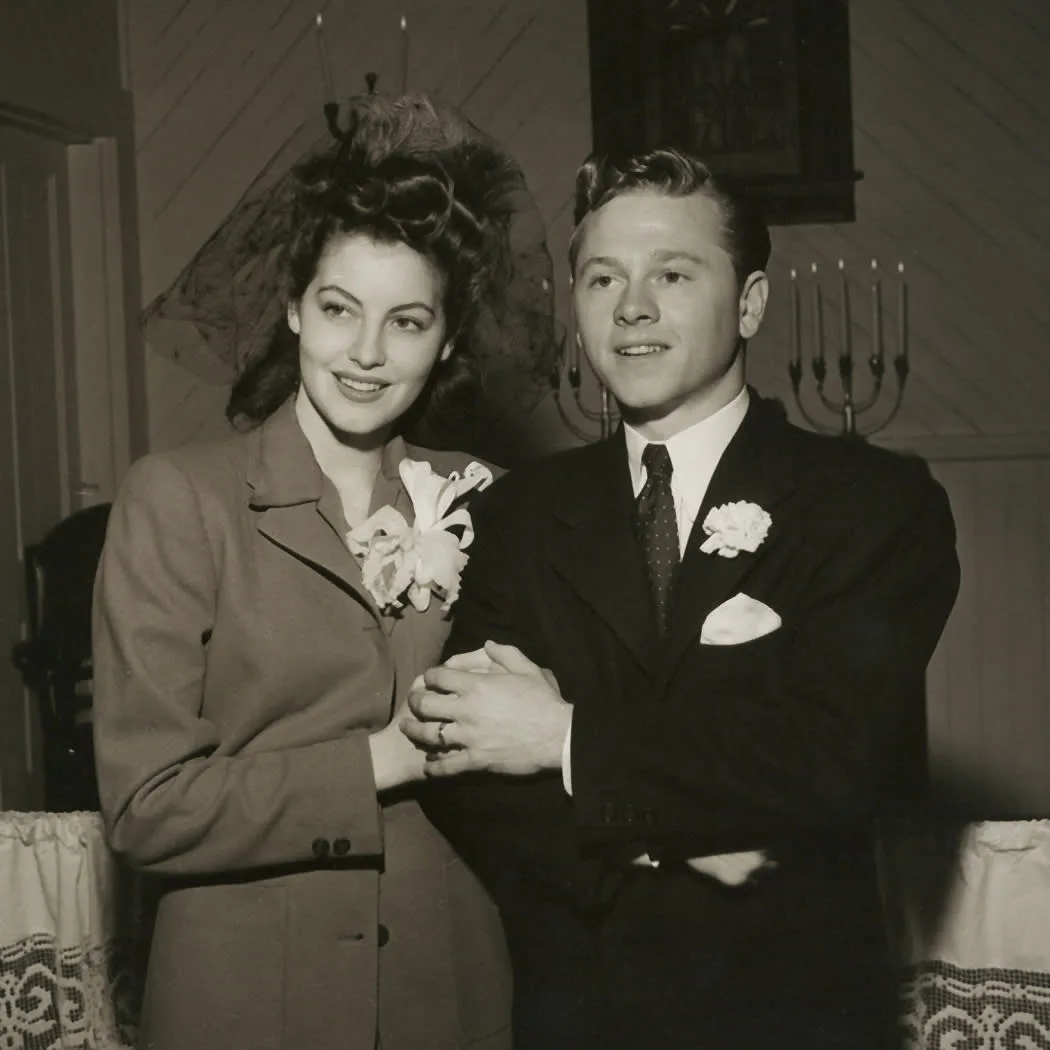
She also met the American actor Mickey Rooney, also under contract at MGM. They married on 10 January 1942 in a small California town, and Mayer asked them to keep it quiet to protect Rooney's Andy Hardy film series. They divorced in 1943.
Her first billing came in Ghosts on the Loose (film, 1943), on loan to Monogram Pictures. In those years, she was better known for her photographs and her marriages than for her roles.
The American tycoon and aviator Howard Hughes took an interest in her career in the early 1940s. She later wrote that she was never in love with him.
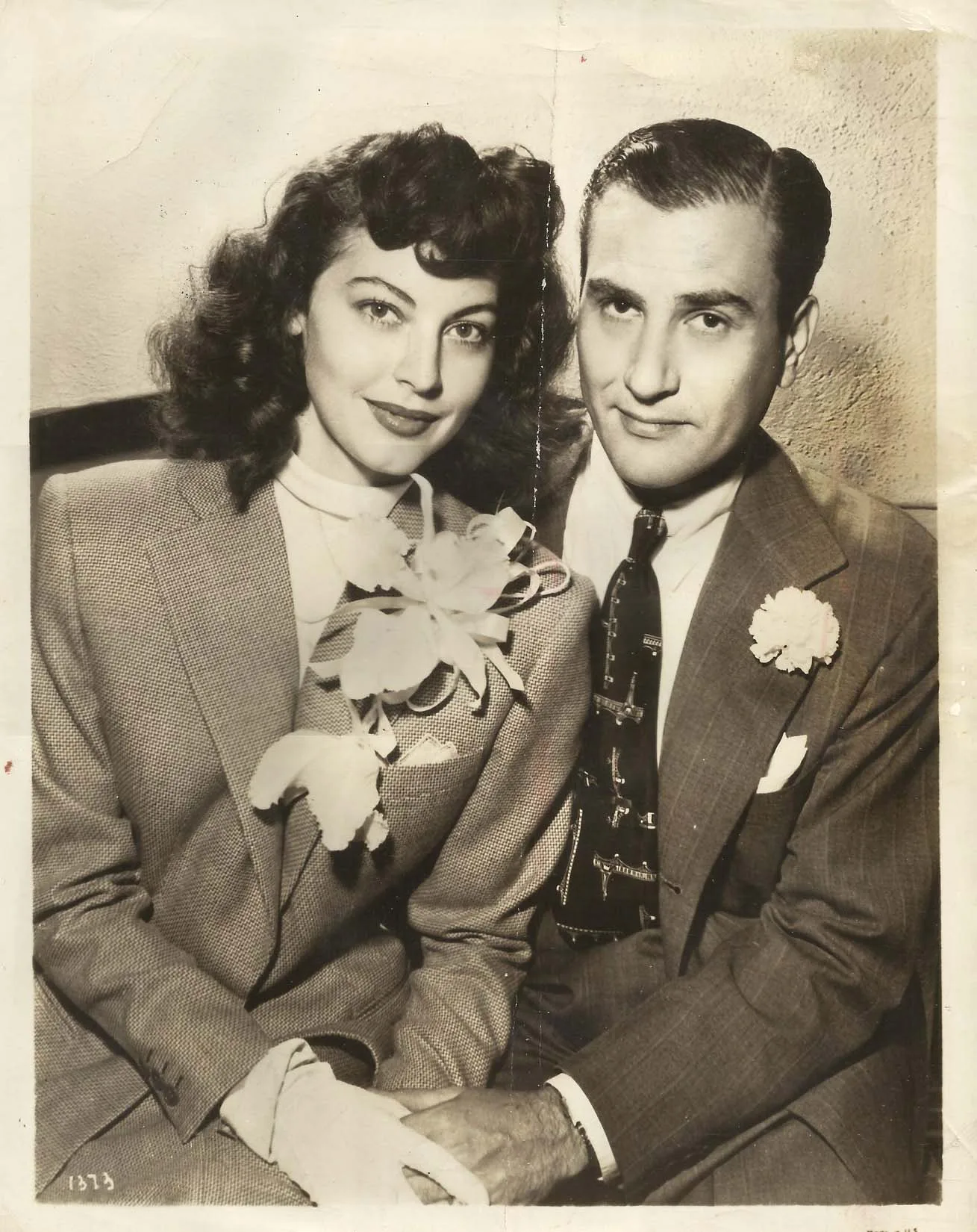
On 17 October 1945, she married the American jazz bandleader Artie Shaw. The marriage ended in 1946.
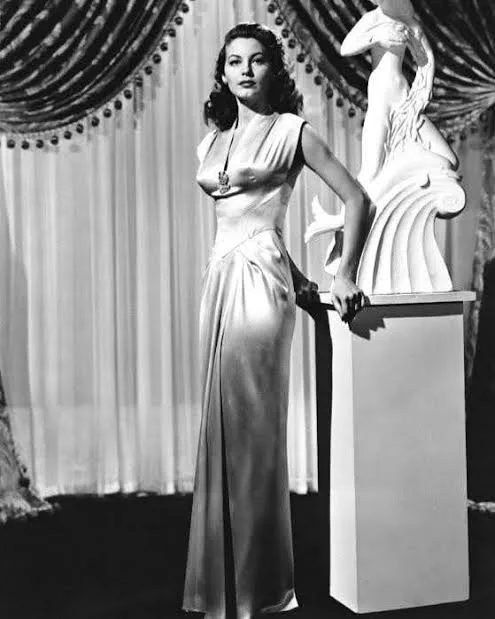
Then came The Killers (film, 1946), from a short story by the American writer Ernest Hemingway. The German-born American director Robert Siodmak cast her as Kitty Collins, a femme fatale, opposite the American actor Burt Lancaster.
MGM had lent her to Universal Pictures for the film. She came back a star.
Her career moved on through The Hucksters (film, 1947), One Touch of Venus (film, 1948), and The Great Sinner (film, 1949). In the last, she worked for the first time with the American actor Gregory Peck, who became a lifelong friend.
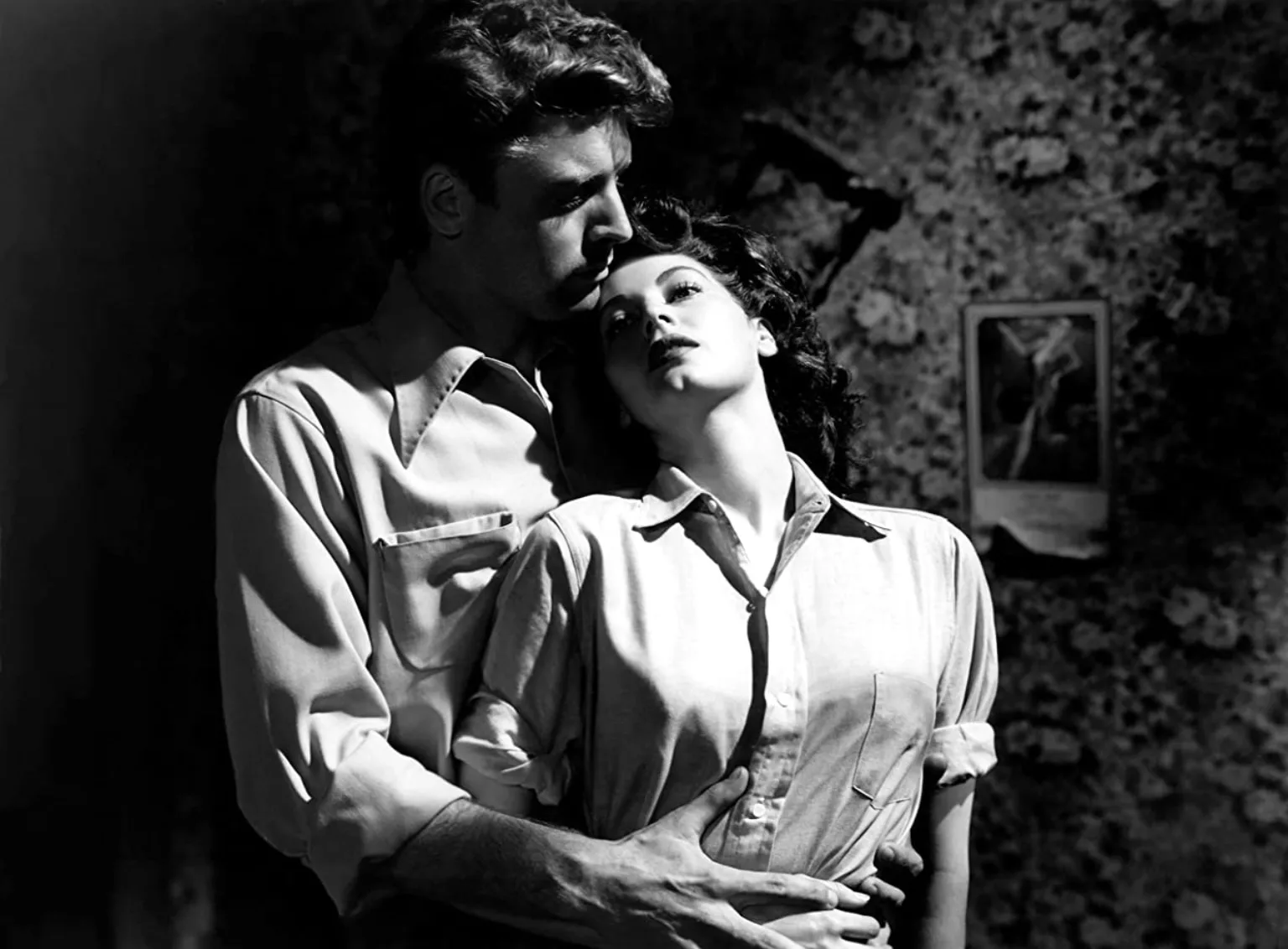
Her first visit to Spain came while she was filming Pandora and the Flying Dutchman (film, 1951), opposite the English actor James Mason. She later said she could not tell whether the climate, the men, or the music had won her over.
In 1951, she also played Julie LaVerne in Show Boat (film, 1951).
On 7 November 1951, she married the American singer and actor Frank Sinatra. Their affair had begun while he was still married to his first wife, and the newspapers called her a home wrecker.
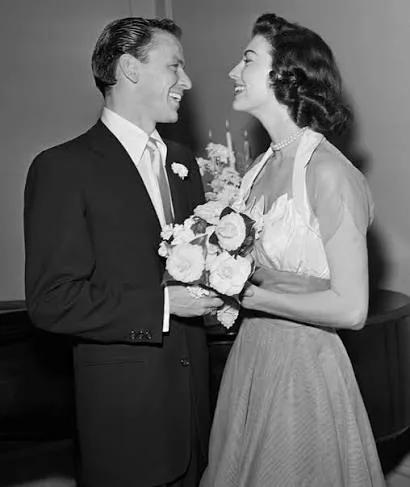
The scandal hurt his career and made her more popular. Their marriage was stormy and public, with fights the press loved to report.
She used her influence with the Columbia Pictures studio head Harry Cohn to help Sinatra win his part in From Here to Eternity (film, 1953). The role earned him an Academy Award and revived his career.
She worked with Peck again in The Snows of Kilimanjaro (film, 1952), based on a Hemingway story. Then came Mogambo (film, 1953), directed by the American filmmaker John Ford.
The film was shot on location in Africa, with the American actor Clark Gable and the American actress Grace Kelly. Ava played Eloise "Honey Bear" Kelly.
Of Ford she said: "The meanest man on earth. Thoroughly evil. Adored him!" The role brought her a nomination for the Academy Award for Best Actress.
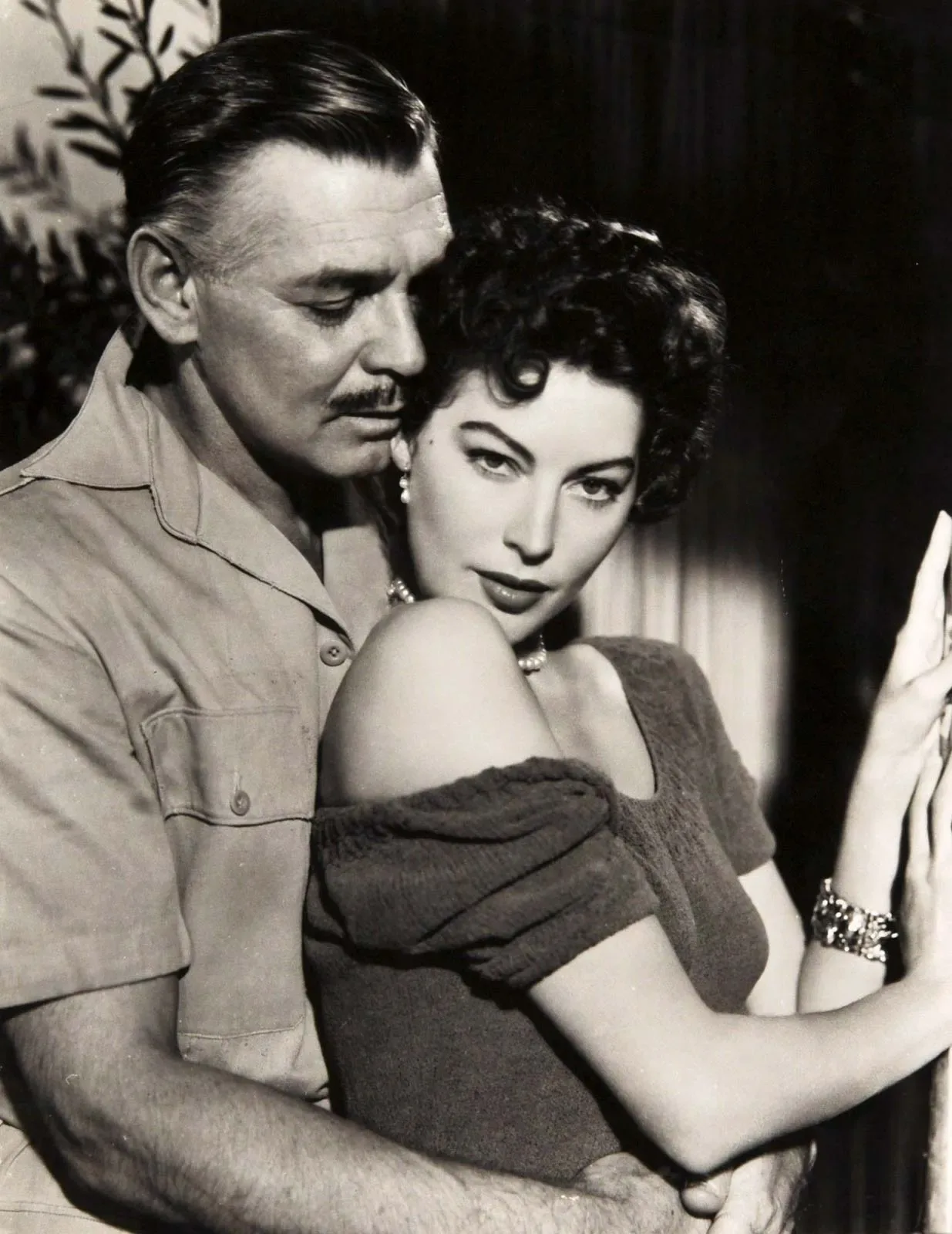
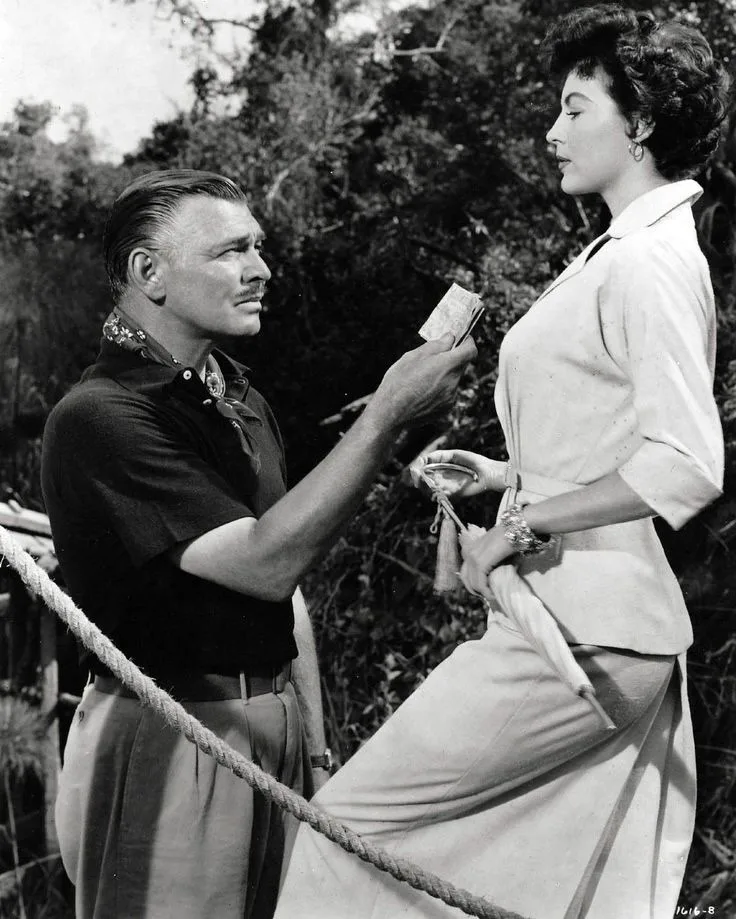
For The Barefoot Contessa (film, 1954), MGM loaned her to United Artists for $200,000 plus ten percent of the box office. The American writer and director Joseph L. Mankiewicz gave her the role of Maria Vargas, a dancer found in Madrid who becomes a Hollywood star and then marries an Italian count.
She had always loved to go barefoot, and she said that was part of what drew her to the part. To prepare, she studied flamenco, and she kept dancing it for years afterward.
The film was shot at Cinecittà Studios in Rome, with exteriors in Portofino and Sanremo. Her co-star was the American actor Humphrey Bogart, who is reported to have shouted on her first day: "Hey, Mankiewicz, can you tell this dame to speak up?"
Ava called her working relationship with Mankiewicz "problematical at times." Studio posters named her "The World's Most Beautiful Animal," a line she disliked.
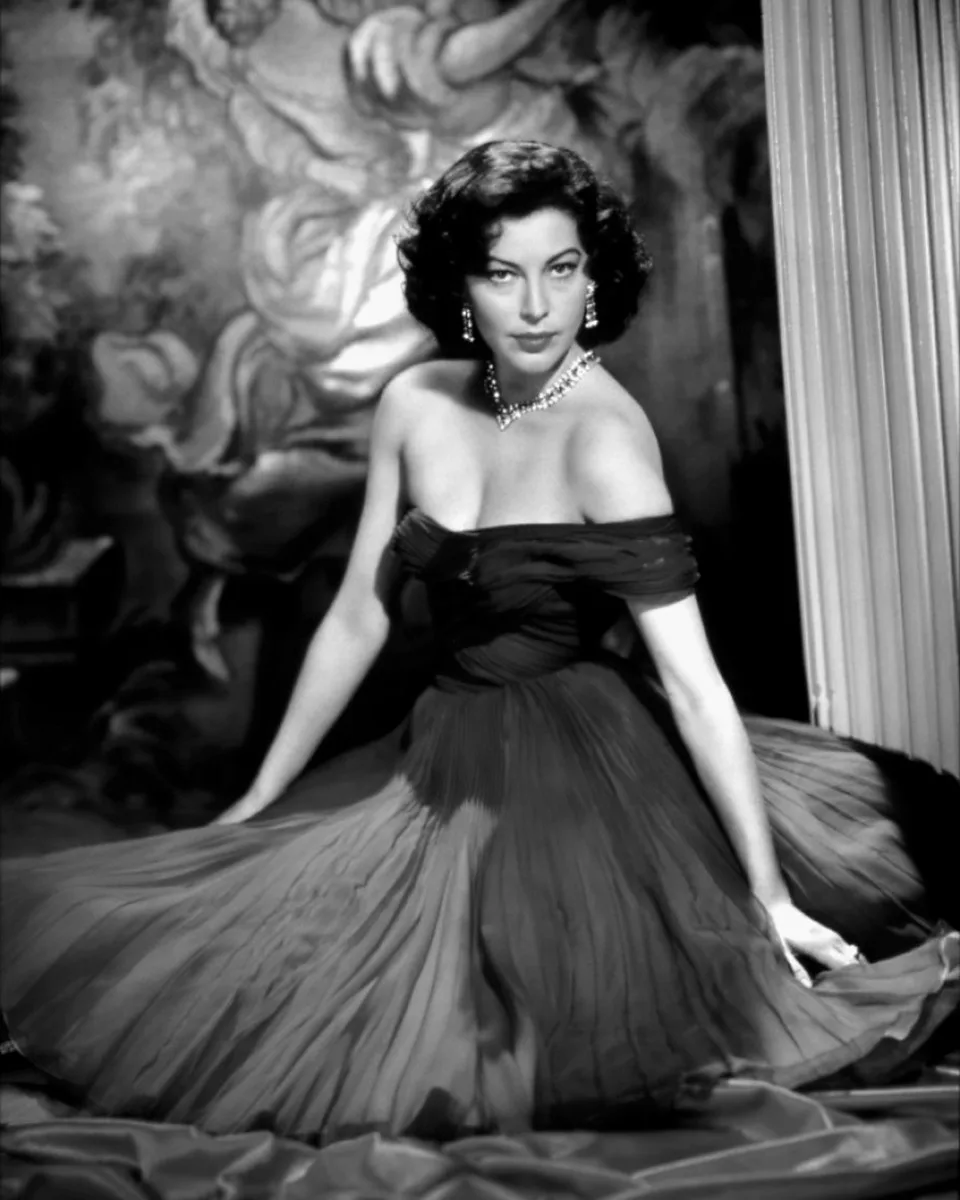
Ava Gardner as Maria Vargas in The Barefoot Contessa (film, 1954), publicity photo.
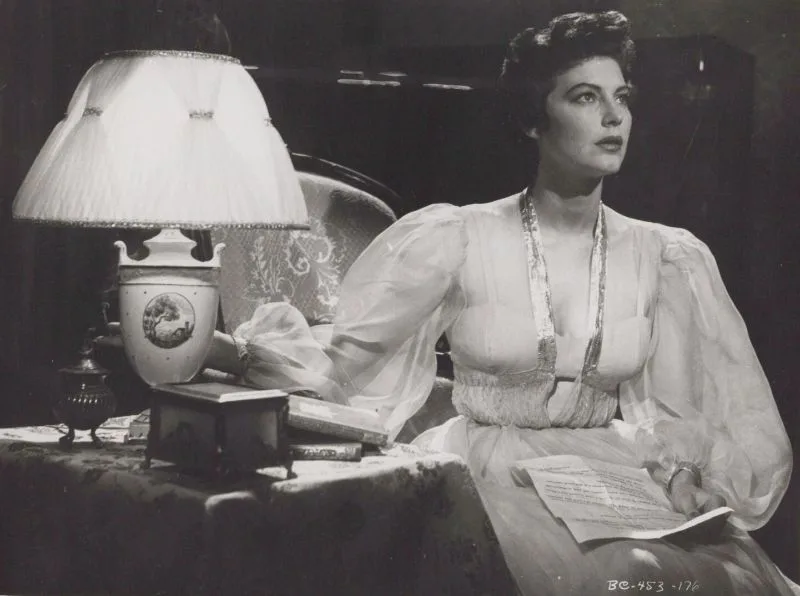
She filed for divorce from Sinatra in June 1954. It was not final until July 1957, and they stayed friends for life.
Ava moved to Madrid in December 1955, to escape the American press. For more than ten years, Spain was her home.
She first stayed in suite 716 of the Castellana Hilton. She also rented a chalet in La Moraleja, called La Bruja, "the witch."
Her best known home was a penthouse duplex at 11 Calle Doctor Arce. The Argentine former president Juan Domingo Perón and his wife lived in the same building. Her parties, with music and flamenco, were hard to forget.
Hemingway had become a friend, and in her memoir she wrote: "I just adored the man; I idolized him, in fact, and we became friends from that moment on." He introduced her to bullfighting.
She fell for the matador Luis Miguel Dominguín, one of the most famous Spanish bullfighters. "It was a sort of madness, honey," she said later.
She starred in Bhowani Junction (film, 1956). In The Sun Also Rises (film, 1957), she played Lady Brett Ashley, and Hemingway himself had urged the American producer Darryl F. Zanuck to cast her.
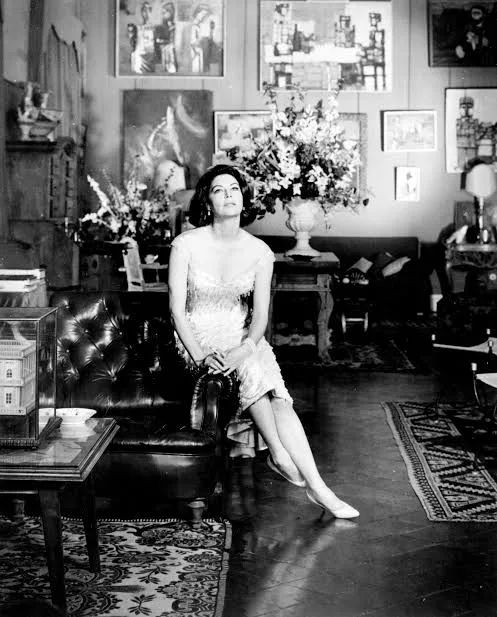
The Spanish writer Manuel Vicent later summed up those nights in Madrid: "Hubo un tiempo, alrededor de los años 60 del siglo pasado, en que las noches de Madrid olían a Ava Gardner." ("There was a time, around the 1960s, when the nights of Madrid smelled of Ava Gardner.")
She went to Chicote, to the flamenco club Villa Rosa, and to the chocolate shop San Ginés for the last chocolate of the night.
In Spain, she also found the Spanish couturier Cristóbal Balenciaga. She bought his designs in Paris and at Eisa, his Spanish house, where prices were lower.
Black filled her Spanish wardrobe, along with lace, bolero jackets, and heavy embroidery.
One of her Eisa gowns was a pink silk gazar dress of 1965, cut from one rectangle of silk, with a lace bustier and a large bow at the back. It is now known as the tulip dress, and she gave it to the Victoria and Albert Museum in London.
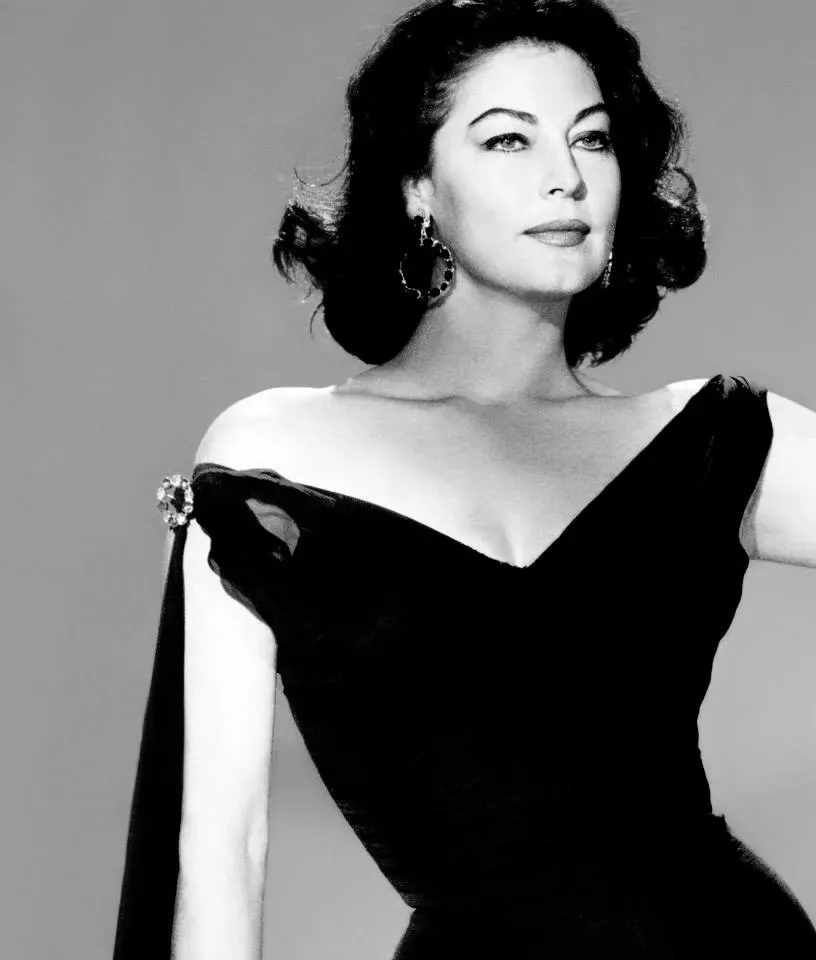
In The Naked Maja (film, 1958), she played the Duchess of Alba. In On the Beach (film, 1959), she appeared opposite Gregory Peck and the American dancer Fred Astaire.
Her film work thinned out as the 1960s began. She starred in 55 Days at Peking (film, 1963) with the American actor Charlton Heston, and in Seven Days in May (film, 1964) with Lancaster.
Her last major leading role was Maxine Faulk in The Night of the Iguana (film, 1964), directed by the American filmmaker John Huston, from the play by the American writer Tennessee Williams. Her co-stars were the Welsh actor Richard Burton and the English actress Deborah Kerr.
The part brought her nominations for a Golden Globe and a BAFTA, and the Silver Shell for best actress at the San Sebastián International Film Festival.
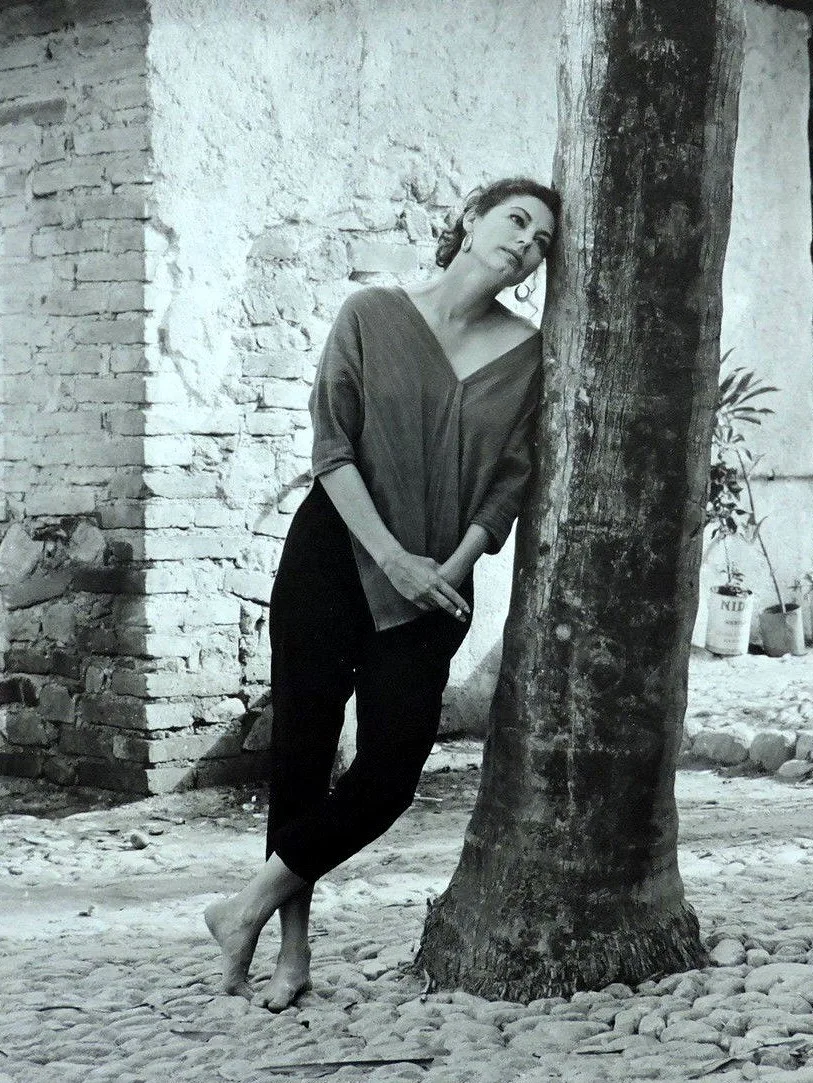
In the late 1960s, she left Spain for London, where the Spanish government was pursuing her for unpaid taxes. She settled at 34 Ennismore Gardens in Knightsbridge, a short walk from the Victoria and Albert Museum.
She joined the National Association for the Advancement of Colored People in 1968. She was a lifelong Democrat.
In Mayerling (film, 1968), she played Empress Elisabeth of Austria. She later worked in The Life and Times of Judge Roy Bean (film, 1972), Earthquake (film, 1974), and The Cassandra Crossing (film, 1976).
She made films in those years, she said, only when she "needed the loot." In London, she walked her Pembroke Welsh corgis around the neighborhood, and her housekeeper, Carmen Vargas, lived with her.
Her temper was famous. "When I lose my temper, honey, you can't find it any place," she said.
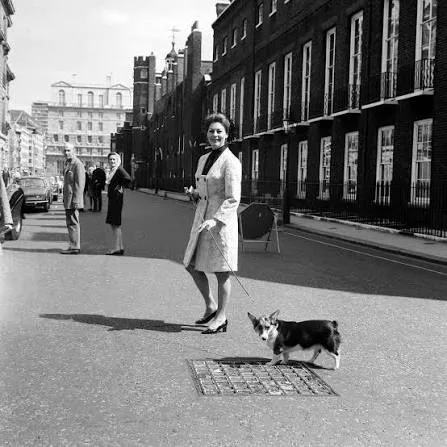
In 1985, she appeared on television in Knots Landing (television series, 1979–1993) and A.D. (miniseries, 1985). She played her last role in the television film Maggie (television film, 1986).
A stroke in 1986 left her partly paralyzed, after years of smoking and lupus. Sinatra paid toward her medical care.
She decided to write her memoirs, and she gave a reason: "I either write the book or sell the jewels."
Ava Gardner died on 25 January 1990 at her home in London. She was 67. She was buried on 29 January in Sunset Memorial Park in Smithfield, North Carolina, next to her parents.
Ava: My Story (book, 1990) appeared the year she died. In 1999, the American Film Institute ranked her twenty-fifth among the greatest female screen legends of classic American cinema.
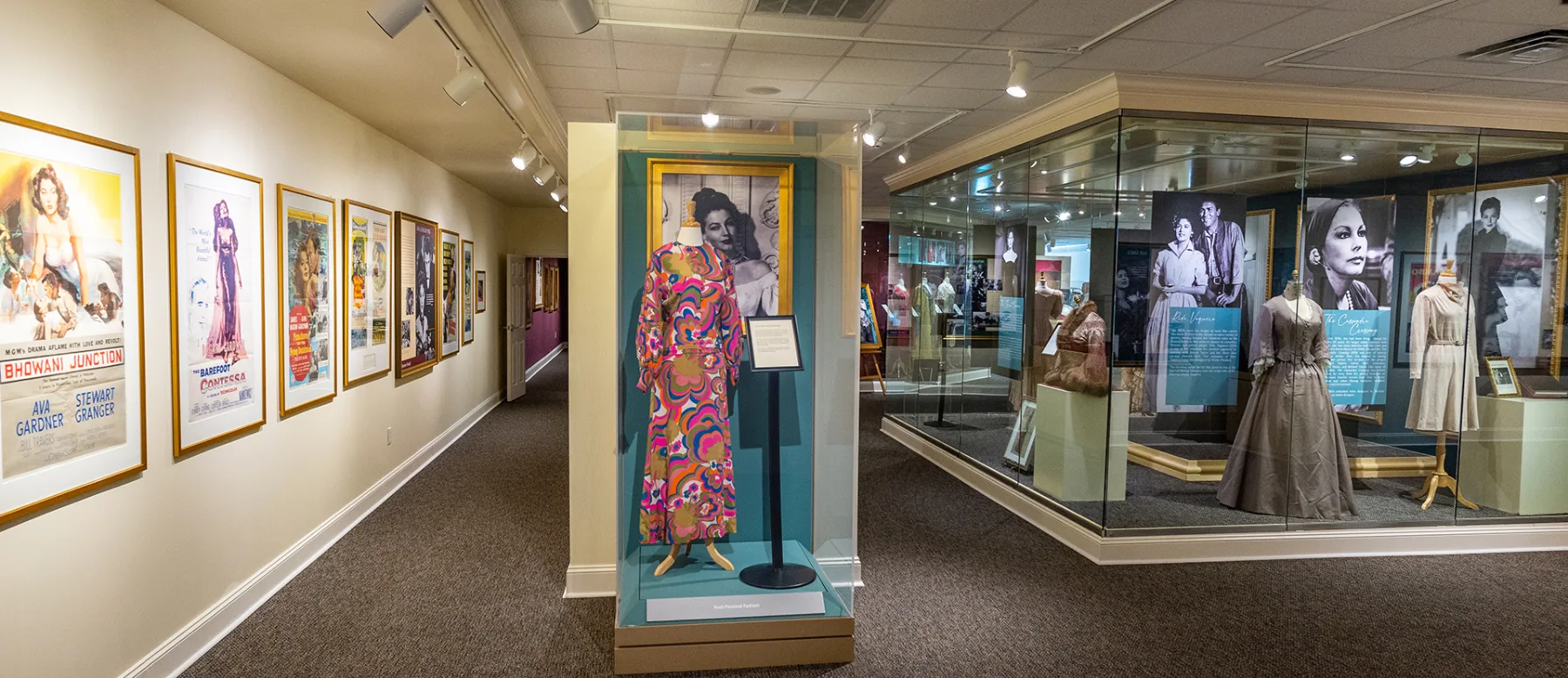
The farm girl who once wore hand-me-downs left unforgettable images on screen, countless clothes to the museums, and a long life lived on her own terms.