People
Cristóbal Balenciaga Eizaguirre (21 January 1895 – 24 March 1972)
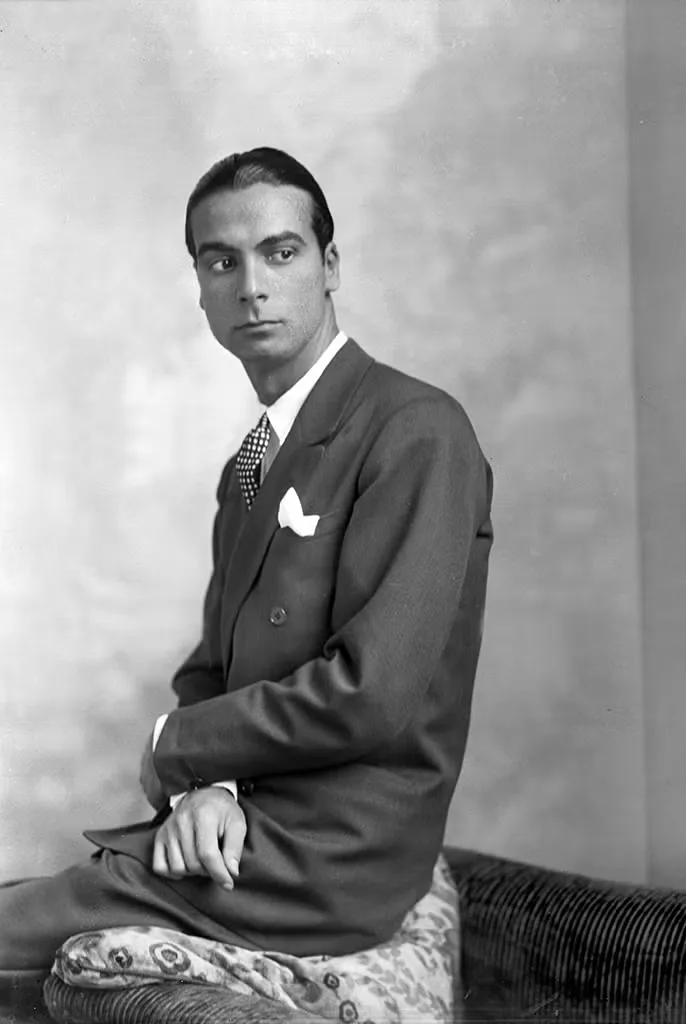
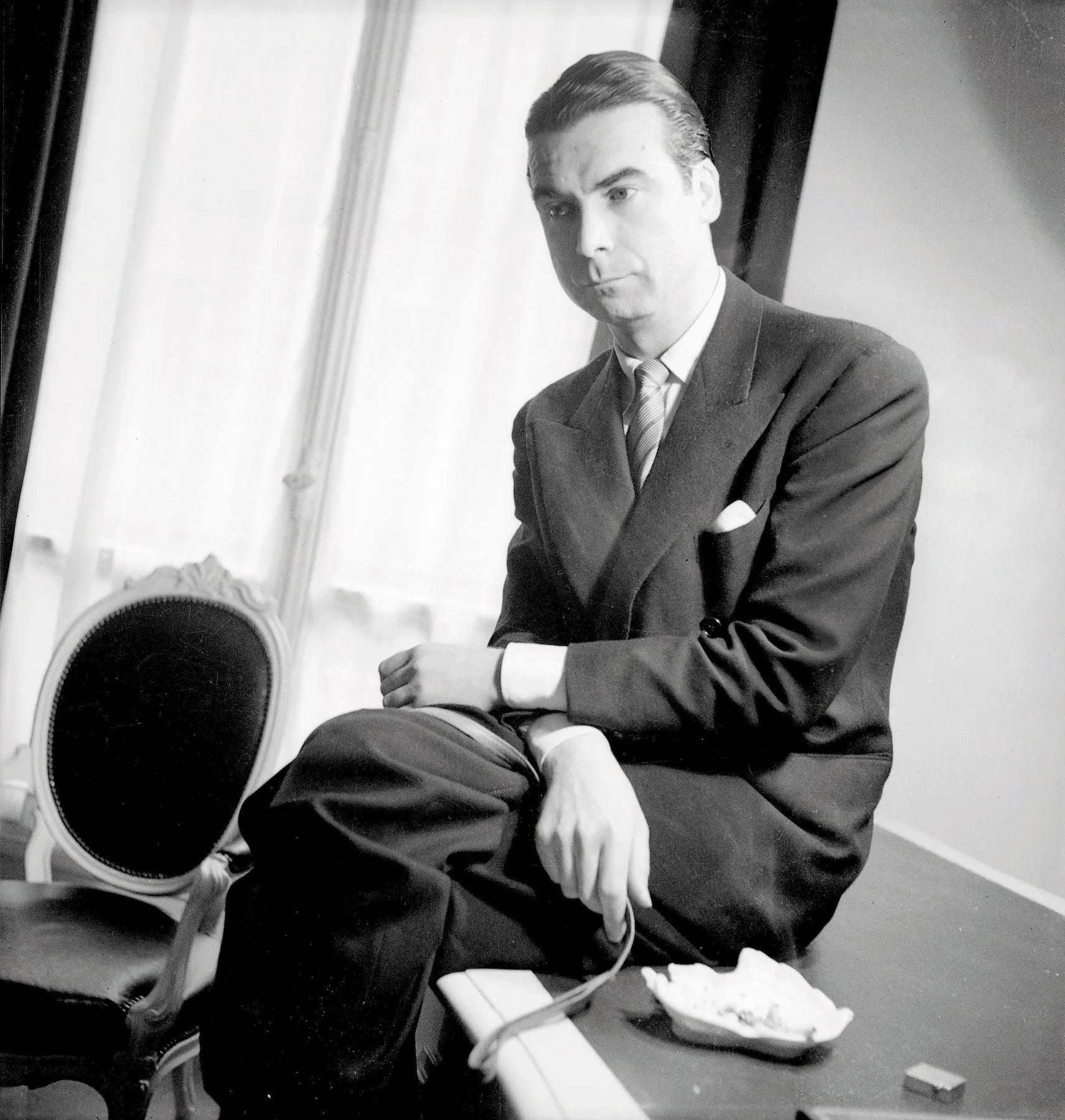
Cristóbal Balenciaga Eizaguirre (21 January 1895 – 24 March 1972) was a Spanish fashion designer, widely regarded by his fellow couturiers as the greatest technician in the history of haute couture. Christian Dior called him "the master of us all"; Coco Chanel said he was "the only couturier in the truest sense of the word... the others are simply fashion designers." Renowned equally for his innovations — the sack dress, the cocoon coat, the balloon skirt — and for an almost total avoidance of public life, he gave only two interviews in his lifetime, and some of his own clients half-joked that he might not exist at all.
Biography
Cristóbal Balenciaga Eizaguirre was born on 21 January 1895 in Getaria, a small fishing village on Spain's Basque coast. His father, José Balenciaga, was a fisherman and, for a time, the village's mayor. His mother, Martina Eizaguirre, was a seamstress.
His father died when Cristóbal was eleven, and Martina supported her three children by sewing for local clients — among them the most prominent woman in the village, the Marquesa de Casa Torres.
The Marquesa recognized the boy's talent early. According to a story that has followed Balenciaga ever since, she once challenged twelve-year-old Cristóbal to reproduce one of her own couture dresses using fabric she supplied herself, and was impressed enough with the result to sponsor his formal training as a tailor, first in San Sebastián and later in Madrid.
Balenciaga opened his first fashion house, Eisa — an abbreviation of his mother's surname — in San Sebastián in 1917, and went on to open branches in Madrid and Barcelona.
Spain's Queen María Cristina became a client, and his reputation with Spanish royalty and aristocracy grew quickly.
During this period, while Paris couturiers still showed their collections in San Sebastián, Balenciaga met Madeleine Vionnet, the great pioneer of bias-cut dressmaking. She became a lasting friend, and encouraged him to pursue design more seriously.
The Spanish Civil War forced Balenciaga to close his Spanish shops, and in 1937 he relocated to Paris, opening a new house at 10 Avenue George V with backing from a fellow Basque couple, the Bizcarrondos. His business partner — and the love of his life — was Wladzio Jaworowski d'Attainville, a Franco-Russian milliner he had met in Paris.
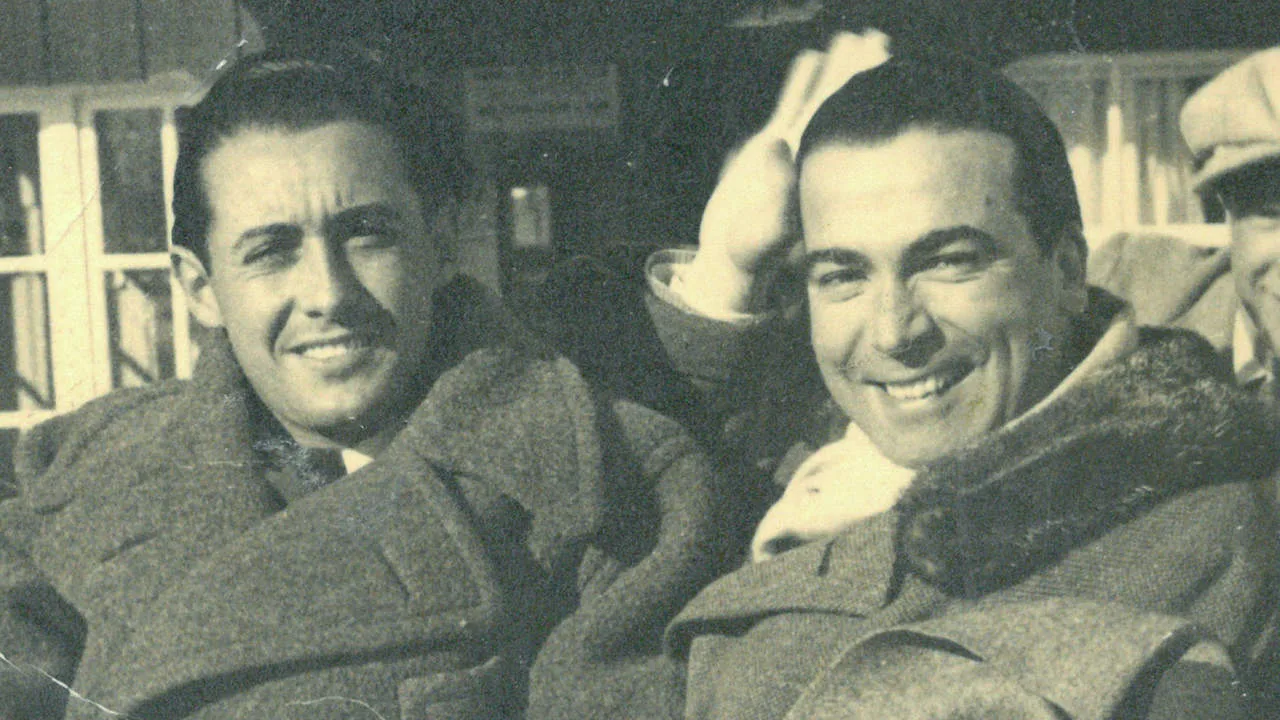
His debut Paris collection, shown that August, was well received, and the order books soon filled with commissions from clients including the Duchess of Westminster, the Woolworth heiress Barbara Hutton, and the Duchess of Windsor.
In 1948, d'Attainville died suddenly, at forty-nine. Balenciaga was devastated, and reportedly considered closing his house altogether rather than continue without him.
Instead, he channeled the grief directly into his work: that season's entire collection was shown in black. As one biographer later put it, Balenciaga imposed his private mourning on every fashionable woman of the era. He never took another lover for the remaining twenty-four years of his life.
What set Balenciaga apart from nearly every other couturier of his generation, technically, was that he needed no one else to realize his own ideas: he could cut, sew, and fit a garment from start to finish entirely by himself, a skill almost none of his rivals, however celebrated, could claim.
Critics have described his work as marrying the methodical precision of an expert tailor with genuine architectural imagination — fluid, sculptural garments built from radical new ideas about volume and structure rather than the body's own natural lines.
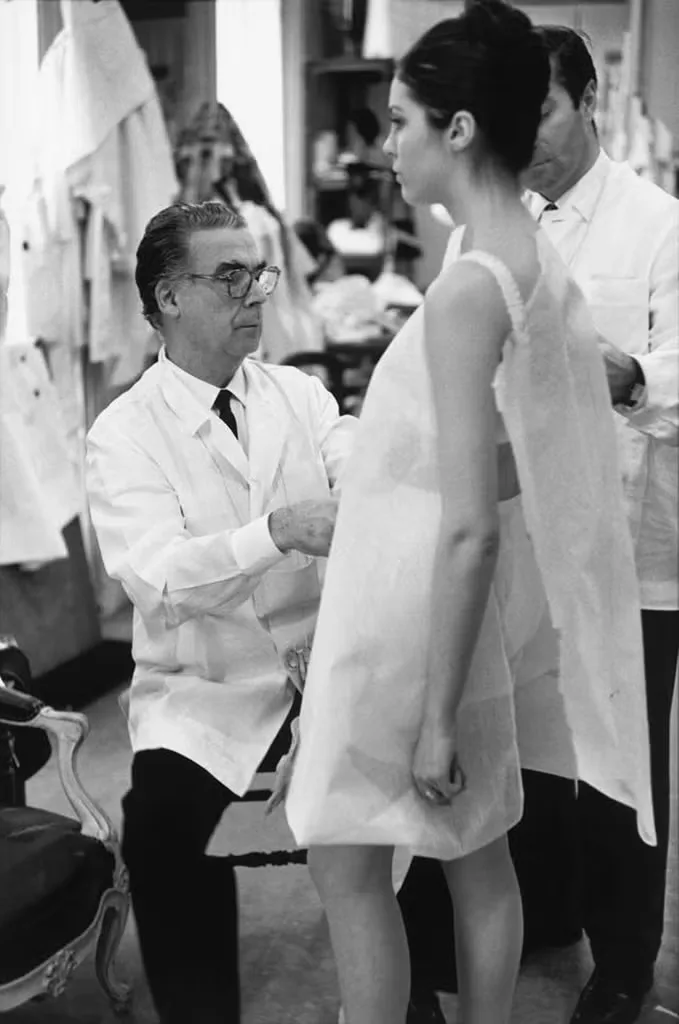
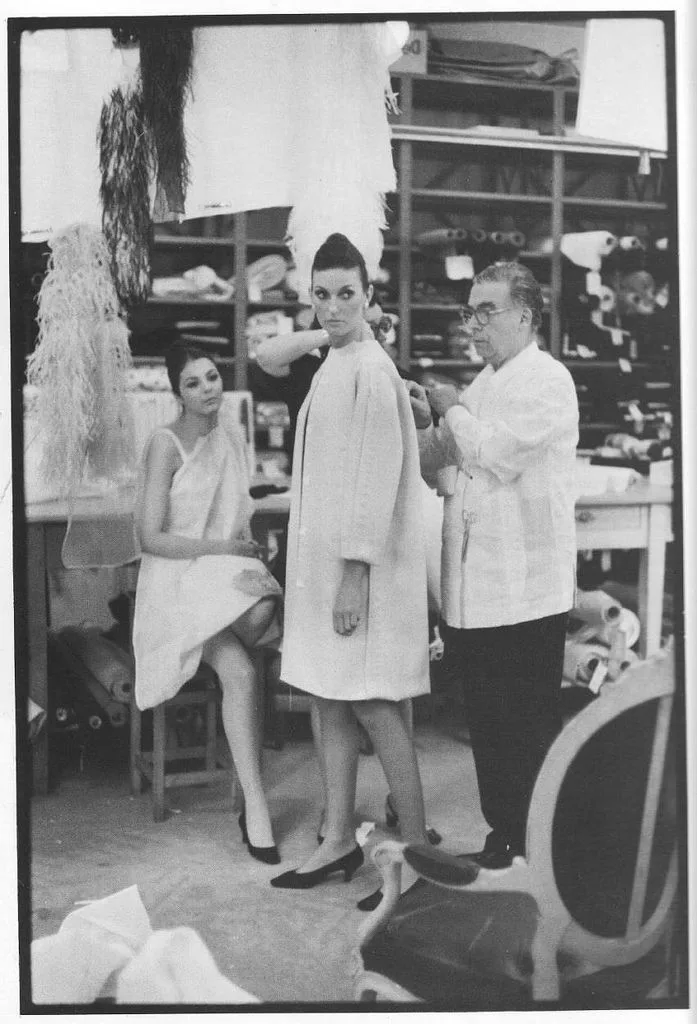
Over three decades in Paris, Balenciaga introduced a string of silhouettes that reshaped the basic vocabulary of fashion: the balloon jacket and balloon skirt of the early 1950s, the cocoon coat, the semi-fitted tunic, and, in 1957, the loose, waistless "sack dress" — a design that scandalized traditionalists and was, within the same year, already being parodied on an episode of I Love Lucy.
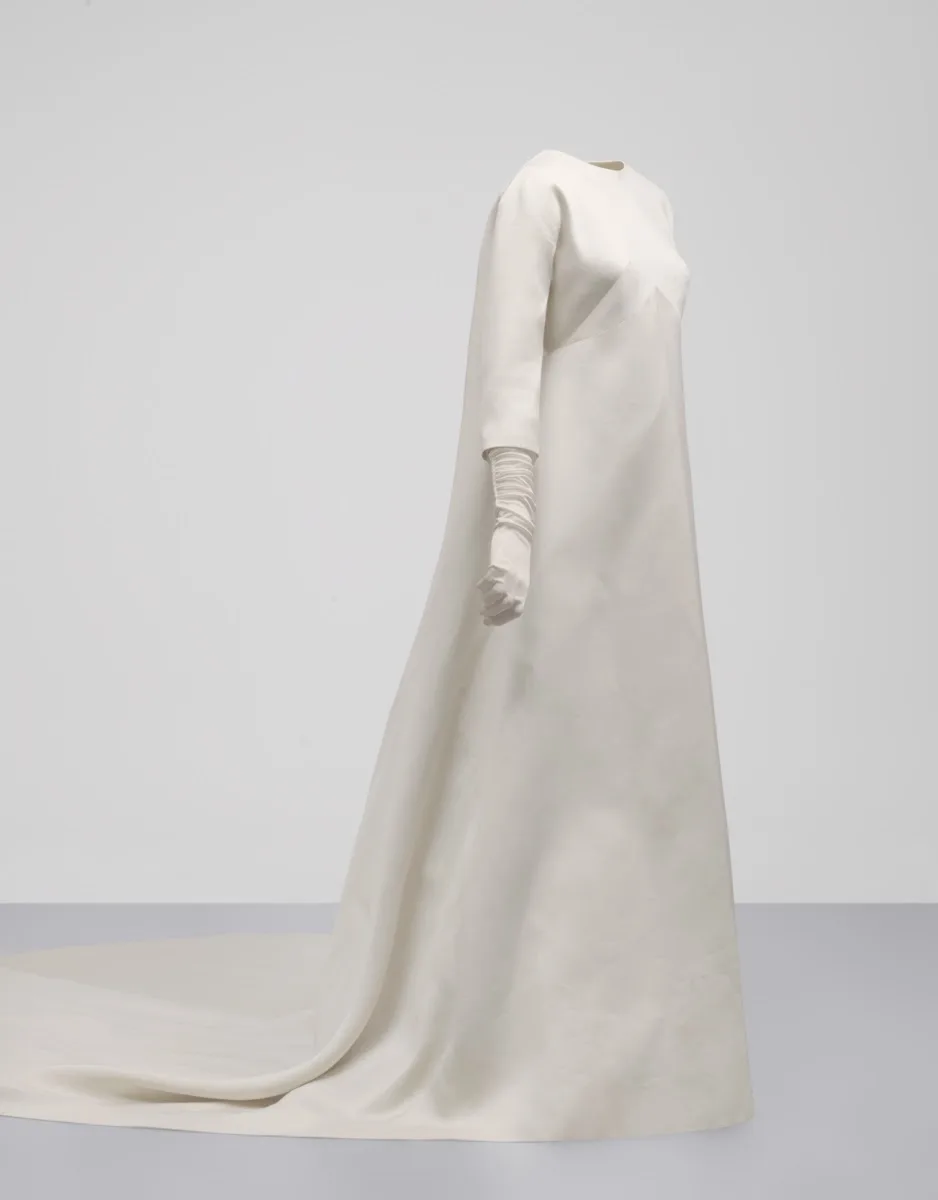
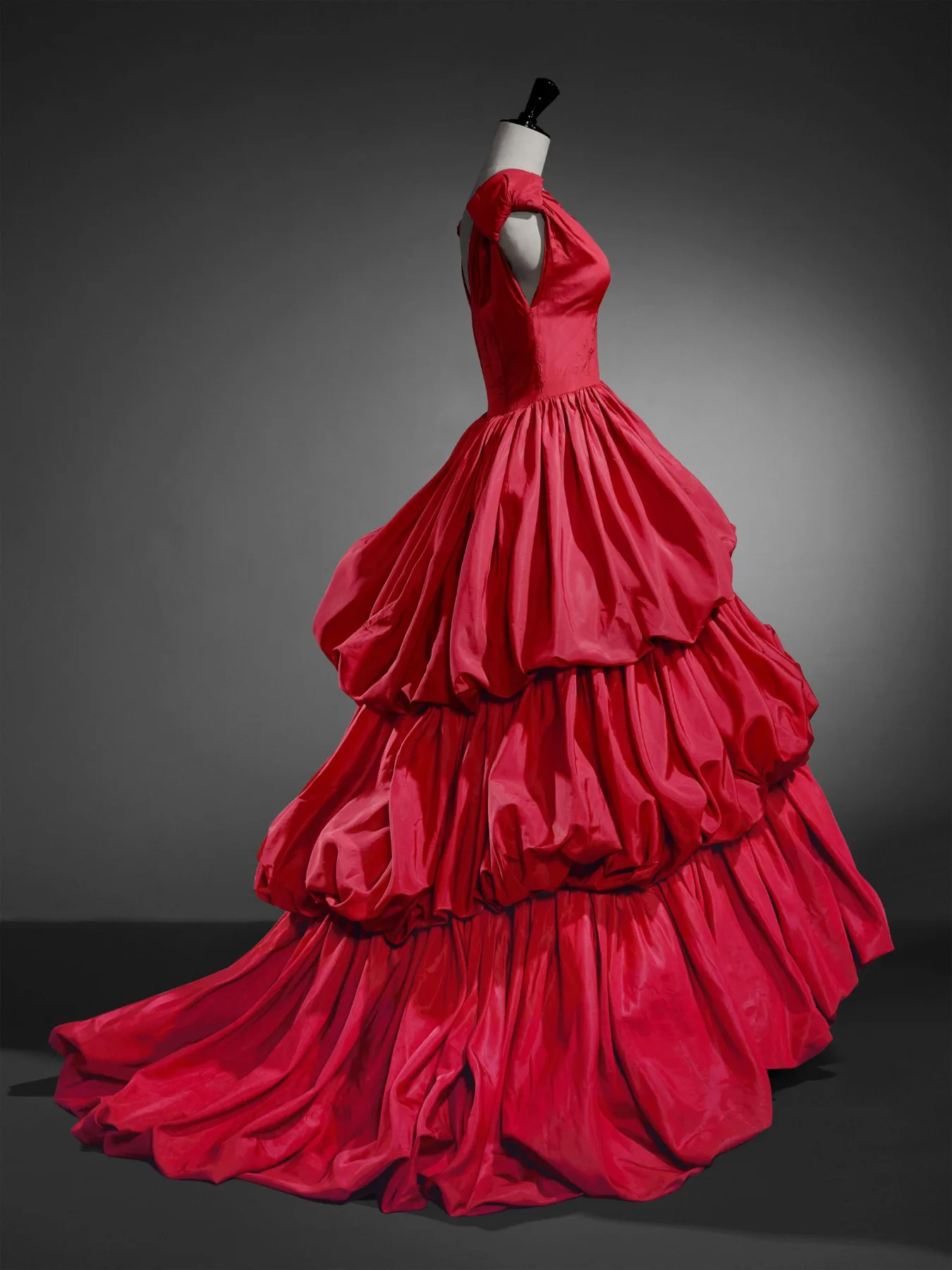
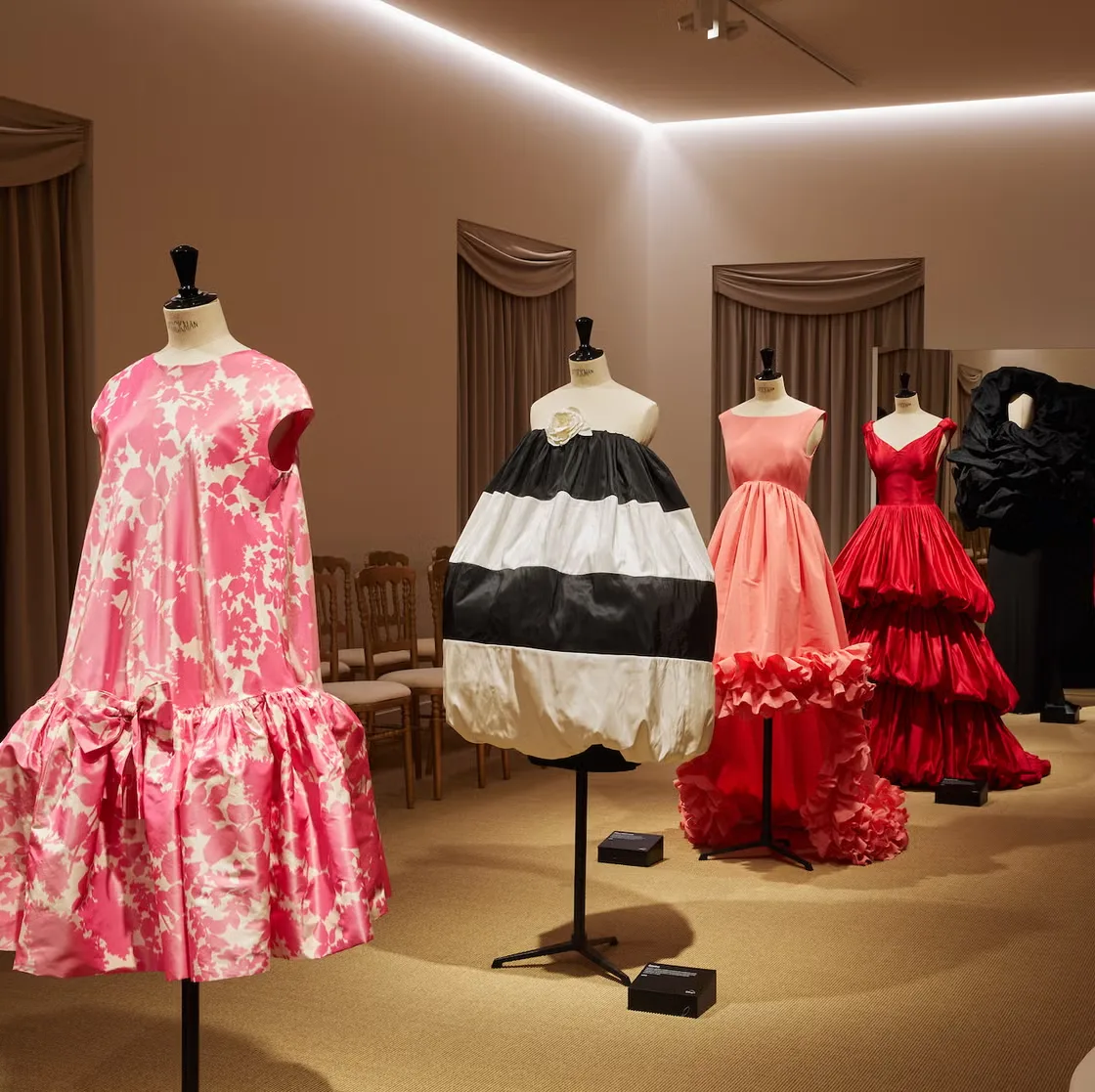
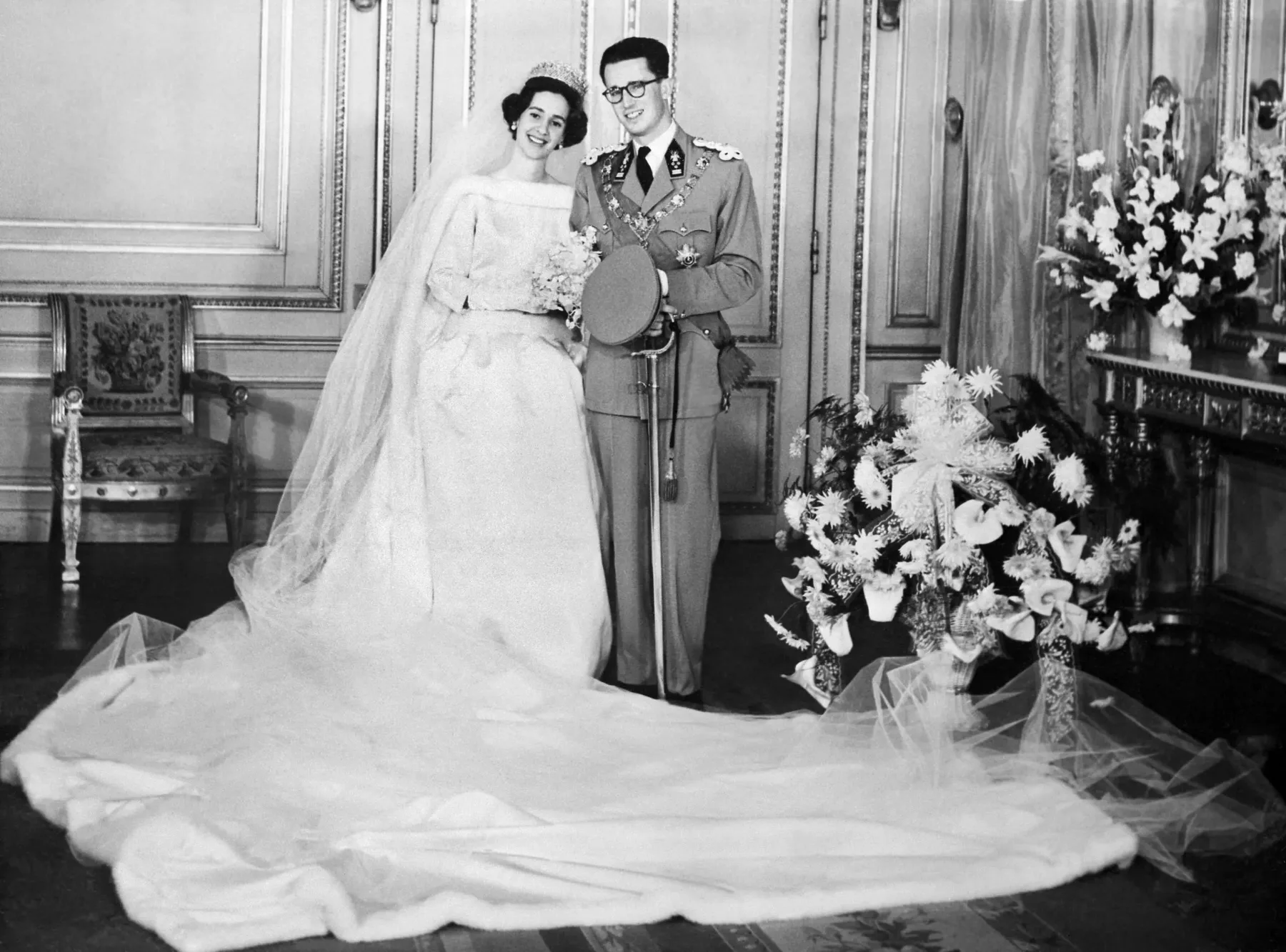
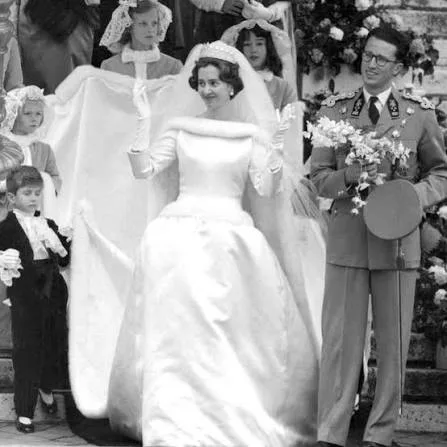
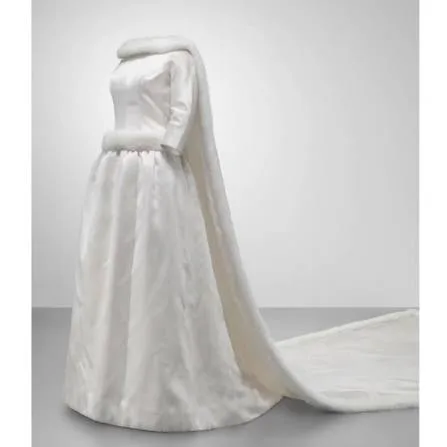
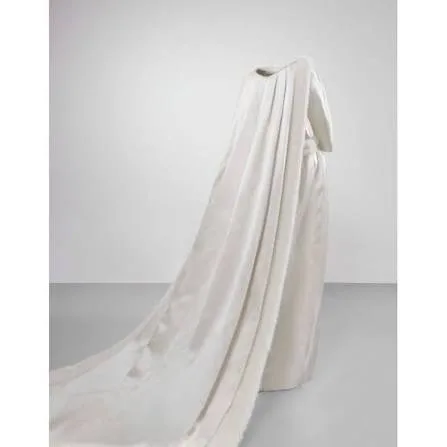
In 1960, Balenciaga designed the wedding gown for Fabiola de Mora y Aragón's marriage to King Baudouin of Belgium — a commission that closed an improbable circle: Fabiola was the granddaughter of the very Marquesa de Casa Torres who had sponsored his training more than fifty years earlier.
Balenciaga's personal reticence became almost as legendary as his talent. He rarely met his own clients, never took a bow after a show, and gave only two interviews in his entire life.
In May 1968, without warning, Balenciaga closed his Paris house entirely and retired to Spain, at seventy-three. The loyalty he had inspired became instantly visible in the reaction: Mona von Bismarck, who had worn his designs for two decades(by her own account, right down to her gardening shorts), reportedly did not leave her bedroom for three days after hearing the news.
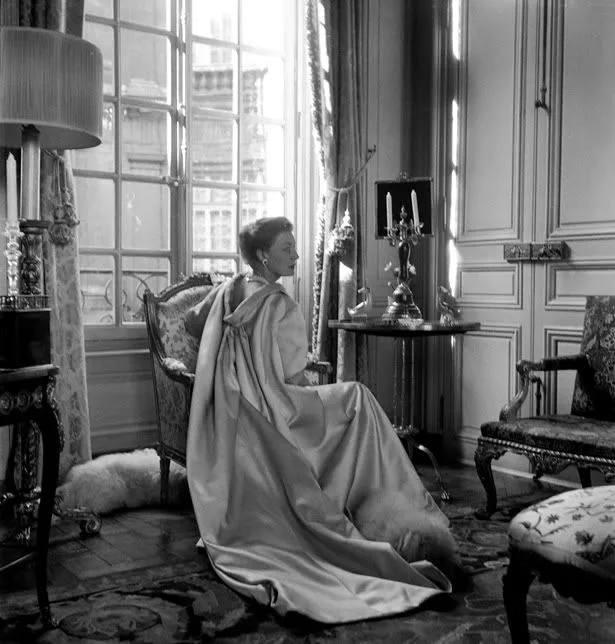
He died in Xàbia, in Spain's Valencia region, on 24 March 1972, at seventy-seven, and was buried two days later in the cemetery of his home village, Getaria. Women's Wear Daily marked the day with a headline that needed no elaboration: "The King Is Dead."
The tributes that followed came from people who had spent careers being compared to him. Christian Dior had already called him, simply, "the master of us all." Coco Chanel went further: "the only couturier in the truest sense of the word," she said. "The others are simply fashion designers."
The editor Diana Vreeland put it more plainly still: "Balenciaga gave the world fashion. He was the beginning of everything."
Decades later, his friend and former protégé Hubert de Givenchy donated much of his own personal collection of Balenciaga's work to the museum that now stands in Getaria — a final, quiet act of loyalty to a man who had spent his whole life trying to stay out of the frame entirely.