People
Christian Dior (21 January 1905 – 24 October 1957)
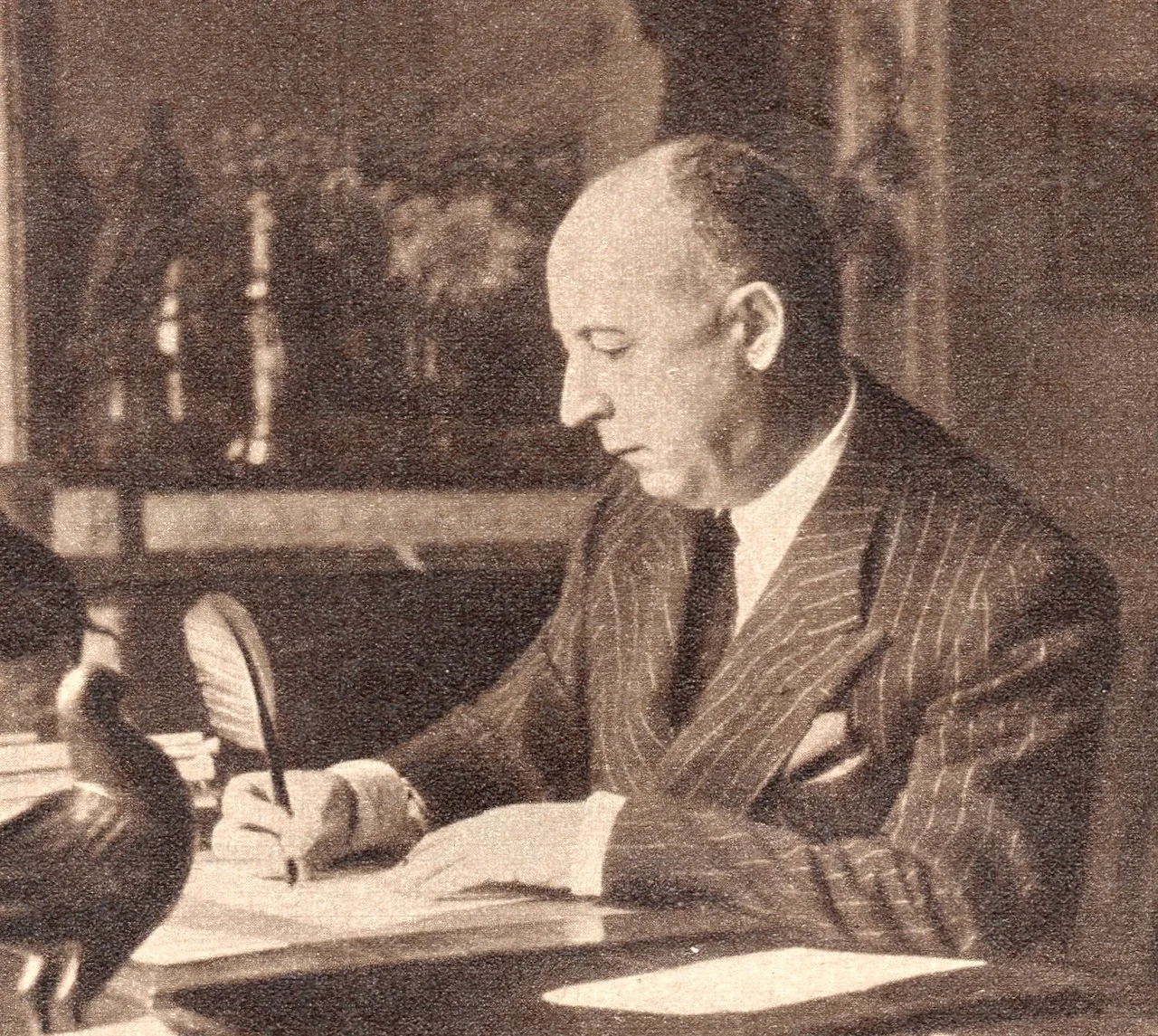
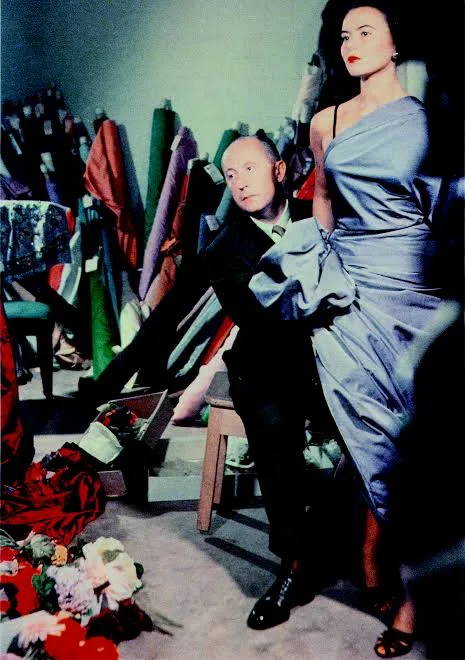
Christian Dior (21 January 1905 – 24 October 1957) was a French fashion designer and the founder of the House of Dior, one of the most influential fashion houses of the twentieth century. His 1947 debut collection, dubbed the "New Look" by Harper's Bazaar editor Carmel Snow, reintroduced rounded shoulders, cinched waists, and dramatically full skirts after years of wartime rationing, and reshaped women's fashion for a decade. He died suddenly at fifty-two, ten years into a career that had already made him the most famous couturier alive.
Biography
Christian Dior was born in Granville, a seaside town on the Normandy coast, on 21 January 1905, the second of five children of Alexandre Louis Maurice Dior — known as Maurice — a wealthy fertilizer manufacturer, and his wife, Madeleine, née Martin.
The family split its time between Paris and a villa above the English Channel in Granville, where Madeleine had built an elaborate flower garden on the cliffside grounds. Dior spent much of his childhood in that garden, and traced his lifelong love of flowers directly back to it.
His parents wanted a diplomat in the family. Dior himself wanted to study architecture. He settled, under pressure, for political science at the École des Sciences Politiques in Paris, graduating in 1928.
That same year, with money from his father — on the strict condition that the Dior name not appear above the door — Christian Dior opened an art gallery with his friend Jacques Bonjean. It exhibited work by Pablo Picasso, Salvado Dalí, Georges Braque, Jean Cocteau, and Henri Matisse, among others, and put the twenty-three-year-old Dior in genuine working contact with the leading artists of his day.
The good fortune didn't last. Around 1930 and 1931, Dior's older brother Raymond and then his mother, Madeleine, both died. In the same stretch of years, his father's fertilizer business collapsed in the Great Depression, wiping out the family fortune. The gallery closed. Dior sold his own art collection to get by, and turned, out of necessity rather than ambition, to selling fashion sketches on the street.
In 1932 he tried again, opening a second gallery on the Rue Cambacérès with Pierre Colle, showing Surrealist work by Dalí, Alberto Giacometti, and Man Ray. Two years later, struck by tuberculosis, he retreated to the Pyrenees to recover — and decided, during that convalescence, to commit himself to fashion for good.
He worked through the later 1930s as a fashion illustrator, then joined the couturier Robert Piguet's house as a design assistant in 1938.
War interrupted everything.
Dior was drafted into the French army in 1939; after France's surrender in 1940, he returned to Paris and was hired by the couturier Lucien Lelong, whose house — like much of the Paris fashion establishment under the Occupation — dressed the wives of German officials and French collaborators simply to keep operating.
His younger sister Catherine, whom he adored, took a very different path. In 1941 she joined the French Resistance's F2 network, working as a liaison agent, transmitting intelligence to London, and using Christian's own Paris apartment to host clandestine meetings.
In July 1944, Catherine was arrested by the Gestapo. She was tortured, refused to give up her comrades, and was deported to Ravensbrück concentration camp. She narrowly avoided a death march near the war's end and was finally released in April 1945, severely traumatized by what she'd survived. Christian worked to support her however he could, and rarely, if ever, spoke publicly about what those years had cost his family.
Peace brought his real chance. In December 1946, backed financially by the textile magnate Marcel Boussac, Dior opened his own house in a studio at 30 Avenue Montaigne in Paris.
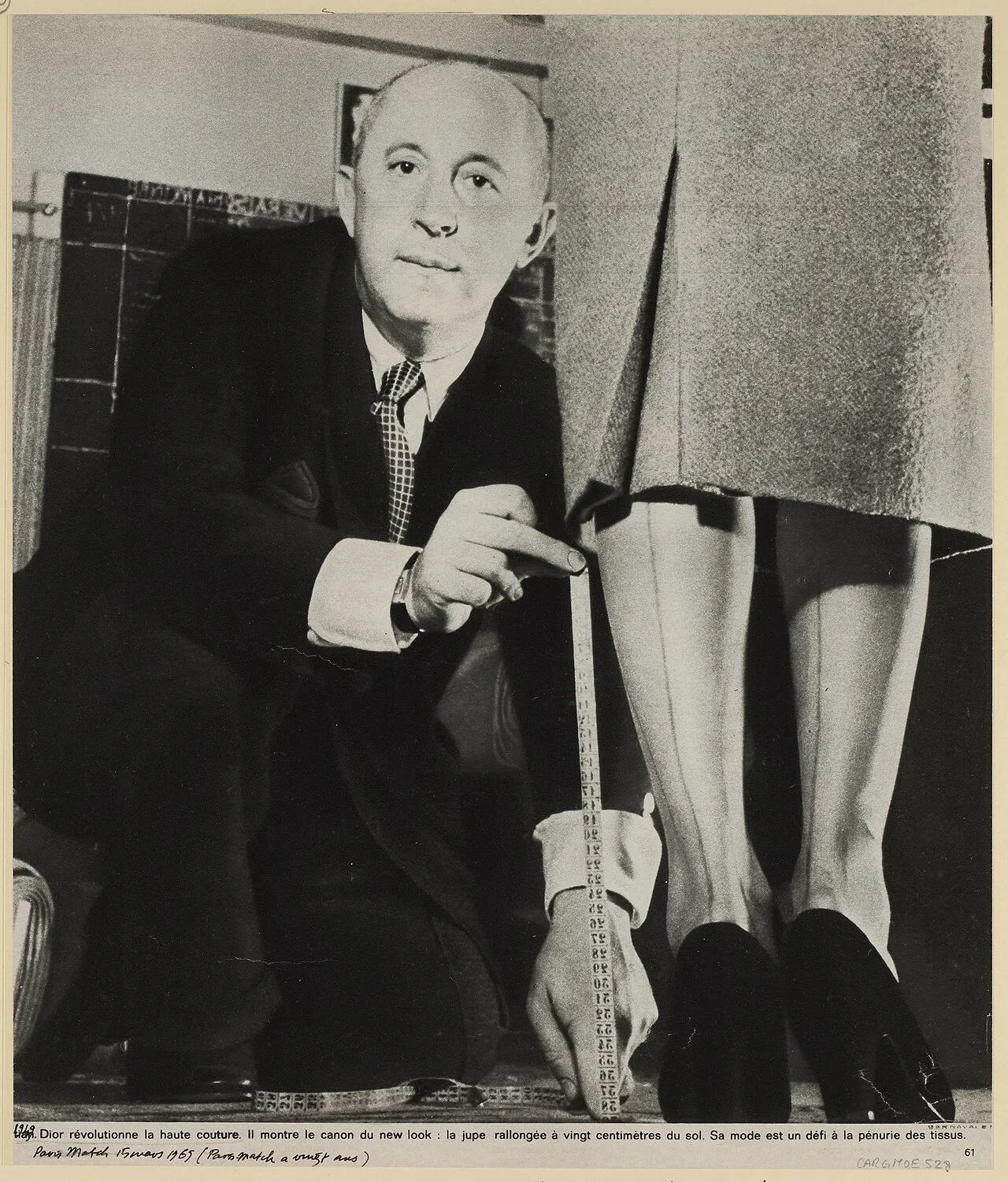
On 12 February 1947, he showed his debut collection: ninety looks across two lines, Corolle and En Huit, built around rounded shoulders, dramatically cinched waists, and skirts so full that a single gown could use up to forty yards of fabric. Carmel Snow, watching from the front row, rushed backstage afterward to congratulate him and, in doing so, gave the style a name that stuck: the New Look.
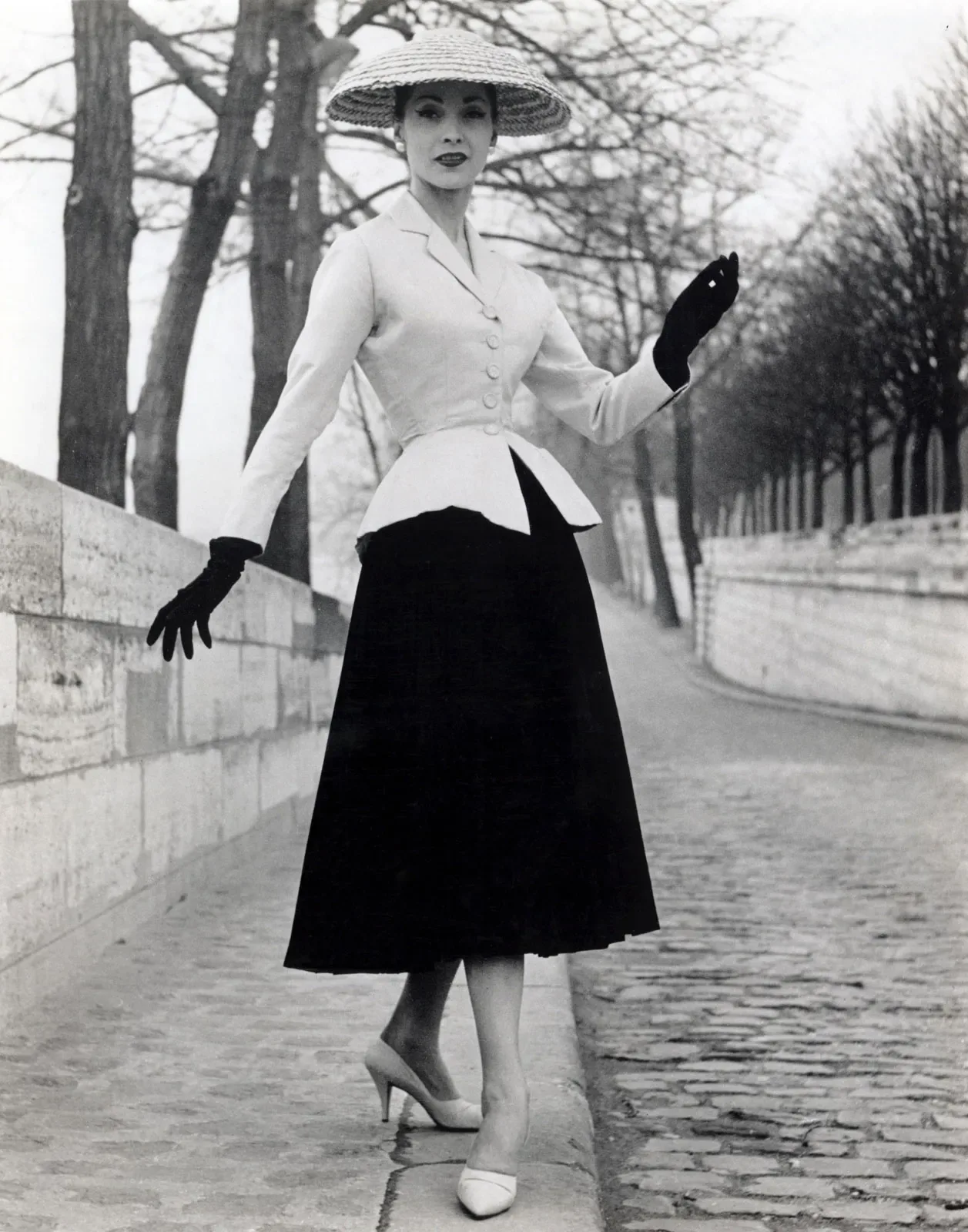
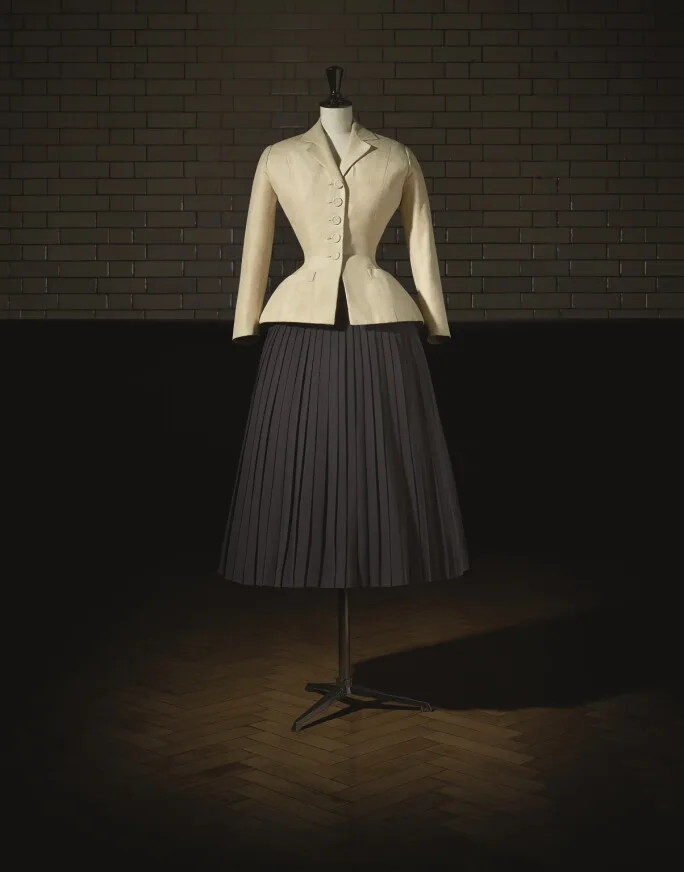
Not everyone welcomed it. To a France still living with rationing and real material hardship, forty yards of fabric in a single skirt struck plenty of people as tone-deaf rather than glamorous, and Dior's opulence drew real criticism alongside the acclaim.
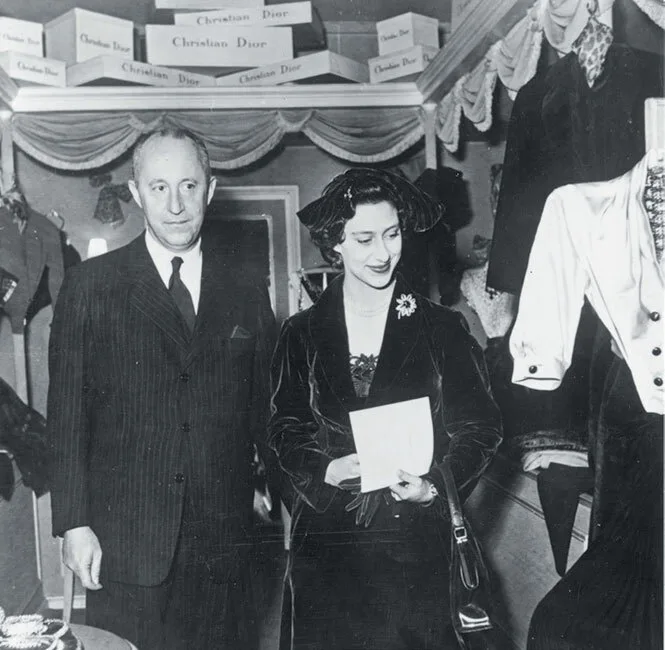
That same year, Dior launched his first fragrance, naming it Miss Dior in tribute to Catherine.
The business that followed grew with startling speed. Dior expanded into perfume, accessories, and makeup, and pioneered an international licensing model unusual for couture at the time, founding Christian Dior New York Inc. in 1949 and, in 1955, a London arm as well.
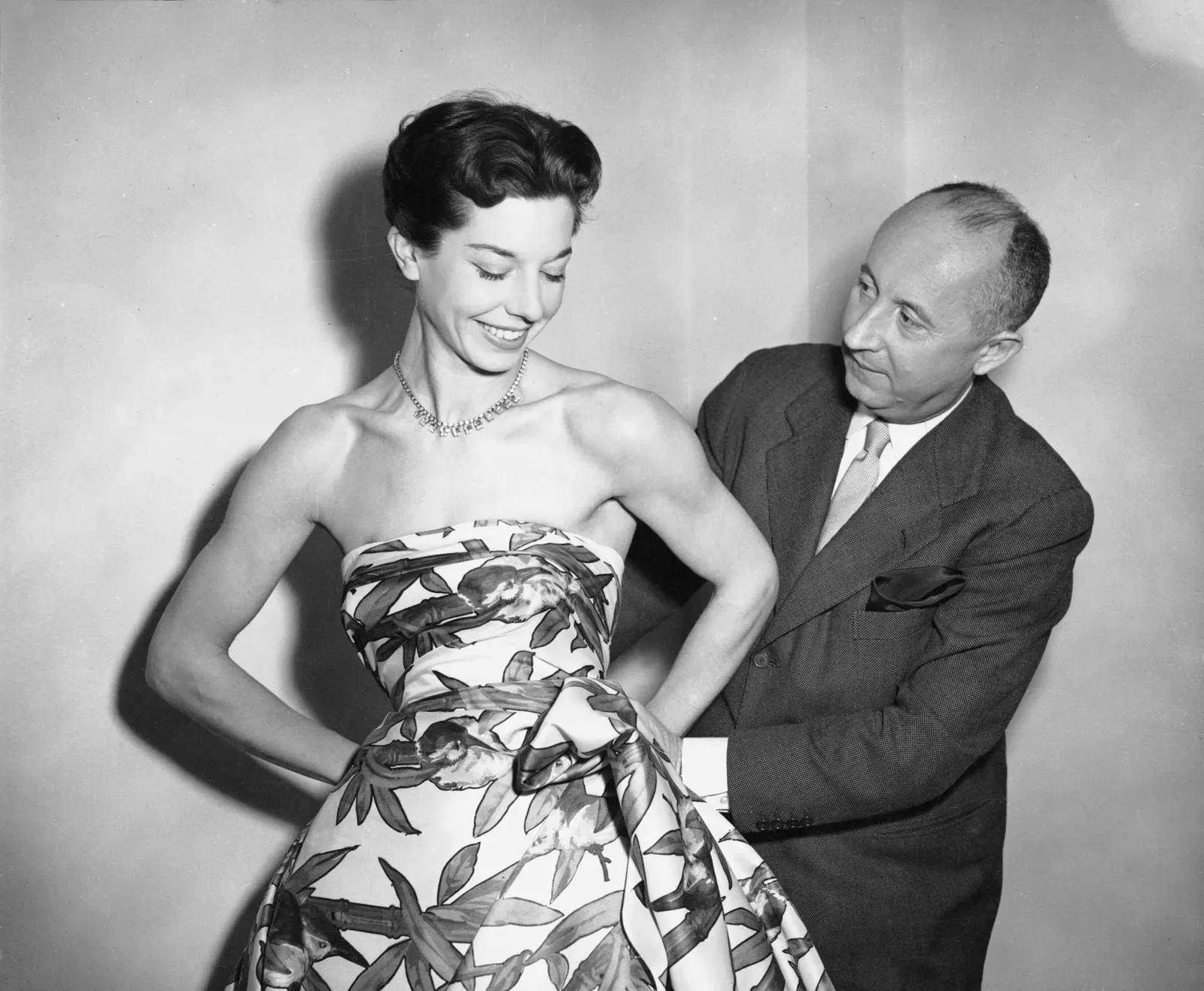
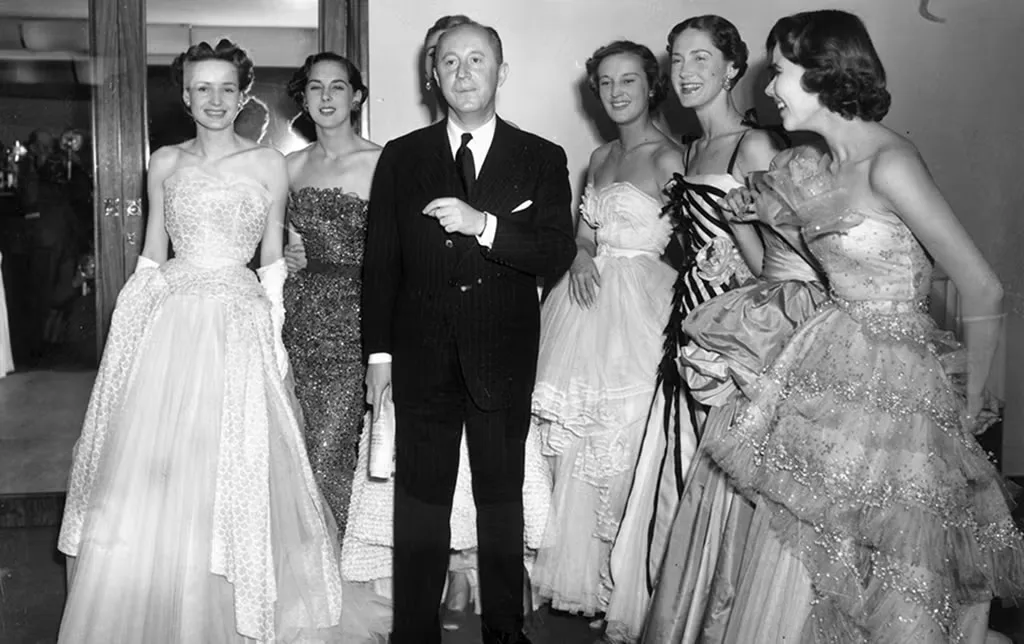
He employed a young Pierre Cardin as a tailor in the late 1940s, and in 1953 took on an even younger assistant: Yves Saint Laurent, whom Dior would spend the rest of his life quietly grooming as his heir.
Once the money allowed for it, Dior bought a mill near Fontainebleau and a flower farm in Provence — a direct, deliberate return to the gardens of his Granville childhood.
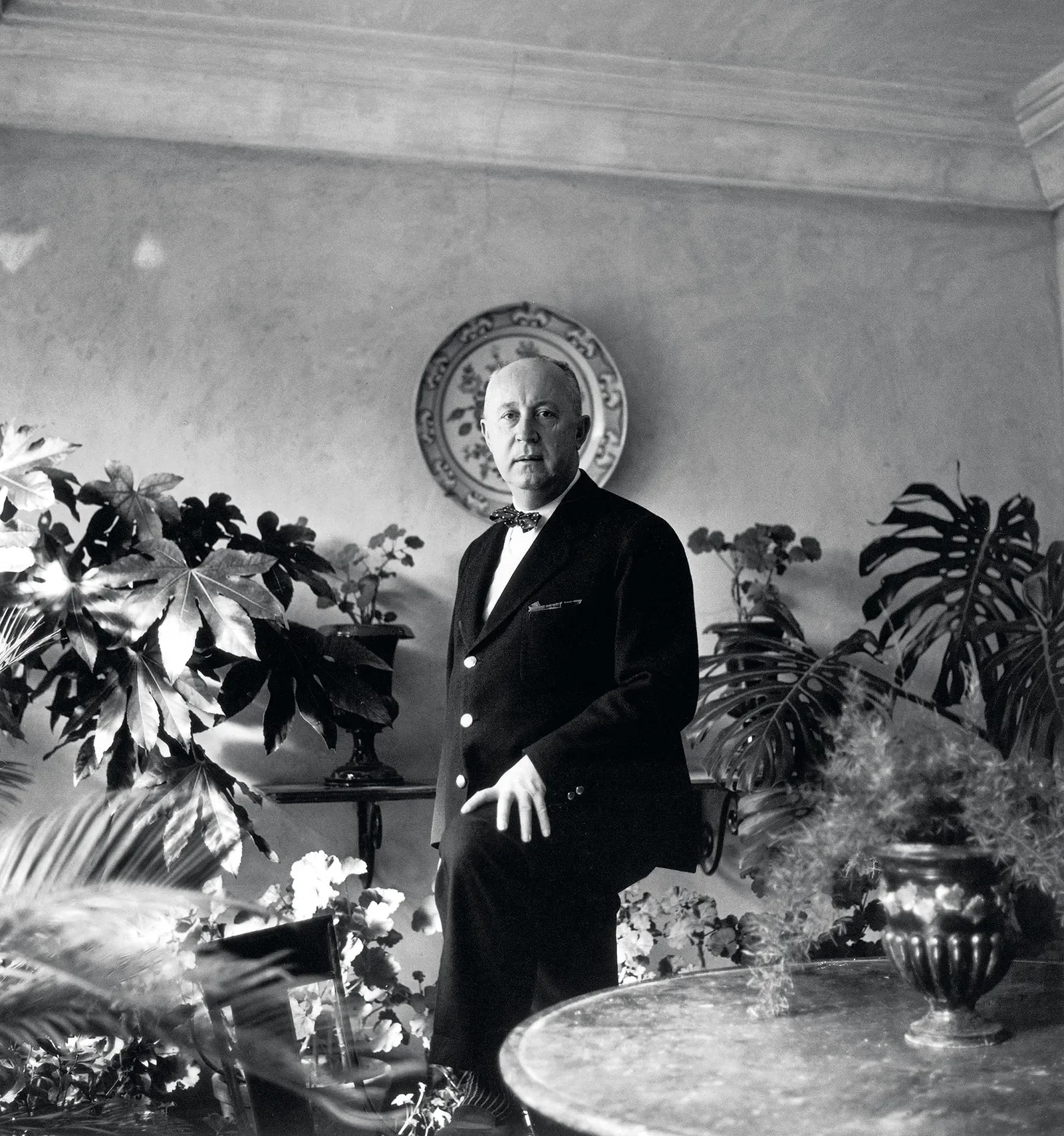
In April 1957, he became the first fashion designer ever to appear on the cover of Time magazine.
Six months later, on 24 October 1957, Dior died of a heart attack while on a rest cure at a spa in Montecatini Terme, Italy, at fifty-two.
Exactly what triggered it has never been settled — popular rumor blamed a fish bone choked on at dinner, other accounts pointed to a strenuous game of cards or simple overexertion — and the true cause died with him.
His funeral drew the giants of the fashion world he'd helped remake: Cristóbal Balenciaga, Pierre Balmain, and Hubert de Givenchy among the mourners.
Dior had also, all his life, been intensely superstitious — consulting fortune tellers, carrying lily of the valley as a personal talisman, and weaving symbols he considered lucky into collection after collection. Whatever those charms were meant to protect against, they didn't buy him time: barely a decade after the New Look, at the height of his fame, he was gone, and twenty-one-year-old Yves Saint Laurent inherited the house almost overnight.
Catherine Dior outlived her brother by more than fifty years. She spent the rest of her own life working quietly with flowers — first as a trader in Paris, later as a farmer in Provence, growing blooms for the perfume trade her brother had helped build. She became honorary president of the Christian Dior Museum in Granville in 1999, and died in 2008, at ninety, having said almost nothing, in all that time, about the camp that had once tried to break her.