People
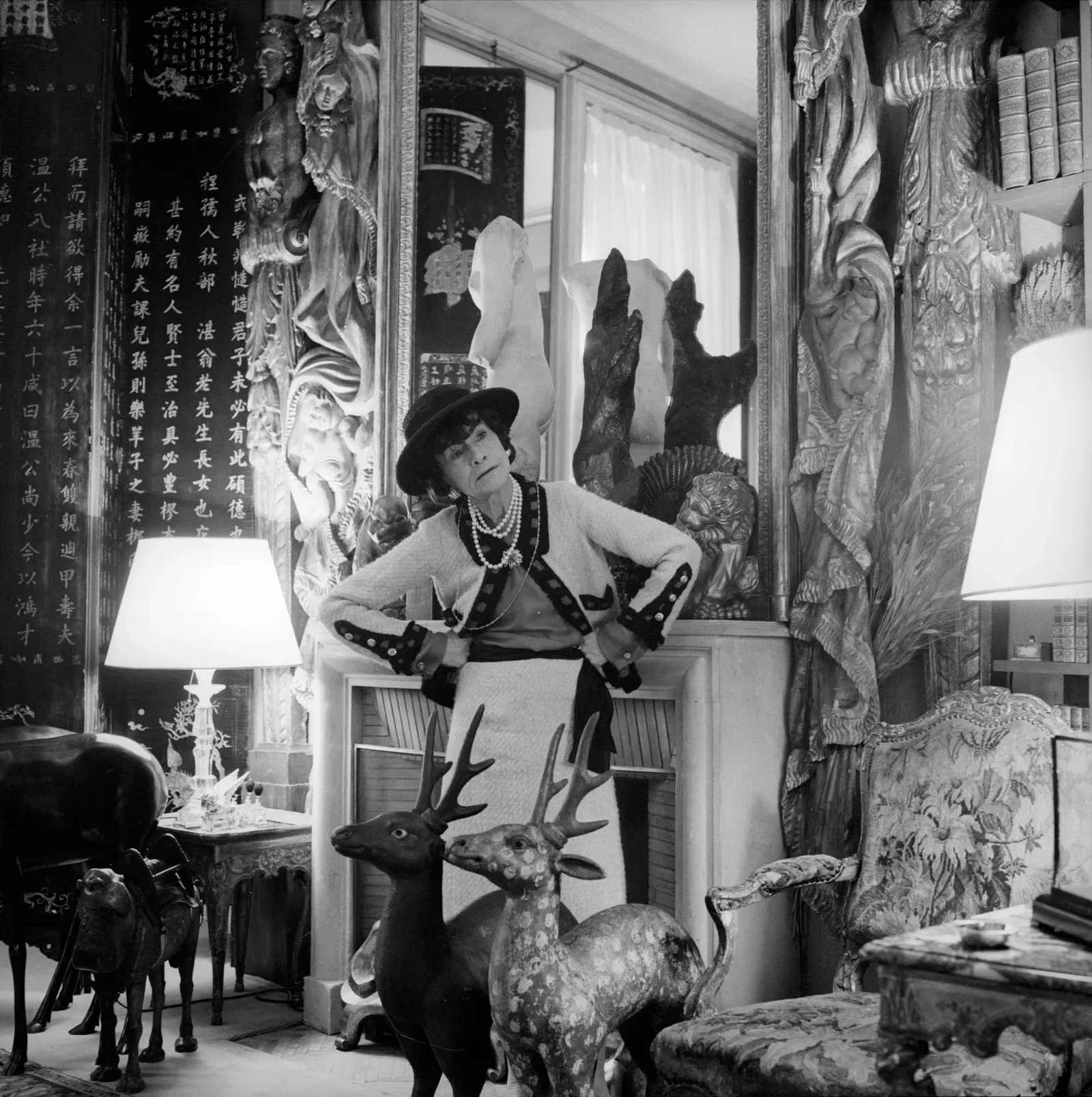
Coco Chanel (19 August 1883 – 10 January 1971)
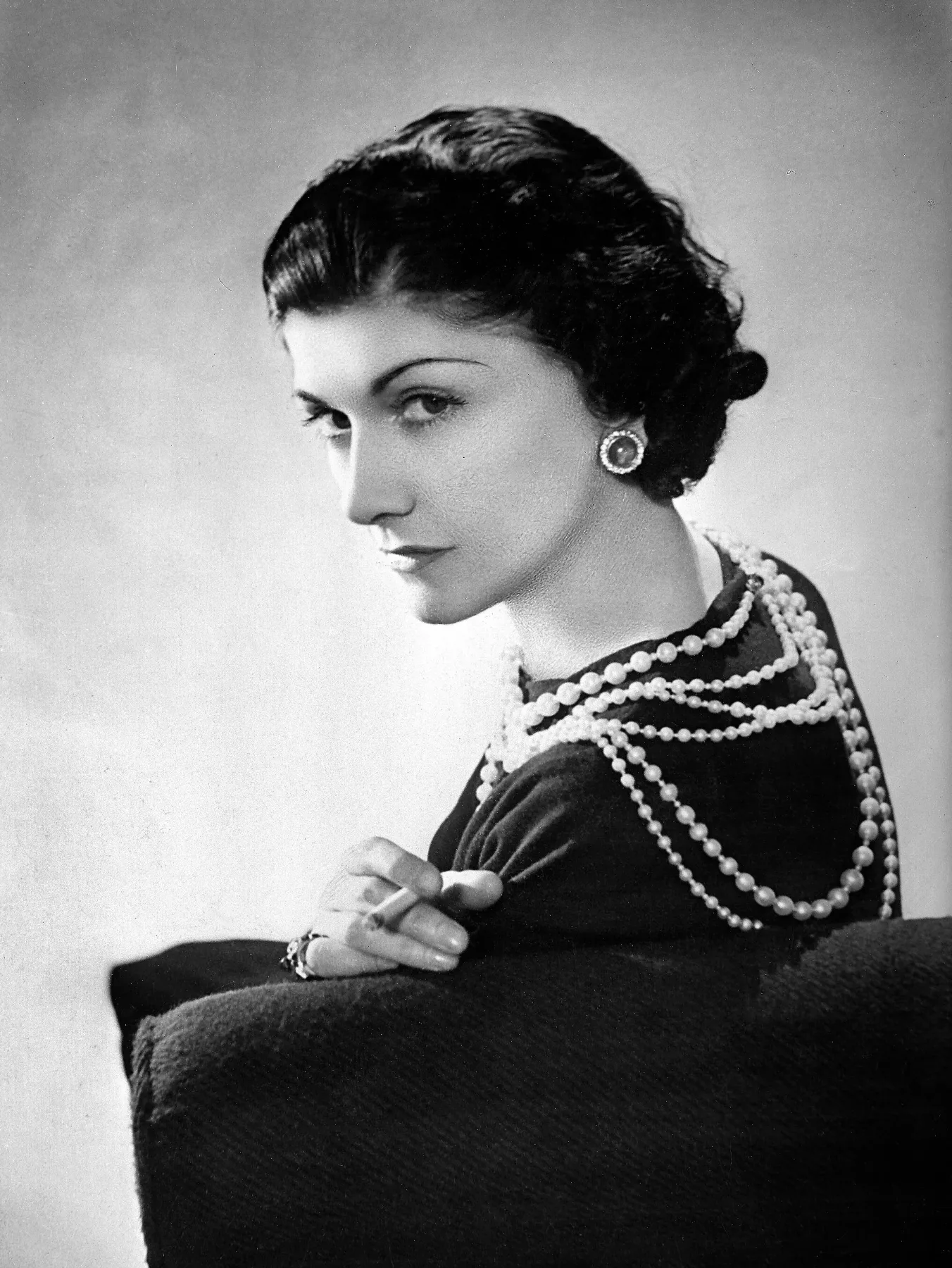
Gabrielle "Coco" Chanel (19 August 1883 – 10 January 1971) was a French fashion designer and businesswoman who spent six decades transforming how Western women dressed — replacing the corset with jersey, launching the "little black dress" and the collarless tweed suit, and building Chanel No. 5 into the best-selling perfume in the world, an extraordinary and extraordinarily long career interrupted only by a well-documented wartime chapter: a relationship with a Nazi intelligence officer, her own registration as a German intelligence asset, and tinted her reputation both as a designer and as a woman.
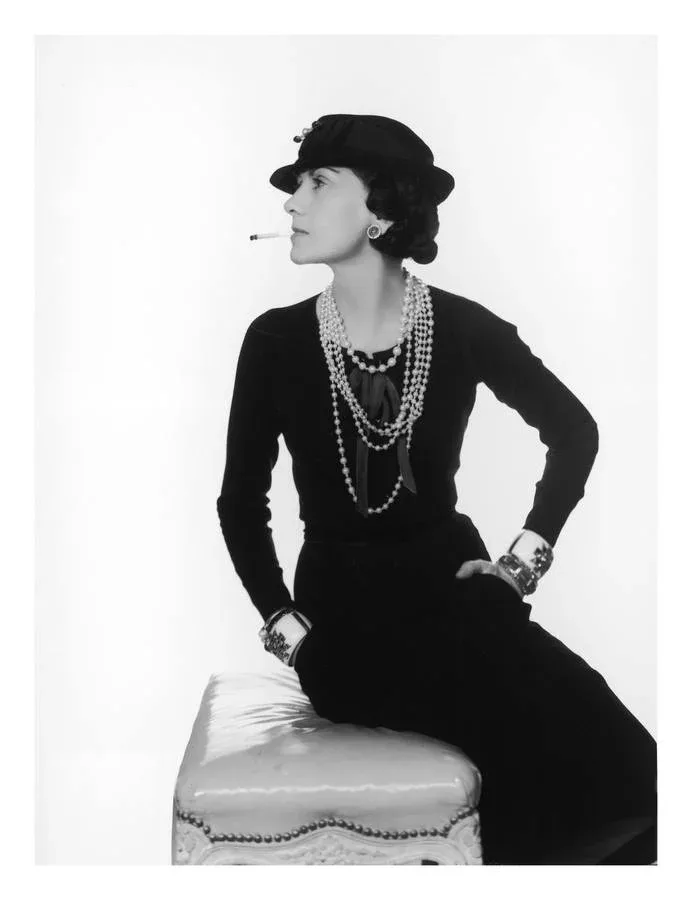
Biography
Gabrielle Bonheur Chanel was born in Saumur, France, on 19 August 1883, to Eugénie Jeanne Devolle, a laundrywoman, and Albert Chanel, an itinerant peddler of work clothes and undergarments. Her parents did not marry until years after her birth.
In 1895, when Gabrielle was eleven, her mother died of bronchitis. Her father, never especially dependable, abandoned all five of his children almost immediately afterward — sending his two sons to work as unpaid farm laborers, and his three daughters, Gabrielle among them, to the orphanage at Aubazine, a convent in central France run by nuns dedicated to caring for the poor and abandoned.
Chanel rarely spoke of her six years at Aubazine in later life. What she did take from it was real: a strict, disciplined environment, and the sewing skills the nuns taught her, which would shape the rest of her career.
In adulthood, she preferred to tell more glamorous, largely invented versions of this period — that her father had sailed for America to seek his fortune, that she had been raised by aunts, even that she was born a decade later than she actually was.
At eighteen, too old to remain at the orphanage, Chanel moved to a convent boarding school for Catholic girls in Moulins. She worked as a seamstress there, and sang, in her spare hours, at a cabaret popular with cavalry officers — where two songs in her repertoire, "Ko Ko Ri Ko" and "Qui qu'a vu Coco," earned her the nickname that stuck for the rest of her life.
It was in Moulins that she met Étienne Balsan, a wealthy former cavalry officer and textile heir. At twenty-three, Chanel became his mistress, living for roughly three years at his château near Compiègne, in a world of horses, hunting, and idle luxury.
Around 1908, Chanel began an affair with one of Balsan's friends, the English businessman Arthur "Boy" Capel — the great love of her life, and unlike Balsan, a man who took her ambitions seriously.
With Capel's financial backing, Chanel opened her first shop, a millinery, at 21 Rue Cambon in Paris in 1910 — the same address the house still occupies today.
In 1913, backed again by Capel, she opened a second shop in the resort town of Deauville, selling hats alongside simple, comfortable sportswear made partly from jersey — a fabric until then used almost exclusively for men's underwear, valued for being soft, flexible, and, with silk scarce during the war years, cheap. Women exhausted by corsets and elaborate Edwardian dress responded immediately.
In 1919, Arthur Capel died suddenly in a car accident. Chanel later called it the greatest loss of her life. By then, though, she no longer needed his money: her business already employed some 300 people and had become a genuine commercial success in its own right.
In 1921, working with the perfumer Ernest Beaux, Chanel launched Chanel No. 5 — a scent deliberately unlike the single-flower perfumes then in fashion, presented in a plain, geometric bottle that broke sharply from the ornate packaging of the era.
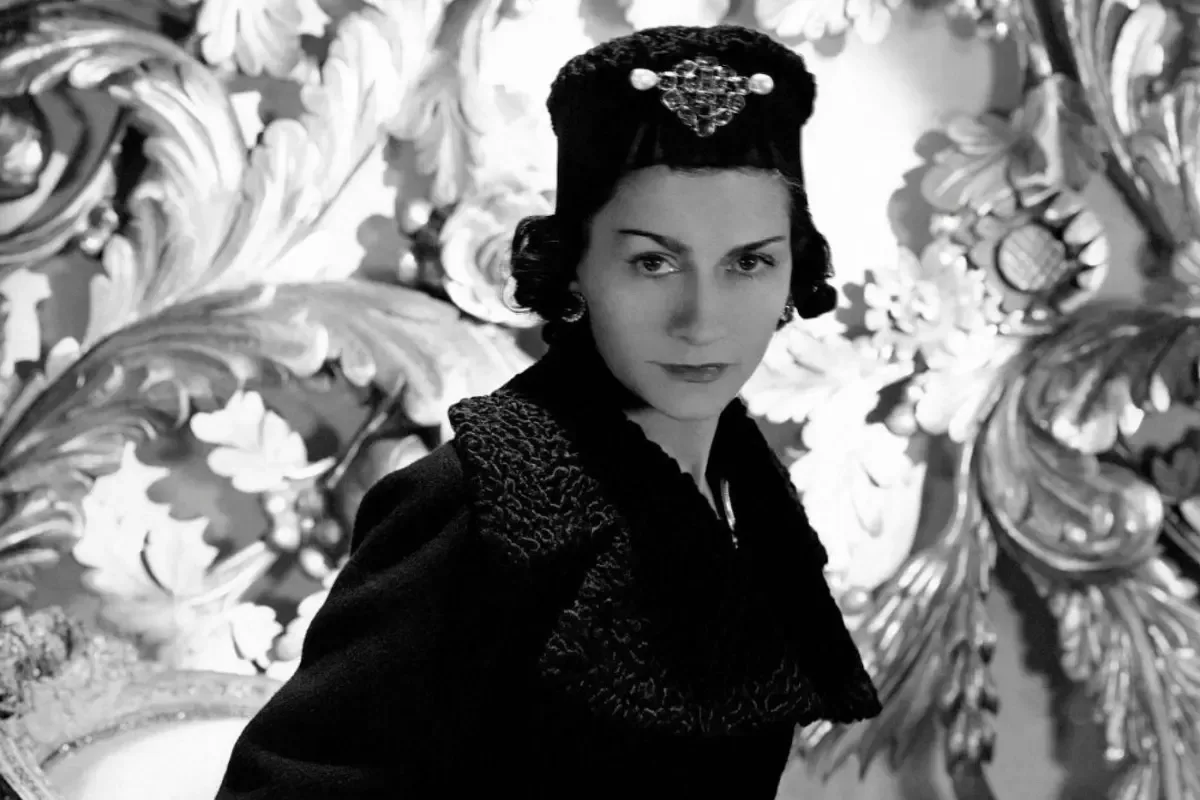
In 1924, to finance the perfume's mass production, she entered a partnership with the Jewish businessman Pierre Wertheimer and his brother Paul, ceding them a seventy percent stake in Parfums Chanel in exchange for capital and distribution — a deal she came to resent bitterly as the perfume grew into the most successful in the world.
The rest of the decade brought the innovations still associated with her name: costume jewelry in 1924, the collarless, boxy cardigan jacket that evolved into the Chanel suit in 1925, and, in 1926, the "little black dress" — a design so versatile that Vogue compared its likely ubiquity to the Ford Model T.
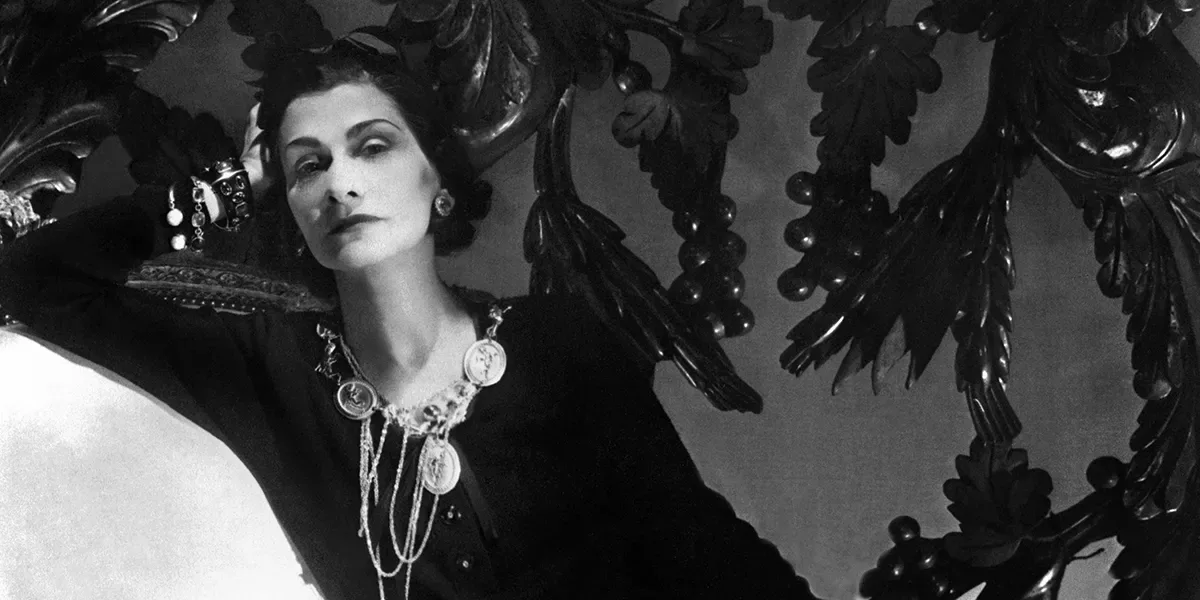
By the late 1920s, the Chanel business — couture house, perfume laboratory, textile mill, and jewelry workshop together — employed more than two thousand people. "Luxury must be comfortable," she said of the whole philosophy, "otherwise it is not luxury."
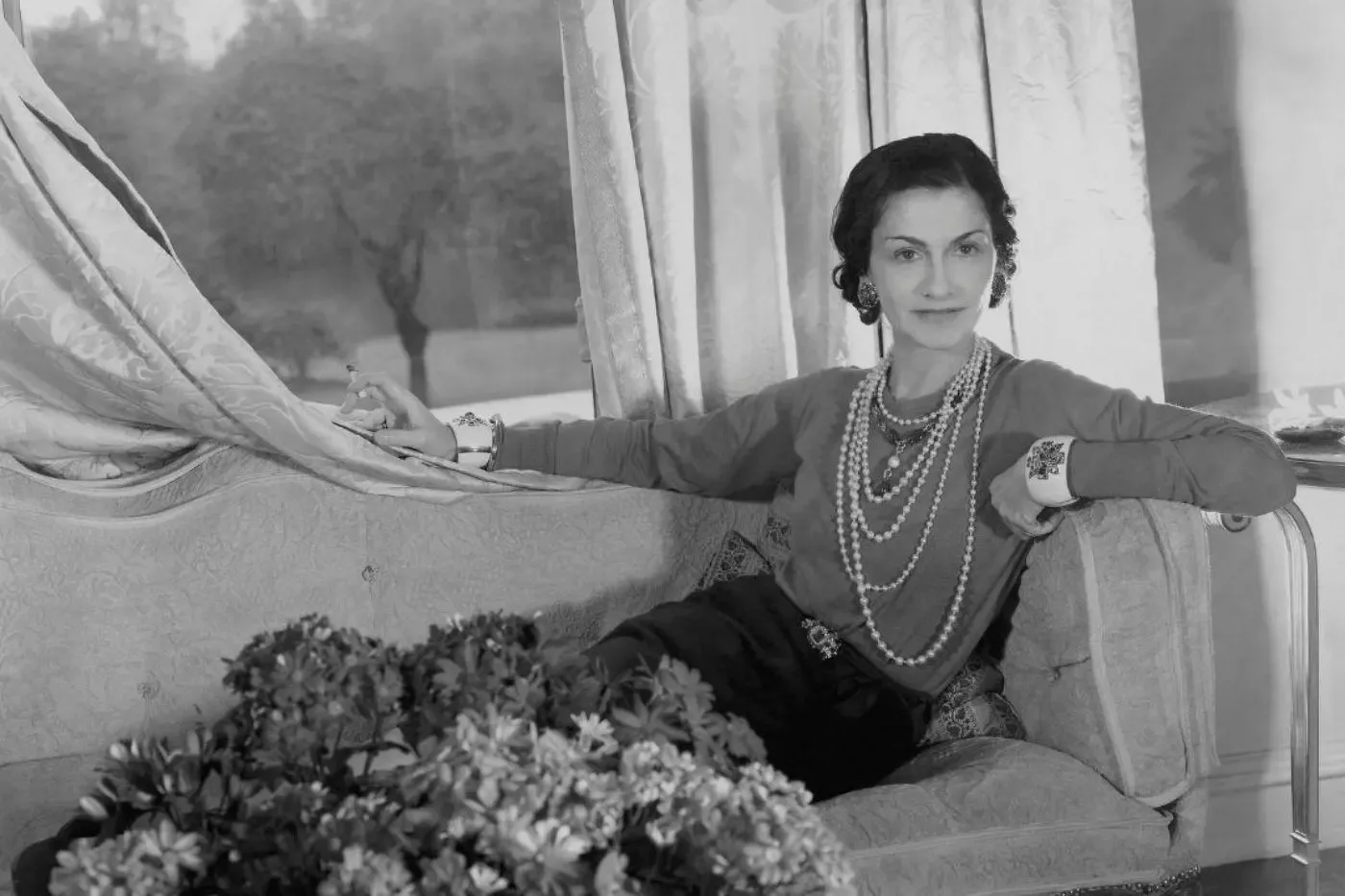
Chanel closed her Paris couture house at the outbreak of the Second World War in 1939, keeping only the perfume boutique open. When Germany occupied Paris the following year, she moved into the Hôtel Ritz, by then partly requisitioned as a German headquarters and reserved for what Berlin itself called "high-ranking personalities" — a sign of exactly how well connected she already was.
She began a relationship with Baron Hans Günther von Dincklage, a German intelligence officer thirteen years her junior with ties to the Abwehr, the Gestapo, and the SS. Through him, and through her own social standing, Chanel was drawn into German military intelligence directly: in 1941 she was formally registered as an Abwehr agent, given the code name "Westminster" — a nod to a former lover, the Duke of Westminster — and the file number F-7124.
Her nephew André Palasse, whom she had raised since childhood, was held in a German prisoner-of-war camp during the occupation; German intelligence officers reportedly offered to help secure his release in exchange for her cooperation.
In 1943, she was drawn into a failed operation, code-named "Operation Modellhut," intended to use her personal ties to Winston Churchill and the Duke of Westminster to broker a separate peace between Britain and Germany. It went nowhere.
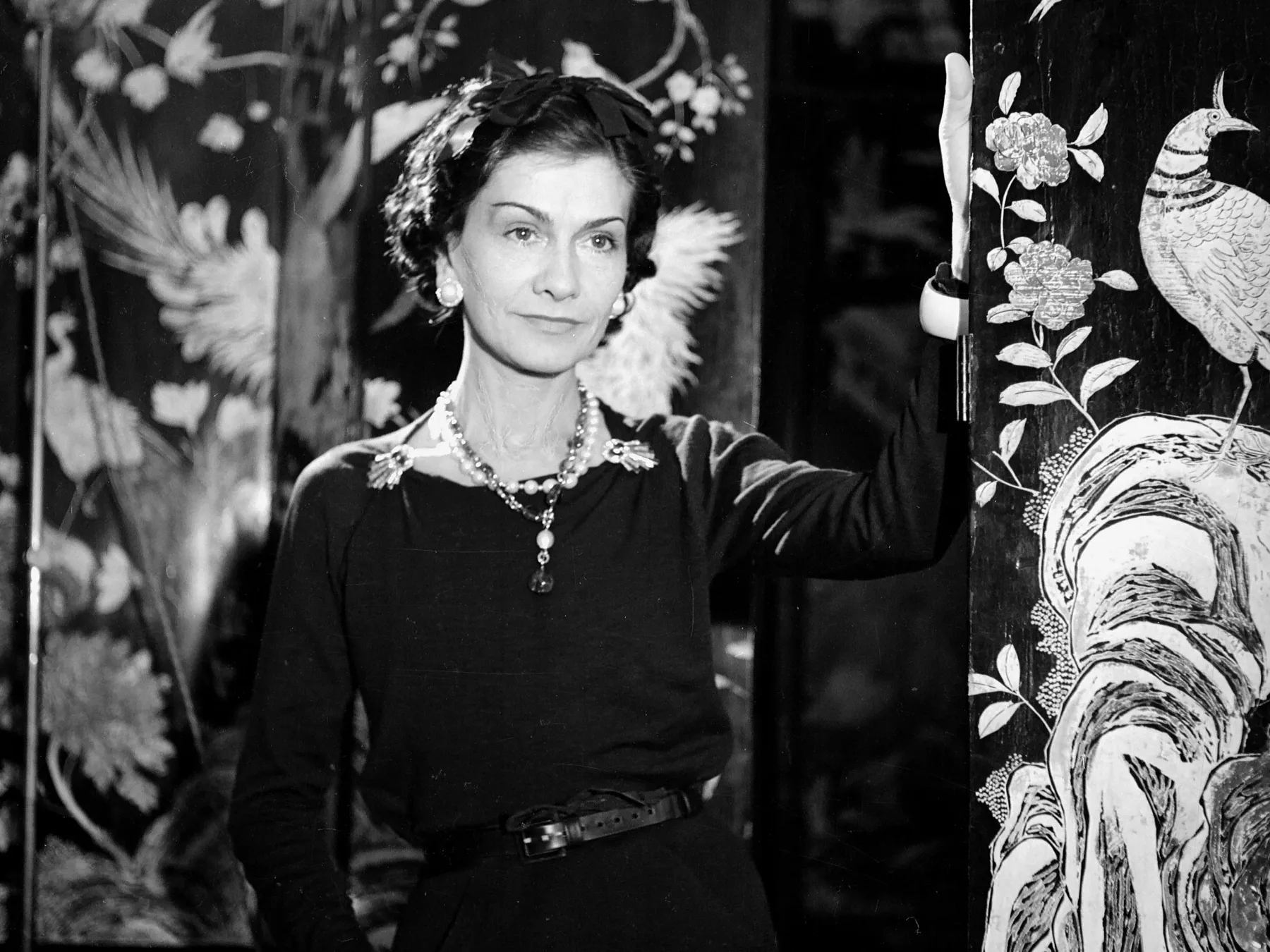
Throughout the occupation, Chanel also pursued a separate, more personal campaign: an attempt to seize full ownership of Parfums Chanel from the Wertheimer brothers, who were Jewish and had fled to the United States.
She invoked the Nazis' own Aryanization laws, which permitted the seizure of Jewish-owned businesses, writing directly to German authorities to argue that, as an "Aryan," she alone was entitled to a company a Jewish family currently controlled. The Wertheimers had anticipated exactly this move, and had already quietly transferred nominal control of the firm to a non-Jewish associate, keeping it out of both Chanel's reach and the Nazis'.
After Paris was liberated in 1944, Chanel was arrested and questioned by French authorities investigating wartime collaboration. She was released within hours — reportedly through the intervention of powerful friends, possibly including Churchill himself, though exactly why she was let go so quickly has never been fully documented. Facing the real possibility of the public humiliation dealt out to other collaborators, she left for Switzerland the following year, and lived there in exile for roughly a decade.
In 1954, at seventy, she staged a comeback — financed, remarkably, by Pierre Wertheimer, the very man whose company she had tried to take from during the war.
As part of the arrangement, Chanel signed over all remaining rights to her own name in exchange for a lump sum and ongoing royalties; Wertheimer also agreed to cover her living expenses for the rest of her life.
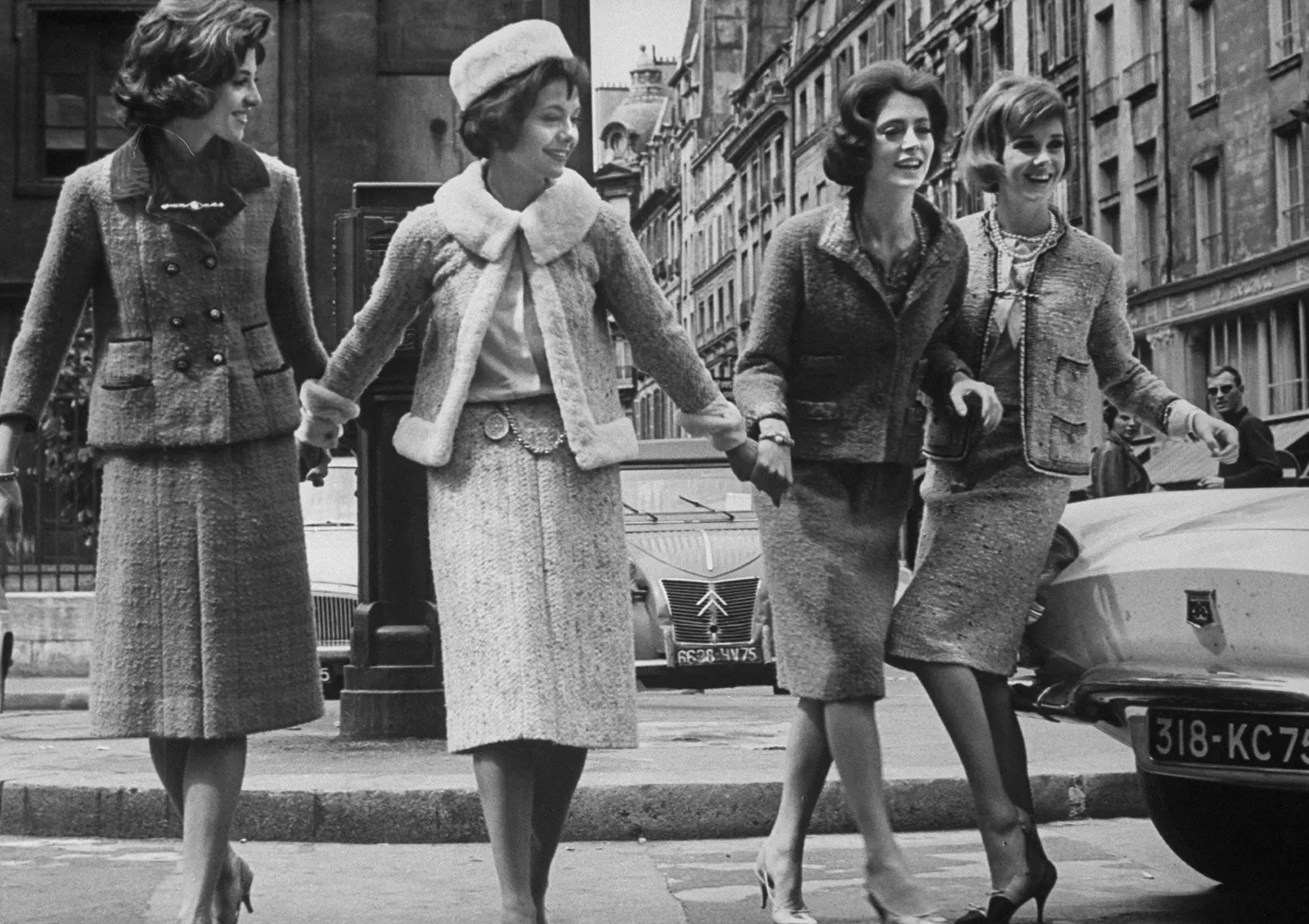
The relaunch was received coolly at first in a France still holding the war years close, but caught on quickly in the American market, and within a few seasons Chanel was once again a leading name in international fashion — her suit becoming, in various forms, something close to a uniform for the era's most photographed women, Jacqueline Kennedy among them.
Chanel kept working until the very end, and died in her suite at the Hôtel Ritz Paris on 10 January 1971, at eighty-seven, reportedly while putting finishing touches on her next collection.
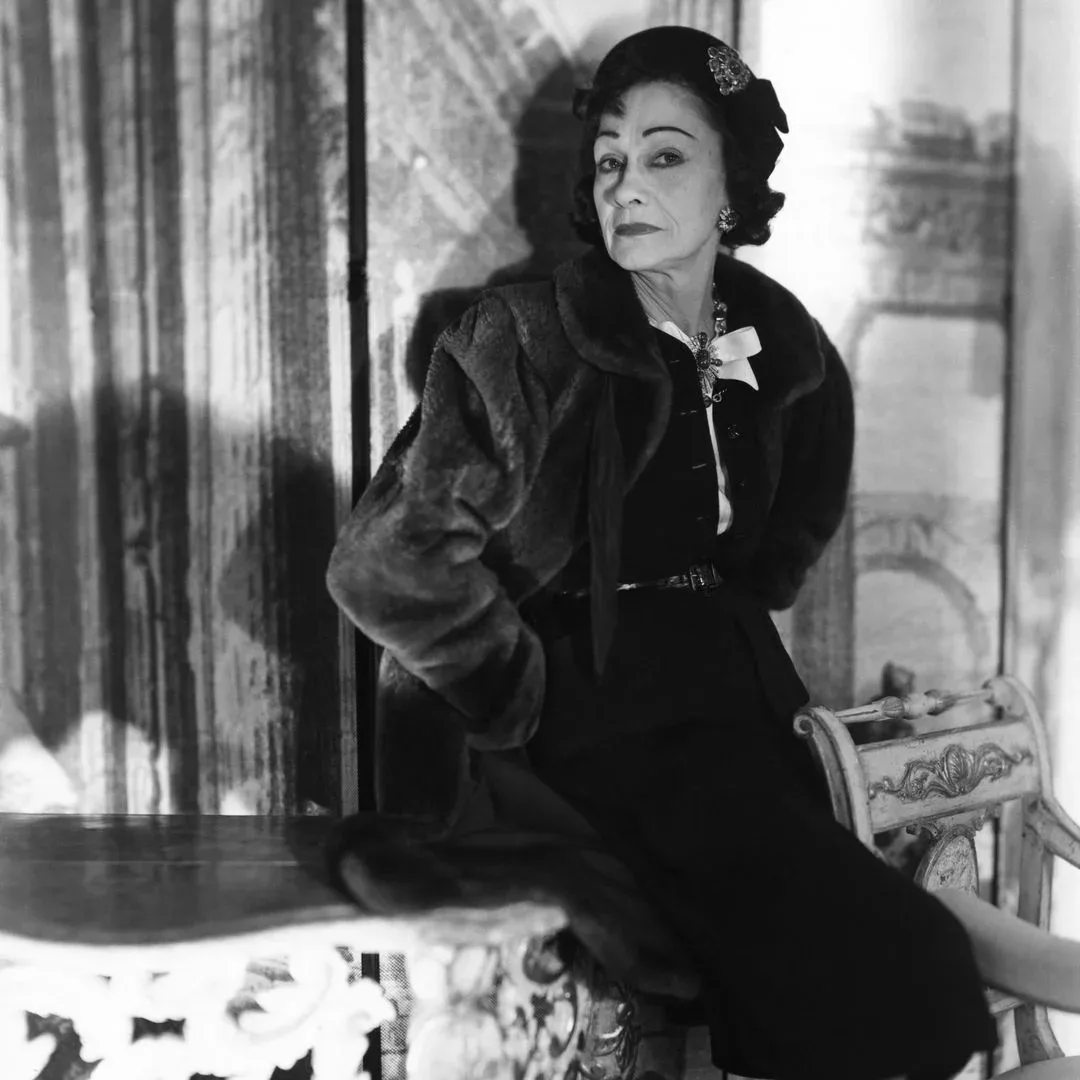
Her funeral drew hundreds of mourners from across the fashion world, including Yves Saint Laurent and Paco Rabanne; her final collection, shown two weeks later, received a standing ovation. She was buried not in France but in Lausanne, Switzerland — the country that had sheltered her once before.
"My life didn't please me," she once said, "so I created my life." She meant her own myth as much as her clothes, and by the time she died, most of the world had long since stopped being able to tell the two apart.