People
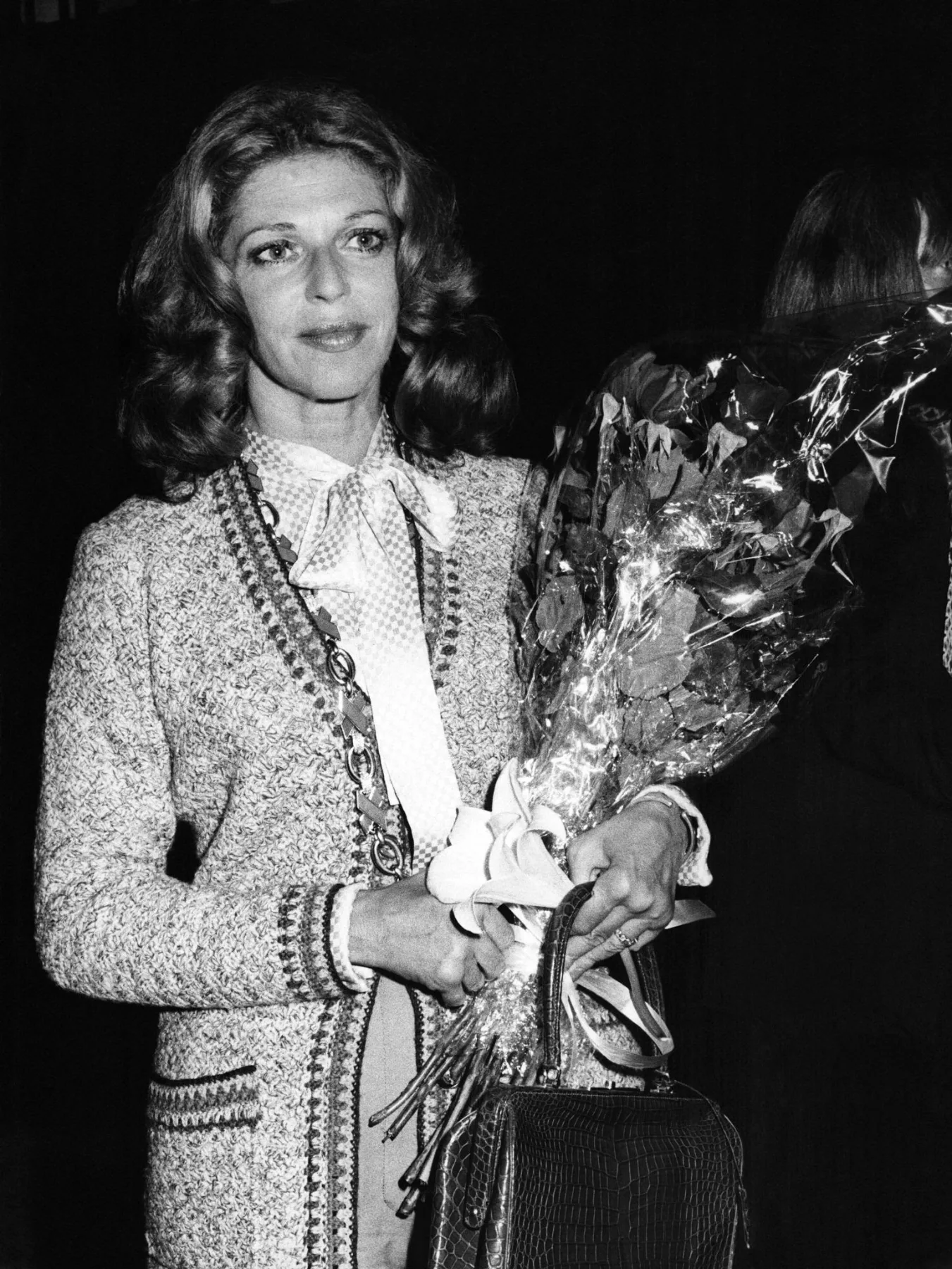
Marie-Hélène de Rothschild (born Marie-Hélène Naila Stephanie Josina van Zuylen van Nyevelt van de Haar; 1927–1996)
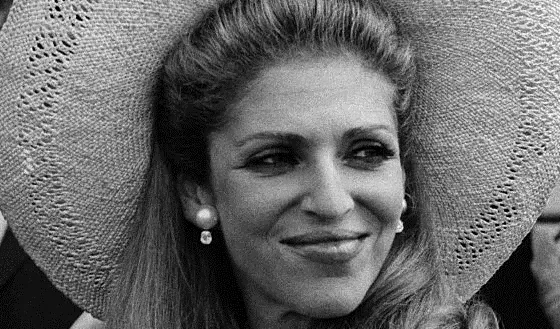
Baroness Marie-Hélène de Rothschild (born Marie-Hélène Naila Stephanie Josina van Zuylen van Nyevelt van de Haar; 1927–1996) was a French-American socialite and one of the most celebrated hostesses of twentieth-century Paris. As the wife of Baron Guy de Rothschild, she restored two of France's most storied private residences and staged a string of legendary parties, none more famous than the 1972 Surrealist Ball, still cited today as one of the most extravagant private gatherings the century ever produced.
Biography
Marie-Hélène was born in New York City in 1927, the eldest of three children of Baron Egmont van Zuylen van Nyevelt, a diplomat and businessman of Dutch and Jewish descent, and Marguerite Marie Namétalla, who had been born in Egypt to Syrian immigrant parents. She was educated at Marymount College in Tarrytown, New York, before moving to Paris as a young woman.
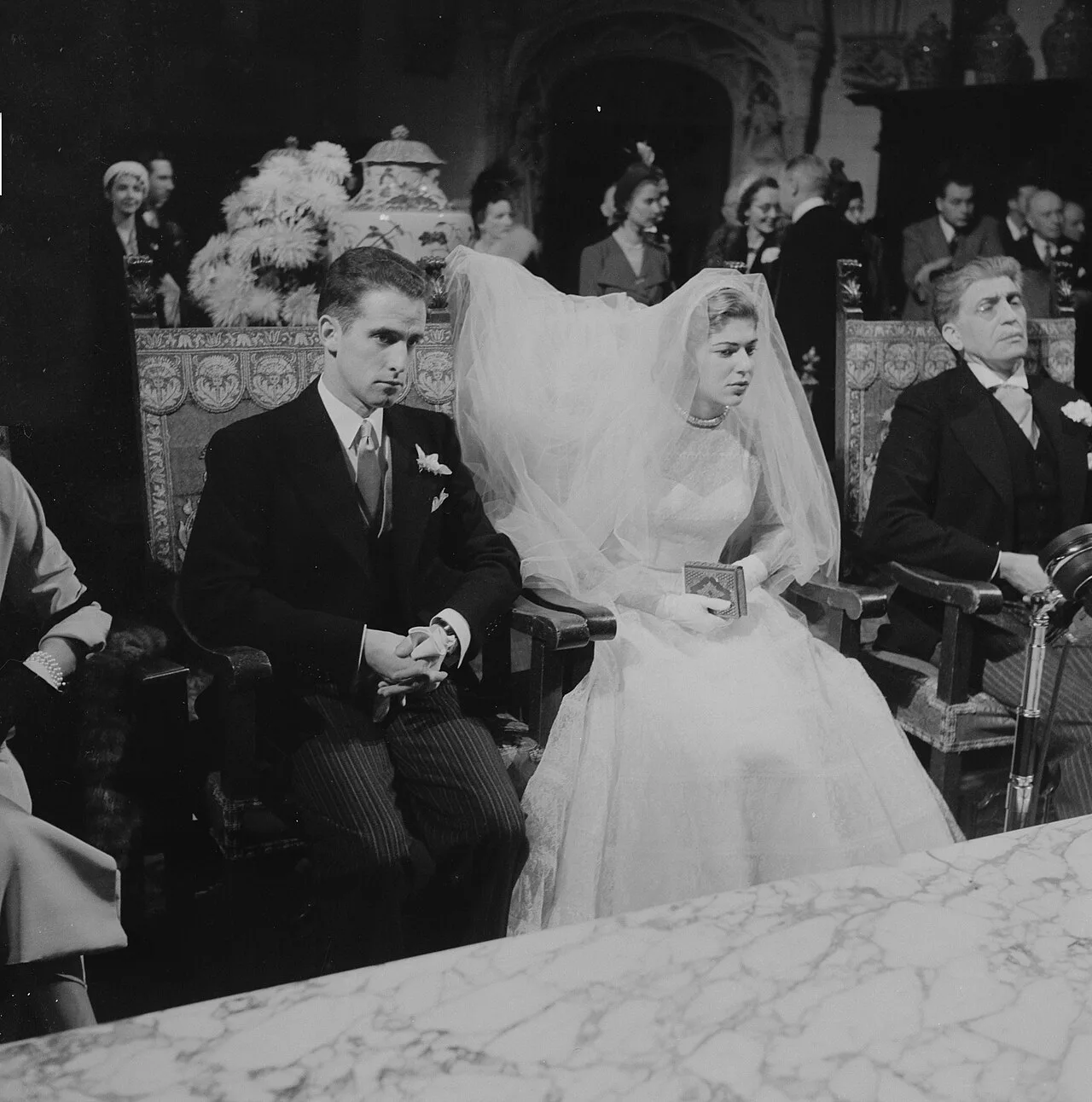
Her first marriage, to a French count with a passion for horse breeding, was brief. In 1957, she married her own third cousin, Baron Guy de Rothschild, head of the de Rothschild Frères banking house.
The couple's principal residence, the Château de Ferrières outside Paris, had been seized by German forces during the wartime occupation and left empty for years afterward.
The newlywed Rothschilds reopened it in 1959, and Marie-Hélène personally oversaw its restoration, turning it into a place where European nobility mixed freely with musicians, fashion designers, and Hollywood stars.
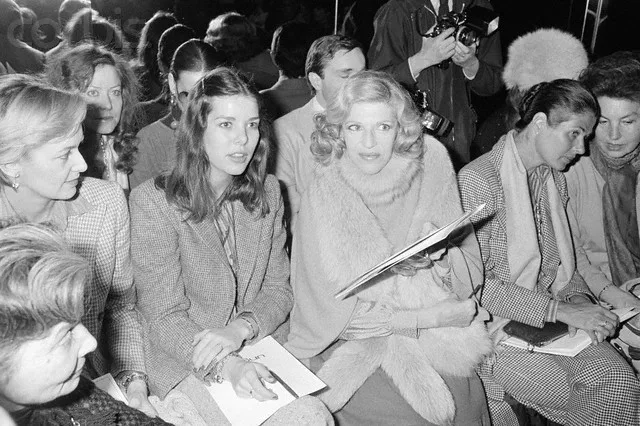
Marie-Hélène's parties became genuinely legendary in her own lifetime, drawing guests including Salvador Dalí, Grace Kelly, Andy Warhol, Yves Saint Laurent, and her close friend Audrey Hepburn.
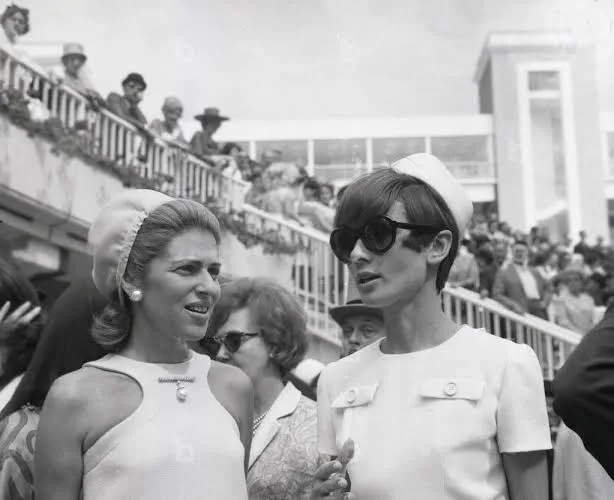
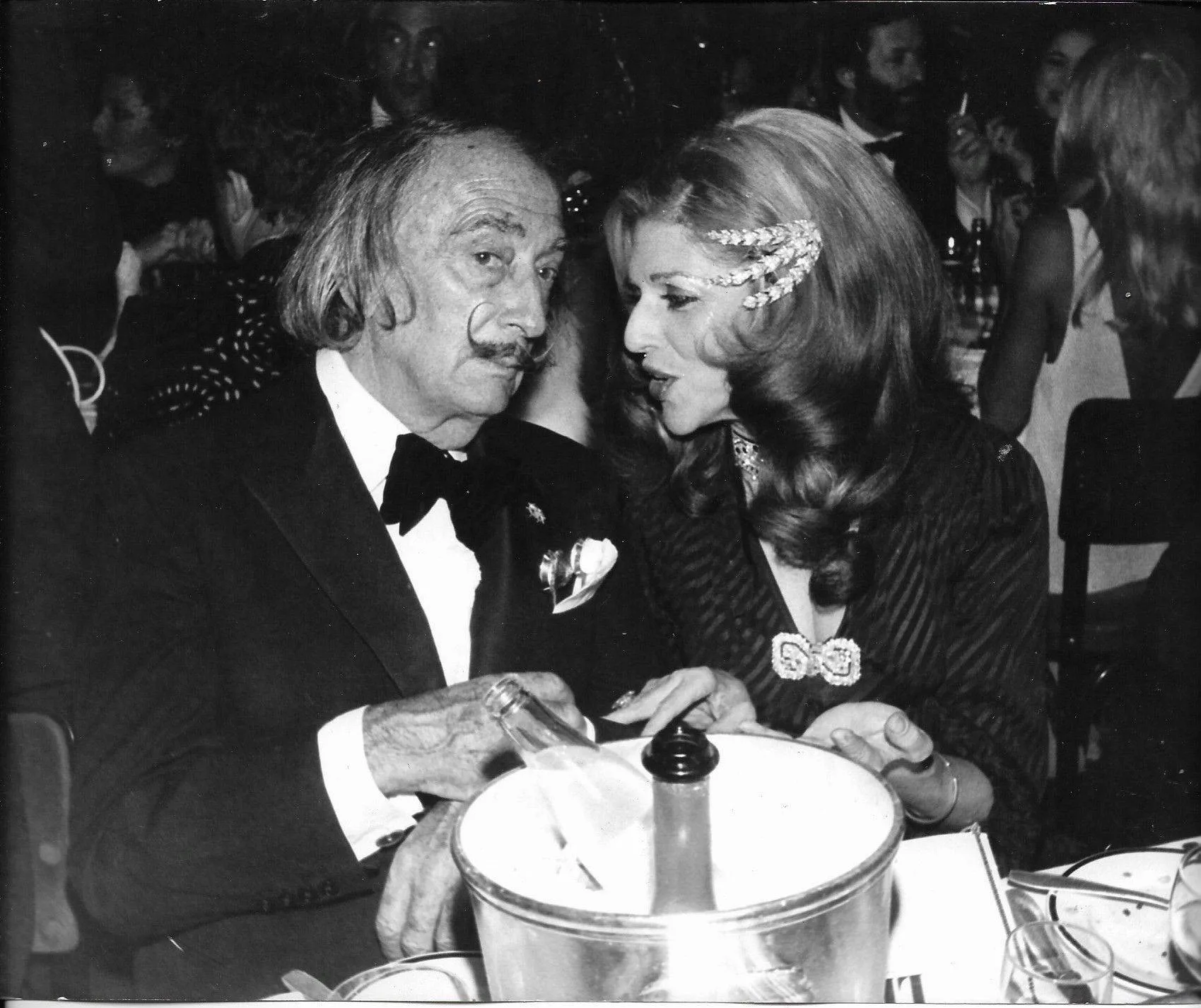
The most famous of them all, held at Ferrières on 12 December 1972, was the Bal Oriental, better known as the Surrealist Ball. Invitations went out printed entirely backward, legible only when held up to a mirror, instructing guests to appear in "black tie, long dresses, and surrealist heads."
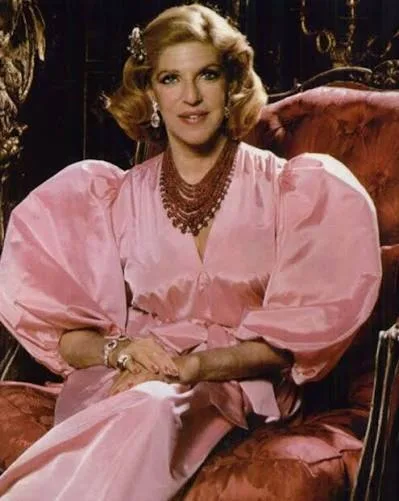
The château's façade was floodlit to look as though it were on fire. Footmen dressed as sleeping cats lined the staircase inside; the dinner tables were set with taxidermied tortoises, plates draped in fur, and food arranged across a reclining mannequin covered in roses. Marie-Hélène herself wore an oversized stag's head crowned with teardrops made of real diamonds; Audrey Hepburn arrived in a birdcage headpiece, and the perfumer Hélène Rochas wore a gramophone.
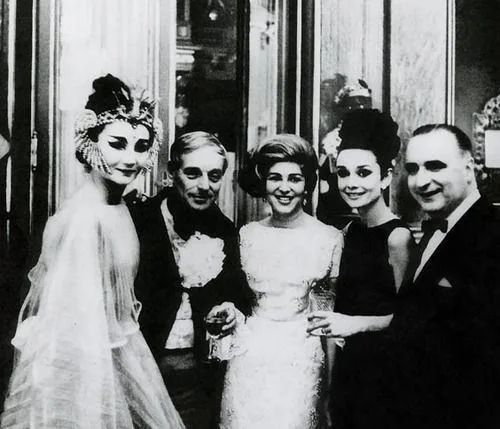
The evening remains, more than fifty years later, a fixed reference point for anyone discussing theatrical entertaining at its most extreme.
The following year, in 1973, Marie-Hélène organized an event of considerably more lasting consequence for the fashion industry: a joint runway show at the Théâtre Gabriel at the Château de Versailles, pairing five French couturiers against five American designers on the same stage. The event, later remembered as the Battle of Versailles, gave American ready-to-wear designers their first real platform to be judged as equals to Paris's own couture houses, a turning point historians still point to when explaining how American fashion earned its international standing.
In 1975, the Rothschilds gave up Ferrières, which passed into the hands of the Paris university system, and purchased the Hôtel Lambert on the Île Saint-Louis, one of the most opulent private mansions in Paris. Marie-Hélène again took charge of its restoration, and grew close during this period to the socialite Baron Alexis de Redé, another resident of the building.
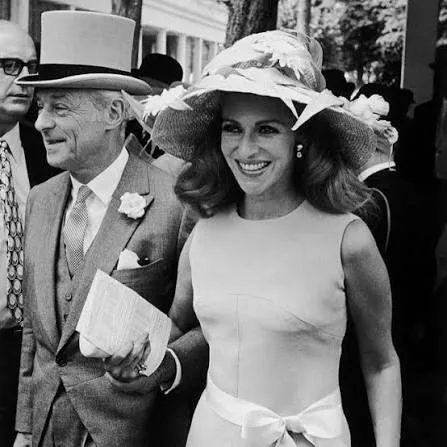
In her final years, Marie-Hélène battled rheumatoid arthritis and cancer for more than a decade.
She died in 1996, at sixty-eight, having spent four decades turning two of France's grandest addresses, and a handful of unforgettable evenings inside them, into a lasting part of the century's cultural memory.