People
Catherine Deneuve (born Catherine Fabienne Dorléac; born 22 October 1943)
Catherine Dorléac, dite Catherine Deneuve, est une actrice française née le 22 octobre 1943 à Paris. Considérée comme l'une des plus grandes actrices françaises de sa génération et de la...
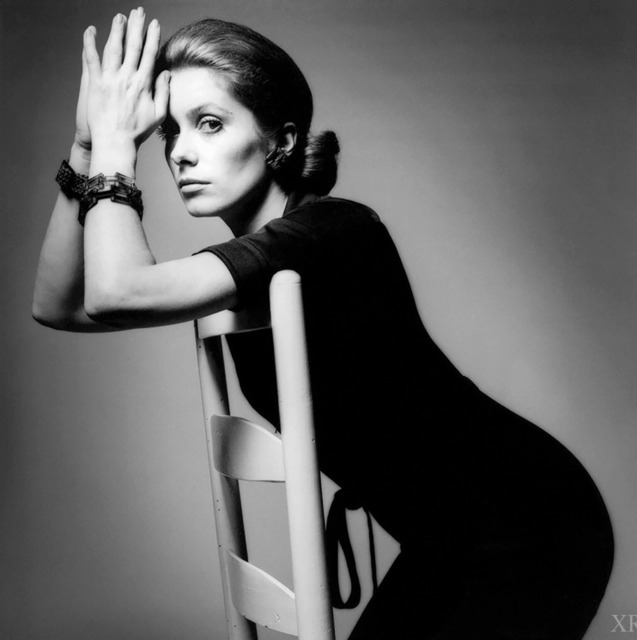
Catherine Deneuve (born Catherine Fabienne Dorléac; born 22 October 1943) is a French actress, as well as an occasional singer, model and producer. She is one of the defining faces of French cinema since the 1960s and considered one of the greatest European actresses.
A 14-time César Award nominee, she won for her performances in Truffaut's The Last Metro (1980), for which she also won the David di Donatello for Best Foreign Actress.
Best known internationally for Belle de Jour (1967), she became a lifelong muse to the designer Yves Saint Laurent and, in 1985, the second actress ever chosen as the face of Marianne, the female personification of the French Republic, after Brigitte Bardot.
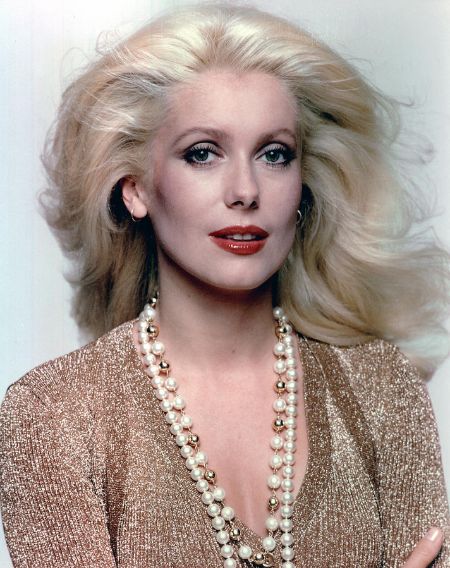
Biography
Catherine Fabienne Dorléac was born in Paris on 22 October 1943, the third of four daughters of the stage actor Maurice Dorléac and the actress Renée Simonot, who would live to be a hundred and nine. Her elder half-sister, Danièle, was born in 1936 from her mother's earlier relationship with the actor Aimé Clariond; her full sisters were Françoise Dorléac, born in 1942, and Sylvie Dorléac, born in 1946.
Catherine made her screen debut at thirteen in 1957, credited under her real surname, Dorléac. As her older sister Françoise became a rising star in her own right through the early 1960s, Catherine adopted her mother's maiden name, Deneuve, specifically to build a separate identity from her.

The two sisters appeared together in three films, most memorably Jacques Demy's musical The Young Girls of Rochefort (1967).
Between 1961 and 1964, Catherine was in a relationship with the director Roger Vadim, with whom she had a son, Christian Vadim (born 18 June 1963).

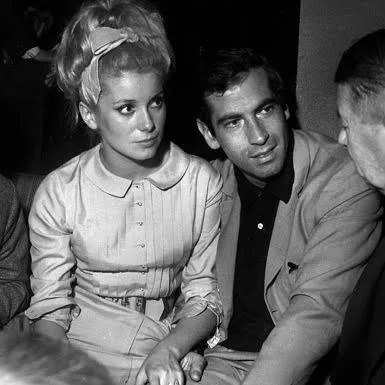
Her breakthrough as a leading actress came in 1964, in Demy's The Umbrellas of Cherbourg, which won the Palme d'Or at Cannes, and she remained active in European films during the 1960s and 1970s.
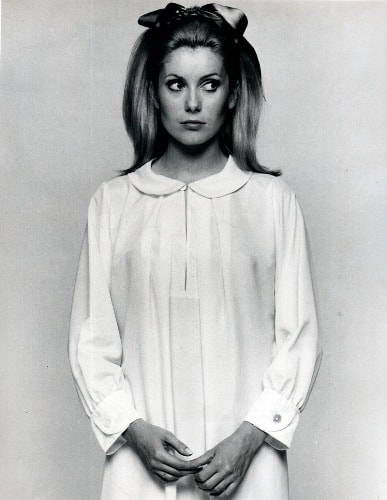
In 1965, Catherine married the photographer David Bailey and starred in Roman Polanski's English-language psychological thriller Repulsion. The marriage ended in divorce in 1972.
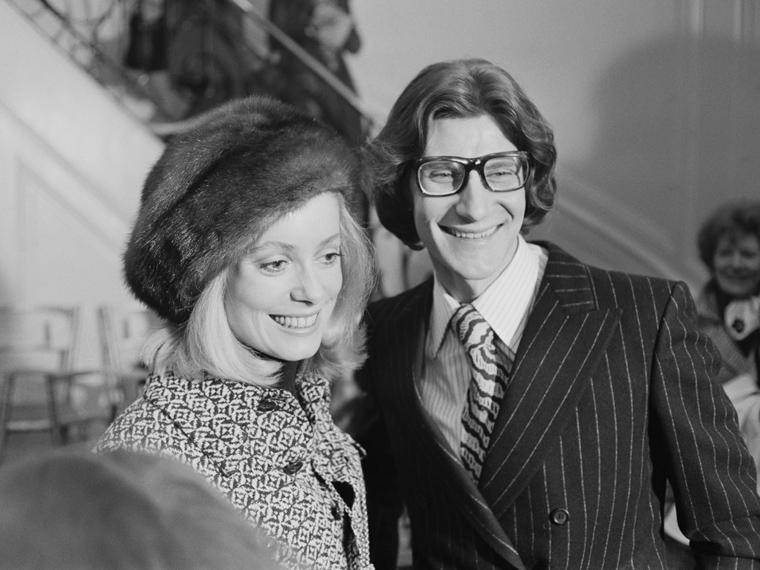
In 1967, Catherine starred in Luis Buñuel's Belle de Jour, playing a bourgeois housewife leading a secret double life, a performance that won her the Volpi Cup for Best Actress at the Venice Film Festival and established her internationally. Yves Saint Laurent designed her wardrobe for the film, the beginning of a collaboration that continued across several further films, including La Chamade, La Sirène du Mississippi, Un Flic, Liza, and The Hunger, and made Catherine one of his most enduring muses on screen.


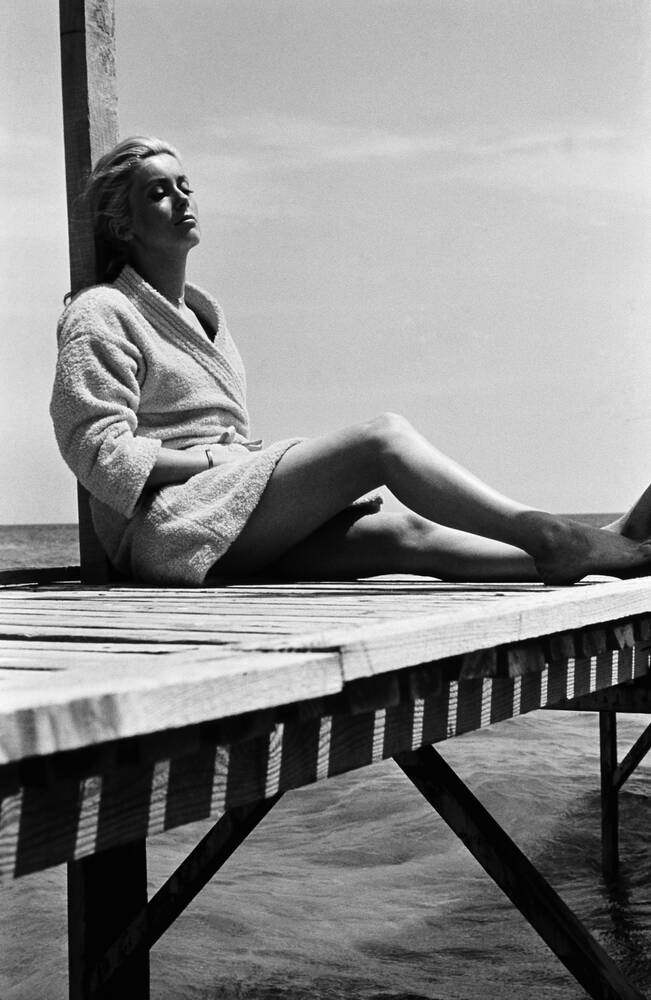
On 26 June 1967, Françoise Dorléac was killed in a car accident near Villeneuve-Loubet on the French Riviera, at twenty-five. Catherine, devastated, continued working through her grief.


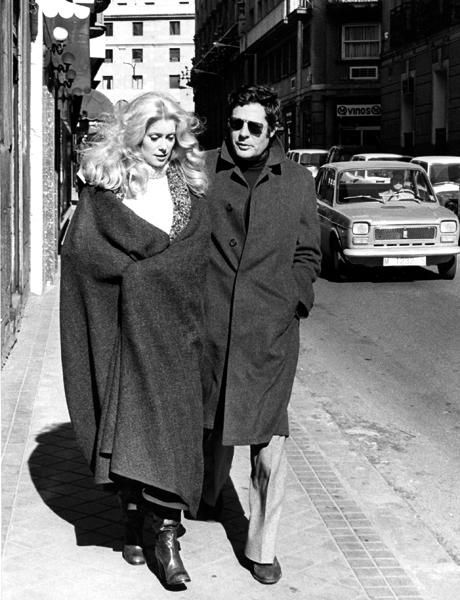
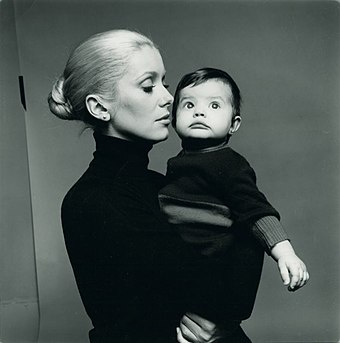
Between 1970 and 1974, Catherine was in a relationship with the Italian actor Marcello Mastroianni, with whom she had a daughter, Chiara Mastroianni (born 28 May 1972), who also became an actress.

In 1971, Catherine signed the "Manifesto of the 343," a public declaration by 343 French women, Simone de Beauvoir, Marguerite Duras, and Françoise Sagan among them, admitting to having had illegal abortions, in defiance of France's abortion laws at the time. Signing carried real legal risk; the manifesto helped build the momentum behind France's 1975 law decriminalizing abortion.
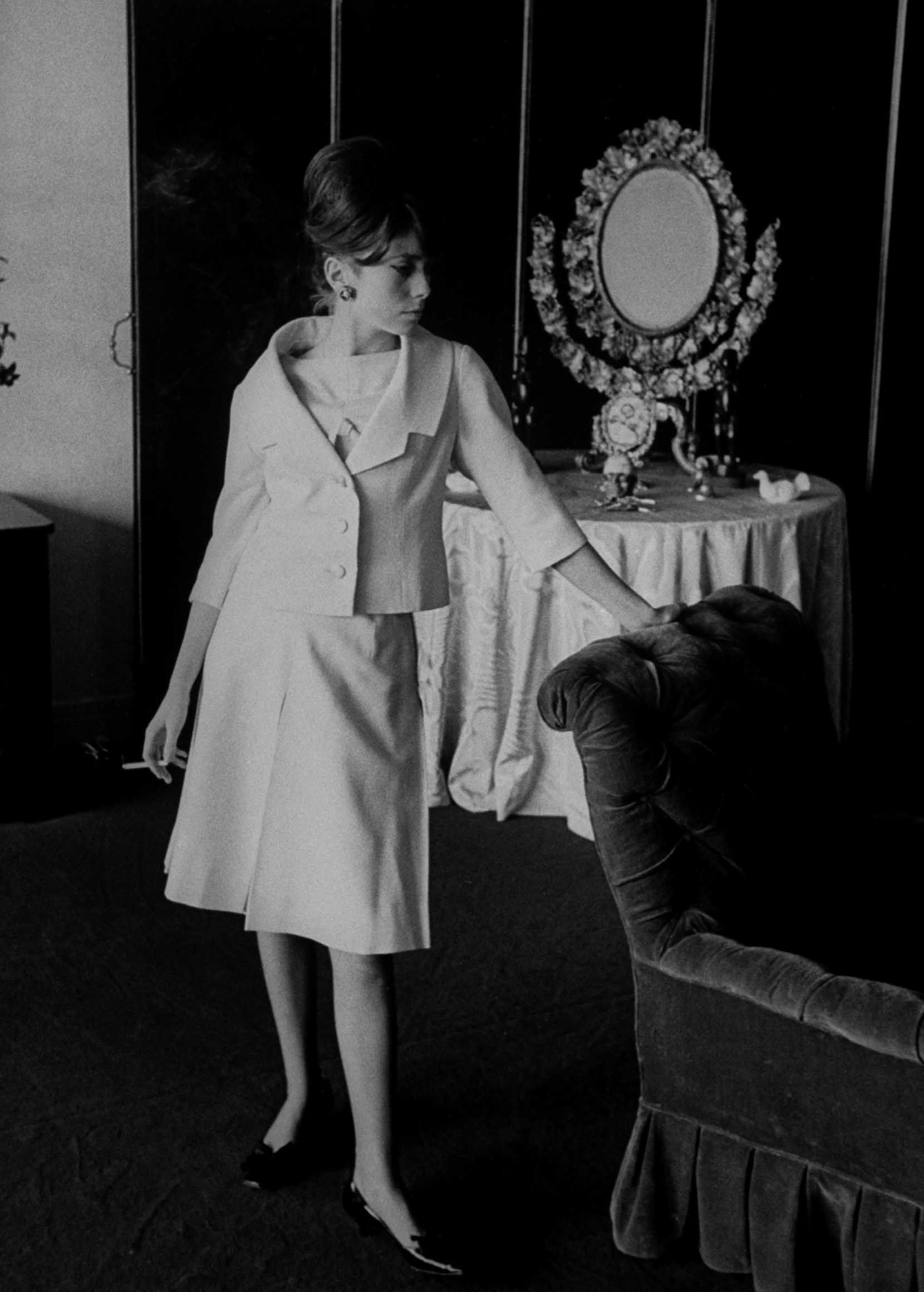
Catherine also became a longtime face of Chanel No. 5, and, in 1985, was chosen as the official model for busts and portraits of Marianne displayed in town halls across France, following Brigitte Bardot into that role. She asked that all royalties from the use of her image be donated to Amnesty International.


In 2005, Deneuve published her diary A l'ombre de moi-meme ("In My Own Shadow", published in English as Close Up and Personal: The Private Diaries of Catherine Deneuve); in it she writes about her experiences shooting the films Indochine and Dancer in the Dark.
In 2013, she was honored for her lifetime achievement at the 26th European Film Awards.
In 2015, she received the Lifetime Achievement Golden Orange Award from International Antalya Film Festival, Turkey.
In 2020, The New York Times ranked her #21 in its list of the 25 Greatest Actors of the 21st Century.
Offscreen, Catherine Deneuve remained a consistent voice on progressive causes, but her political record took a more complicated turn in January 2018, when she became the most prominent signatory of an open letter, published in Le Monde and signed by around a hundred French women, criticizing the #MeToo movement as excessive and defending men's right to "importune" women. The letter provoked fierce international backlash, and Catherine issued a partial apology days later in Libération, while standing by her original signature.
For more than five decades, Catherine Deneuve remains, by most measures, the most enduring star French cinema has produced since the era that made her famous.

