Myth
"Elegance Is Refusal": Did Coco Chanel Say It?
Who Said This: “Elegance Is Refusal”?
Did Coco Chanel really say it?
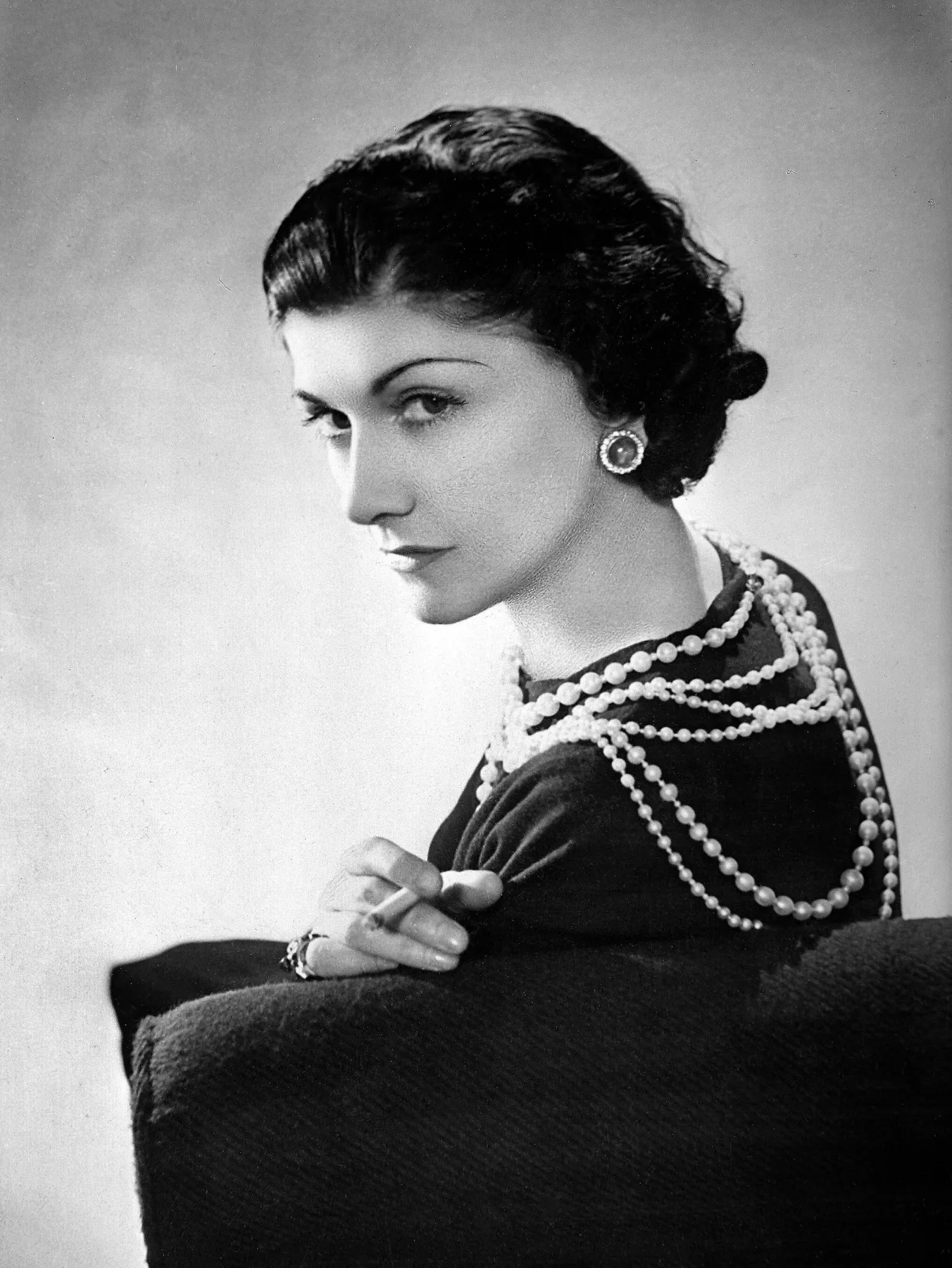
"Elegance is refusal" is one of the most repeated sayings in fashion.
It is usually credited to Coco Chanel, although no reliable source shows that she ever said or wrote it.
The phrase has the hard, clean sound of something Chanel might have said. It is easy to associate it with the woman who dismissed ornament, shortened skirts, borrowed from menswear, and then made a cardigan jacket and a strand of pearls feel like all a woman would need in her daily wardrobe.
But the attribution is a mistake.
The first documented appearance comes in Allure (1980), Diana Vreeland's large and idiosyncratic book of images and reflections, made with Christopher Hemphill. Vreeland had left the editorship of Vogue in 1971 and was then working as a special consultant to the Costume Institute at the Metropolitan Museum of Art.
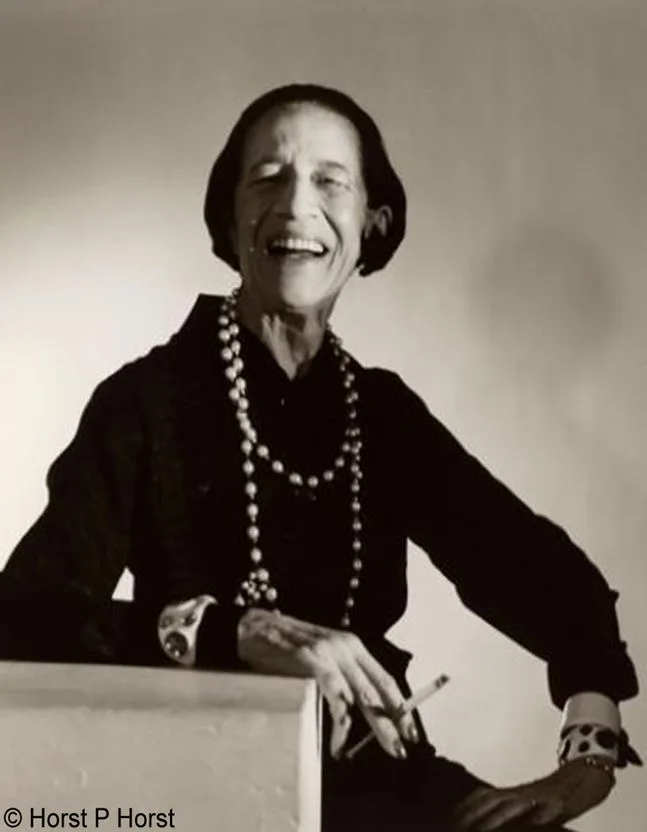
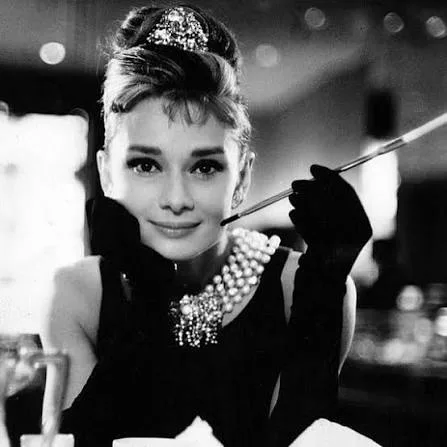
In Allure, Vreeland distinguished elegance from good dressing. Elegance, she wrote, was innate. It had nothing to do with being well dressed. She found it in "certain thoughts and certain animals."
Then she named two examples: gazelles, and Audrey Hepburn.
Afterward, Vreeland introduced the sentence with unusual caution. She said it was something she had always known, but did not know who had coined it. She had not borrowed it from her listener, she said, and she had not invented it either.
"Elegance is refusal."
The phrase therefore belongs, strictly speaking, to no known author. Vreeland gave it its memorable modern form and its widest audience, while declining to claim it as her own.
A New York Times article about Allure, published in September 1980, repeated the thought in a slightly fuller form: "Elegance is innate. It has nothing to do with being well-dressed. Elegance is refusal."
The following year, speaking to the Los Angeles Times, Vreeland elaborated further. Elegance, she suggested, involved inner discretion, discipline, and a willingness not to notice what was not for oneself.
That explanation makes the line less cryptic. Refusal is not severity for its own sake. It is the ability to leave something out.
It is the refusal to collect merely because one can. The refusal to add an ornament because a dress seems too plain. The refusal to follow every fashion, display every possession, make every impression, or answer every invitation. It is also, perhaps, the refusal to confuse attention with distinction.
Vreeland's own life was hardly austere. Her world was filled with color, theatricality, fantasy, jewels, snakes, Maharajas, lavish rooms, and improbable beauty. Yet she understood that elegance does not depend upon accumulation. Even excess requires selection.
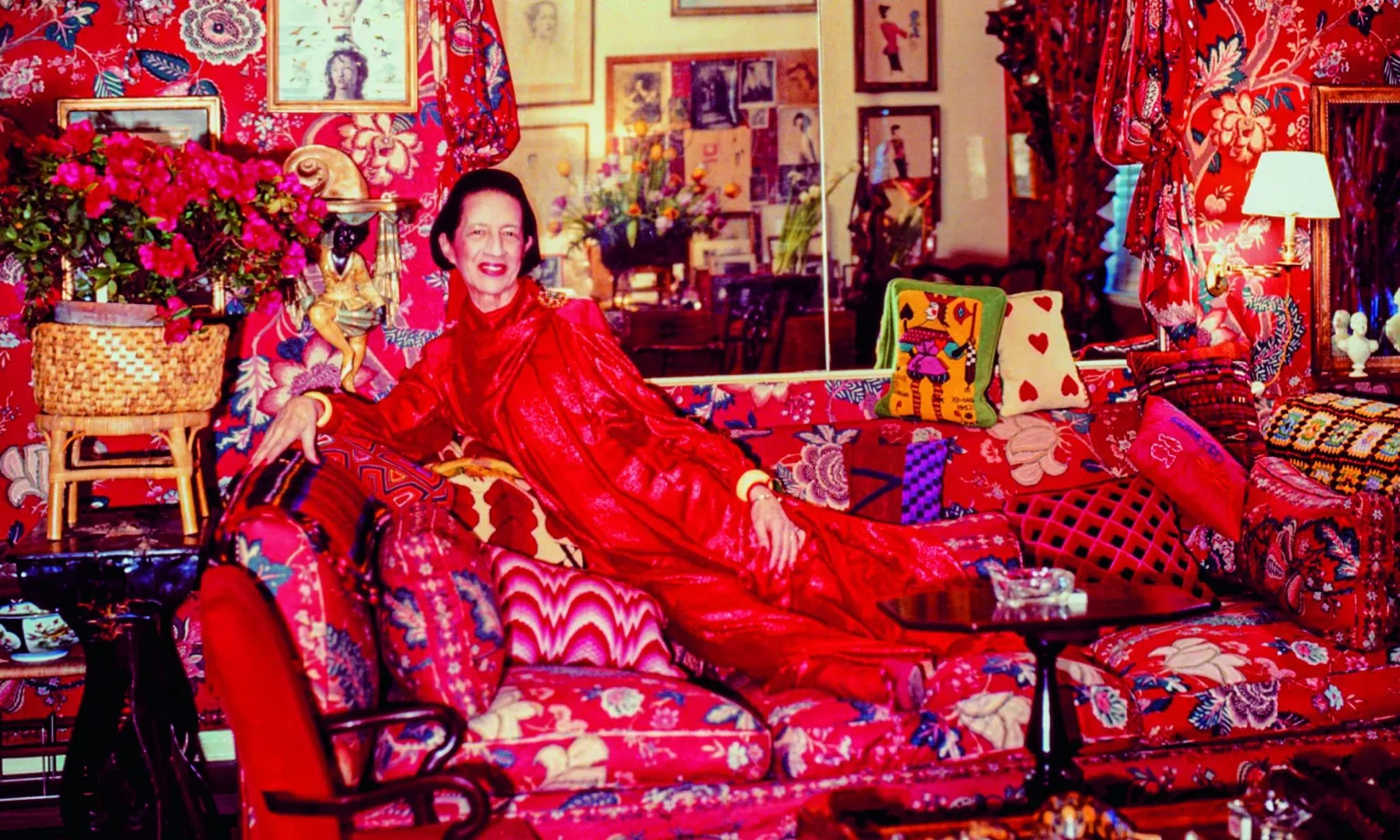
The mistaken connection to Coco Chanel began much later. In 1989, writers sometimes mentioned Vreeland's aphorism close to discussions of Chanel's pared-down style.
By 2000, the line was being printed under Chanel's name without evidence. It then entered the large floating collection of "Coco Chanel quotes," where an authentic voice and an appealing sentence are often considered proof enough.
Gabrielle Coco Chanel did believe in subtraction. Her clothes often depended on absence: no corset, no unnecessary trimming, no stiffness, no need to signal wealth through complicated decoration. That is why the false attribution has endured so persuasively.
Whoever was the author of "Elegance is refusal," Vreeland was its witness, its interpreter, and the person who made it unforgettable.