Mode
Iconic look: Ava Gardner's tulip evening dress by Cristóbal Balenciaga
"Haute couture is like an orchestra whose conductor is Balenciaga. We other couturiers are the musicians and we follow the direction he gives." — Christian Dior
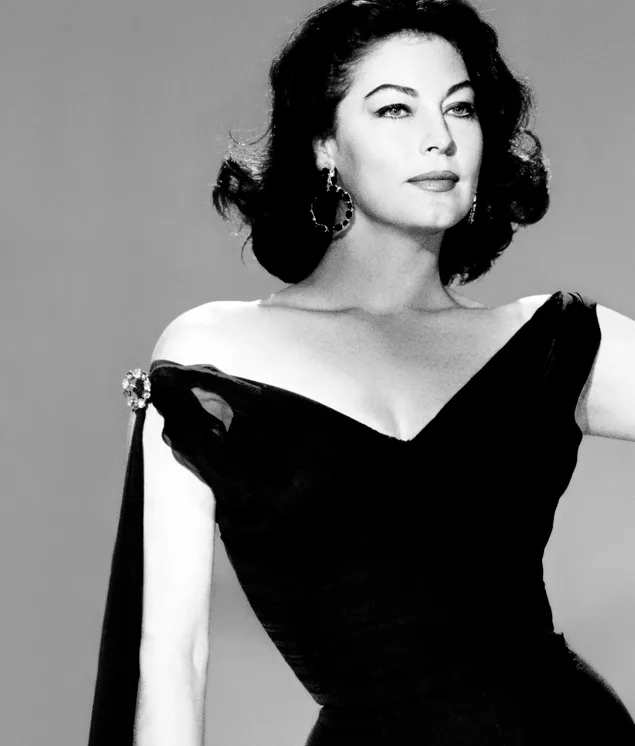
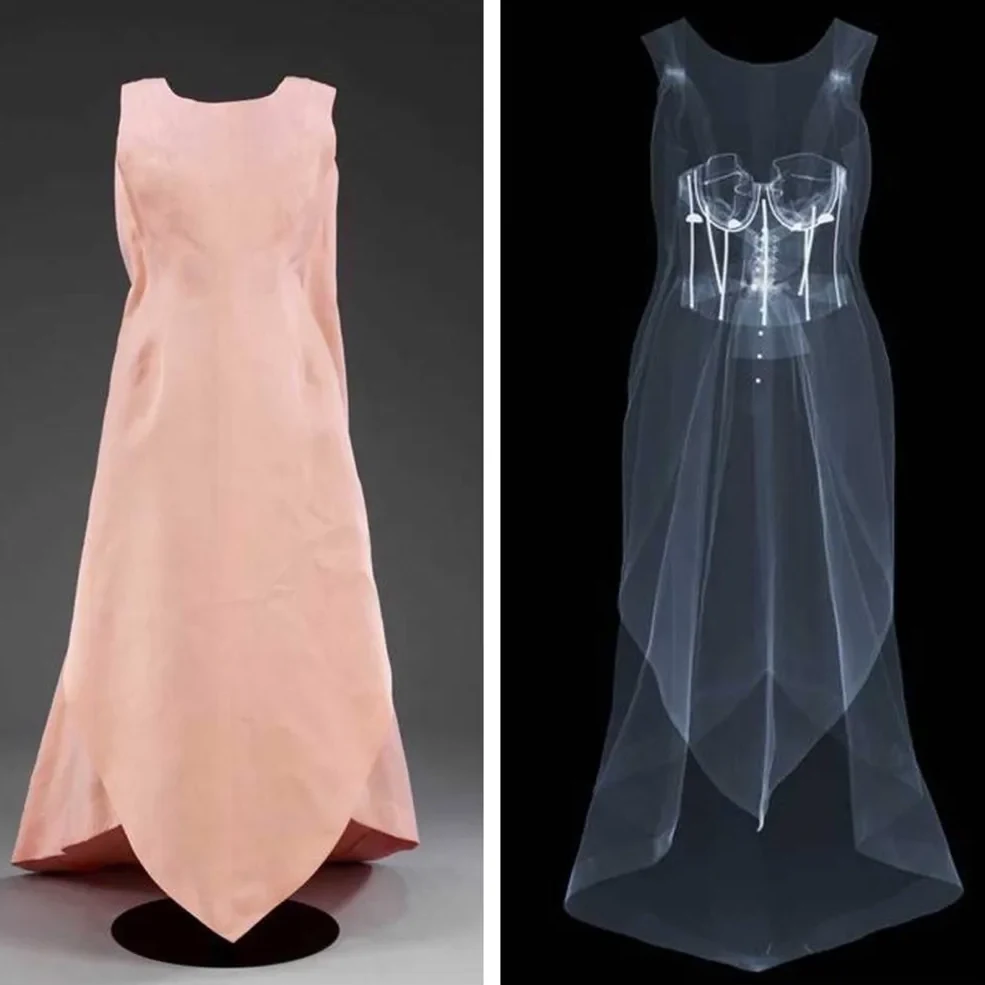
Ava Gardner owned a pink silk gazar evening dress by Cristóbal Balenciaga, made at Eisa, his couture house in Spain. Critics soon called it the "Tulip" dress.


The star
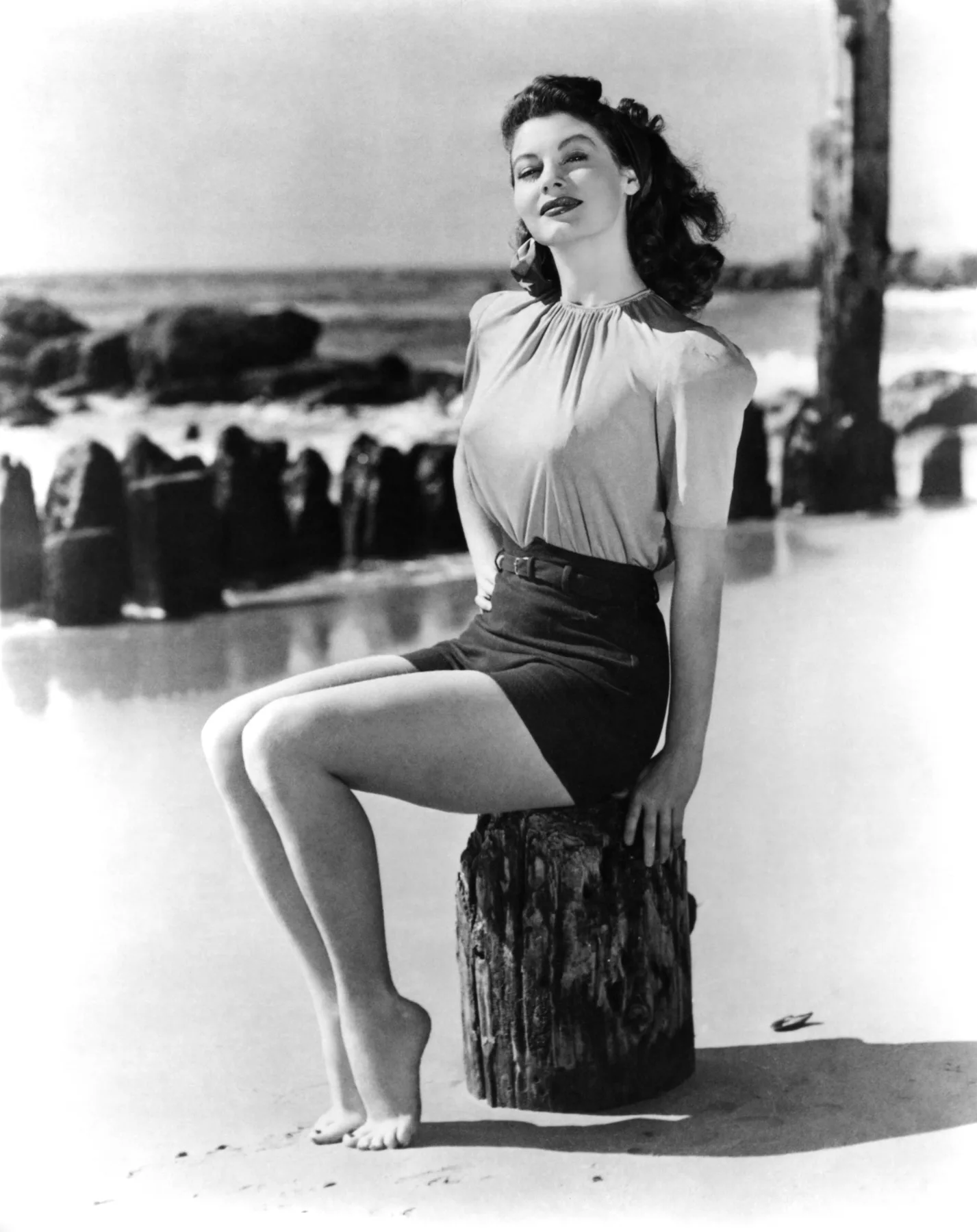
Ava Gardner (24 December 1922 – 25 January 1990) signed with Metro-Goldwyn-Mayer in 1941. For years she played small roles.



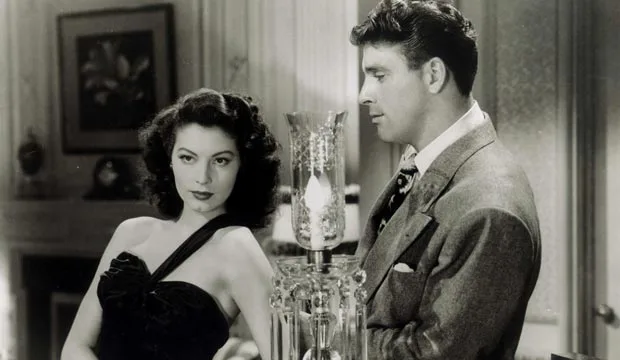
Then came The Killers (film, 1946), directed by Robert Siodmak. Critics noticed her at last.

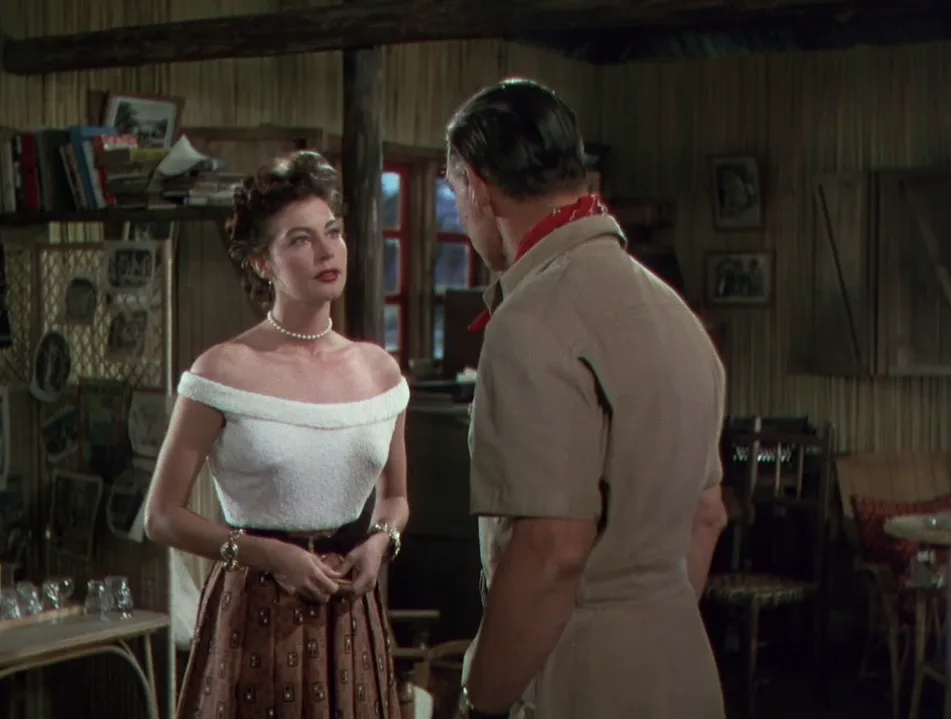
In the 1950s, she became one of Hollywood's great stars, in films such as The Snows of Kilimanjaro (film, 1952) and The Barefoot Contessa (film, 1954). Mogambo (film, 1953), directed by John Ford, brought her an Oscar nomination.
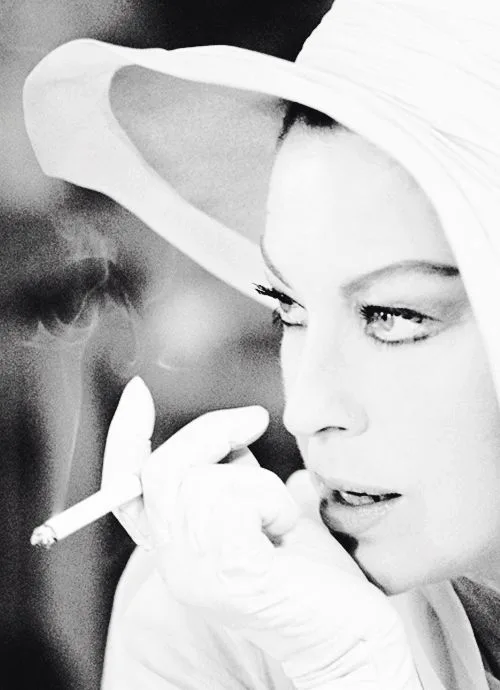
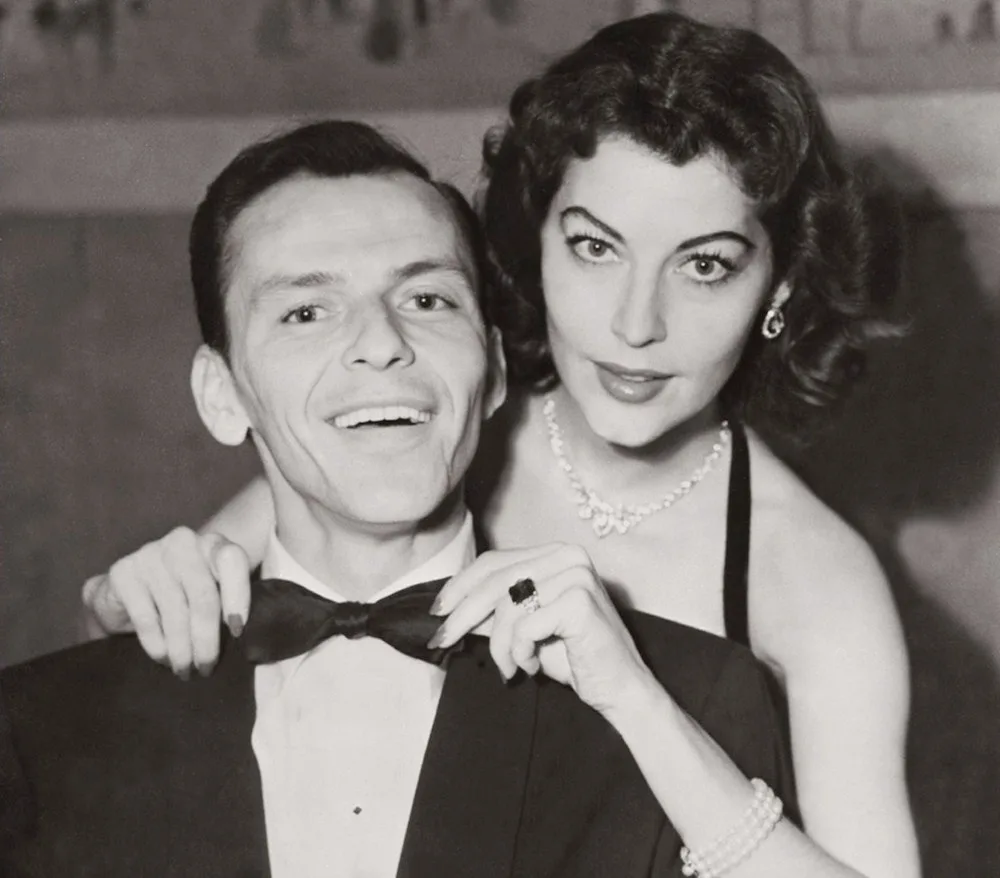
In 1951, she married the singer Frank Sinatra, her third husband. Their marriage was stormy. They separated in 1954, and the divorce became final in 1957. They stayed friends for the rest of her life.


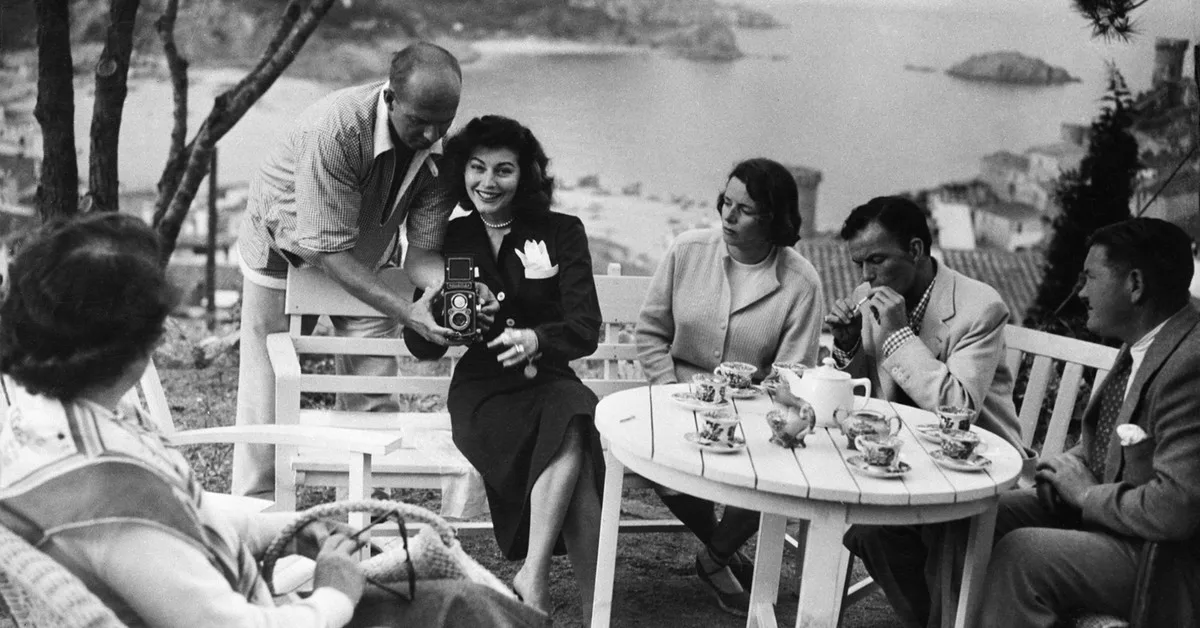
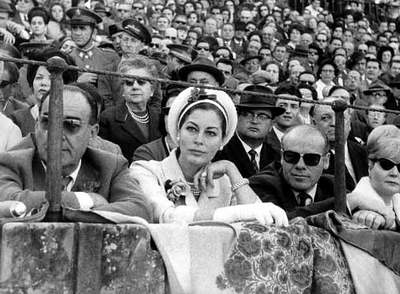
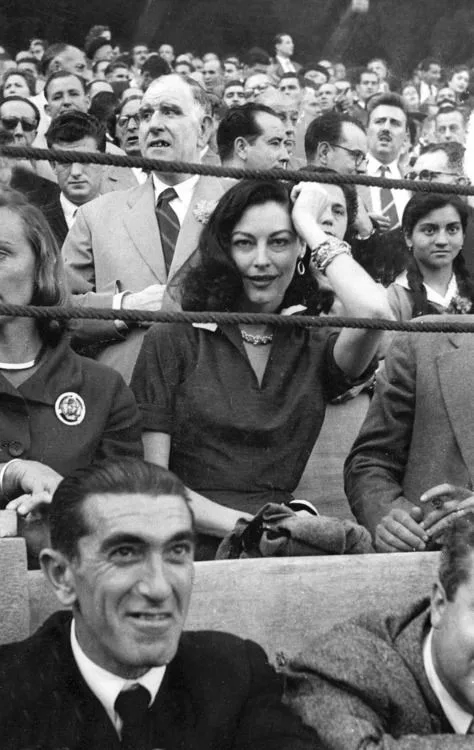
There she grew close to the writer Ernest Hemingway, whose stories she had brought to the screen. Through him, she fell for bullfighting, and for the bullfighter Luis Miguel Dominguín.
The couturier
It was in Spain, too, that she found the Spanish couturier Cristóbal Balenciaga.
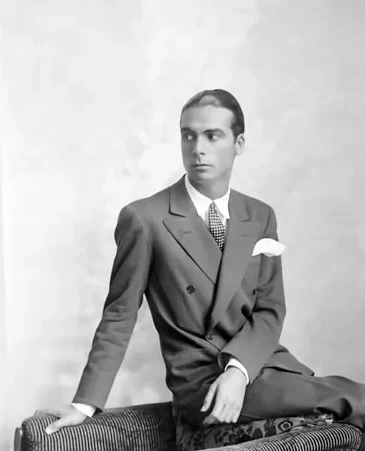

She bought his designs both in Paris and at Eisa, his house in Spain. Eisa clothes cost about half the Paris price, because labor and fabrics cost less in Spain.
That suited what she called her "frugal side." Many of her clothes from the 1950s and 1960s carry the Eisa label.
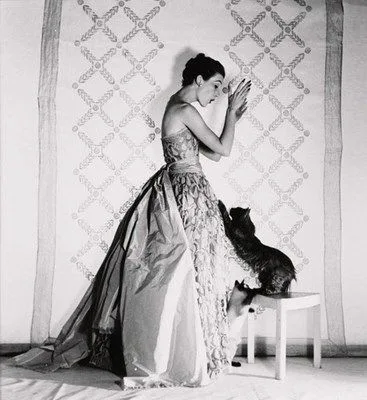
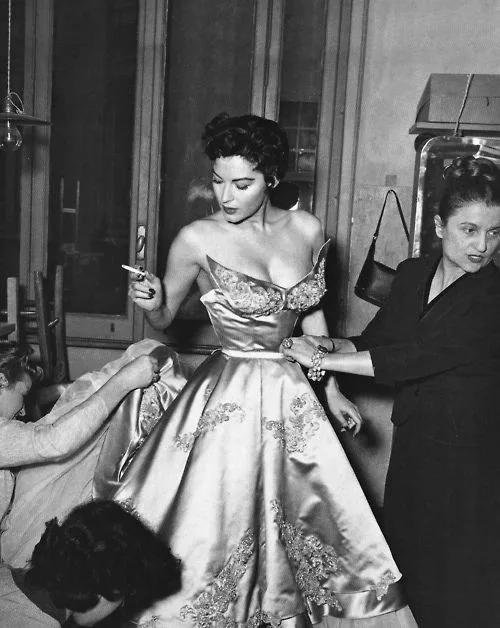
Most of her Spanish wardrobe was black, the color Balenciaga loved best. Her black dresses often had dramatic trims, such as bands of diamanté or feathers, or a striking contrast, like an ecru lace evening coat.
She also embraced the classics of Spanish dress: the bolero, lace, and heavy embroidery.
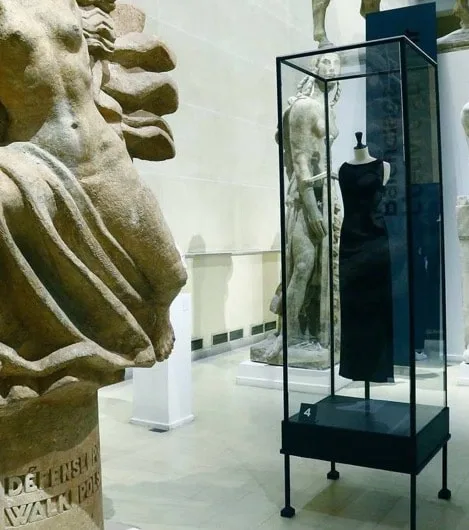


The dress
The Tulip dress was different. It was pink, and made of silk gazar, a stiff, crisp silk that stands away from the body.
Gazar was created for Balenciaga in the late 1950s by the Swiss silk firm Abraham. Its owner, Gustav Zumsteg, was a close friend of the couturier.
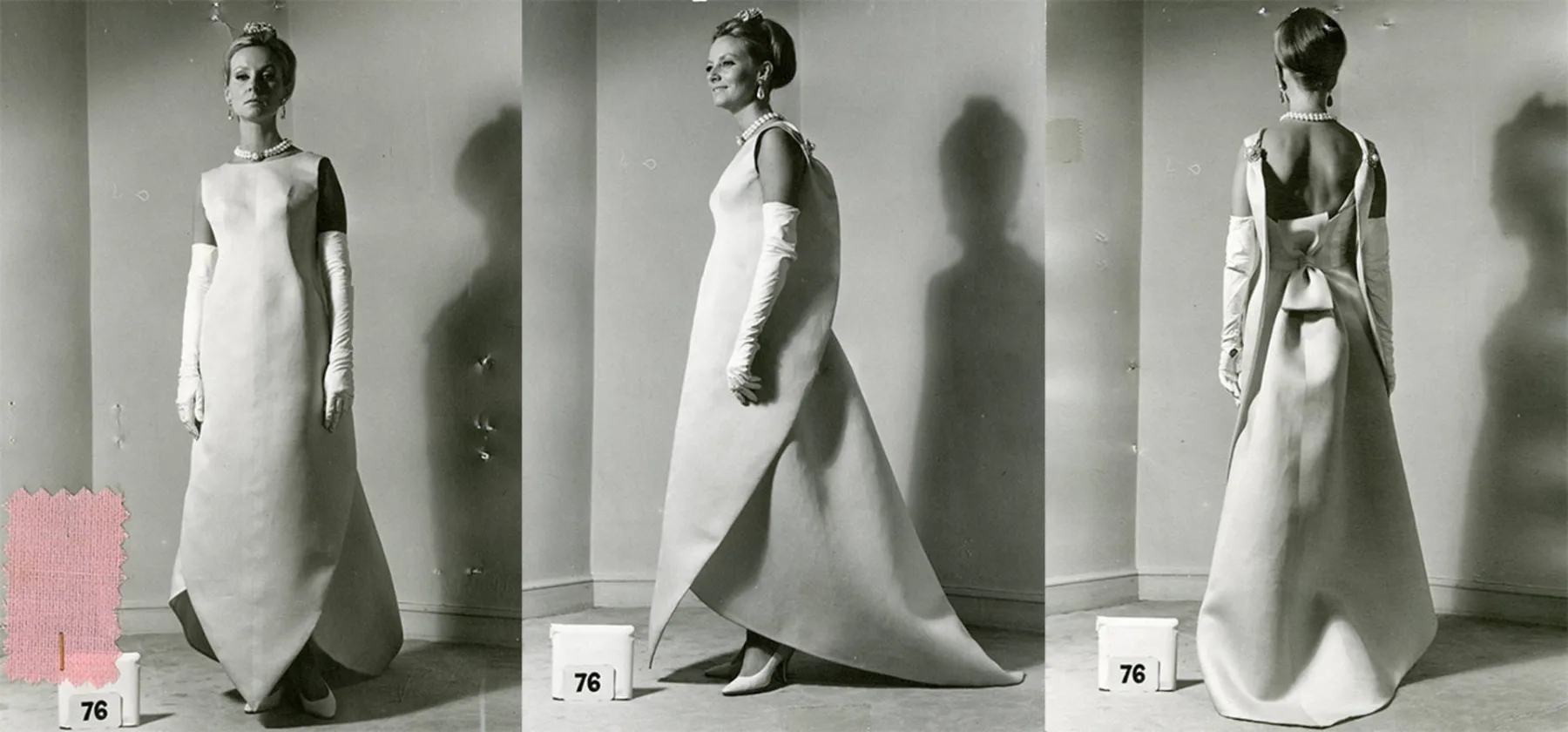
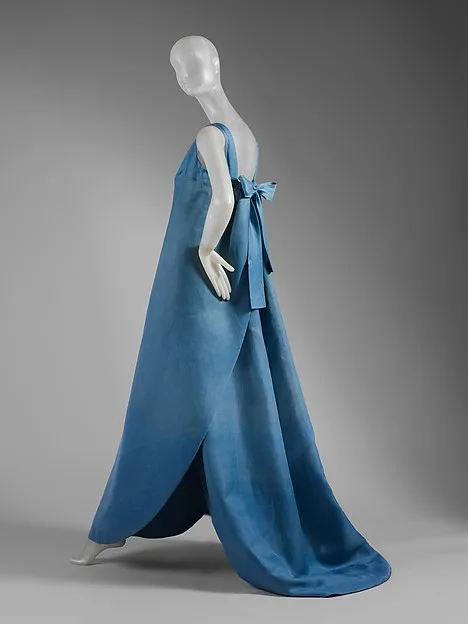
Balenciaga cut it from a single piece of fabric, joined at the back, with no side seams. The stiffness of the gazar gave the dress its sculpted shape.

The front was plain. All the drama was at the back, where a large bow recalled the sash of a Japanese kimono.
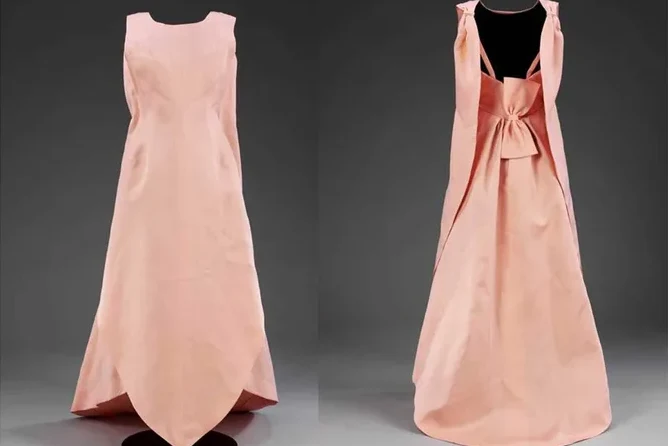
A second layer of gazar hung from the shoulders, held with pleated tabs. Underneath, a lace bustier with a built-in bra and a firm corset held the dress in place.
So from the outside, it looked loose and light. Inside, it was built like a small piece of architecture.


The story
In 1966, Ava Gardner moved to London. She settled at 34 Ennismore Gardens, just around the corner from the Victoria and Albert Museum.
She gave several of her clothes to the museum, among them the Tulip dress. She lived there until her death on 25 January 1990.
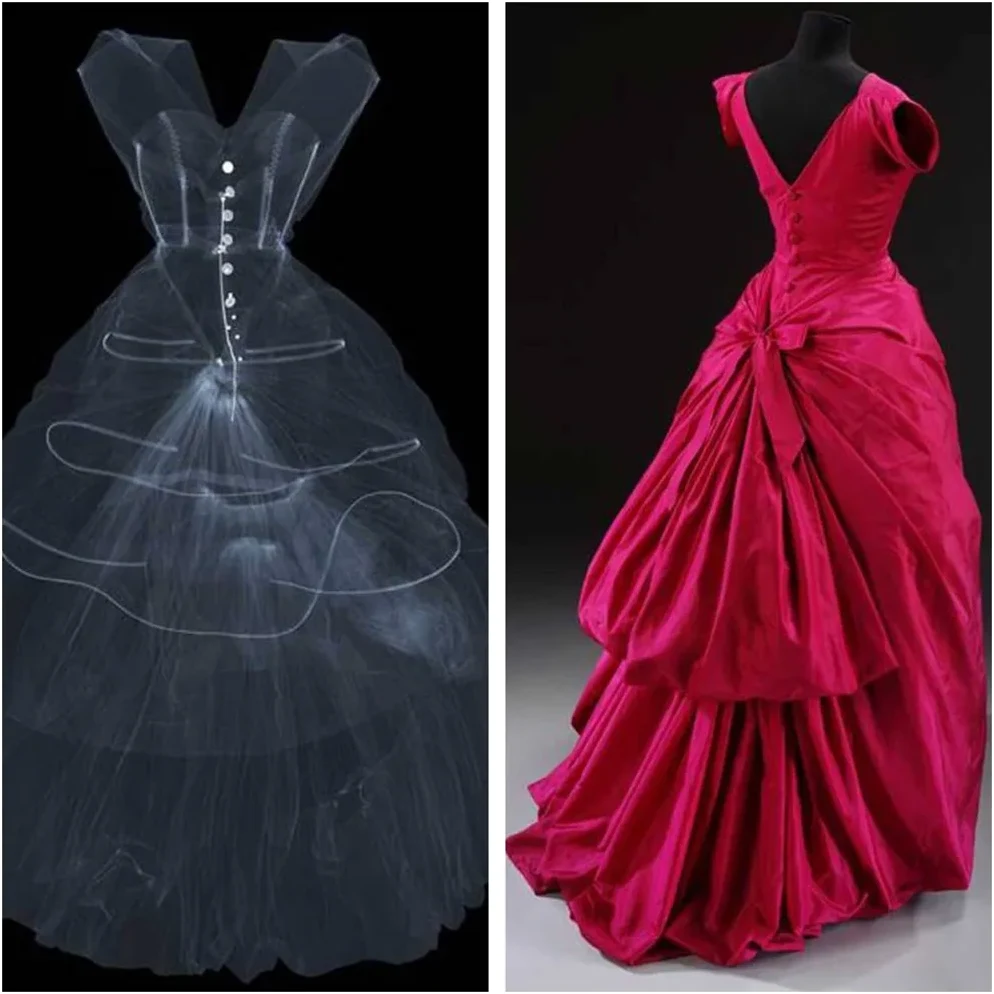
Years later, the photographer Nick Veasey X-rayed the dress for the V&A exhibition "Balenciaga: Shaping Fashion," which opened in 2017.
The X-ray showed what the eye could not see: the hidden corset, the seams and the structure inside a dress that seems so simple.

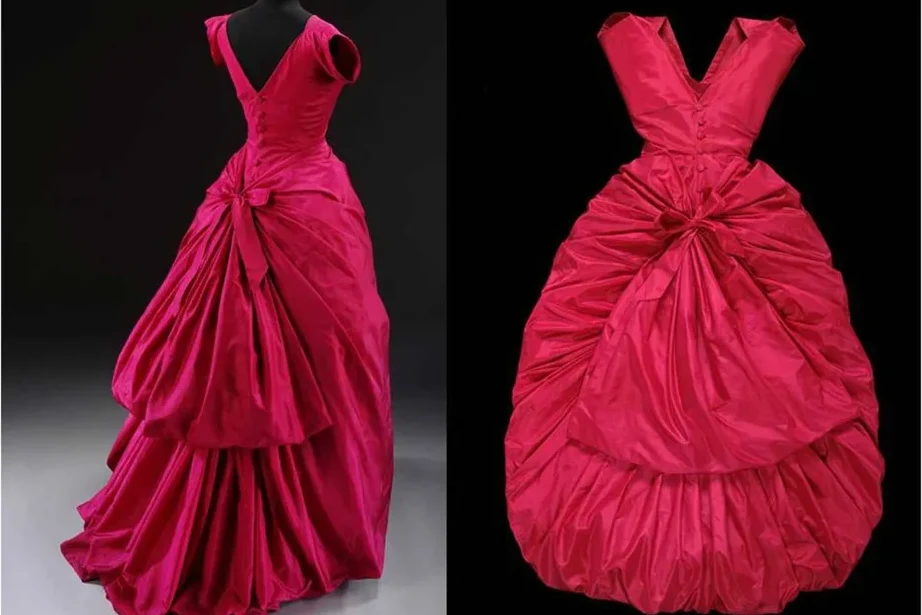
Another Balenciaga dress X-rayed for the exhibition, in silk taffeta from the 1950s, showed wired flounces and a boned, padded foundation under its skirt.


Christian Dior once said: "Haute couture is like an orchestra whose conductor is Balenciaga. We other couturiers are the musicians and we follow the direction he gives."
Thanks to Ava Gardner, one of the great beauties of Hollywood, we can still see the conductor's hand, all the way through the silk gazar: the fabric created for Cristóbal Balenciaga, and the one he made his own.