Music
Concierto de Aranjuez by Joaquin Rodrigo
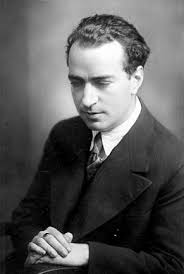
Joaquin Rodrigo
00:00
00:00
00:00
Concierto Aranjuez - Adagio - played by Paco de Lucia
Title: concierto de Aranjuez
Composer: Joaquin Rodrigo (22 November 1901 – 6 July 1999)
Release: 1939
Performers: Regino Sainz de la Maza, Paco de Lucia
Composer: Joaquin Rodrigo (22 November 1901 – 6 July 1999)
Release: 1939
Performers: Regino Sainz de la Maza, Paco de Lucia
Joaquín Rodrigo Vidre, 1st Marquis of the Gardens of Aranjuez (22 November 1901 – 6 July 1999), was a Spanish composer and a virtuoso pianist.
Rodrigo composed many music pieces for guitar, and the most famous is his Concierto de Aranjuez which is considered one of the pinnacles of Spanish music.
The concerto was inspired by the Palacio Real de Aranjuez(Royal Palace of Aranjuez) and its garden, the spring resort built by Philip II in the last half of the 16th century and rebuilt in the middle of the 18th century by Ferdinand VI.
Rodrigo composed many music pieces for guitar, and the most famous is his Concierto de Aranjuez which is considered one of the pinnacles of Spanish music.
The concerto was inspired by the Palacio Real de Aranjuez(Royal Palace of Aranjuez) and its garden, the spring resort built by Philip II in the last half of the 16th century and rebuilt in the middle of the 18th century by Ferdinand VI.
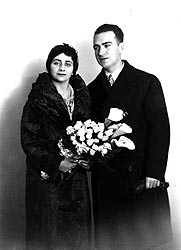
joaquin rodrigo and his wife victoria
The concierto is a very unusual piece both in terms of its instrumentation, with guitar as the dominant part of the concerto, as well as the composer´s physical condition. Rodrigo was blind since three year old, and the piece was trying to evoke the beauty of the sounds of nature he heard in the gardens of Palacio Real de Aranjuez: "the fragrance of magnolias, the singing of birds, and the gushing of fountains".
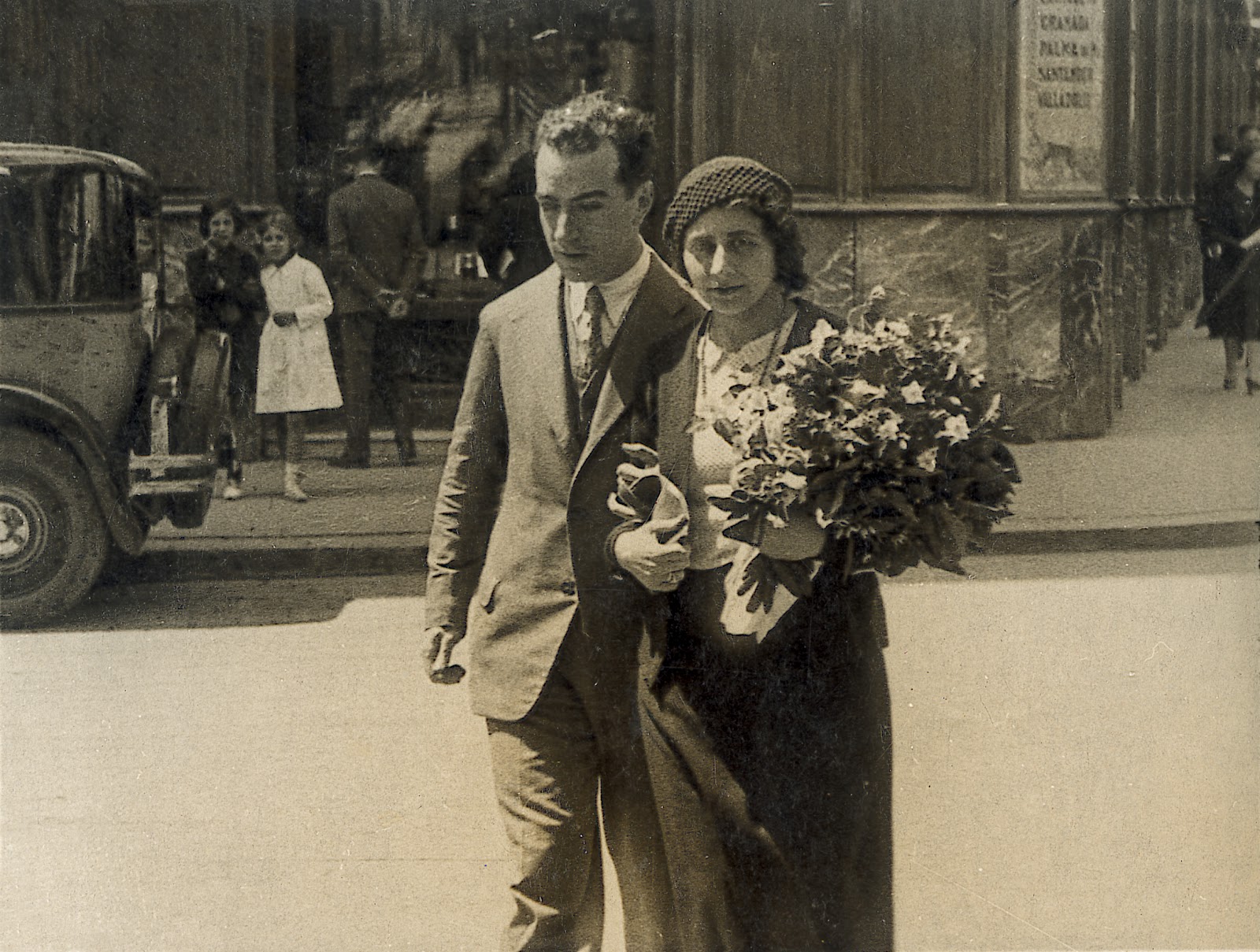
joaquin rodrigo and his wife victoria
And it is divided into three movements:
1 Allegro con spirito
2 Adagio
3 Allegro gentile
According to the composer, the first movement is "animated by a rhythmic spirit and vigour without either of the two themes... interrupting its relentless pace";
The second movement "represents a dialogue between guitar and solo instruments (cor anglais, bassoon, oboe, horn etc.)"; but more profoundly, it was also the evocation of the composer's happy days of his honeymoon with his wife Victoria and his devastation of losing their first child.
The third and last movement "recalls a courtly dance in which the combination of double and triple time maintains a taut tempo right to the closing bar."
Rodrigo composed the concerto in Paris in 1939, and he dedicated it to Regino Sainz dla Maza(1896-1981), Spanish guitarist and composer.
1 Allegro con spirito
2 Adagio
3 Allegro gentile
According to the composer, the first movement is "animated by a rhythmic spirit and vigour without either of the two themes... interrupting its relentless pace";
The second movement "represents a dialogue between guitar and solo instruments (cor anglais, bassoon, oboe, horn etc.)"; but more profoundly, it was also the evocation of the composer's happy days of his honeymoon with his wife Victoria and his devastation of losing their first child.
The third and last movement "recalls a courtly dance in which the combination of double and triple time maintains a taut tempo right to the closing bar."
Rodrigo composed the concerto in Paris in 1939, and he dedicated it to Regino Sainz dla Maza(1896-1981), Spanish guitarist and composer.
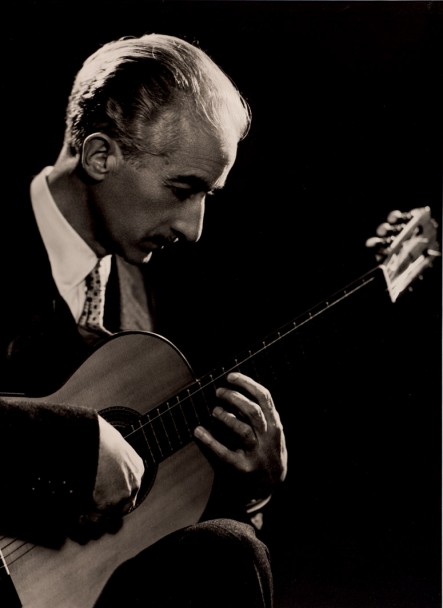
Regino Sainz de la Maza
0 Comments