People
Nino Cerruti (25 September 1930 – 15 January 2022)
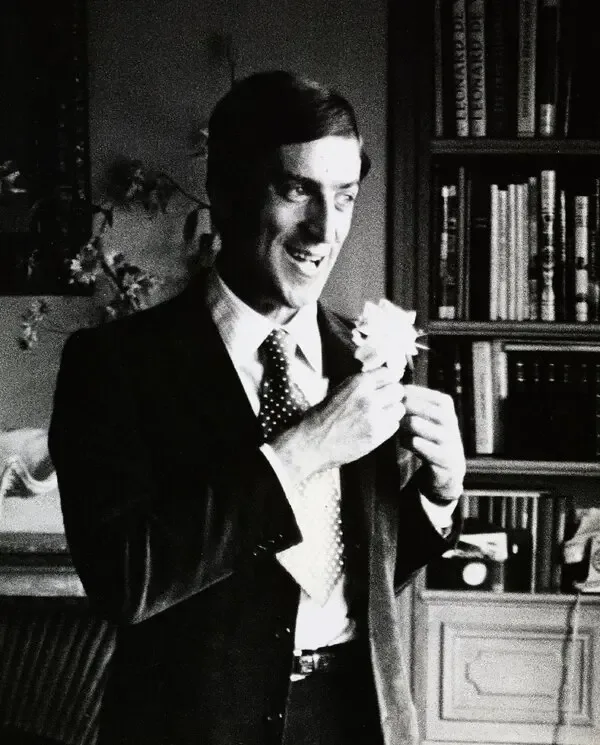
Nino Cerruti (25 September 1930 – 15 January 2022) was an Italian fashion designer and businessman, credited with revolutionizing men's tailoring in the 1960s by inventing the deconstructed jacket. Founder of the Paris-based house Cerruti 1881, he is remembered nearly as much for the designer he discovered as for the clothes he made himself: a young Giorgio Armani, hired into Cerruti's factory in the mid-1960s, who called him, decades later, one of the people who had shaped his entire life.
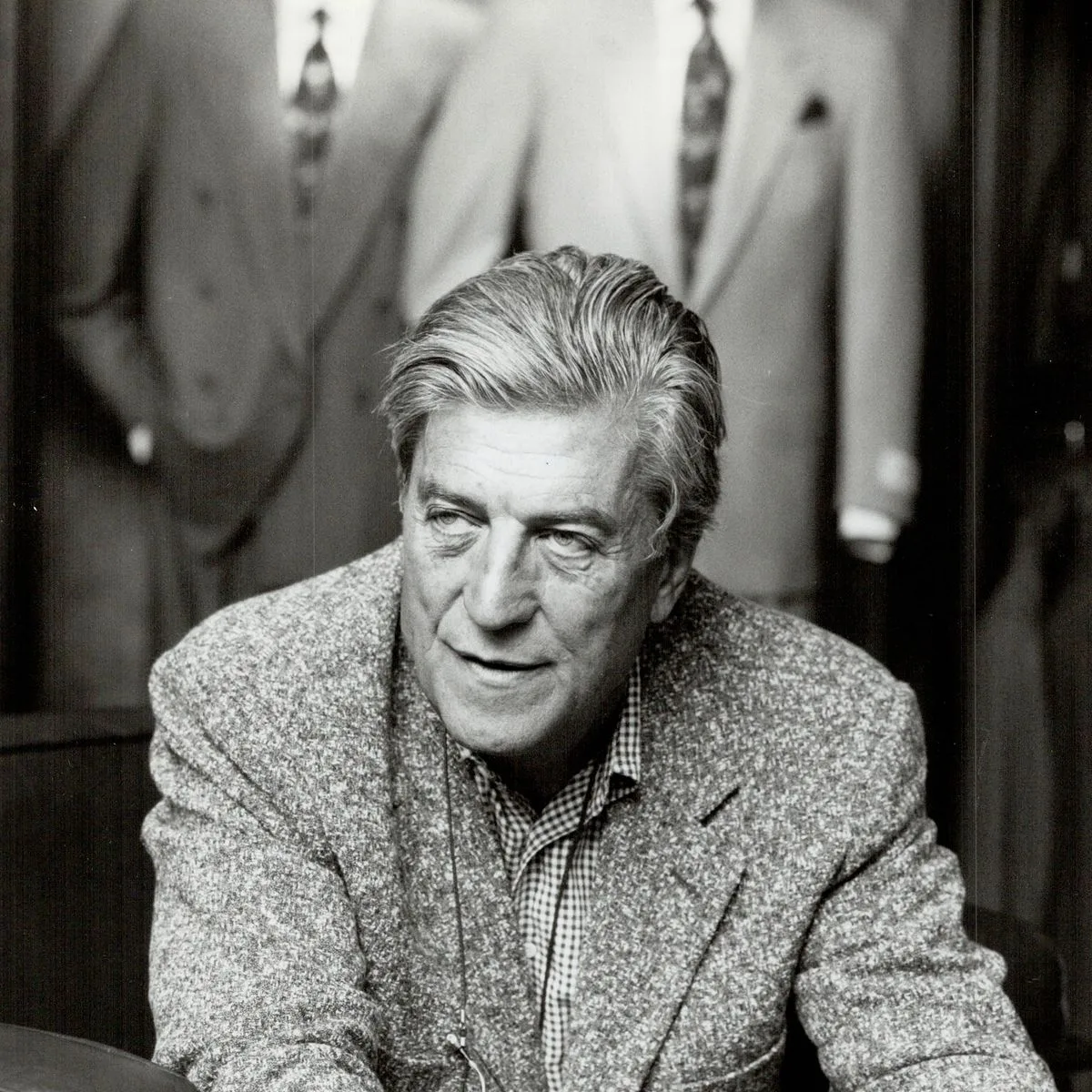
Biography
Nino Cerruti was born on 25 September 1930 in Biella, in Italy's Piedmont region, one of the country's great textile-manufacturing towns. His grandfather had founded the family's woolen mill, Lanificio Fratelli Cerruti, there in 1881.
Nino wanted, by his own account, to become a journalist, and had begun studying philosophy when his father died in 1950. At twenty, he abandoned his studies and took over the family business instead.
Drawing on generations of expertise in fine fabric, Cerruti moved the family firm into clothing itself in the late 1950s, launching a menswear line called Hitman in 1957.
The collection was considered genuinely revolutionary: Cerruti is credited as the first designer to strip a man's jacket of its heavy internal structure, producing a softer, more natural shape that moved with the body instead of holding it rigid. "I want men more free in their elegance," he said of the whole idea, "more elegant in their freedom."
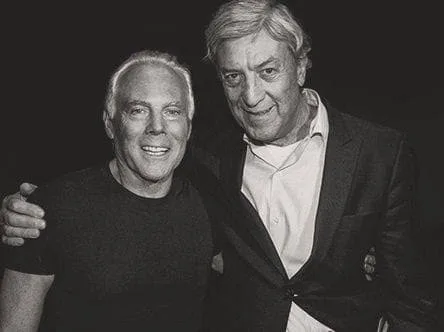
In the mid-1960s, Cerruti hired a young, largely unknown talent named Giorgio Armani to design menswear at the Hitman factory. Armani stayed roughly six years before leaving in the mid-1970s to found his own house.
He never forgot the debt. "Even if our contacts thinned with the years," Armani said after Cerruti's death, "I have always considered him one of the people who has had a real and positive influence on my life. From him, I learned not only the taste for sartorial softness, but also the importance of a well-rounded vision, as a designer and as an entrepreneur." Cerruti, for his part, remembered his former protégé as having "an acute eye, a true curiosity, the ability to dare."
In 1967, Cerruti opened his first boutique, at the Place de la Madeleine in Paris, and founded the luxury house Cerruti 1881, named for the year his grandfather had founded the family mill. A womenswear line followed the next year.
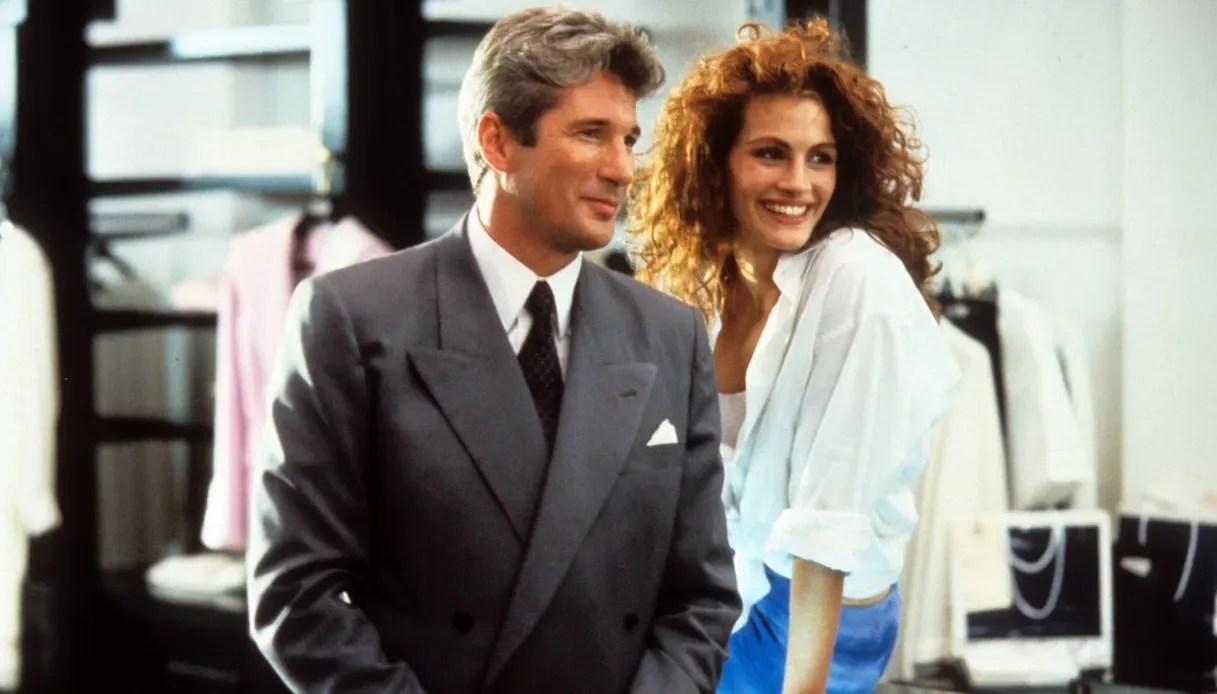
Cerruti's clothes became a fixture of Hollywood both on screen and off: Richard Gere wore his tailoring in Pretty Woman (1990), Michael Douglas in Basic Instinct (1992), and Tom Hanks in Philadelphia (1993).
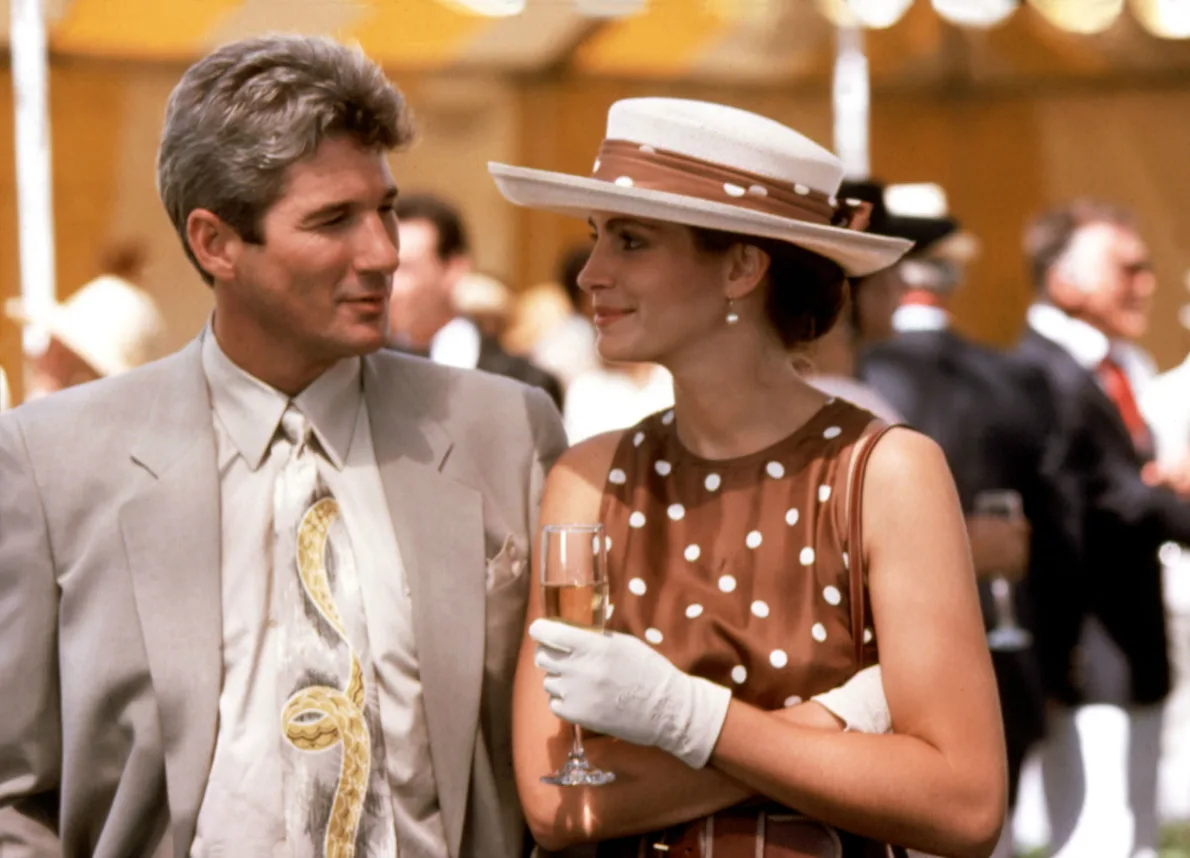

Cerruti insisted on trying on every one of his own designs first, storing many of the results at the original family mill in Biella. "I have always dressed the same person," he said, "myself." He was often seen at his own runway shows in a signature yellow jumper, and described the purpose of his clothes with something close to tenderness: "Clothes only exist from the moment someone puts them on. I would like these clothes to continue to live, to soak up life."
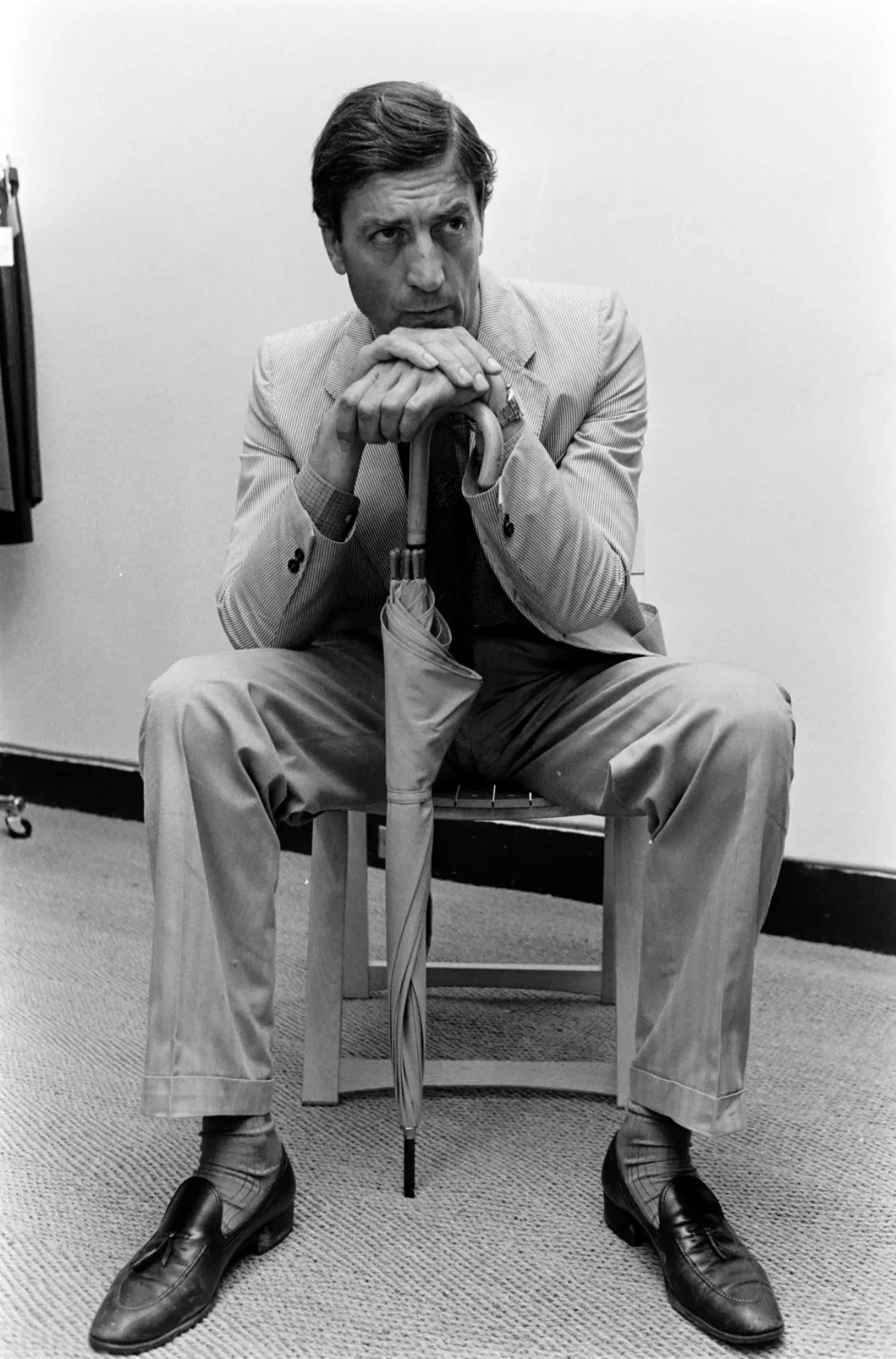
Cerruti sold a controlling stake in his fashion house to the Italian industrial group Fin.Part in 2000, and the group took full ownership the following year, allowing Cerruti to refocus on the family's original textile business.
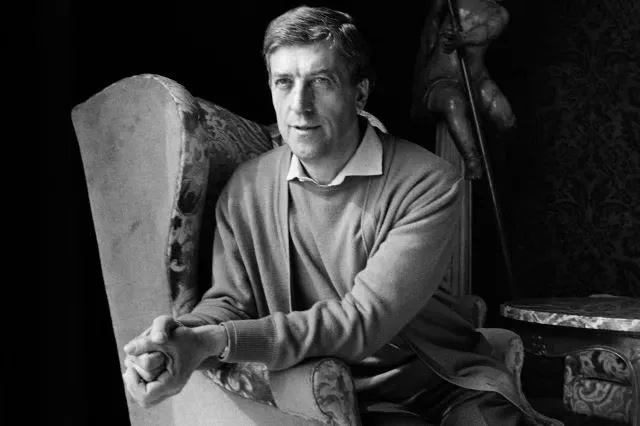
He died on 15 January 2022, at ninety-one, in a hospital in Vercelli following complications from hip surgery.
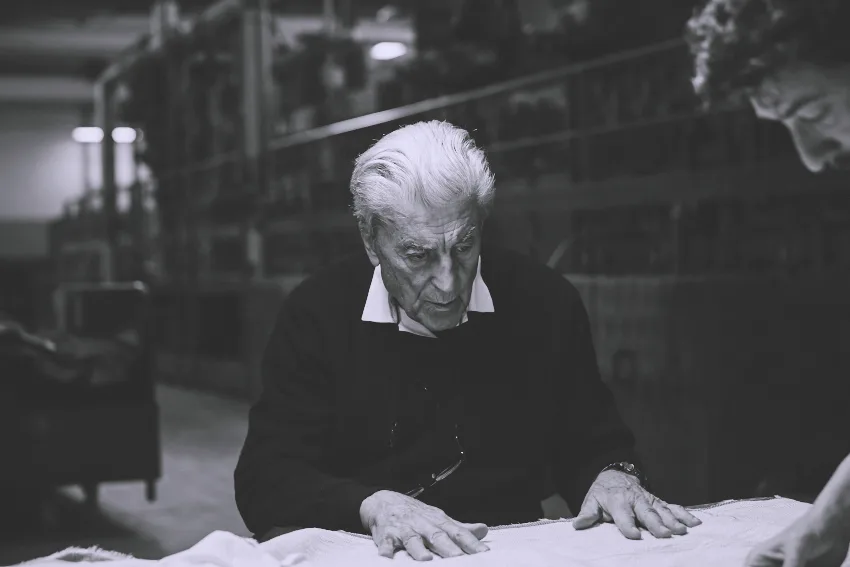
Carlo Capasa, head of Italy's national fashion chamber, called Nino Cerruti simply "Italy's chicest man," crediting him above all with "the courage to invest and believe in youth" — a legacy embodied, more than in any single garment, by the career of Giorgio Armani he once gave a chance to at his own factory.