People
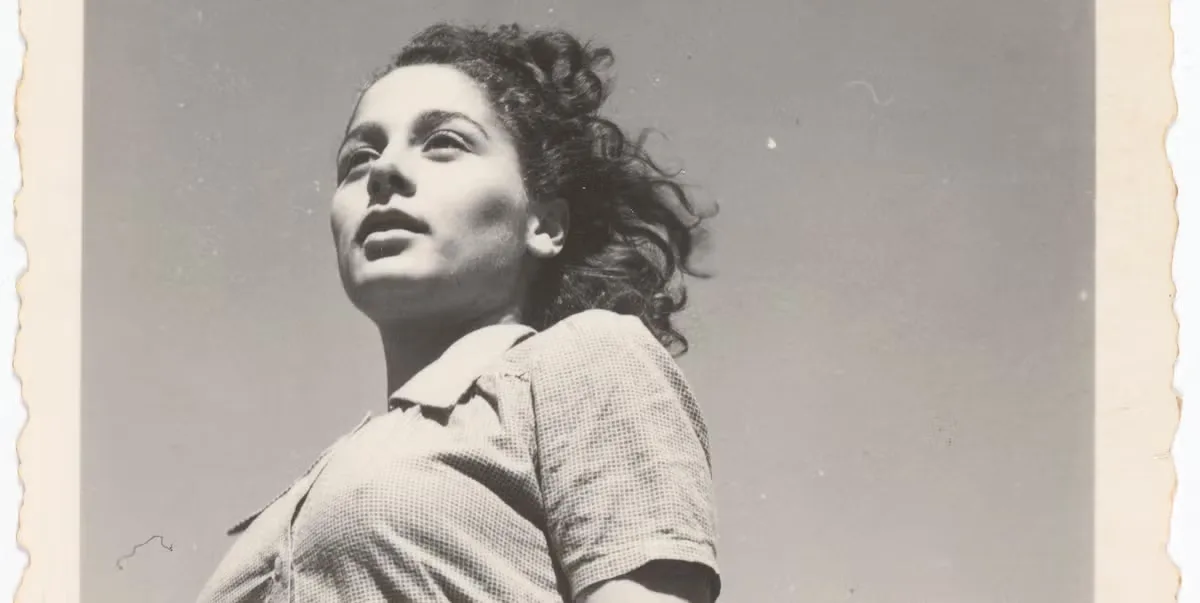
Gaby Aghion (born Gabrielle Hanoka; 3 March 1921-27 September 2014)
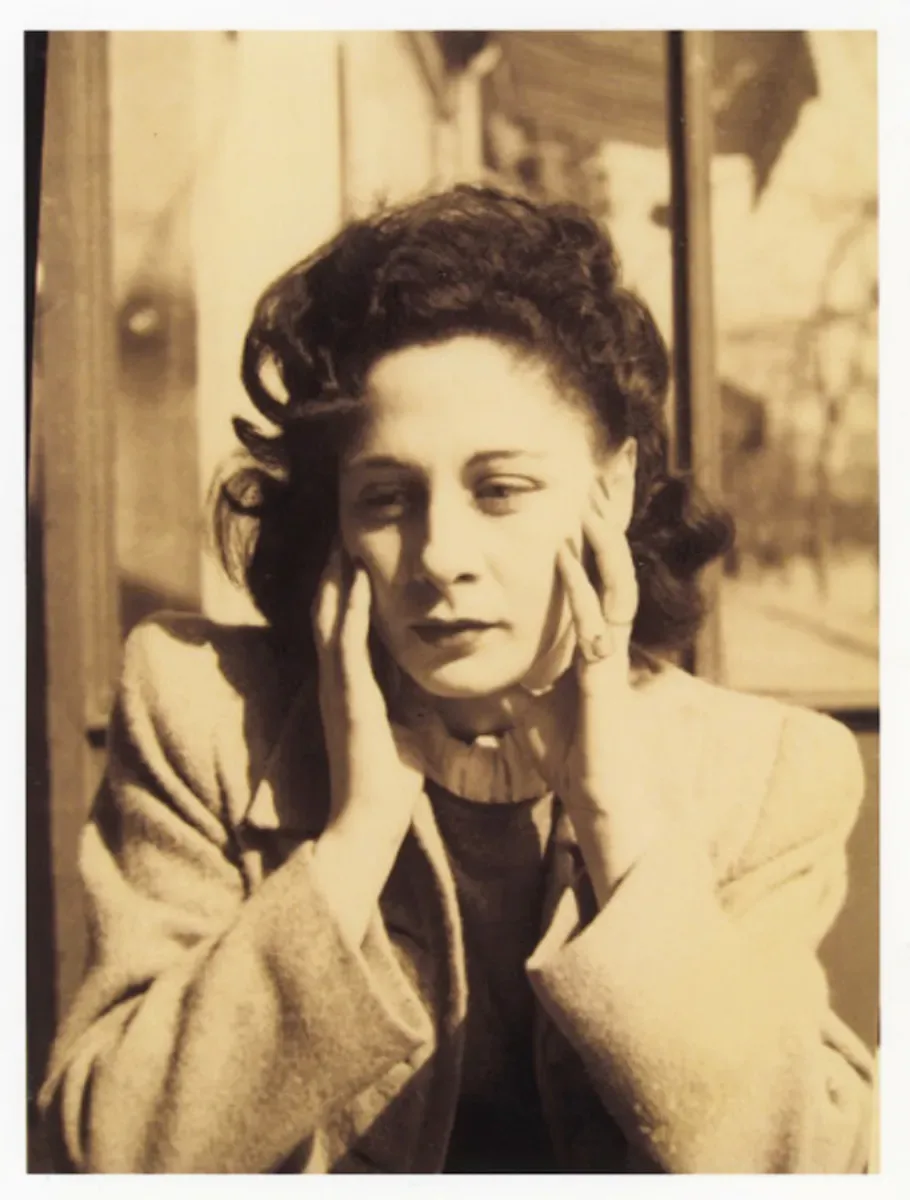
Gaby Aghion (born Gabrielle Hanoka; 3 March 1921 – 27 September 2014) was a French fashion designer and entrepreneur, and the founder of the house of Chloé. Credited with coining the term prêt-à-porter, she is widely regarded as the inventor of luxury ready-to-wear as a category in its own right, and spent decades building Chloé into a launching pad for young design talent, Karl Lagerfeld among the first of them.

Biography
Gabrielle Hanoka was born in Alexandria, Egypt, on 3 March 1921, the youngest of seven children in a wealthy Sephardic Jewish family.
She married her childhood sweetheart, Raymond Aghion, in 1940, and the couple moved to Paris after the Second World War, in 1945. Gaby fell in with the Left Bank's intellectual crowd, a milieu that shaped her taste as much as any fashion house ever did.
Wanting an income of her own, separate from her husband's, Gaby founded her own label in Paris in 1952, partnering with the businessman Jacques Lenoir, who ran its financial and administrative side while she set its creative direction. She named the house Chloé, after a close friend, having decided her own given name, Gabrielle, sounded wrong for the brand after a fortune teller remarked on it.
At the time, French fashion sat firmly divided between made-to-measure haute couture, available only to a wealthy elite, and cheap mass production with no pretense to quality.
Gaby saw the gap between them and built Chloé to fill it: well-made clothes in fine, fluid materials like jersey and cotton poplin, cut soft and body-conscious rather than structured, and sold ready to wear off the rack rather than made to individual order. She is credited with coining the term for the category herself: prêt-à-porter.


Starting in the mid-1950s, Gaby began presenting her collections informally over breakfast at the Café de Flore on Boulevard Saint-Germain, a twice-yearly ritual that quickly became a fixture of Parisian fashion life in its own right, long before runway shows took the form they have today.

Chloé's clothes, soft and unstructured in a way that read as effortless rather than undone, drew a clientele that included Brigitte Bardot, Maria Callas, Jacqueline Kennedy, and Grace Kelly.
Gaby's sharpest instinct may have been for talent rather than for her own hand at the sketchpad.
In 1964, she hired a young, largely unknown designer named Karl Lagerfeld, giving him his first major platform; the two spent the following decade building Chloé's international reputation together, his romantic, bohemian lines executing her original vision of soft, everyday elegance. Later, as the house passed through further generations of designers, Gaby's eye for unproven talent extended to figures including Stella McCartney.
Off the runway, Gaby kept to a uniform nearly as considered as anything Chloé ever produced: a soft blouse worn with a dark tunic, a look she wore, essentially unchanged, for the rest of her life.
France awarded her the Legion of Honor on 16 December 2013, less than a year before her death.
Gaby Aghion died in Paris on 27 September 2014, at ninety-three, having spent six decades proving that ready-to-wear could be every bit as considered as couture, just worn without having to wait for a fitting.