People
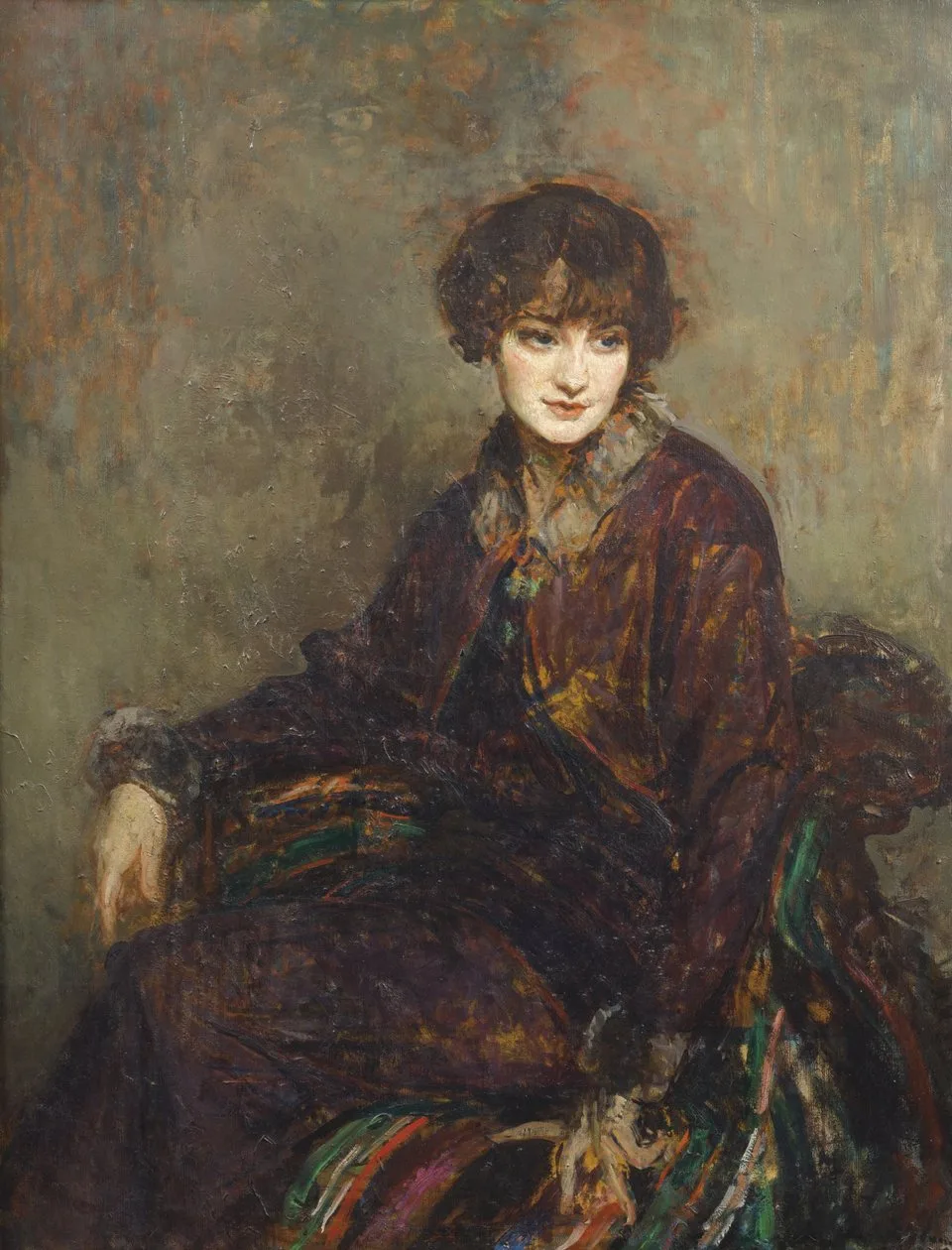
Daisy Fellowes (born Marguerite Séverine Philippine Decazes de Glücksberg; 29 April 1890 – 13 December 1962)
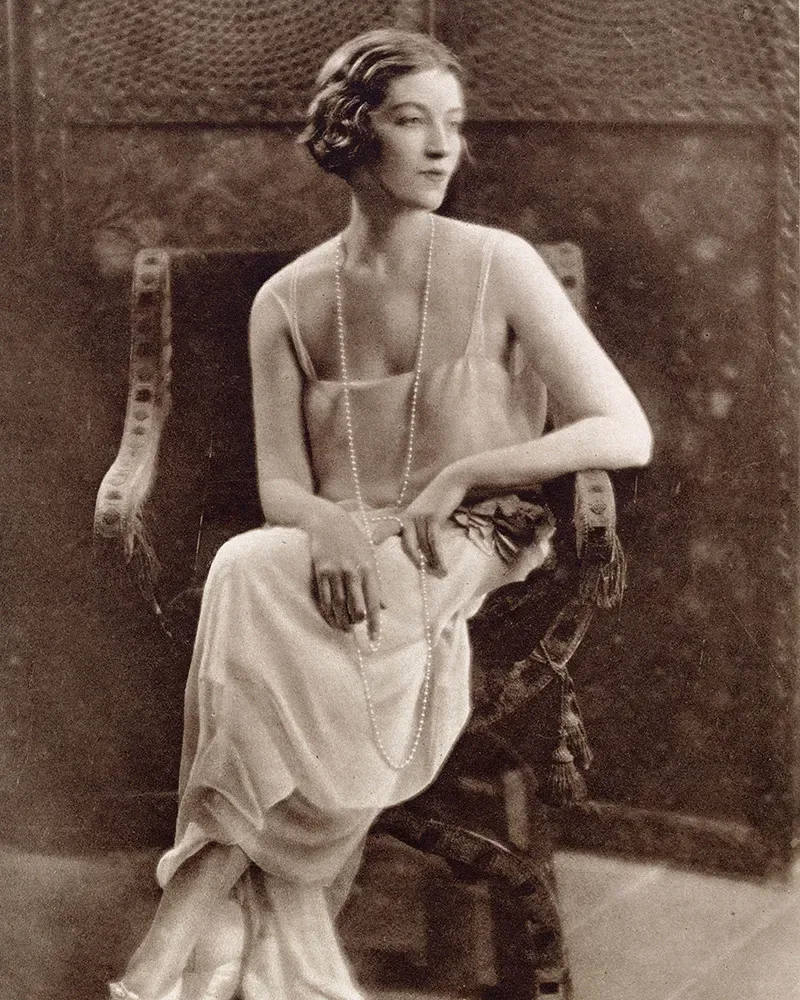
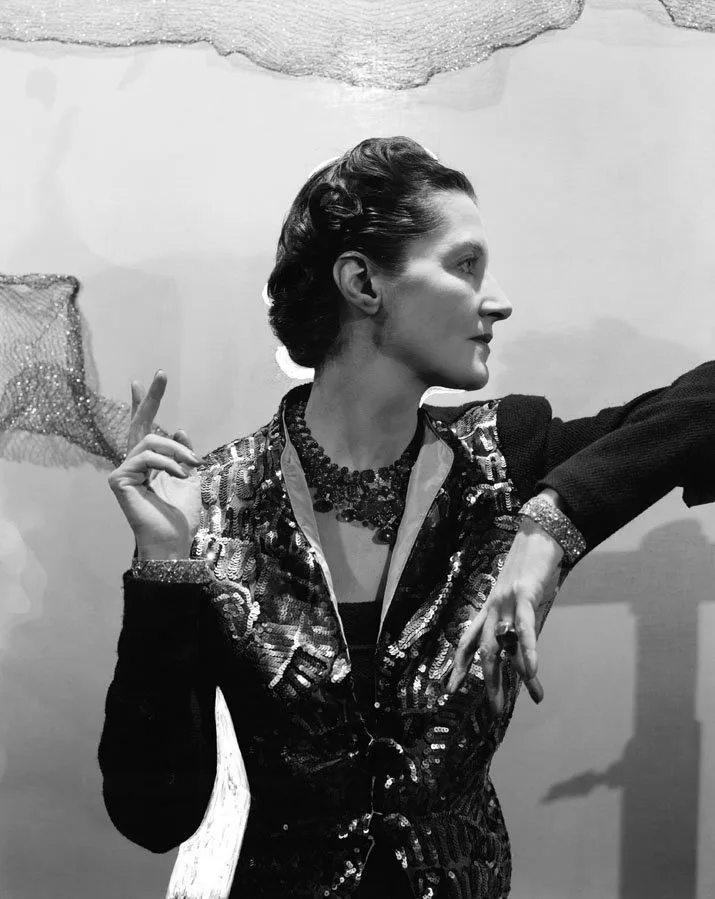
Daisy Fellowes (born Marguerite Séverine Philippine Decazes de Glücksberg; 29 April 1890 – 13 December 1962) was a French socialite, writer, and fashion editor, and one of the most influential style figures of the interwar decades. An heiress to the Singer sewing machine fortune, she became the most important patron of the surrealist couturier Elsa Schiaparelli and one of Cartier's most demanding clients, commissioning the celebrated Tutti Frutti necklace in 1936. Karl Lagerfeld later called her simply "the most stylish and wicked woman in fashion."
Biography
Daisy Fellowes was born in Paris on 29 April 1890, the only daughter of Jean Élie Octave Louis Sévère Amanieu Decazes de Glücksberg, third Duke Decazes, and Isabelle Blanche Singer, granddaughter of the sewing machine inventor Isaac Singer.
Her mother died by suicide in 1896, when Daisy was six. She and her siblings were raised afterward largely by their maternal aunt, Winnaretta Singer, Princess Edmond de Polignac, a celebrated patron of the arts whose own influence on the young Daisy's cultural education ran deep.
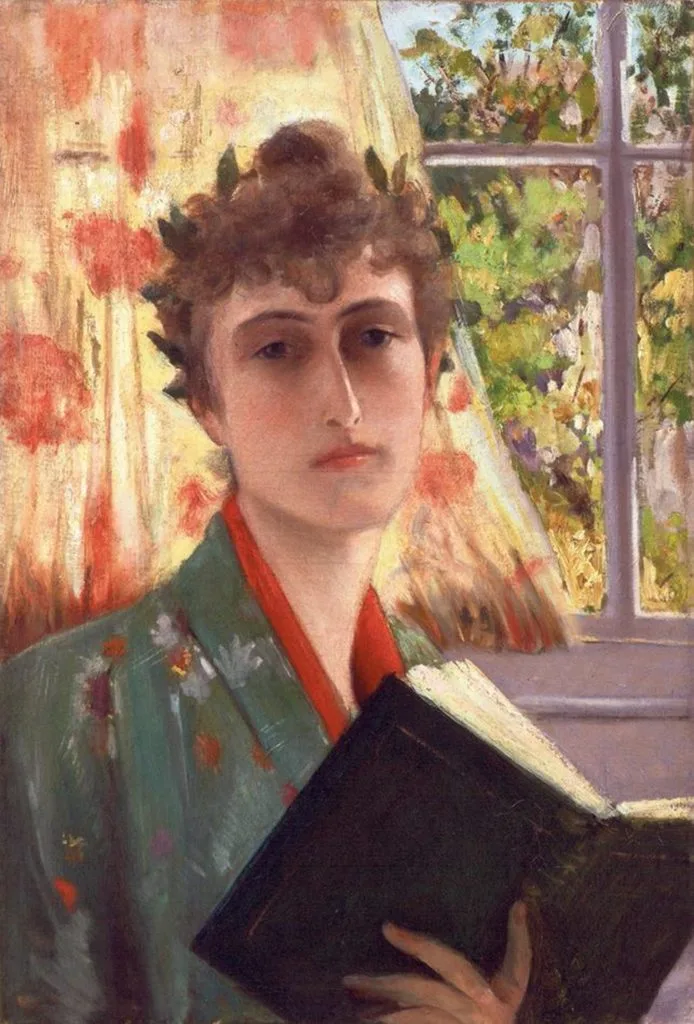
On 10 May 1910, Daisy married her first husband, Jean Amédée Marie Anatole de Broglie, Prince de Broglie. He died in February 1918, serving with the French army in Algeria, officially of influenza, though gossip at the time suggested his death was in fact suicide, prompted by the exposure of his homosexuality. The couple had three daughters. Of the third, born the same January her husband died, Daisy herself later admitted the child was not his, but the product of an affair.
In 1919, Daisy married the Hon. Reginald Fellowes, a wealthy English gentleman, and took the name by which history remembers her. The marriage lasted until his death in 1953 and produced a fourth daughter.
Fellowes became Paris editor of American Harper's Bazaar, a position that put her at the center of the fashion world rather than merely orbiting it. She used the influence deliberately.
Schiaparelli would later name Fellowes and the Duchess of Windsor as her two favorite clients, and it was Fellowes's daring, often deliberately contrary taste, embracing the designer's surrealist experiments when more cautious society women held back, that helped establish Schiaparelli's reputation among the aristocracy.
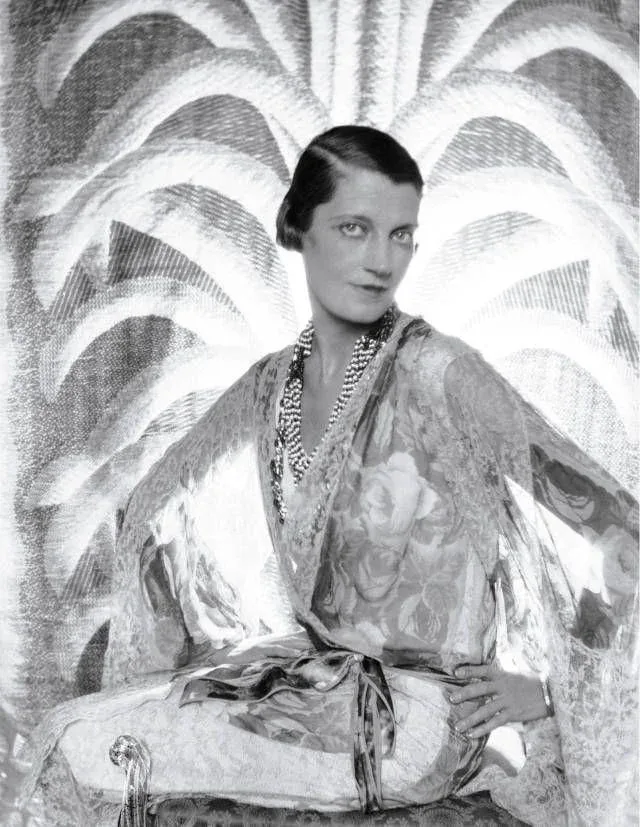
Her relationship with jewelry followed the same pattern. A close friend of the jeweler Suzanne Belperron and a major client of both Cartier and Van Cleef & Arpels, Fellowes commissioned Cartier's celebrated Tutti Frutti necklace in 1936, a mogul-inspired design of carved rubies, emeralds, and sapphires that came to define the style still known by that name.
Cecil Beaton photographed her wearing it the following year, one of many portraits he made of her over the decades. John Singer Sargent had painted her as well, years before Beaton ever picked up a camera.
Fellowes also wrote, publishing poetry and a minor novel, Cats in the Isle of Man (1929), whose story, an American Singer-like heiress married to a feckless Polish prince, drew transparently on her own family history.
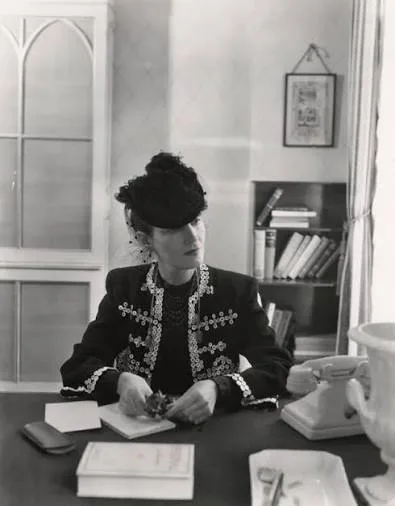
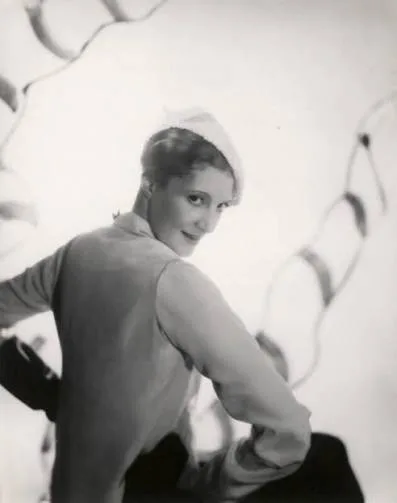
Her wit had a genuinely sharp edge. Contemporaries who crossed her learned to expect precise, memorable retaliation rather than a passing insult, and her reputation for cutting remarks became nearly as well known as her clothes.
The Second World War brought real trouble to her family, even as Fellowes herself was preoccupied competing for the attention of the British politician Duff Cooper. Two of her daughters, Emmeline and Jacqueline, were charged after the war with collaborating with the occupying Axis powers. Emmeline served five months in prison. Jacqueline had her head shaved, the standard public punishment inflicted on women accused of collaboration. Daisy's own response to the scandal was characteristically blunt and did little to repair her reputation.
Her final years were quieter than the decades that preceded them, her once-vast social circle thinned considerably by the war and its long aftermath.
Daisy Fellowes died in Paris on 13 December 1962, at seventy-two.