People
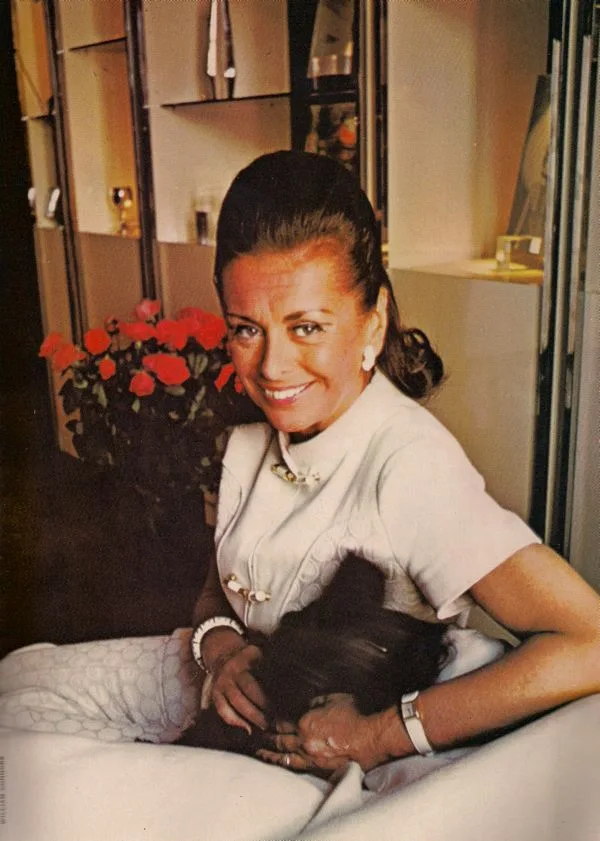
Princess Irene Galitzine (22 July 1916 – 20 October 2006)
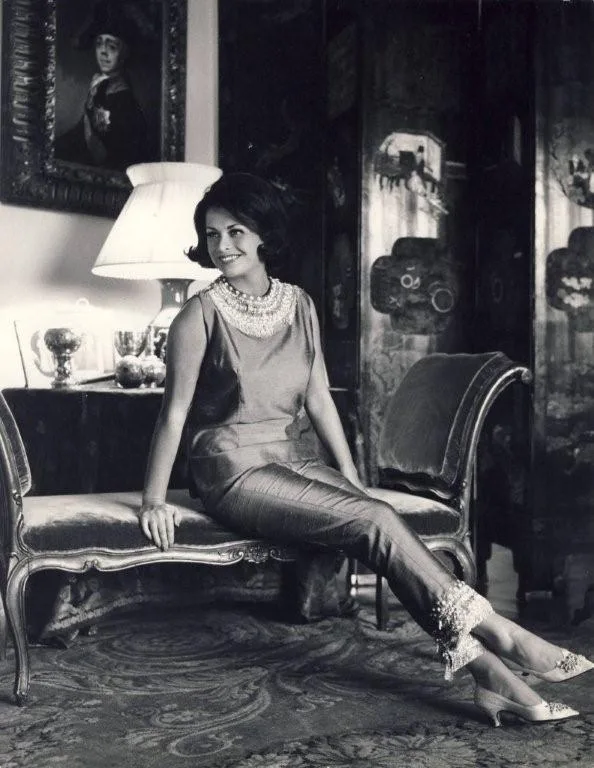
Princess Irene Galitzine (22 July 1916 – 20 October 2006) was a Russian-Georgian fashion designer who built her career in Rome after fleeing the Russian Revolution as a small child. She is best remembered for the "palazzo pyjama," a flowing silk evening trouser suit she introduced in 1960 that became, within a single season, one of the defining looks of the international jet set.
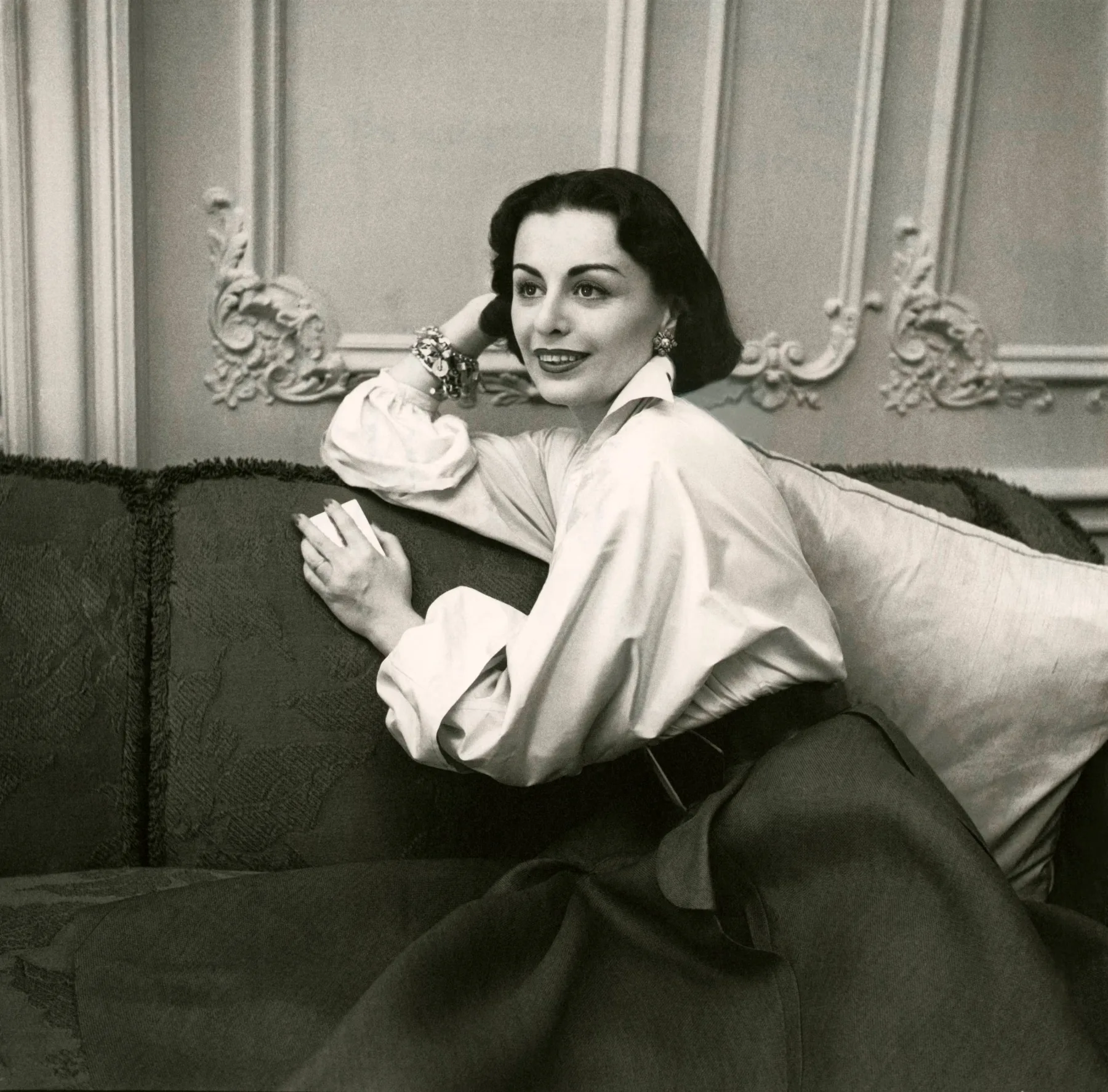
Biography
Irene Galitzine was born on 22 July 1916 in Tiflis, in what is now Tbilisi, Georgia, then part of the Russian Empire. Her father, Prince Boris Galitzine, was an officer of the Tsar's Imperial Guard and a member of the ancient Golitsyn family, whose recorded history stretched back to the year 1200. Her mother, Princess Nina Lazareff, was Georgian.
When the October Revolution broke out in 1917, the Galitzine family fled Russia, passing through Constantinople before settling permanently in Rome.
Irene grew up an exile, and her later education reflected the scattered, cosmopolitan life that followed: she studied art in Rome, English at Cambridge, and French at the Sorbonne in Paris.
In 1943, Irene joined the Roman fashion house of the Fontana sisters, working as an assistant for three years before opening her own salon and presenting her first collection in Rome in 1946.
In 1949, she married Silvio Medici de Menezes, a young member of the Portuguese aristocracy.
Irene's own account of how her house came to exist was disarmingly candid. "I was one of Emilio Pucci's best customers," she said, "but I got tired of seeing the same clothes I was wearing on other people, so I began making my own things. I put them in my first collection, and everybody went wild."
In 1959, invited to present her collection to the American fashion press in Boston, Irene won the Filene Talent Award as the year's outstanding designer.
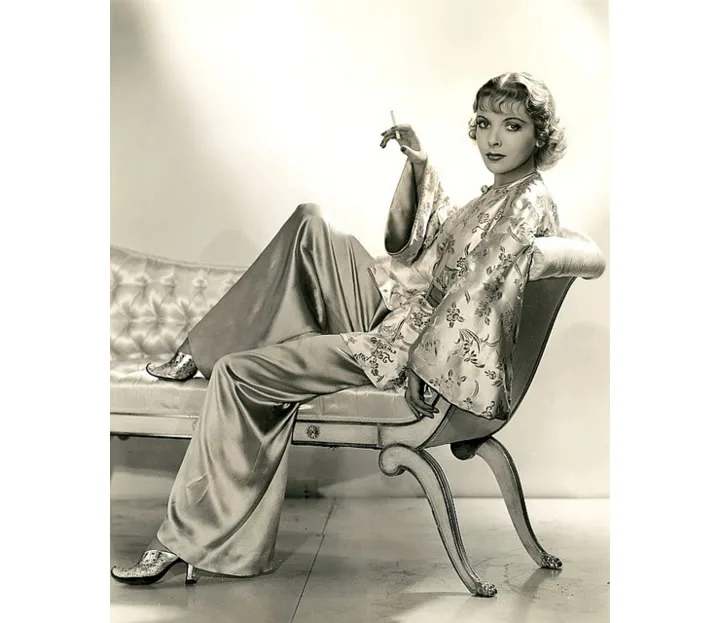
The following year, working alongside the young designer Federico Forquet, then part of her studio, she introduced the design that would define her name for the rest of fashion history: wide-legged evening trousers cut from soft, fluid silk, paired with a matching tunic top. The editor Diana Vreeland, writing the style up for Vogue, gave it the name that stuck: the palazzo pyjama.
The look spread through international society almost immediately. Irene's clients came to include Jacqueline Kennedy, Audrey Hepburn, Sophia Loren, Elizabeth Taylor, Greta Garbo, Lee Radziwill, Marie-Hélène de Rothschild, Claudia Cardinale(who wore Galitzine's palazzo pyjamas on screen in the original 1963 version of The Pink Panther), and Wallis, Duchess of Windsor.
Italy's fashion press named Irene Designer of the Year in 1962. In 1965 she won the British Sunday Times International Fashion Award and was inducted into the International Best Dressed List Hall of Fame.
Examples of her original palazzo pyjama designs are now held in the permanent collections of the Metropolitan Museum of Art in New York, the Victoria and Albert Museum in London, and the Costume Museum in St. Petersburg.
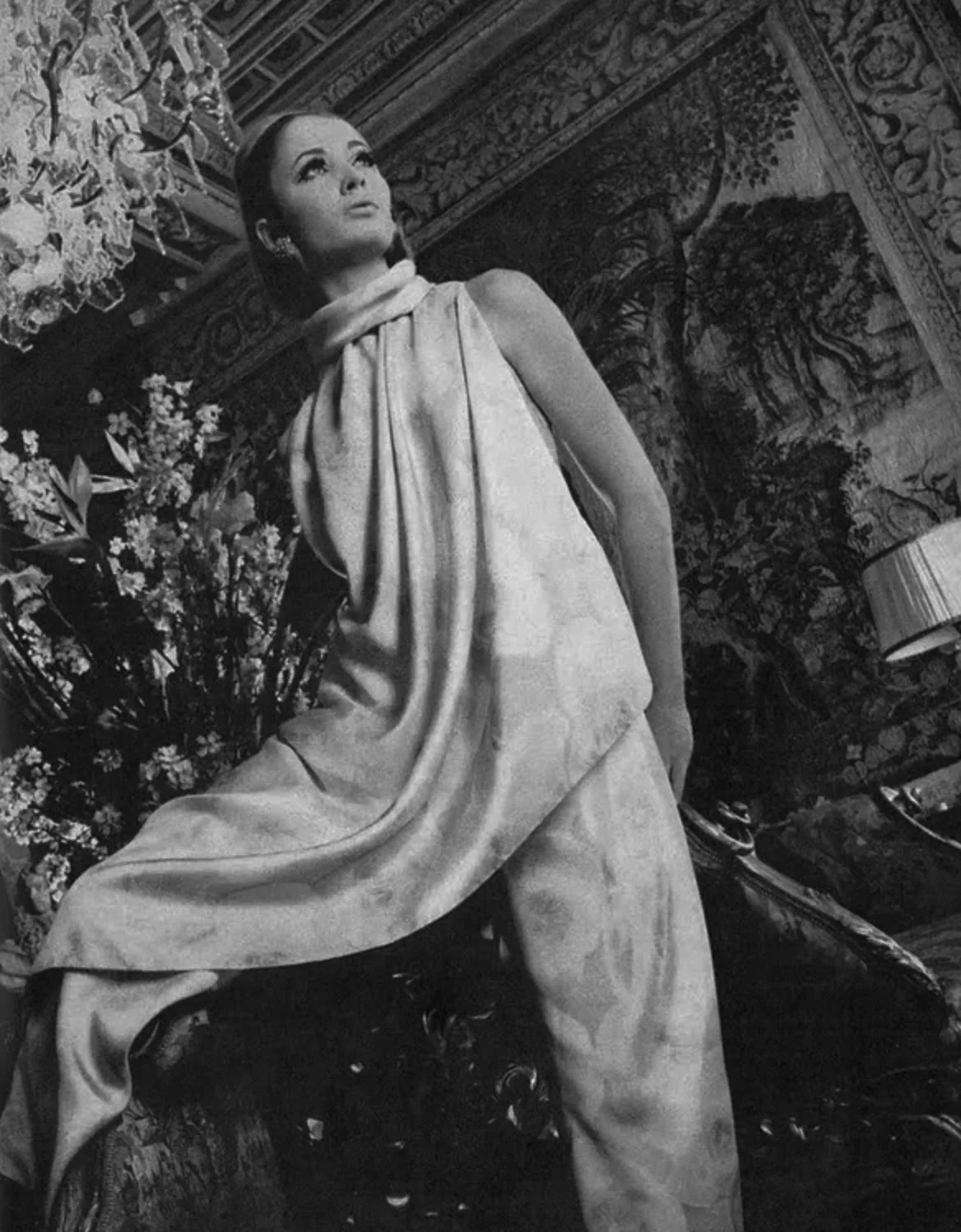
Irene sold her label to the Xines Company in 1990, but her most quietly remarkable chapter came six years later.
In September 1996, more than seventy years after fleeing Russia as a small child, she opened her first boutique in Moscow. She published her autobiography that November, giving it a title that summed up the whole arc of her life in four words: From Russia to Russia.
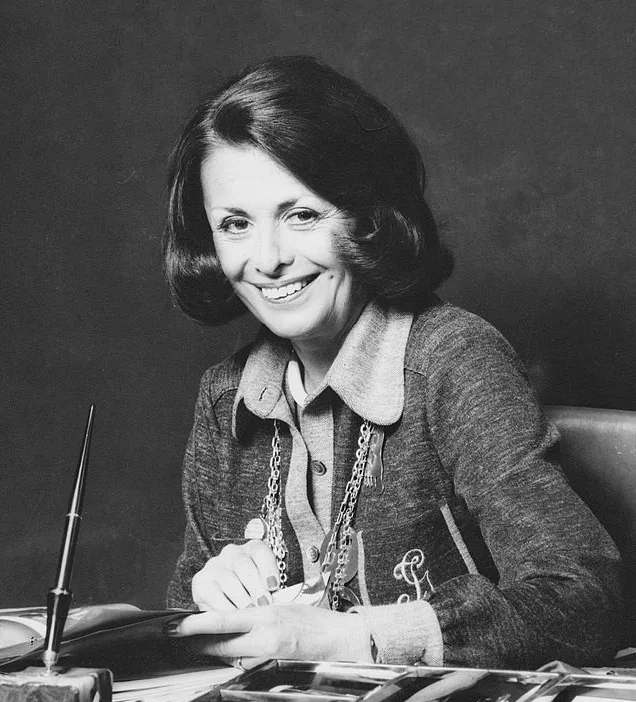
Irene Galitzine died at her home in Rome on 20 October 2006, at ninety.