People
Rania, Queen of Jordan (born Rania Al-Yassin; born 31 August 1970)
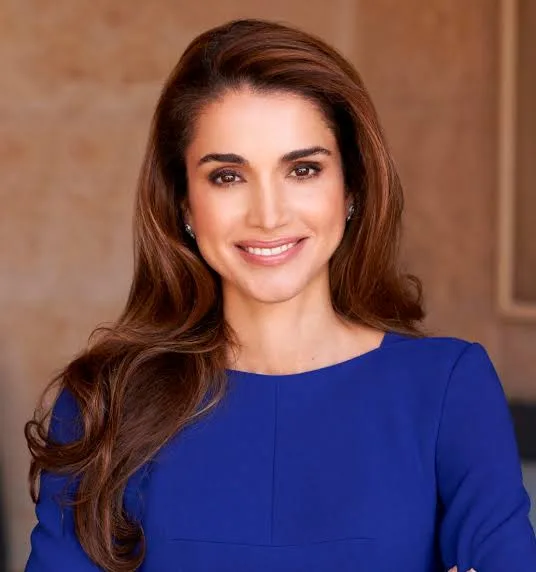
Rania, Queen of Jordan (born Rania Al-Yassin; born 31 August 1970) is the wife of King Abdullah II, and, for more than two decades, one of the most recognizable royal style figures in the world. Born a refugee, twice over, she became queen almost by accident, and has spent her reign turning a fashion sense built on Beirut couture and a deep, personal commitment to education into one of the Arab world's most visible public platforms.
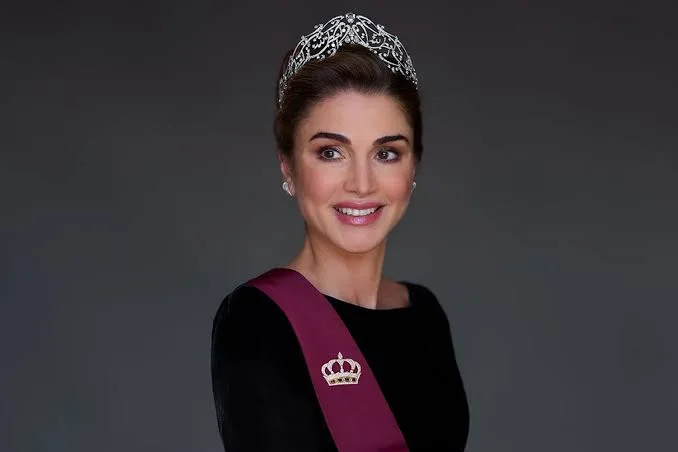
Biography
Rania Al-Yassin was born in Kuwait City on 31 August 1970, to Palestinian parents. Her father, Faisal Sedki al-Yassin, a pediatrician, was from Tulkarm, in the West Bank. Her mother, Ilham, was from Nablus. Rania grew up comfortably in Kuwait, attending the New English School before enrolling at the American University in Cairo.
She graduated with a business degree in 1991, the same year the first Gulf War forced her family, along with hundreds of thousands of other Palestinians, to flee Kuwait. They resettled in Amman, Jordan. Rania joined them there once her studies were finished.
She took a marketing job at Citibank, then moved to a similar role at Apple's office in Amman.
In January 1993, a colleague invited her to a dinner party hosted by Princess Aisha, sister of Prince Abdullah bin al-Hussein of Jordan. Rania admitted later she'd felt wary walking in, all too aware of exactly whose party it was. Across the room, she and Abdullah caught each other's eye, and by her own account it was something close to love at first sight. Their engagement followed within two months.
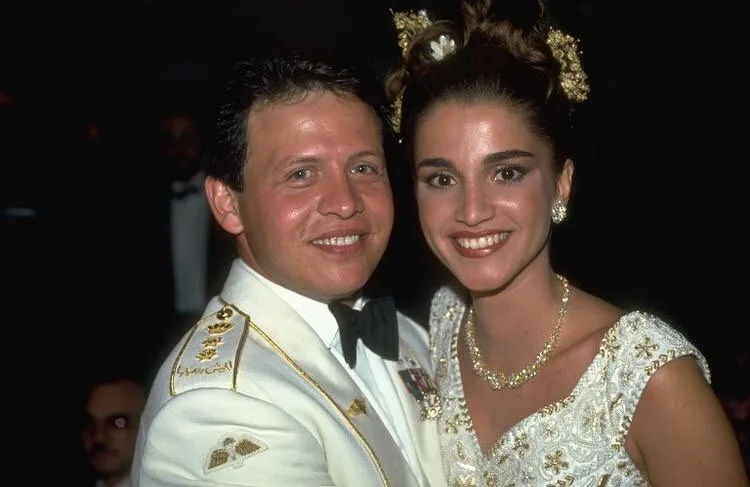
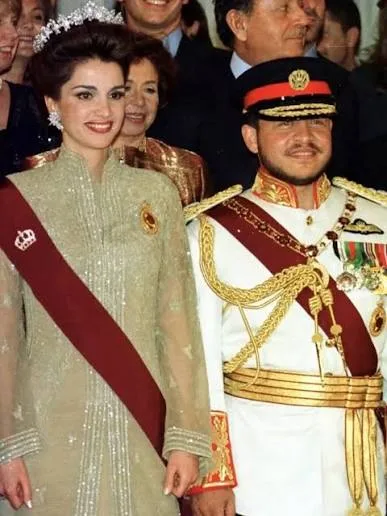
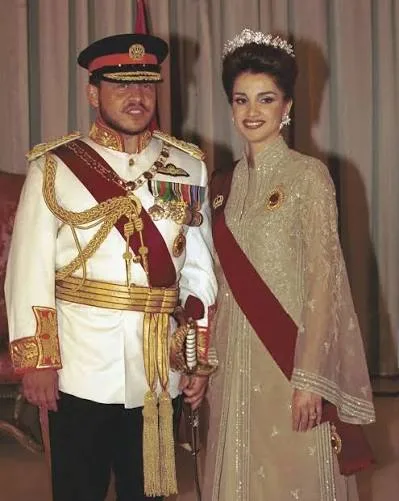
Rania married Abdullah on 10 June 1993 at Amman's Royal Palace, in a ceremony that quietly broke with royal convention before it had even properly begun. She wore no tiara, choosing instead a simple, embellished headband to secure her veil.
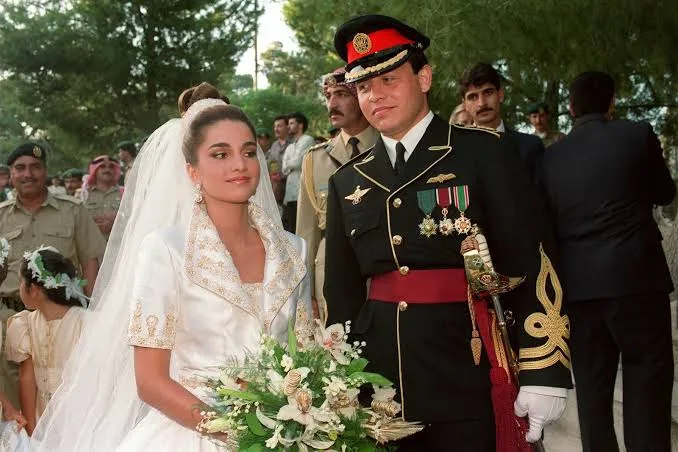
Her gown, by the British designer Bruce Oldfield, a longtime favorite of Princess Diana's as well, drew its inspiration from formal Syrian court dress Oldfield had studied at London's Victoria and Albert Museum: a full skirt paired with a separate, collared bolero jacket, the collar, sleeves, and hem all hand-embroidered in gold thread. Abdullah's grandmother, Queen Zein al-Sharaf Talal, is said to have taken one look at her new granddaughter-in-law and pronounced her "a diamond that will be added to the Hashemite family."
There was no obvious reason, at the time, to think Rania would ever become queen at all. Abdullah's own father, King Hussein, had quietly removed him from the line of succession decades earlier, when Abdullah was only three, in favor of one of his own brothers.
Rania and Abdullah's first two children arrived in the years that followed: a son, Hussein, born in 1994, and a daughter, Iman, born in 1996.
Then, in a dramatic deathbed reversal in early 1999, King Hussein restored his eldest son to the succession after all. The king died on 7 February 1999. Abdullah became King Abdullah II. Rania, entirely unexpectedly, became queen.
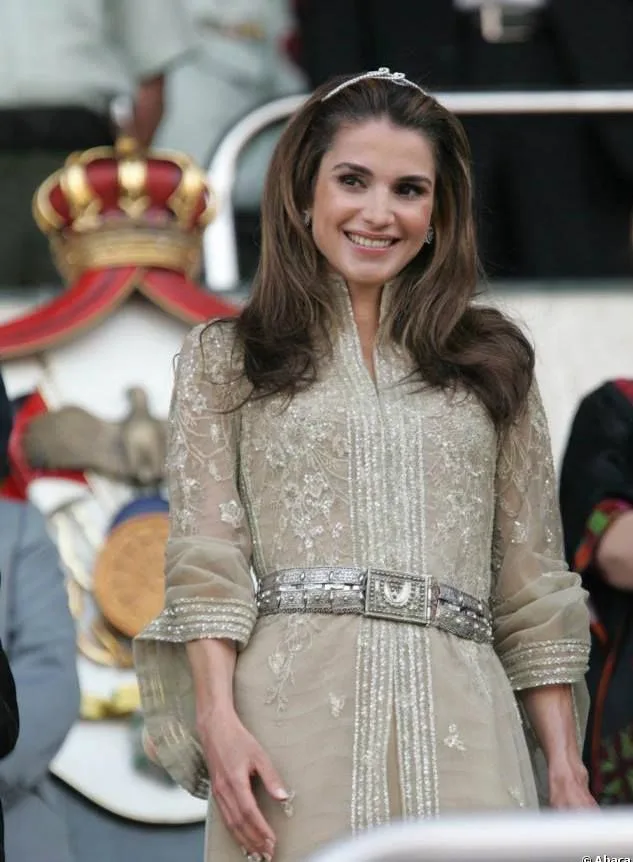
For her husband's coronation that year, Rania wore a gown by the Lebanese couturier Elie Saab, the start of a partnership that would define her wardrobe for the next quarter century.
A third child, Salma, was born in 2000.
That same year, at a charity ball in Versailles, Rania appeared in a blush-pink Elie Saab gown, off the shoulder, sheer at the edges, scattered with embroidered sequins and flowers.
A fourth child, Hashem, arrived in 2005.
Two years later, at Germany's Bambi Awards, she wore a one-shouldered, silver-and-white Elie Saab gown, seated for the evening beside Karl Lagerfeld.
Alongside the growing family and the growing wardrobe, Rania built something more lasting: a genuine, sustained public platform.
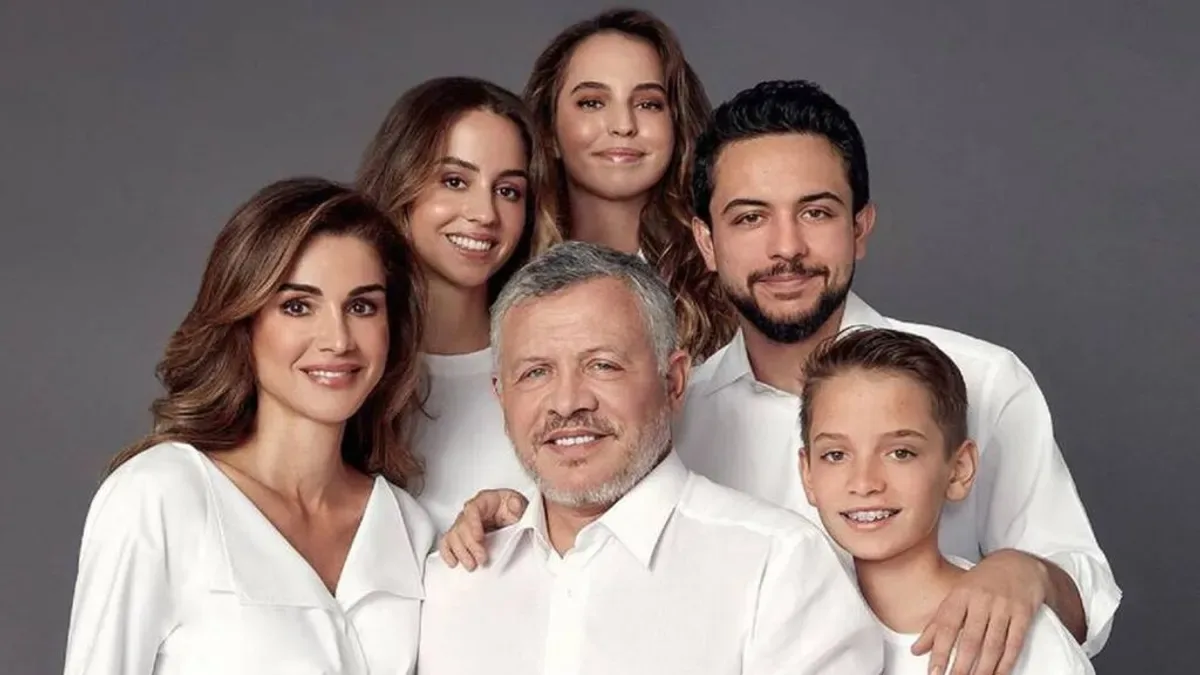
She founded the Jordan River Foundation and the Queen Rania Foundation for Education and Development, wrote children's books, including The Sandwich Swap, and became one of the first members of any royal family to embrace social media directly, using it to campaign for education, women's rights, and dialogue across cultures.
In more recent years, she has also spoken out publicly and often on the humanitarian toll of the war in Gaza.
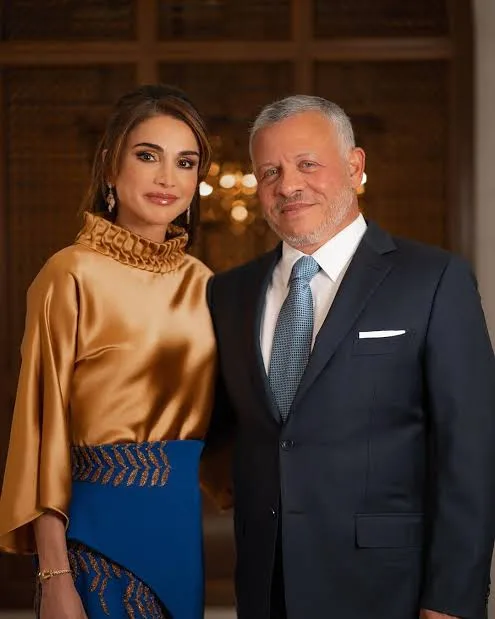
In June 2023, Rania's eldest son, Crown Prince Hussein, married Rajwa Al-Saif. Rania wore Christian Dior for the occasion; her new daughter-in-law wore Elie Saab, the same house Rania herself had trusted for thirty years, quietly passing the baton within her own family without saying a word about it.
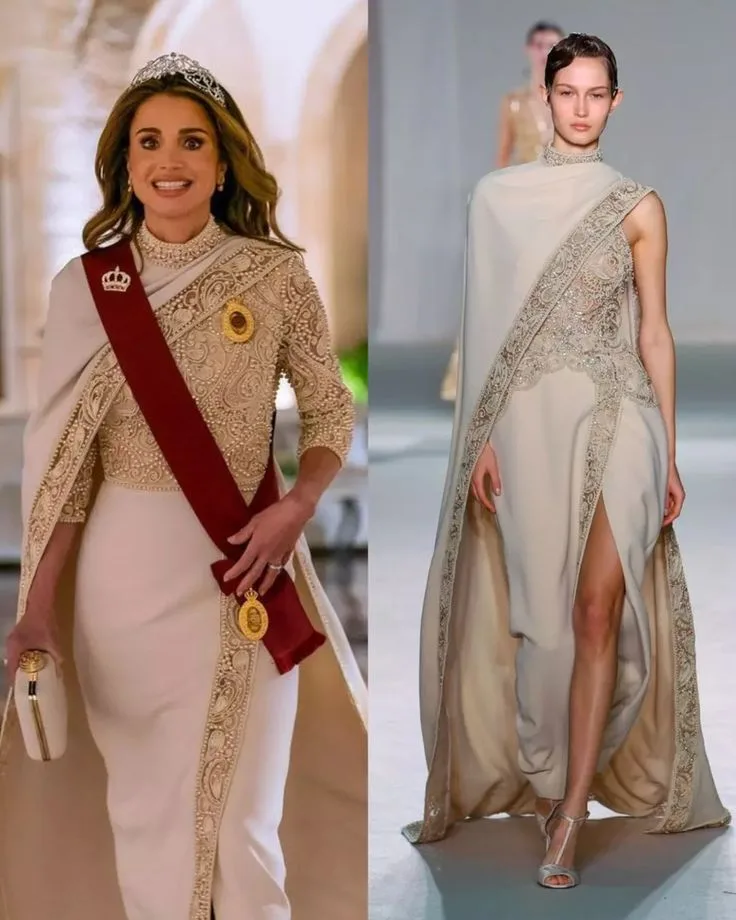
Months earlier, invited to the King Hussein Hope Gala, Rania had taken a strapless Elie Saab gown from the designer's own couture collection and had it altered before she would wear it, adding sheer draped sleeves and a higher neckline until it matched, precisely, the level of coverage she preferred.
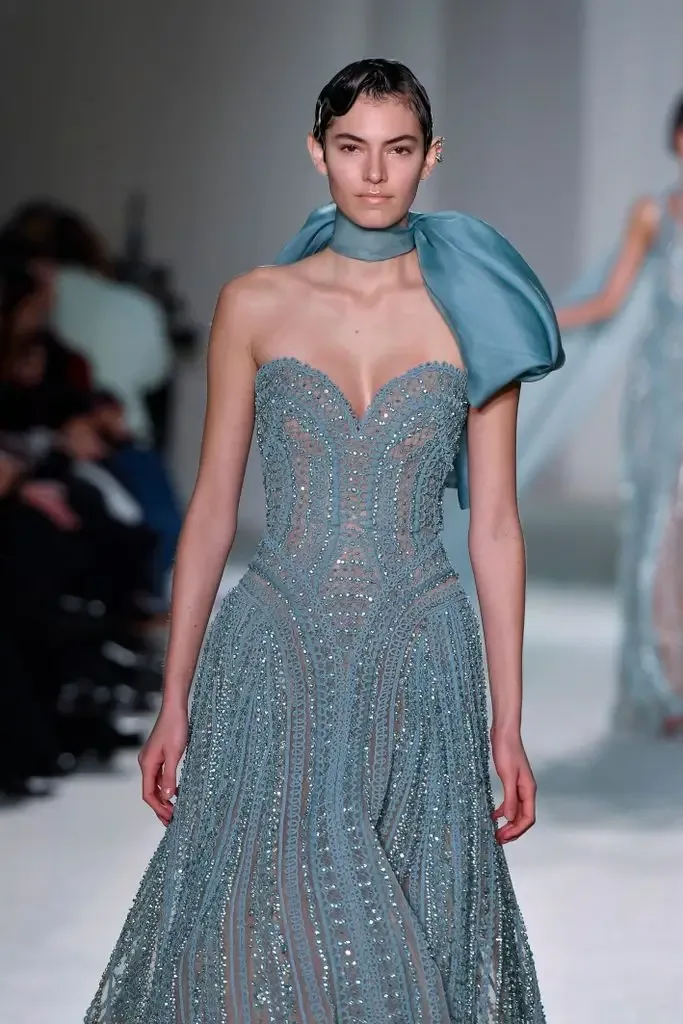
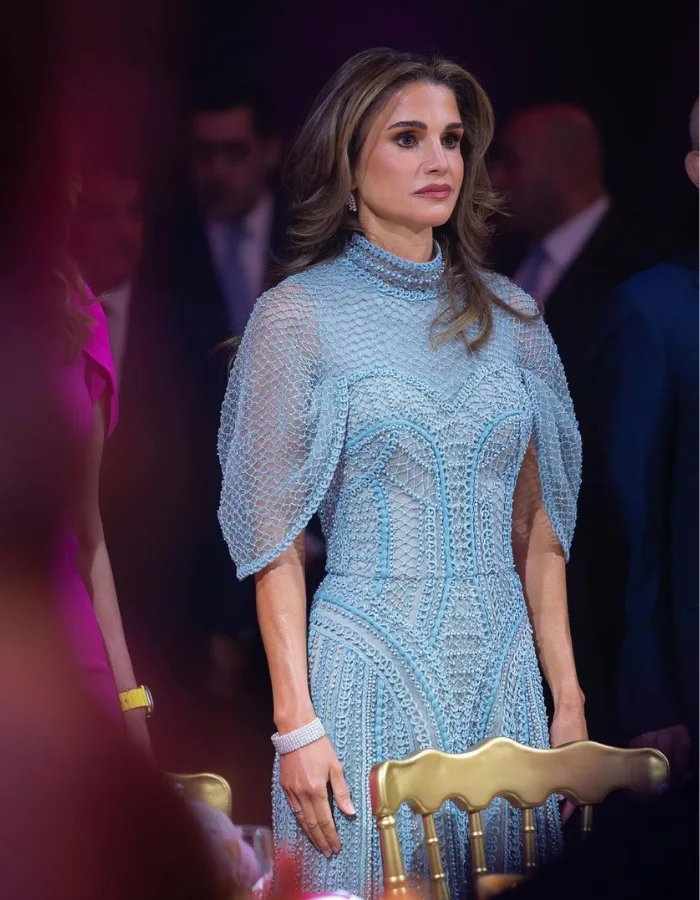
It was a small, telling gesture: even wearing the world's most sought-after couture, on the world's most photographed stages, Rania has never simply worn what she's given. She has always, quietly and consistently, made it her own first.