People
Babe Paley (5 July 1915 – 6 July 1978)
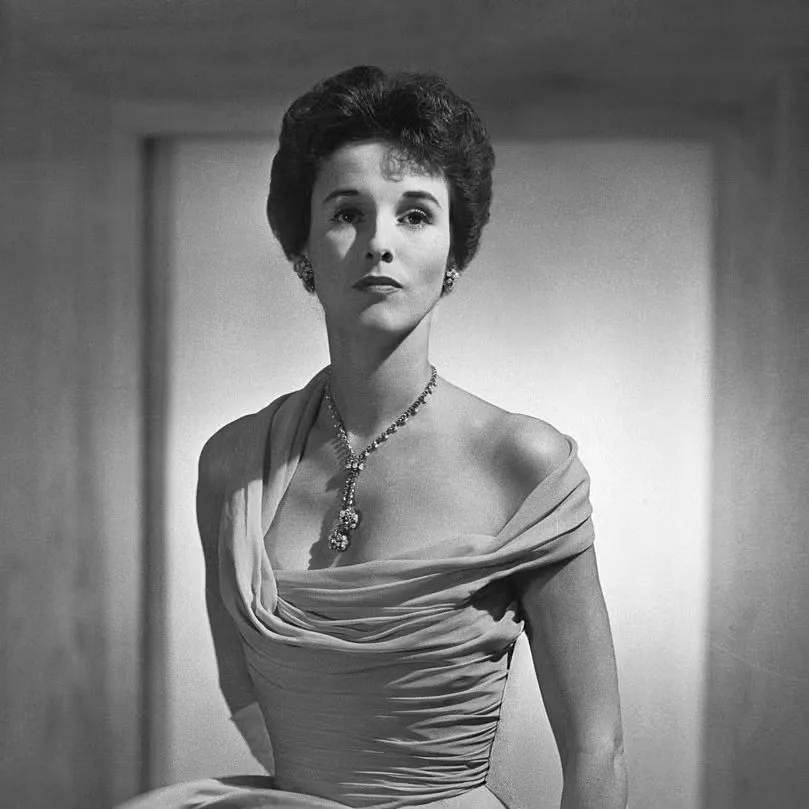
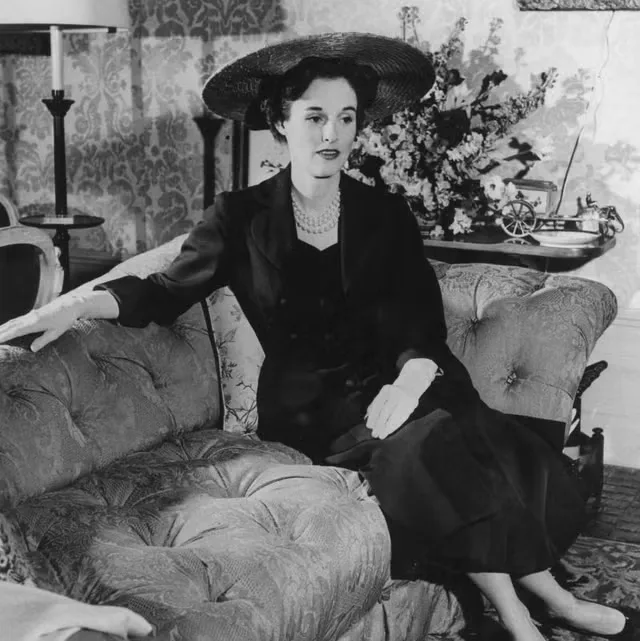
Barbara "Babe" Cushing Mortimer Paley (5 July 1915 – 6 July 1978) was an American socialite, magazine editor, and fashion icon, inducted into the International Best Dressed List Hall of Fame in 1958. The youngest of the celebrated "Fabulous Cushing Sisters," she became, through her marriage to CBS founder William S. Paley, one of the central figures of mid-twentieth-century New York high society — and, through her close friendship with Truman Capote, one of the most famous casualties of his unfinished final novel, Answered Prayers.
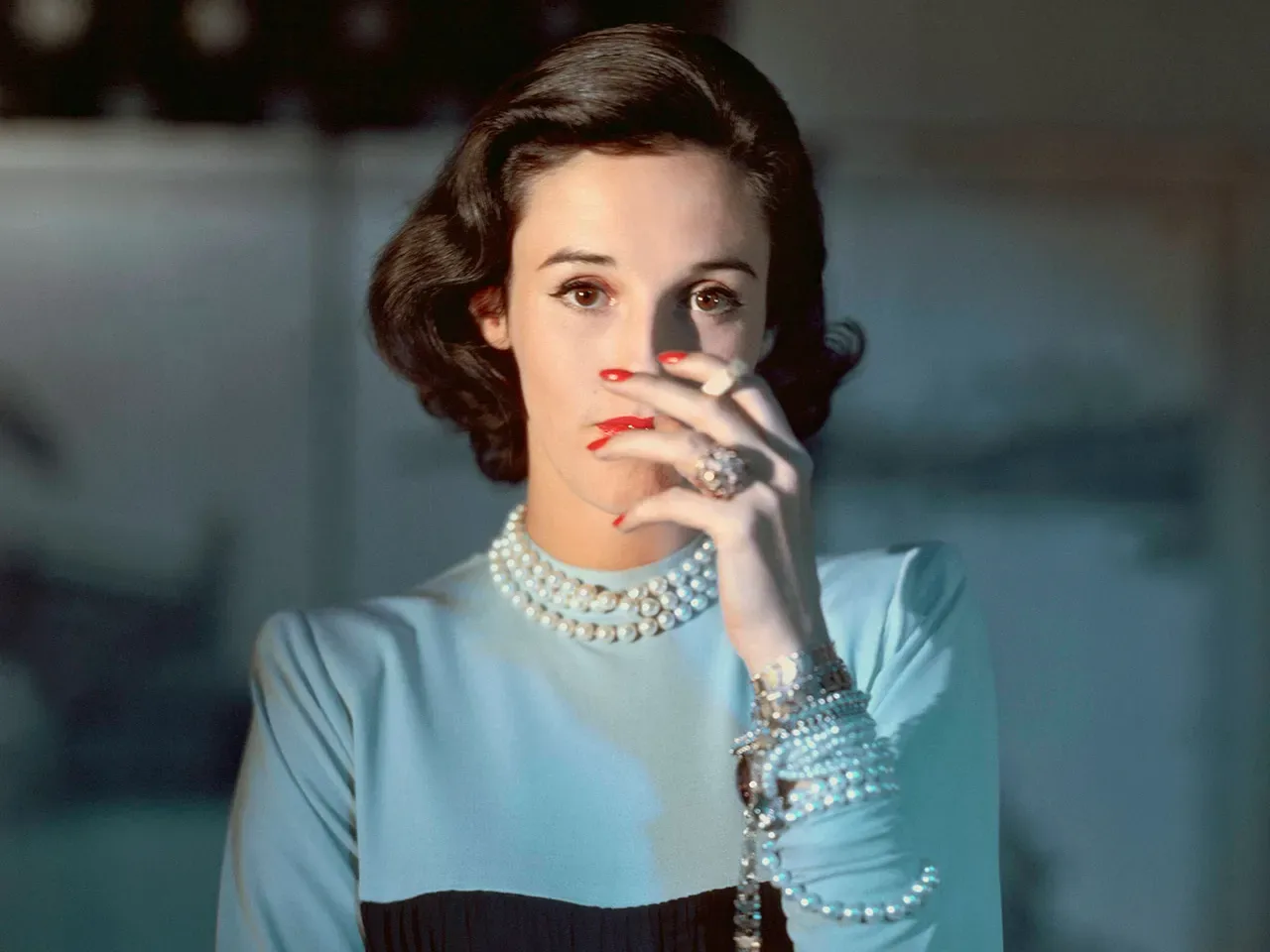
Biography
Barbara Cushing was born on 5 July 1915 in Boston, the youngest of three daughters of Dr. Harvey Cushing and Katharine Stone Crowell Cushing.
Her father was among the most celebrated physicians in America — widely credited as the father of modern neurosurgery, and the namesake of the medical condition still known today as Cushing's syndrome.
Her mother, an ambitious socialite in her own right, raised all three daughters with a single clear purpose: to make brilliant marriages.
Babe's two older sisters did exactly that. Mary, known as Minnie, married the financier Vincent Astor; Betsey married James Roosevelt, son of the sitting president, and later the diplomat and publisher John Hay Whitney. Gossip columnists took to calling the three of them, collectively, "the Fabulous Cushing Sisters."
Babe was educated at the Westover School and the Winsor School in Boston, and made her society debut in October 1934 — a lavish affair that drew even the president's own sons, staged in the middle of the Great Depression as though the country weren't experiencing one at all.
In 1938 she became a fashion editor at Vogue in New York, a job that put her in constant contact with the era's leading designers — several of whom began sending her clothes outright, correctly betting that a dress worn by Babe Cushing would sell considerably more of itself.
In 1940 she married Stanley Grafton Mortimer Jr., a wealthy sportsman, and had two children with him: Stanley Grafton Mortimer III, born in 1942, and Amanda, born in 1943, who would grow up to become the influential New York City planner Amanda Burden. The marriage ended in divorce in 1946.
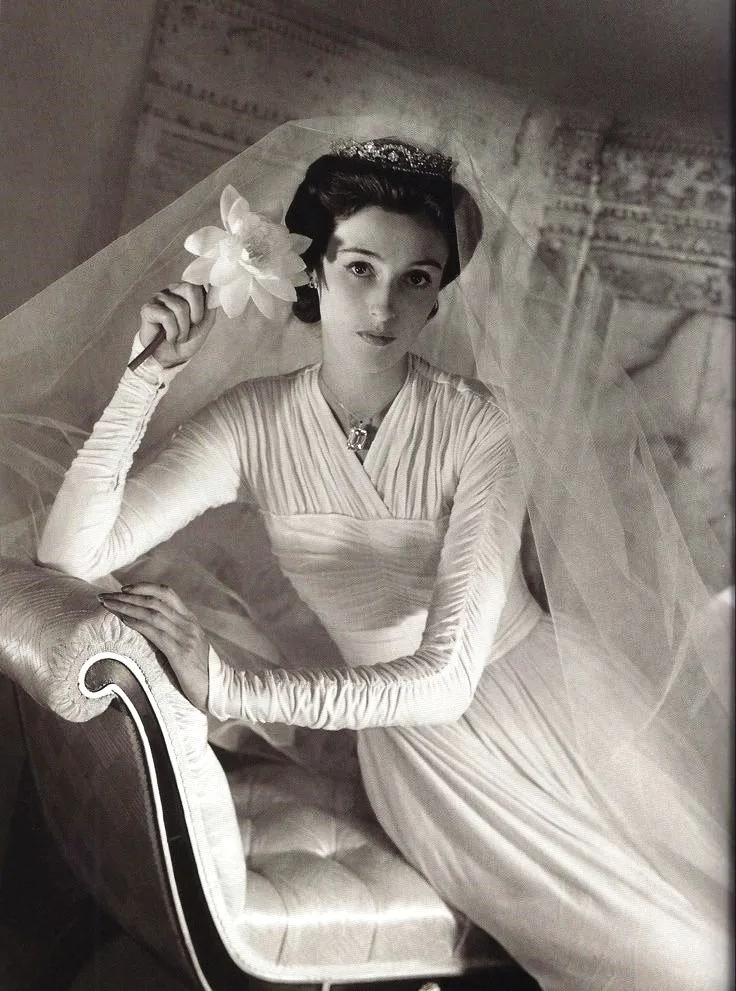
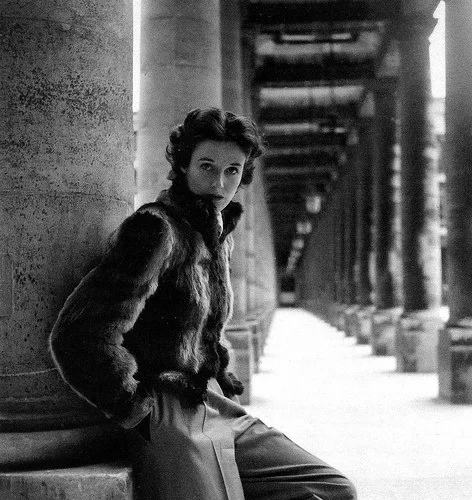
The following year, Babe met William S. Paley, the founder and chairman of CBS, recently separated from his first wife. They married in 1947, and had two more children together, William Cushing Paley and Kate.
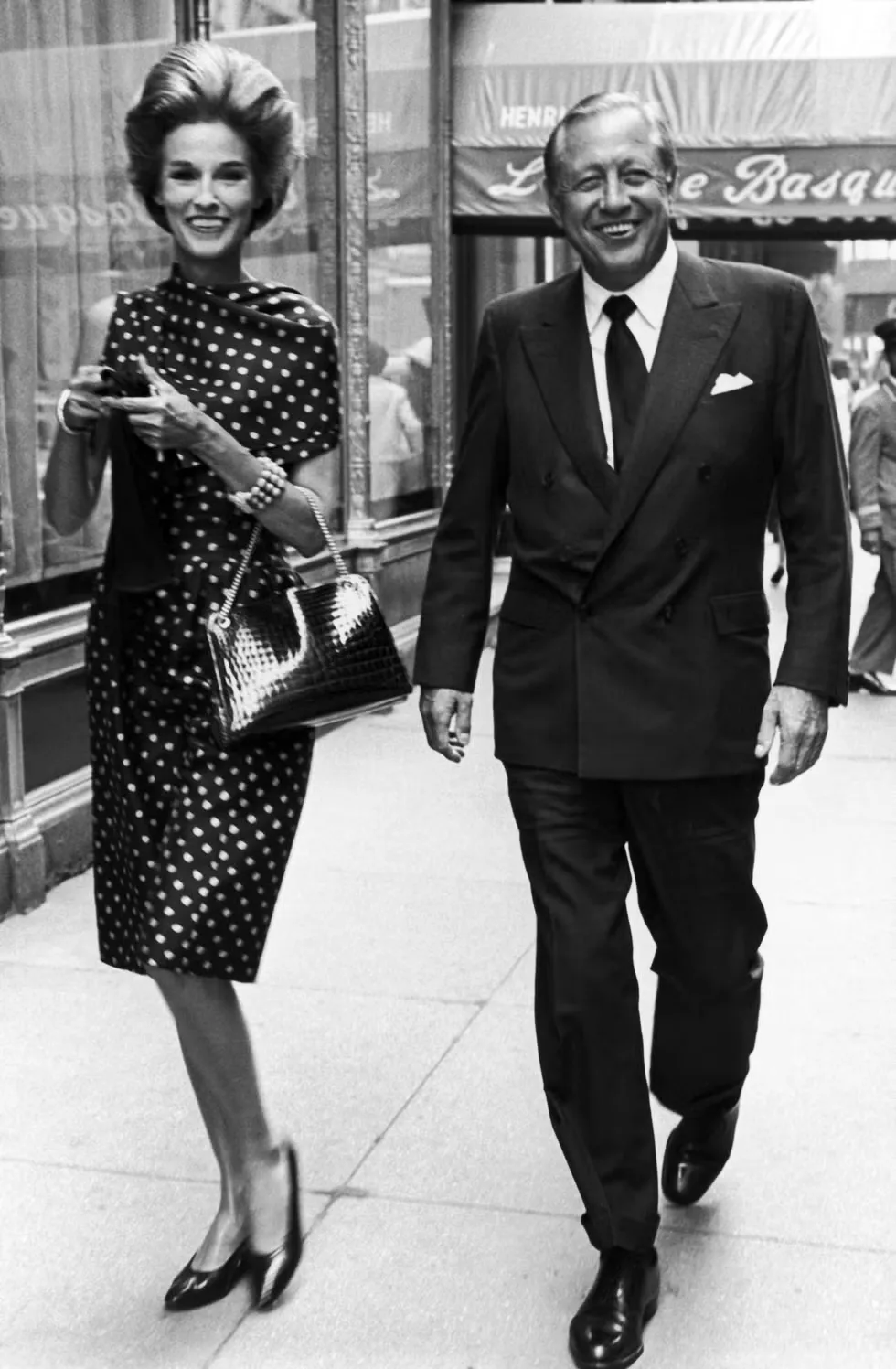
As Mrs. William Paley, Babe became the undisputed center of New York's most rarefied social circle, hosting legendary gatherings at the couple's homes in Manhattan, Jamaica, and their Long Island estate, Kiluna Farm.
Guests came for the company, but they studied the hostess: what she wore into a room tended to be what half of fashionable America was wearing within the season.
In 1958 she was formally inducted into the International Best Dressed List Hall of Fame, having already appeared on its annual rosters more than a decade earlier.
Her taste ran toward Balenciaga, Givenchy, and Mainbocher, and toward a sophisticated, understated chic that made even the most extravagant pieces look like an afterthought. A single photograph of her with a scarf casually knotted around the handle of her handbag was enough, on its own, to start a trend millions of women copied.
Beneath the glamour, the marriage that made her a legend was not, by most accounts, a particularly happy one.
Bill Paley carried on a long, well-documented string of affairs throughout their years together, and biographers have generally agreed that the toll it took on Babe was real, even if she rarely let it show in public.
Her closest confidant through it all was the writer Truman Capote, who folded her into his inner circle of society women he called his "Swans," alongside Slim Keith, Gloria Guinness, Marella Agnelli, C.Z. Guest, and Lee Radziwill.
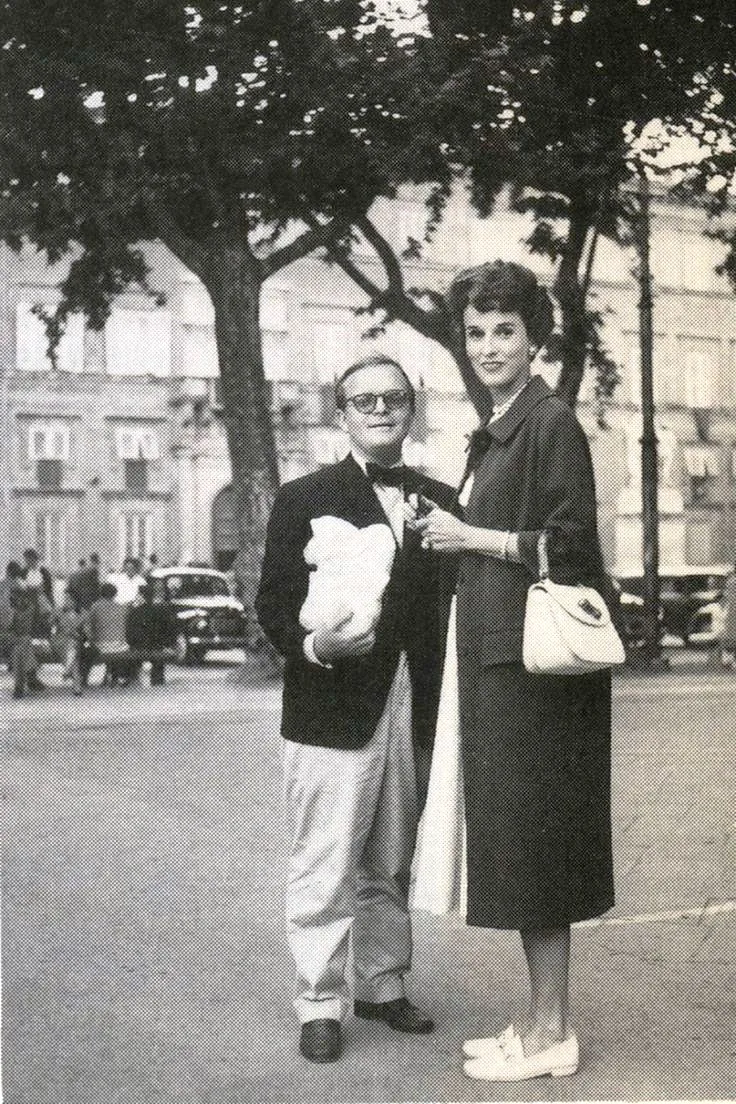
Of Babe specifically, Capote once said: "Mrs. P. had only one fault: she was perfect. Otherwise, she was perfect."
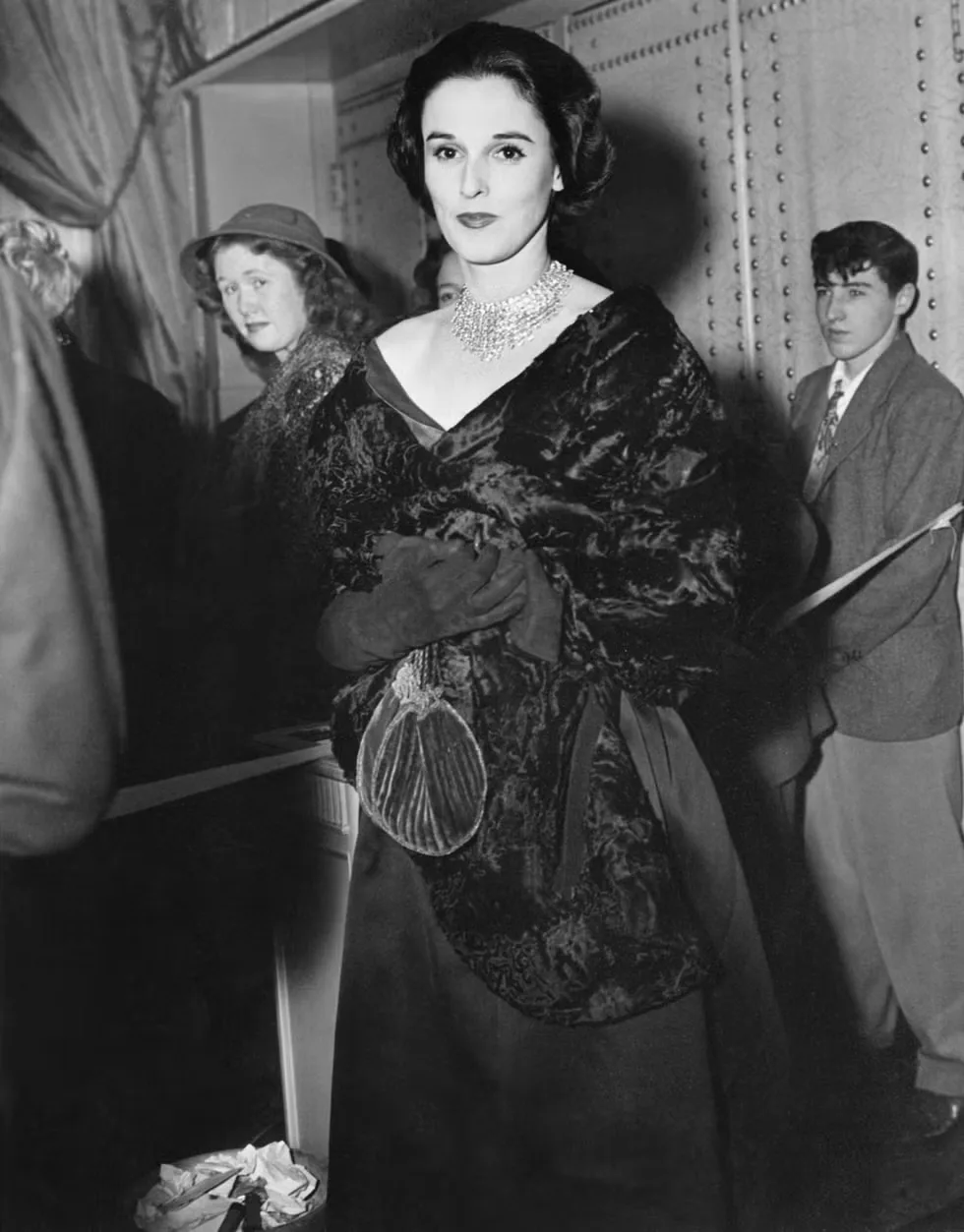
In 1974, Babe was diagnosed with terminal lung cancer, the cost of decades as a heavy smoker.
The following year, Esquire published "La Côte Basque, 1965," an excerpt from Capote's unfinished novel Answered Prayers that thinly disguised his closest friends as gossiping, backstabbing versions of themselves — including, unmistakably, a private story about Bill Paley's infidelity that Babe herself had confided to Capote in trust.
Babe never spoke to Capote again. None of the other Swans forgave him either, and the betrayal effectively ended Capote's place in the world he had spent decades cultivating.
In her final months, dying of the cancer that would kill her, Babe was said to have planned every detail of her own funeral herself — down to the food and the wine that would be served.
She died in New York on 6 July 1978, one day after her sixty-third birthday, and was buried at the Memorial Cemetery of St. John's Church in Cold Spring Harbor, New York.
Not every relationship in her life carried the same polish as her public image. Her daughter Amanda Burden later described their bond as "virtually nonexistent," adding, pointedly, that the distance between them "was her choice, not mine."
Decades on, fashion designers and decorators still cite Babe Paley as a reference point for that effortless, expensive-looking restraint.
Both she and Wallis Simpson, Duchess of Windsor have been credited with the line "you can never be too rich or too thin". Whoever actually coined it, it was Babe Paley people pictured when they heard it.