People
Pierre Balmain (18 May 1914-29 June 1982)
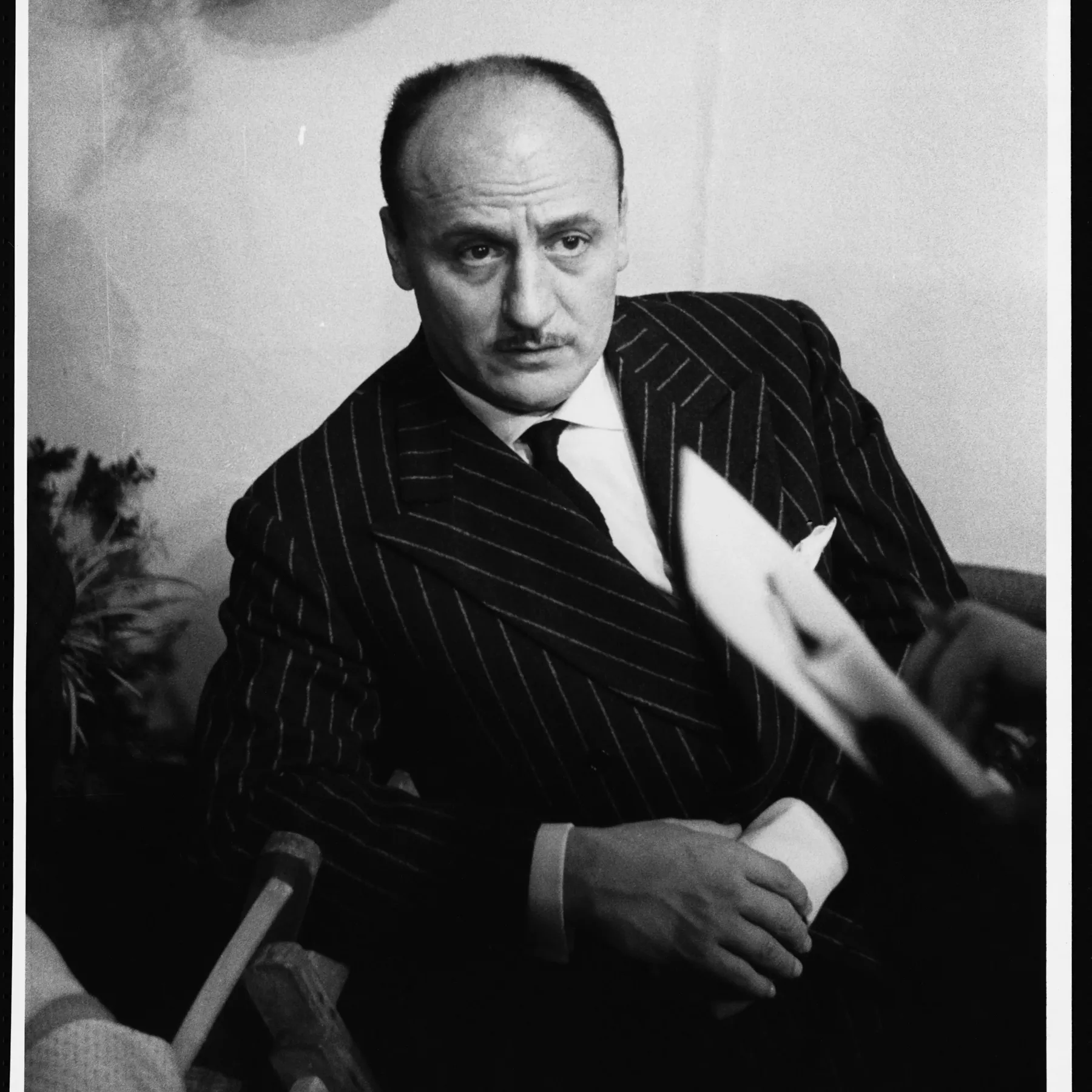
Pierre Balmain (born Pierre Alexandre Claudius Balmain; 18 May 1914 – 29 June 1982) was a French fashion designer and founder of the House of Balmain, ranked among the "Big Four" couturiers of 1950s Paris alongside Christian Dior, Jacques Fath, and Jean Dessès. Unlike some of them, however, Pierre Balmain owned his couture house and personally directed it until his death in 1982, never closing it or selling to someone else.
Trained first as an architect, Balmain built a career on the idea that "dressmaking is the architecture of movement," dressing everyone from European royalty to Brigitte Bardot and Josephine Baker over nearly four decades at the top of French couture.
Biography
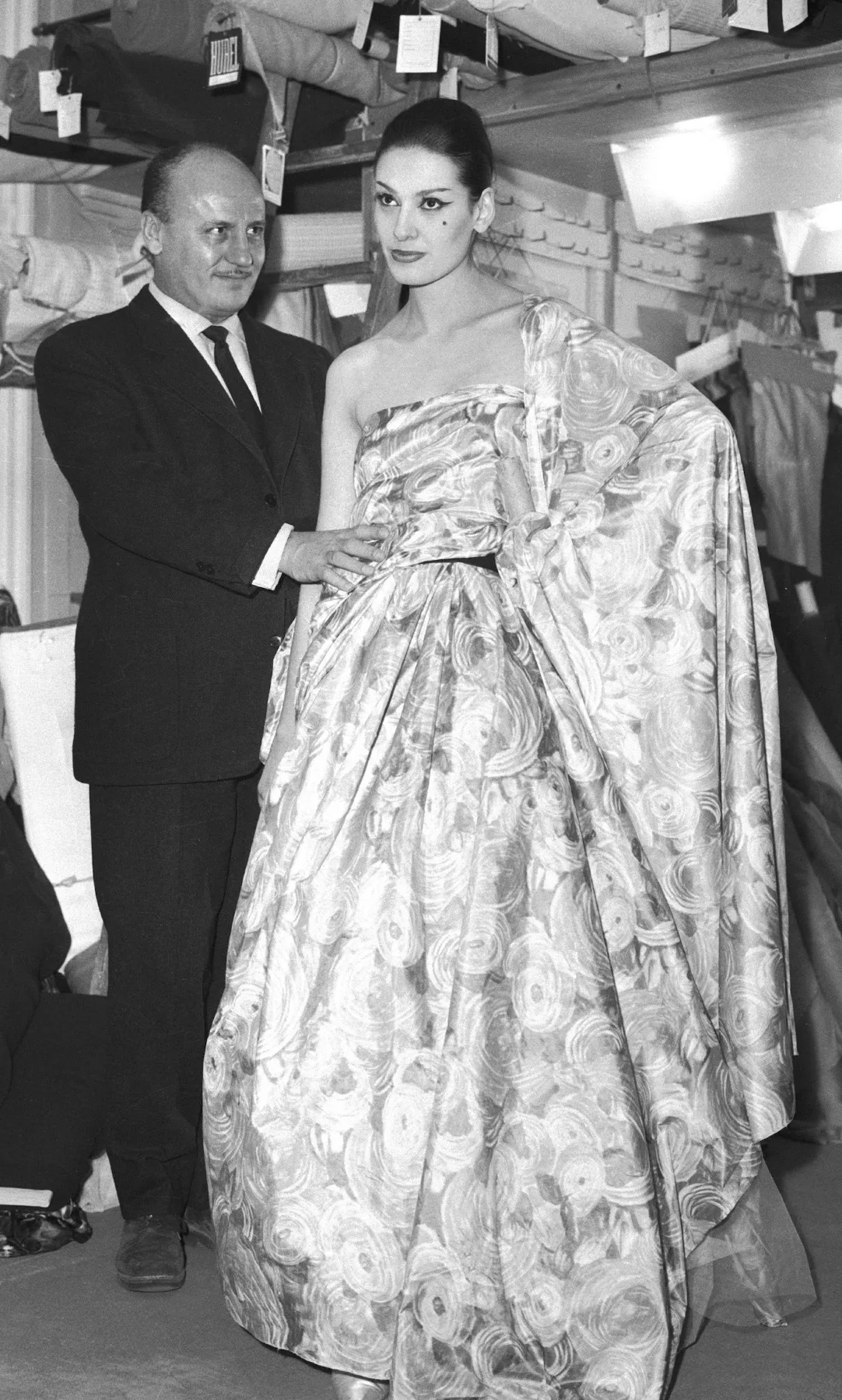
Pierre Balmain was born on 18 May 1914 in Saint-Jean-de-Maurienne, a town in the French Alps, to Maurice Balmain, who ran a wholesale drapery business, and Françoise Balmain, who ran a fashion boutique, Galeries Parisiennes, with her sisters.
His father died in 1921, when Pierre was seven, and the boy grew up immersed in his mother's and aunts' textile and fashion trade. Weekends spent with an uncle in the spa town of Aix-les-Bains, watching its fashionable visitors, sharpened an interest that never really left him.
In 1933, Balmain moved to Paris to study architecture at the École des Beaux-Arts, freelancing as a fashion sketch artist on the side. The following year, he took a position as a sketch artist with the house of Robert Piguet, then apprenticed for five years under the couturier Edward Molyneux, absorbing both the business of couture and what Balmain later called Molyneux's "elegance of simplicity."
From 1939, with interruptions through the war years, Balmain worked at the house of Lucien Lelong, where he made a little crepe dress called ¨Petit Profit¨, which Lucien Lelong did not want to make but was quite successful commercially and more than 300 pieces were sold.
When Lelong's house reopened in 1941 under the German Occupation, Balmain found himself working alongside a newly hired designer named Christian Dior — and, in the same period, alongside a young Hubert de Givenchy.
In 1945, with the help of his mother and some ex-workers of Balenciaga, Bierre Balmain launched his own couture house at 44 Rue François Ier in Paris, on 12 October, with an initial staff of twenty-four.
The debut collection was an immediate success: dresses and suits that fit the body shapes, with narrow waists, full skirts, richly worked fabric, all in dark and sober colors. An people like Duchess of Windsor ordered from the collection.
Vogue called it "beautiful clothes you really want to wear," and the writer Gertrude Stein, who lived nearby with her companion Alice B. Toklas, became an early and devoted client. "A dress is to once more become a thing of beauty," Toklas wrote of it, "to express elegance and grace." Balmain began to travel a lot, embodying the French elegance of that time.
Of his design philosophy, shaped by the architecture he'd never finished studying, Balmain said simply: "Nothing is more important in a dress than its construction." The sophisticated, structured, unmistakably feminine style that resulted became known as Jolie Madame, a name he later gave to his signature 1949 perfume as well.
Balmain would insist for the rest of his life that this October 1945 collection had already anticipated the cinched-waist, full-skirted silhouette that made his old colleague Christian Dior world-famous when Dior's own "New Look" debuted sixteen months later, in February 1947, a quiet claim of priority that shadowed the two men's long, genuinely friendly rivalry for decades.
In 1946, Balmain created his first perfume "ELYsées 64-83", and then in 1947 his second perfume "Vent Vert¨(green wind) and his last "Jolie Madame¨(pretty woman) in 1949, which would also be the name of his 1952-1953 autumn-winter collection.
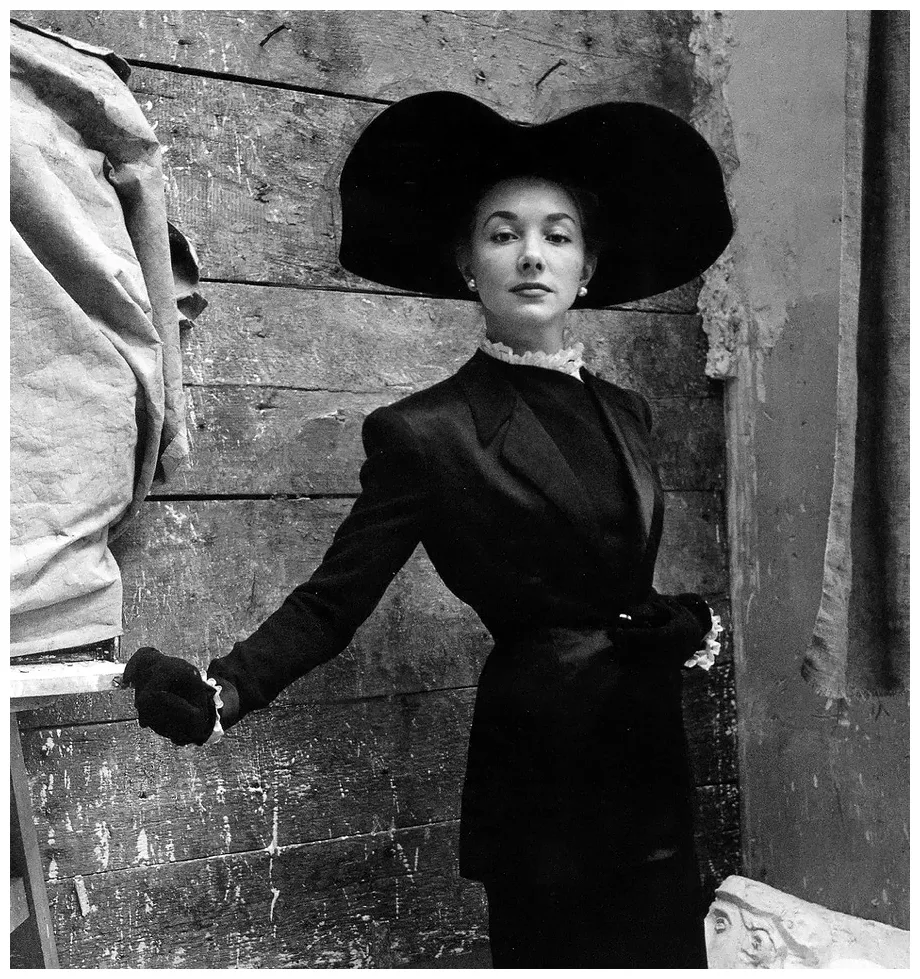
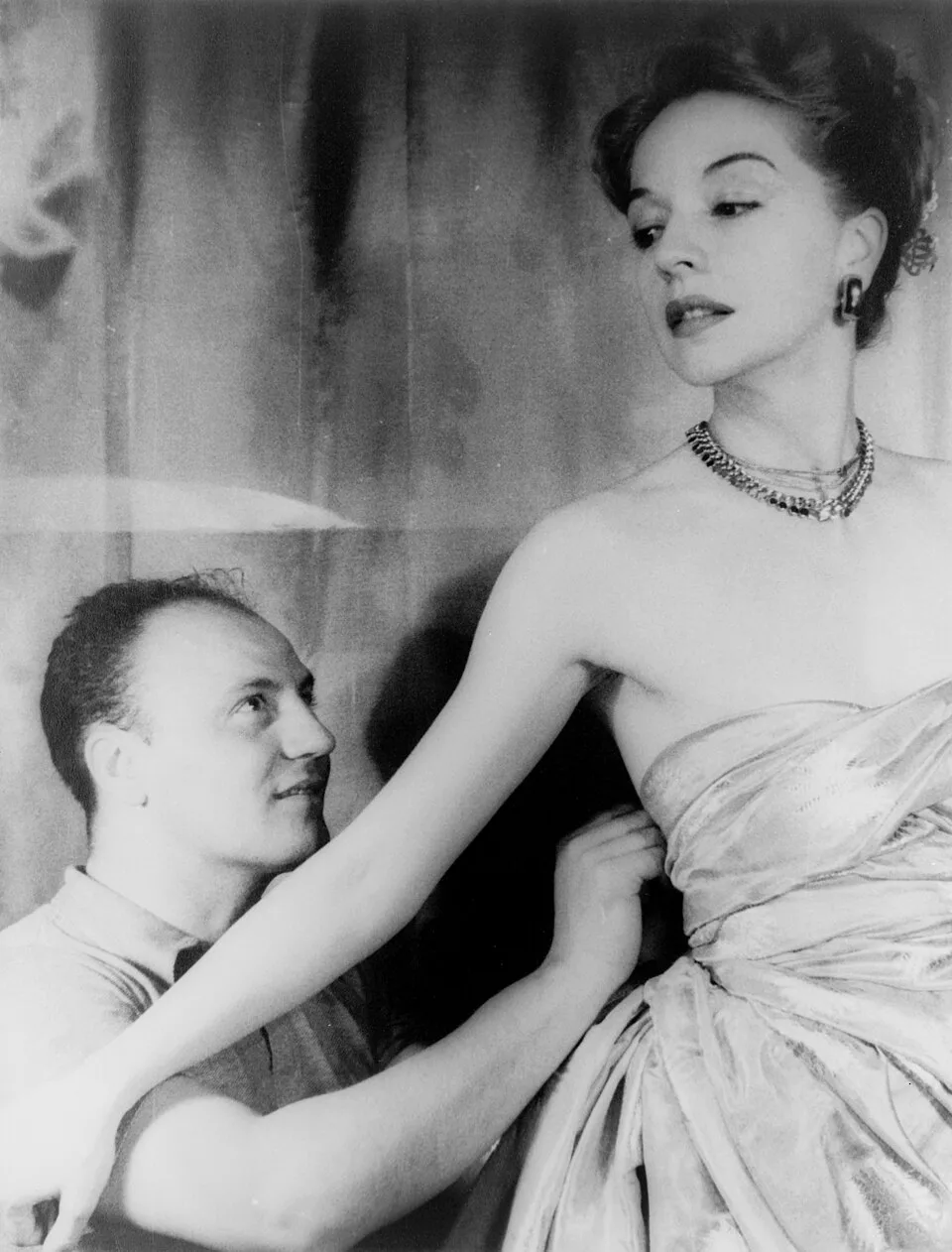
Balmain's couture house expanded quickly: an Australian tour in 1947, a New York ready-to-wear operation in 1951, a branch in Caracas in 1954, and the Neiman Marcus Award in 1955.
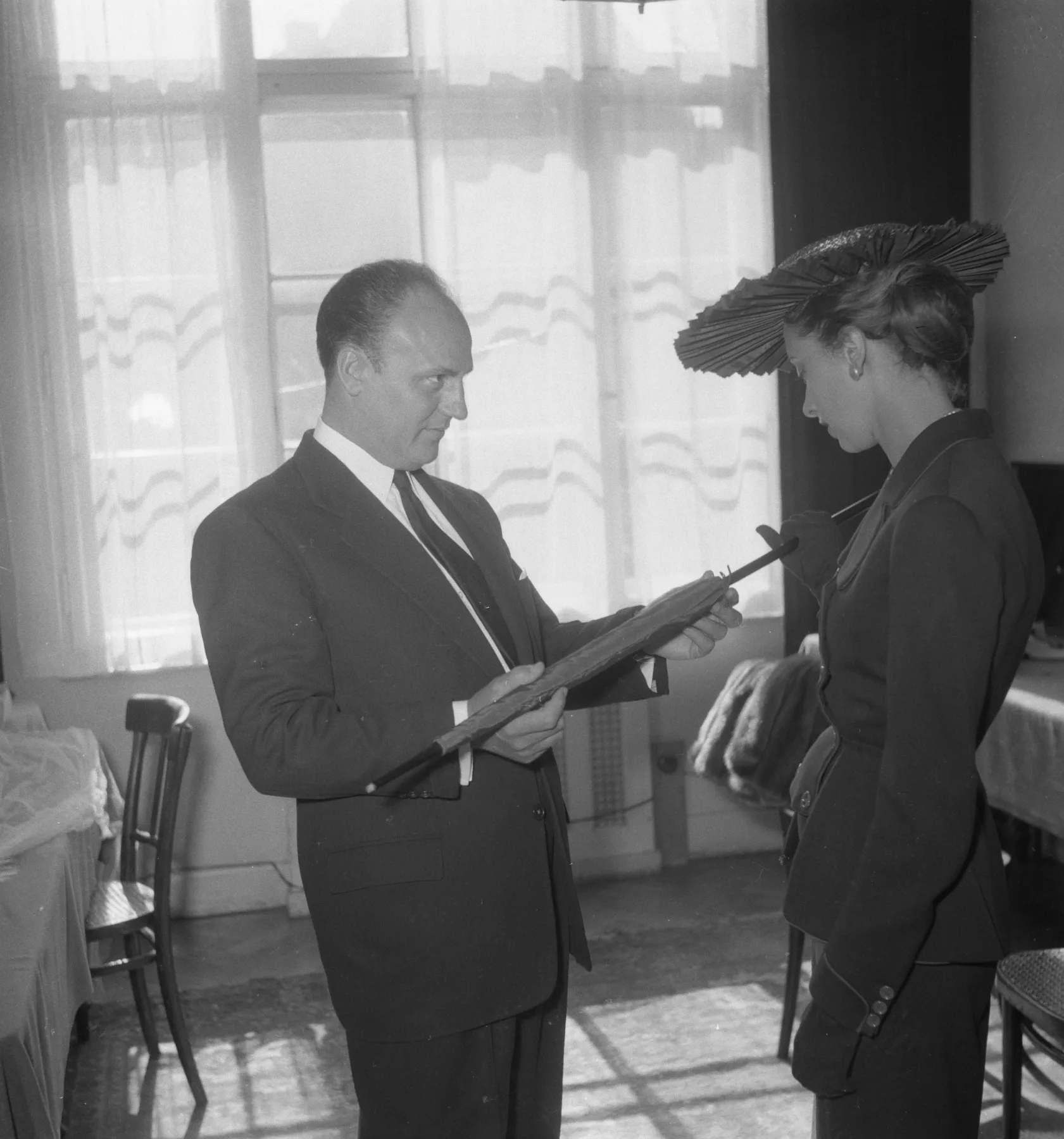
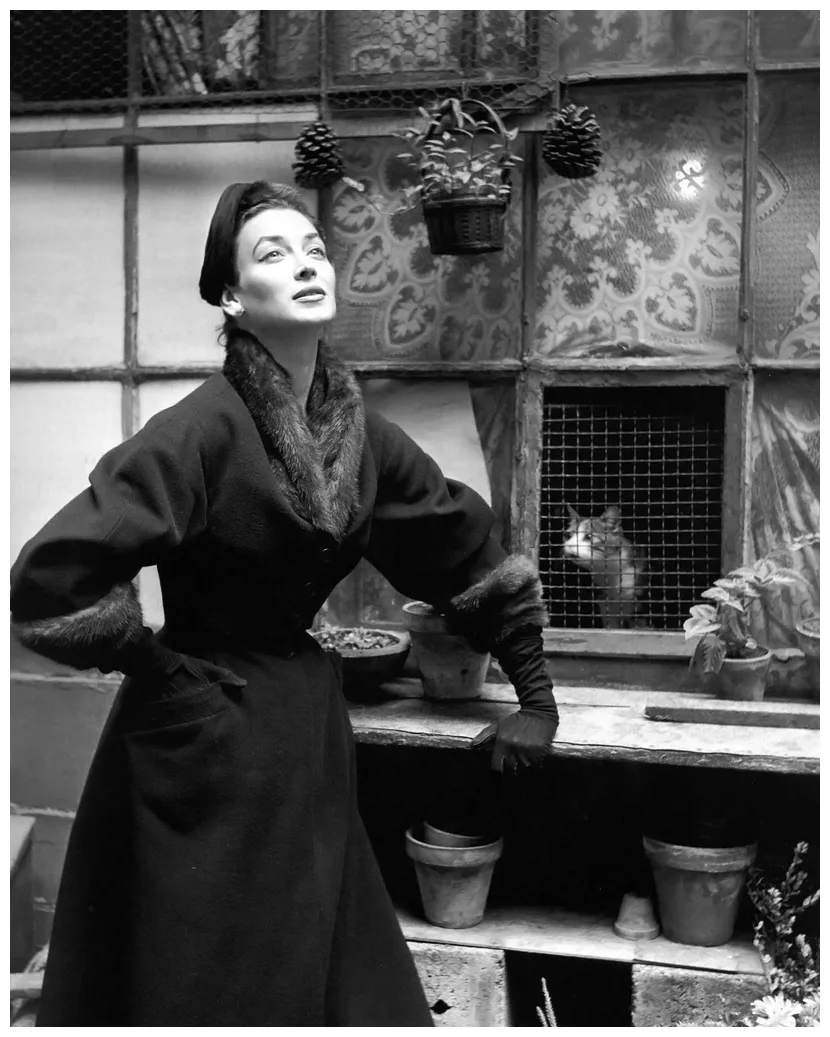
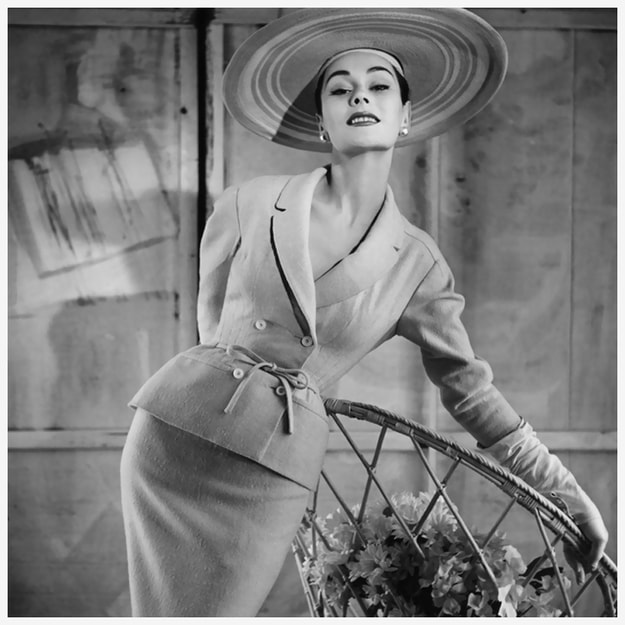
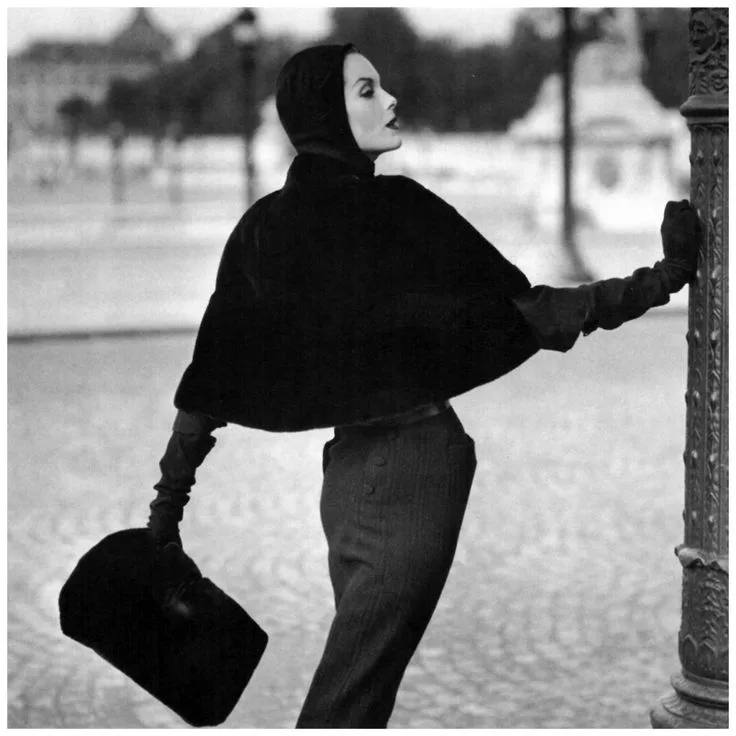
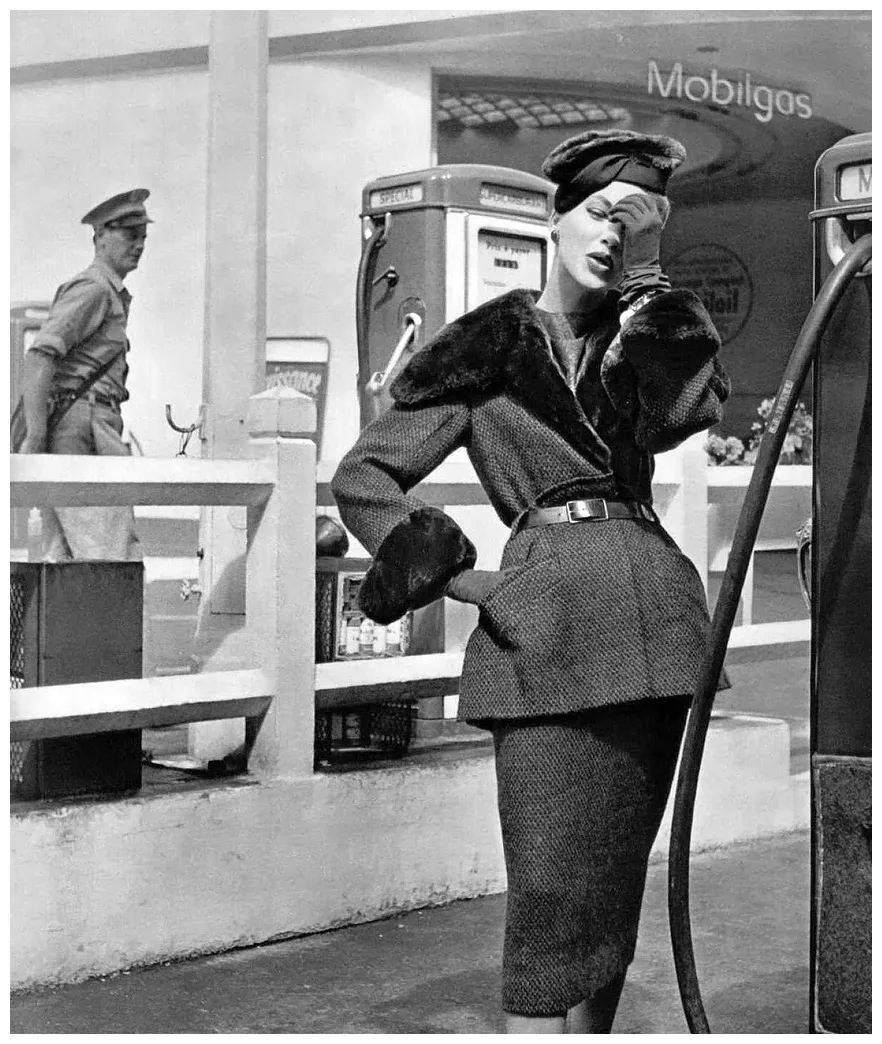
Balmain's clients came to include the Duchess of Windsor, Queen Fabiola of Belgium, Queen Basma of Jordan, Marlene Dietrich, Vivien Leigh, Katharine Hepburn, Ingrid Bergman, Michèle Morgan, and Judy Garland.
In 1948, a student of the Danish designer Holger Blum named Erik Mortensen, began as a design assistant at Balmain. He and Balmain worked well together, and Mortensen quickly went from assistant to collaborator. He and Balmain worked together for the rest of Balmain's life.
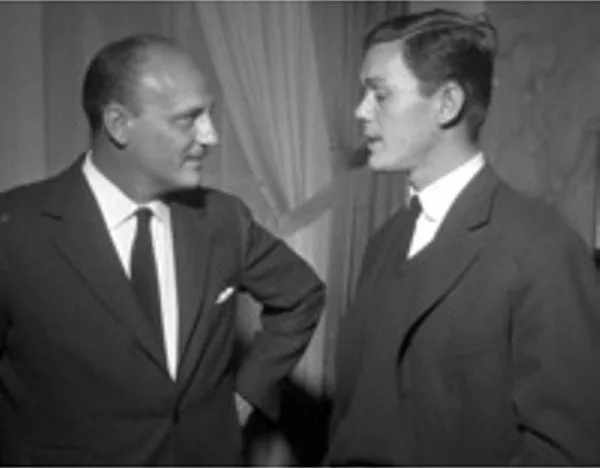
Balmain also spotted the talent of Karl Lagerfeld, hiring him in 1954 after judging a fashion competition that the young German designer won.
Pierre Balmain was chosen to design the wardrobe of Queen Sirikit of Thailand during her 1960 tour of the United States. In 1968, he created outfits for the 1968 Winter Olympics in Grenoble.
In the 1960s and '70s, Balmain also designed cabin crew outfits for several airlines like TWA and Malaysia–Singapore Airlines' (later Singapore Airlines) , and in 1975, he designed the uniform for Air France's first female pilot.
Besides works for his couture house, Pierre Balmain built an equally significant parallel career designing for stage and screen, and he had dressed some of the most famous international female stars at the time, such as Simone Signoret, Danielle Darrieux, Brigitte Bardot, Lana Turner, Vivien Leigh, Sophia Loren, Ava Gardner, Jennifer Jones, etc. some of them like Marlene Dietrich, Katharine Hepburn, Brigitte Bardot, and Sophia Loren wore his designs off screen as well.
Balmain created a golden, feather-trimmed couture gown built for movement for Josephine Baker's 1951 revue, dressed Sophia Loren in the hourglass silhouettes of The Millionairess, and outfitted Brigitte Bardot across several films, including the jumpsuits and dresses of And God Created Woman (1956) and a layered tulle wedding gown for Her Bridal Night.
A translucent sheath Balmain designed for Carroll Baker nearly caused a public incident at the 1964 London premiere of The Carpetbaggers — anticipating, by decades, the "naked dressing" trend that would later become a red-carpet staple.
In his long career as couturier, Pierre Balmain has also been costume designer for 16 films, including the Brigitte Bardot vehicle And God Created Woman and La Parisienne, and Sophia Loren´s movie The Millionairess (1960), some of the films in which he designed costumes for the female leads and actresses are:
- Michèle Morgan in Le Château de verre (1950)
- Simone Signoret in Ombre et Lumière (1951)
- Edwige Feuillère in Le Cap de l'Espérance (1951), Adorables Créatures (1952), En cas de malheur (1958)
- Danielle Darrieux in Adorables Créatures (1952), La Vérité sur Bébé Donge (1952), Bonnes à tuer (1954)
- Martine Carol in Adorables Créatures (1952), Les Carnets du Major Thompson (1955)
- Micheline Presle in L'Amour d'une femme (1953), La mariée est trop belle (1956)
- Lana Turner in Voyage au-delà des vivants (1955)
- Vivien Leigh in L'Autre Homme (1955)
- Brigitte Bardot in La mariée est trop belle (1956), En cas de malheur (1958)
- Rita Hayworth in L'Enfer des tropiques (1957), Les Joyeux Voleurs (1961)
- Sophia Loren in Les Dessous de la millionnaire (1960)
- Jennifer Jones and Joan Fontaine in Tendre est la nuit (1962)
- Cyd Charisse in Quinze jours ailleurs (1962)
- Jane Fonda in Dans la douceur du jour (1963), Les Félins (1964)
- Annie Girardot in Un homme qui me plaît (1969)
- Ava Gardner in Tam Lin (1970)
Balmain was nominated for the Tony Award for Best Costume Design and won the Drama Desk Award for Outstanding Costume Design for Happy New Year(1980).
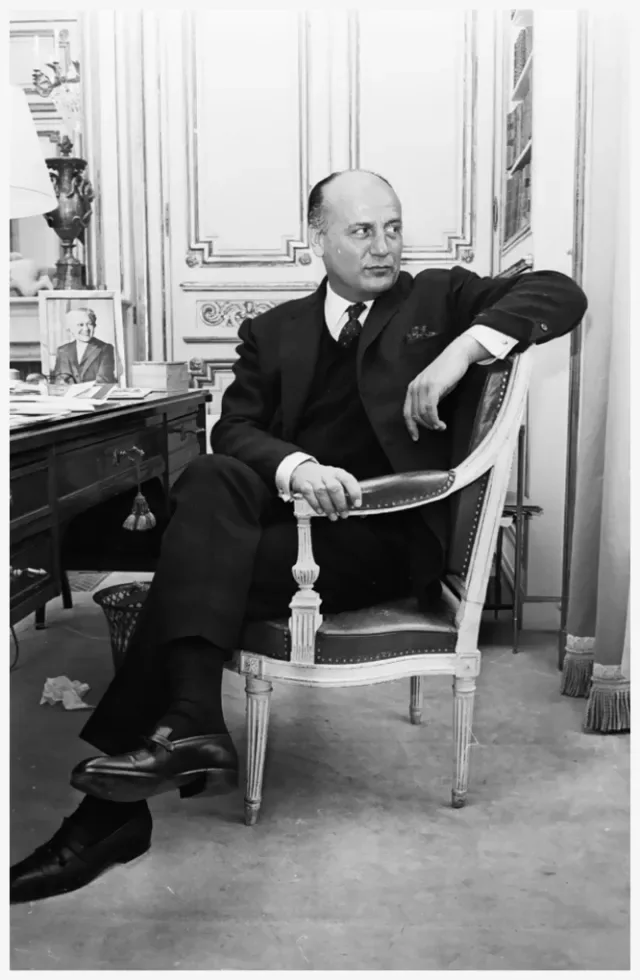
In June 1982, Balmain was hospitalized and diagnosed with liver cancer, having already completed the sketches for his Fall 1982 collection beforehand.
He died at the American Hospital of Paris, in Neuilly-sur-Seine, on 29 June 1982, at sixty-eight.
Erik Mortensen, his partner and right-hand designer for more than thirty years, completed and presented the Fall 1982 collection as a tribute, then formally succeeded him as head of haute couture, leading the house until 1991.
Pierre Balmain's name has long since outgrown any one designer by being sung about by Peter Sarstedt in 1969 ("Your clothes are all made by Balmain").